 Skip to content
Cyclone Mesh Weather Resistance: A Complete Guide for Homeowners and Property Managers
If you’re seeking a dependable fencing solution that can stand up to Chicago’s fierce winds, biting winters, and humid summers, cyclone mesh fencing is likely on your radar. Also referred to as chain link fencing, its reputation for balancing strength, affordability, and adaptability—particularly in challenging climates—has made it a go-to for thousands of property owners. Yet, the real question many ask is: how does cyclone mesh weather resistance actually hold up over time?
With weather in Chicago, Illinois ranging from ice storms to scorching sun, homeowners and property managers want fences that protect, last, and require minimal repairs. Understanding cyclone mesh weather resistance is crucial to making an informed decision about your property’s security, privacy, and curb appeal. In this comprehensive guide, you’ll uncover what really affects cyclone mesh durability, learn about critical materials and coatings, see clear comparisons to other fencing options, and gain maintenance strategies from fencing professionals. Chicagoland Fence Pros brings over 15 years of experience in the Chicago climate to help you set realistic expectations for cyclone mesh fencing on your property.
Understanding Cyclone Mesh: What Sets It Apart?
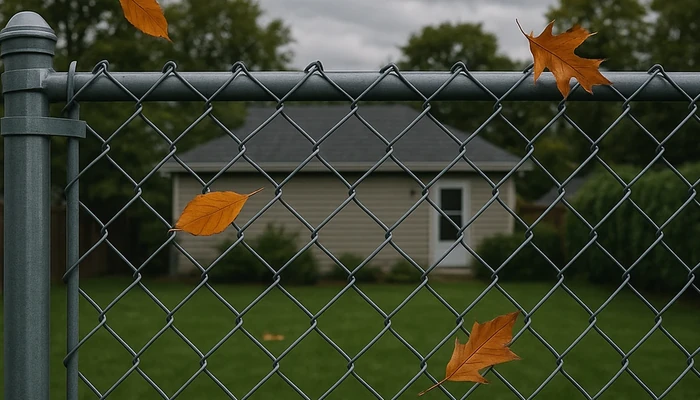
Cyclone mesh, most commonly known as chain link fencing, consists of interwoven steel wires forming a recognizable diamond pattern. Its open design allows wind to pass through, reducing pressure buildup and making it naturally resilient to storms. The flexibility, coupled with strong support posts, means cyclone mesh fences rarely collapse due to wind or snow load when properly installed.
- Highly customizable in height and gauge (wire thickness)
- Available in galvanized, aluminized, or vinyl-coated finishes for enhanced durability
- Often meets or exceeds ASTM standard specifications for weather performance (ASTM Standards)
This combination of structure and material options makes cyclone mesh a uniquely adaptable fencing type. For more basics on how mesh fences are built and secured, see our Essentials of Wire Mesh Fencing guide.
Why Is Weather Resistance Critical for Fences in the Chicago Area?
Chicago’s unique weather patterns present several challenges for fence owners:
- Heavy snow and ice can stress and corrode fence wires and posts.
- Spring floods or high groundwater may accelerate rust on unprotected steel.
- Summer heat and humidity can degrade coatings and speed up UV-related damage.
- Frequent freeze-thaw cycles put added pressure on rigid structures.
Choosing a fence with proven cyclone mesh weather resistance helps homeowners and property managers:
- Maintain perimeter security throughout the year
- Limit costly repairs due to rust, sagging, or wind damage
- Preserve visual appeal and property value
That’s why understanding the right fence materials, coatings, and maintenance strategies is as important as choosing the correct fence design. If you’re comparing options for value and durability, check out our guide to the top 5 fence materials.
Material Choices and Coatings: What Makes Cyclone Mesh Durable?
The performance and weather resistance of cyclone mesh depend heavily on the following key factors:
1. Base Metal Quality
- Galvanized Steel: Most common and cost-effective; coated with a zinc layer to resist rust.
- Aluminized Steel: Coated in aluminum; offers enhanced corrosion resistance and is good for areas with higher salt or pollution.
- Vinyl-Coated (PVC): Adds a colored protective layer over galvanized steel for extra weather and impact resistance.
2. Wire Gauge and Mesh Size
Thicker wires (lower gauge numbers) and smaller mesh sizes improve strength but may cost more. For high-wind or high-impact areas, a heavier gauge is often recommended. For more on mesh sizing, see our benefits of wire fencing resource.
3. Coatings and Finishes
- Zinc: Standard galvanization can last 10–20 years in normal environments.
- Polymer or Powder Coat: Thick, colored layers that resist chipping and help UV resistance.
- Dual Coating: Some premium products combine galvanization and PVC for longer-lasting defense.
For fence components to truly resist weather, consistent factory-applied coatings and proper installation are a must.
Comparison Table: Cyclone Mesh Coatings and Their Weather Performance
| Finish Type | Corrosion Resistance | Estimated Lifespan* | Best For |
|---|---|---|---|
| Standard Galvanized | Good | 10–15 years | Budget, moderate weather |
| Heavy-Duty Galvanized | Very Good | 15–20 years | Urban, heavy snow/wind |
| Aluminized | Excellent | 20+ years | High-rust areas, near salt |
| Vinyl-Coated (PVC) | Excellent + Color Retention | 15–25 years | Maximum durability, appearance |
*Estimated lifespan provided by Chicagoland Fence Pros based on typical use and weather in Chicago, Illinois. Local conditions may influence actual results.
For advanced technical specs and industry standards, see official documentation from the ASTM and reference materials from the AMPP.
Weather Threats: How Cyclone Mesh Withstands the Elements
Let’s take a closer look at the main weather threats in Chicago and how cyclone mesh stands up to each.
Wind and Storms
- Open design of cyclone mesh reduces wind pressure build-up
- Proper post depth and anchoring critical for stability
See our fence post guide: Durable Steel Fence Posts
Snow and Ice
- Heavy snow can add weight—ensure tensioning is correct to avoid sagging
- Ice can cause wires to contract—mounted hardware and fittings should be corrosion-resistant
Rain and Flooding
- Standing water will quickly corrode non-galvanized steel—always select rust-resistant finishes
- Ensure bottom of the mesh is not buried below grade to avoid prolonged moisture exposure
Summer Heat, Sun, and Humidity
- UV rays may degrade vinyl or painted coatings over many years
- Choose UV-stable coatings for long-term appearance in sunny spots
Installation Quality: Why It Matters for Long-Term Performance
No matter how strong the mesh, poor installation is the most common cause of fence failure in tough climates. Key variables include:
- Correct post spacing and depth for soil conditions
- Appropriate tension on mesh to prevent sagging in snow/rain
- Stable, frost-proof concrete footings
Proper installation helps cyclone mesh fencing live up to its weather resistance reputation, especially through Midwest winters. Learn more in our installation guide for wire mesh fences.
Maintaining Cyclone Mesh in a Four-Season Climate
Routine maintenance will keep your cyclone mesh fence protecting your property for decades. Here’s what to focus on:
Annual Inspection
- Look for rust spots or flaking on wires and fittings
- Check for loose or tilted posts (especially after freeze-thaw cycles)
- Examine mesh for sagging, broken wires, or gaps at the bottom
Cleaning
- Rinse with a hose in spring to remove road salt and debris
- Spot-clean algae, moss, or grime from shaded sections
Surface Repair
- Touch up small scratches with rust-inhibiting paint or spray
- Replace damaged tension wires or mesh panels before bigger repairs are needed
For a more detailed walkthrough, refer to our preventive maintenance guide for wire fences.
Comparing Cyclone Mesh to Other Fence Materials for Weather Resistance
| Fence Type | Weather Strengths | Weather Weaknesses | Estimated Lifespan* |
|---|---|---|---|
| Cyclone Mesh | Wind, rain, snow, low rust (when coated) | Potential corrosion if coating fails; open design offers less debris blocking | 10–25 years |
| Wood | Natural, high privacy | Rotting, warping, insect/snow damage | 10–15 years (with maintenance) |
| Vinyl | Won’t rust, good UV resistance | Can crack or fade with age and impact, less strength vs. wind | 15–25 years |
| Wrought Iron | Maximum strength, secure | Susceptible to rust without regular maintenance | 20–30 years (with upkeep) |
| Aluminum | Resists corrosion, lighter weight | Less strong in high-impact zones | 20–30 years |
*Estimates based on Chicagoland Fence Pros installations in the Midwest. Lifespan varies by product quality and care.
For ideas about enhancing your property and comparing materials, return to our detailed material comparison for Chicago area climates.
Special Weather Considerations: Case Examples from Chicago, Illinois
From our experience as a fence company in Chicago, Illinois, here are three real-world situations where cyclone mesh weather resistance made a difference:
- Lakefront Properties: Salty winter spray and shifting ground require aluminized or dual-coated mesh for long-term reliability.
- High-Traffic Urban Lots: Frequent snow removal equipment can quickly damage wooden or vinyl fencing—galvanized cyclone mesh absorbs impacts, bends back, and resists corrosion from salt and debris.
- Commercial Storage Yards: Chain link with barbed or privacy slats provides low-maintenance, secure perimeters that endure heavy storms and temperature swings.
If you have pets or are concerned about safety, check our fence safety for pets guide.
Cost, Codes, and Warranty Considerations
Weather resistance isn’t just about the fence material—it also relates to required codes, permits, and what your warranty covers.
- Cost: Expect to pay more for premium coatings and heavy-gauge cyclone mesh, but save on long-term repairs.
- Codes: Always check local ordinances and HOA rules before installation. Chicago may require specific post depths or materials for security and weather.
- Warranty: Most cyclone mesh products offer 10–15 year warranties on coatings. Ask your contractor for details and coverage specifics.
For more on fence regulations, see our Chicago fence regulation primer. For a quote or to talk to our fence specialists, request a cyclone mesh fence estimate today.
Frequently Asked Questions About Cyclone Mesh Weather Resistance
How does cyclone mesh differ from traditional chain link fencing?
Cyclone mesh and chain link refer to the same fencing type—interwoven steel wires in a diamond pattern. Cyclone mesh is simply a common term, especially in the Midwest, emphasizing wind resistance.
What is the best coating for maximum weather resistance?
PVC (vinyl) coated over galvanized steel offers superior corrosion and UV protection. For extreme moisture or salt exposure, consider aluminized finishes. Industry standards from ASTM and AMPP can provide additional technical details.
How often should I inspect my cyclone mesh fence?
At least once a year—ideally after winter—check for rust, loose tension wires, and damaged posts. Regular inspections prevent small problems from becoming expensive repairs.
Will cyclone mesh fencing rust or corrode over time?
All steel can corrode, but galvanized, aluminized, or vinyl-coated mesh resists rust for 10–25 years. Promptly addressing scratches and chips helps maintain the protective coating.
Should my cyclone mesh fence be anchored in concrete?
Yes. Proper concrete footings are vital in the Chicago area for preventing heaving and tilting during freeze-thaw cycles, especially for tall or high-security installations.
Are cyclone mesh fences suitable for pets and children?
When installed correctly with secure gates and the right height, cyclone mesh fences are an excellent, safe choice for families and pet owners. Consult our pet fencing tips for safety guidelines.
How does cyclone mesh compare to wood or vinyl in harsh weather?
Cyclone mesh requires less maintenance than wood and offers better wind-resistance than solid vinyl. However, it may provide less privacy without added slats or screenings.
What’s the best way to repair a cyclone mesh fence after a storm?
Replace bent mesh sections, tension wires, or posts as needed. Touch up coatings promptly to prevent rust. For major damage, consult a professional installer like Chicagoland Fence Pros.
Next Steps: Choosing and Caring for a Weather-Resistant Cyclone Mesh Fence
Choosing a fence is an investment—especially in climates as varied as Chicago, Illinois. Cyclone mesh weather resistance has made this fencing style a longstanding favorite for both residential and commercial properties. By selecting quality materials, ensuring proper installation, and following regular maintenance routines, you can expect years of reliable security and curb appeal.
If you’re ready to improve your perimeter or need guidance on fence repair, compare your options or request a cyclone mesh fence estimate from Chicagoland Fence Pros. If a different fence style (wood, vinyl, wrought iron, or aluminum) is better suited to your needs, our team will give you practical, honest advice for your situation. For full design, installation and repair services—including custom security solutions—see our main fence company page.
About Chicagoland Fence Pros
Chicagoland Fence Pros is a professional fence company with over 15 years of experience helping homeowners and businesses in Chicago, Illinois and nearby communities improve security, privacy, and curb appeal. Our team specializes in residential and commercial fence installation across all top materials—including cyclone mesh, wood, vinyl, aluminum, and steel. We focus on code-compliance, honest advice, and long-lasting craftsmanship, backed by full licensing and insurance. Whether you’re securing a backyard, business perimeter, or specialty property, Chicagoland Fence Pros delivers expert guidance and transparent service from start to finish.
fencing companies chicago, privacy residential fence, pool fence chicago, pool fence Lombard, home fence Tinley Park, residential yard fence Carol Stream, residential yard fence Mokena, garden fence Northlake, residential fencing Island Lake, home fence Broadview
