 Skip to content
Essentials of Wire Mesh Fencing: Everything Homeowners Need to Know
Choosing the right fence can be overwhelming, especially for homeowners and property managers new to the world of fencing. Wire mesh fencing, often associated with chain link fences, is one of the most versatile and cost-effective options available today. Whether you’re looking to boost security, maintain privacy, or meet local code requirements in the Chicago, Illinois area, understanding the essentials of wire mesh fencing will empower you to make informed decisions. This comprehensive guide walks you through the types, uses, benefits, material choices, installation expectations, maintenance tips, and more. By the end, you’ll know whether a wire mesh fence is the right solution for your needs—and what steps to take next. The fence specialists at Chicagoland Fence Pros are dedicated to transparent guidance and reliable installations for Chicago, Illinois and the surrounding region.
What is Wire Mesh Fencing?
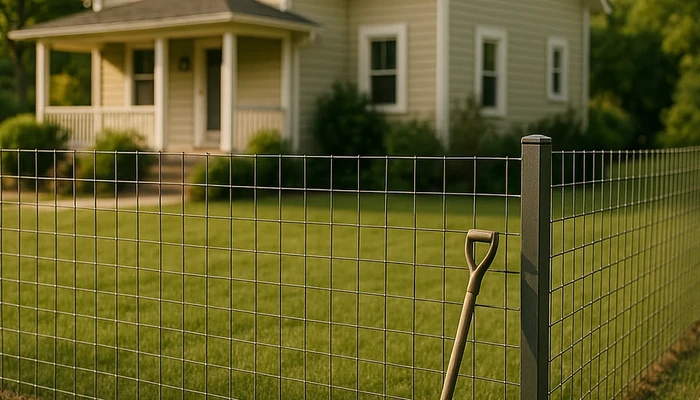
Wire mesh fencing describes a category of fencing created from interwoven metal wires, forming a stable and durable mesh. The most common variation is chain link, but the term “wire mesh” also covers welded mesh, expanded metal, and specialty security mesh panels. These fences are frequently used in both residential and commercial settings because of their versatility, affordability, and straightforward maintenance requirements.
Why Consider Wire Mesh Fencing?
- Security: Wire mesh creates a dependable barrier, making it harder for unauthorized entry.
- Visibility: Maintains open sight lines, reducing hidden areas while still deterring trespassers.
- Customizable Heights: Available in several standard and custom heights for unique property needs.
- Cost-Effectiveness: Generally more affordable than wood, vinyl or wrought iron options.
- Weather Resistant: Especially designed versions, such as cyclone or galvanized mesh, perform well in the varied seasons of Chicago, Illinois.
Types of Wire Mesh Fencing
The main categories of wire mesh fencing include:
- Chain Link Fencing: The classic interwoven steel wire fence, available in various gauges and coatings.
- Welded Wire Mesh: Wires are fused at junctions, giving a more rigid panel, often used for decorative or security purposes.
- Expanded Metal Mesh: A solid sheet of metal is slit and stretched, creating a mesh pattern—highly secure and tamper-resistant.
- Security Mesh Panels: Heavier-gauge welded panels, sometimes with anti-climb features for high-risk properties.
| Type | Appearance | Main Use | Security | Common Heights |
|---|---|---|---|---|
| Chain Link | Diamond weave | General perimeter, backyards | Moderate | 4′, 6′, 8′ |
| Welded Mesh | Square/rectangular grid | Pools, gardens, pet enclosures | Moderate | 3′, 4′, 6′ |
| Expanded Metal | Slit sheet, diamond openings | Commercial, utility | High | 6’+ |
| Security Panels | Heavy grid, close spacing | Critical security areas | Very high | 6′, 8’+ |
For a deep dive on mesh fence design and creative use cases, check out our creative wire mesh fence designs hub.
Materials: Choices and Trade-Offs
Material choice impacts durability, appearance, and cost. Common materials for wire mesh fencing include:
- Galvanized Steel: The go-to material for basic chain link fences. Corrosion-resistant, reliable in varying Chicago weather.
- Vinyl-Coated Wire: Adds a layer of color and extra weather protection; often available in black, green, and brown.
- Stainless Steel: Top-tier rust resistance and strength, ideal for high-security or corrosive environments.
- Aluminum: Lightweight but less strong than steel; used for decorative needs or low-security boundaries.
Material longevity also depends on climate and exposure. See our climate material comparison guide for Chicago-specific advice.
Planning a Wire Mesh Fence: Design and Local Regulations
Every successful fence project begins with thoughtful planning:
- Purpose: Is your goal security, pet containment, privacy, or simply marking boundaries?
- Location: Are there grade changes, property line questions, or obstructions?
- Codes & Permits: In Chicago, most new fences require permits and compliance with height, style, and set-back codes. Consult the International Code Council resources and your local zoning office for current rules.
- HOA Rules: If applicable, double-check homeowner association guidelines before beginning installation.
We recommend reviewing this step-by-step guide to local fence regulations to avoid surprises.
Installation: What to Expect
The wire mesh fence installation process typically includes:
- Site assessment and measuring property lines
- Marking post locations and ensuring underground utility clearance
- Setting posts in concrete footings for stability
- Attaching mesh panels or stretching chain link fabric between posts
- Securing rails, tension wires, and any gates
- Final inspection and adjustment
While some homeowners feel up to a DIY project, professional installation by a local expert such as Chicagoland Fence Pros often results in longer-lasting and code-compliant fences. If you want to understand more about each step, head to our detailed instructions for mesh fences.
Cost Factors: What Impacts Your Investment?
Wire mesh fencing is generally regarded as budget-friendly, but costs fluctuate based on:
- Length and height of fence required
- Material type (galvanized, vinyl-coated, stainless steel, etc.)
- Site preparation needs (slopes, demolition, tree/root removal)
- Gate installation (quantity, size, style, automation)
- Permitting fees
To get a detailed estimate tailored to your specific property, request a chain link fence estimate from Chicagoland Fence Pros.
Maintaining Your Wire Mesh Fence
One of the key advantages of wire mesh is its low ongoing maintenance. Still, periodic care is important to maximize longevity:
- Annual checks: Inspect for rust, loose fittings, and damaged mesh.
- Vegetation trimming: Keep plants clear to prevent moisture build-up.
- Gate hardware maintenance: Lubricate hinges and ensure smooth operation.
- Prompt repairs: Address bends or breaks quickly to maintain security and aesthetics.
For more on this, see our wire fence maintenance guide.
Security, Privacy, and Beyond
Wire mesh fences often form the first layer of property protection, but you can enhance security with:
- Privacy slats: Inserted into mesh openings to obscure visibility (great for yards or businesses).
- Top rails and tension wire: Increase structural strength and deter climbing.
- Security add-ons: Barbed wire, razor coils, or anti-climb panels for high-risk settings (must comply with local codes).
- Automated gates: For improved access control—explore automatic security gate options.
Privacy requirements or aesthetic preferences may lead you to consider other fencing options like wood, vinyl, or composite solutions. Learn more about chain fence benefits for residential areas and composite fencing alternatives.
Comparing Wire Mesh Fences to Other Common Types
| Fence Type | Avg Lifespan | Maintenance Level | Privacy | Cost ($/ft) |
|---|---|---|---|---|
| Wire Mesh | 15–30 yrs | Low | Low–Mod with slats | $$ |
| Wood | 10–20 yrs | Moderate | High | $$$ |
| Vinyl | 20–30 yrs | Low | High | $$$$ |
| Wrought Iron | 20–50 yrs | High | Low | $$$$$ |
| Composite | 25–35 yrs | Low | High | $$$$ |
Keep in mind, these are estimates. Lifespan and costs can vary, especially with Chicago’s climate. Always request a tailored quote and seek local code guidance.
Safety, Codes, and Quality Standards
It’s crucial to address safety and legal requirements:
- Check for all required permits before installation begins.
- Follow local height, design, and materials rules in Chicago.
- For pool enclosures or commercial uses, be sure your fence meets specific safety standards; visit the ASTM standards resource for formal specifications.
- Hire a licensed and insured contractor with code knowledge—like the team at Chicagoland Fence Pros—for peace of mind.
FAQ: Wire Mesh Fencing Essentials
What is the typical lifespan of a wire mesh fence?
With quality materials and proper installation, wire mesh fences (especially galvanized or vinyl-coated) can last 15 to 30 years. Harsh weather or physical impacts can reduce longevity, so regular checks are recommended.
Is a wire mesh fence secure enough for my home?
For boundary and moderate security, wire mesh fencing is very effective. Higher-security applications may require heavier-gauge mesh, anti-climb features, or add-ons like barbed wire.
Can I add privacy to a chain link or mesh fence?
Yes. Privacy slats or screens can be inserted into the mesh, providing both privacy and wind protection. Taller panels and landscaping can add further privacy.
How much does a wire mesh fence cost in Chicago, Illinois?
Costs vary based on materials, site prep, style, and project scope. For a rough estimate, anticipate $15–$35 per linear foot for professionally installed basic chain link. Complex installs or specialty mesh types can cost more.
Are wire mesh fences allowed by local code?
Most residential and commercial zones in Chicago do permit wire mesh fencing, but there are restrictions on height, presenting face, and sometimes color. Always confirm with your local zoning officer before starting work.
Is installation a DIY-friendly project?
While basic chain link can be installed with careful measurements and tools, most property owners trust professionals to ensure code compliance and optimal fence performance, particularly for longer spans or sloped terrain.
How do I maintain a wire mesh fence?
Minimal maintenance is needed: annual inspection, clearing away debris or vegetation, and tightening or repairing loose sections as needed. Galvanized or coated versions are especially resilient to rust.
Can I use wire mesh fencing for pet enclosures?
Absolutely. It’s excellent for pets—just select an appropriate fence height and mesh spacing to suit your animals’ abilities and safety needs. See our post on fence safety for pets.
Where can I get more detailed help?
For a thorough assessment of your property, contact Chicagoland Fence Pros. We offer honest advice and experience with every fence style and material.
Conclusion: Making an Informed Choice
Wire mesh fencing continues to be a dependable solution for many Chicago, Illinois homeowners and property managers seeking a balance of security, affordability, and longevity. By understanding your needs, local codes, and available customization options, you can select a fence that protects and enhances your property for years to come. If you’re ready to move forward, talk with our fence specialists for a personalized recommendation or estimate, or contact Chicagoland Fence Pros for professional, friendly guidance.
Interested in exploring more about how fences can improve safety and property value? Visit our hub on fencing’s impact on property value.
About Chicagoland Fence Pros
Chicagoland Fence Pros has over 15 years of experience installing, repairing, and customizing fences throughout Chicago, Illinois and neighboring communities. Specializing in wire mesh, chain link, wood, vinyl, aluminum, and composite fencing for both residential and commercial needs, our team focuses on code-compliant, transparent, and durable solutions. Licensed, insured, and committed to honest advice, Chicagoland Fence Pros helps you achieve lasting results—backed by expertise you can trust.
fence company in chicago, residential backyard fence, home fence, residential fences Lincolnwood, residential yard fence Oak Lawn, residential fences Lake Zurich, residential fencing Romeoville, residential yard fence Westchester, privacy residential fence Rogers Park, home fence Mount Prospect
