
Top 5 Fence Materials: Which is Best for Your Property? [2024 Guide]
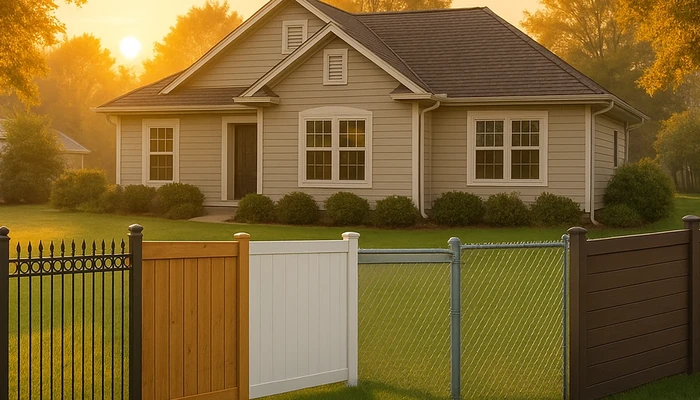
Choosing the right fence material can feel overwhelming, especially with so many options—and the pressure to balance security, privacy, appearance, and long-term maintenance. The material you select will affect not just the look of your property, but also the durability, safety, and value for years to come. Regulations and Chicago’s demanding weather add to the challenge. In this comprehensive guide, we’ll break down the top 5 fence materials—explaining honest pros and cons, costs, maintenance needs, and realistic expectations. Whether you are a homeowner or a property manager, you’ll learn how to compare options based on your priorities and local requirements. As Chicagoland Fence Pros, we’ve seen what works best in Chicago, Illinois and nearby communities—so you can make a confident, informed choice.
Understanding the Importance of Fence Materials
The material you choose for your fence impacts more than curb appeal—it also determines how much security, privacy, and maintenance effort you’ll face. Every yard and owner has unique needs, whether it’s keeping pets safe, enhancing property value, or complying with local codes. In the Chicago area, winter freeze–thaw cycles and strong winds make durability a major concern. Below, we’ll walk you through the core factors to consider for any fence project:
- Climate resistance: Can the material handle Chicago’s weather?
- Privacy and security: Are you looking to create a visual barrier or simply mark a boundary?
- Maintenance: How much time do you want to invest in upkeep?
- Budget: What does it cost to install—and maintain—over the years?
- Regulations: Does your neighborhood or city code restrict certain fence types?
Overview Table: Comparing the Top 5 Fence Materials
| Material | Durability | Maintenance | Privacy | Cost | Common Uses |
|---|---|---|---|---|---|
| Wood | Medium–High | High | Excellent | $$ | Yards, privacy, classic look |
| Vinyl | High | Low | Excellent | $$$ | Modern homes, low maintenance |
| Aluminum | High | Low | Low–Medium | $$$ | Decorative, pool, security |
| Chain-Link | High | Low | Low | $ | Pet enclosures, security, commercial |
| Composite | Very High | Very Low | Excellent | $$$$ | Eco-friendly, long-term, privacy |
1. Wood Fences: Warmth and Classic Appeal
Wood fences are long loved for their traditional look and versatility. They offer top-notch privacy and, depending on the design, can be both highly secure and attractive. However, wood requires periodic maintenance to combat weathering—a particular concern in Chicago’s climate, where moisture and temperature swings are frequent.
Pros of Wood Fencing
- Wide variety of styles and finishes
- Excellent privacy and security (especially solid panels)
- Easy to customize and repair
- Renewable resource (when sourced responsibly)
Cons of Wood Fencing
- Requires staining/sealing every 2–3 years (see APA Wood builder tips)
- Susceptible to rot, insects, and warping if neglected
- Chicago winters can shorten lifespan without proper care
Best for: Homeowners seeking a timeless look with solid privacy, and who are willing to commit to regular upkeep.
2. Vinyl Fences: Low Maintenance, Long Life
Vinyl fences have become increasingly popular for those seeking attractive, private fencing with minimal upkeep. They resist pests and weather well, and modern styles can convincingly imitate wood. In the Chicago, Illinois area, vinyl stands up well to humidity and temperature extremes.
Pros of Vinyl Fencing
- No painting, staining, or sealing needed
- Unmatched resistance to rot, insects, and moisture
- Many color and texture options
- Long lifespan (often 20–30+ years)
Cons of Vinyl Fencing
- Upfront cost higher than some wood options
- Can crack or break under extreme impact or cold
- Less eco-friendly (not biodegradable)
Best for: Busy homeowners looking for privacy and reliability with little ongoing effort. Explore modern vinyl fence designs here.
3. Aluminum Fences: Elegant and Durable
Aluminum fencing’s primary appeal is its balance of security, elegance, and low maintenance. Unlike wrought iron, it will not rust, making it an excellent long-term option in wet or snowy climates. While not a privacy fence, aluminum’s open picket designs are popular for decorative purposes or pool barriers.
Pros of Aluminum Fencing
- Rust-resistant, even in rainy or snowy areas
- Diverse styles for traditional or modern looks
- Lightweight and easy to install or repair
- Minimal upkeep—just occasional rinsing
Cons of Aluminum Fencing
- Limited privacy compared to solid fences
- Costs more than chain-link or basic wood
- Not as impact-resistant as steel or wrought iron
Best for: Homeowners and property managers seeking a classic and durable perimeter, especially where full privacy is not required. See ideas for aluminum fences.
4. Chain-Link Fences: Affordable Security
Chain-link fencing is one of the most cost-effective ways to secure a property. While not known for privacy, newer options include privacy slats for enhanced coverage. Chain-link holds up very well in Chicago weather and is frequently chosen for pet enclosures, commercial properties, and areas requiring boundary security.
Pros of Chain-Link Fencing
- Budget-friendly and fast to install
- Extremely durable in all seasons
- Low maintenance (just inspect and tighten as needed)
- Can add vegetation or slats for added privacy
Cons of Chain-Link Fencing
- Offers little privacy without add-ons
- Less decorative appeal than wood or vinyl
- May not suit all residential styles
Best for: Economical security, pet containment, or as a quick solution for large perimeters. Want to learn more about chain-link safety for pets? Read this helpful guide.
5. Composite Fences: Eco-Friendly and Extra Tough
Composite fencing blends wood fibers and recycled plastics to create a product that has the look of wood without many of the weaknesses. It’s highly resistant to rot, bugs, and moisture, making it especially appealing for those looking for a low-maintenance, long-lasting barrier.
Pros of Composite Fencing
- Incredible durability against weather, insects, and decay
- Very realistic wood-like appearance options
- Eco-friendly—uses recycled materials
- Almost zero maintenance aside from cleaning
Cons of Composite Fencing
- Higher initial investment than most other materials
- Limited style variety compared to real wood or vinyl
Best for: Chicago-area homeowners wanting the best of both worlds: wood’s look and ultra-low upkeep. Find composite fence options here.
Fence Materials Through the Chicago Lens: What Lasts?
From our experience as a fence company in Chicago, Illinois, surviving local winters takes the right combination of material and installation technique. We’ve seen wooden fences thrive for decades—if owners keep up with sealing and fast repairs. Likewise, vinyl, aluminum, and composite all hold up beautifully during snow and freeze–thaw cycles. In contrast, metal fences installed without proper footings or coatings quickly show rust or frost damage. Always discuss installation techniques that suit the Midwest with your contractor.
For hints on how different fence materials behave under Chicago’s weather conditions, see our related resource: Choosing the Best Fence Materials Based on Climate.
Regulations, Codes, and Permitting: Don’t Skip These Steps
Most municipalities, Chicago included, set specific requirements for fence height, placement, and even acceptable materials. Homeowner’s associations may have additional rules regarding appearance and color. Before finalizing your plans, always:
- Check local building codes and permitting requirements
- Review HOA regulations, if applicable
- Discuss property lines with neighbors if close to boundaries
- Verify you’re not installing near easements or public rights-of-way
Learn more about navigating local fence regulations in our step-by-step guide for homeowners.
Maintenance by Material: What to Expect Year to Year
No fence is entirely “set and forget.” Smart maintenance means fewer repairs and better looks over decades. Here’s a quick outline of what to expect with each material:
- Wood: Annual inspection, staining or sealing every 2–3 years, periodic repair of individual pickets or posts. Builder tips here.
- Vinyl: Wash with water and mild soap as needed, inspect posts after winter.
- Aluminum: Rinse off salt or debris seasonally, tighten fasteners if needed, check for minor scratches.
- Chain-Link: Inspect for loose or corroded sections, especially after severe weather. Consider touch-up coating on any exposed metal.
- Composite: Clean with water and gentle soap. Virtually zero seasonal maintenance.
For homeowners wanting expert low-maintenance options, wood fence designs and vinyl installations are both available through Chicagoland Fence Pros.
Cost Breakdown: Short-Term vs Long-Term
Installation costs depend on material, fence height, length, and site conditions. Here’s a cost comparison for the Chicago area (estimates per linear foot):
| Material | Initial Cost | Maintenance Cost | Lifespan (years) |
|---|---|---|---|
| Wood | $30–$60 | Varies ($10–$15/yr) | ~15–20 |
| Vinyl | $40–$70 | Minimal | ~20–30+ |
| Aluminum | $35–$75 | Minimal | ~30+ |
| Chain-Link | $10–$30 | Minimal | ~25–30 |
| Composite | $50–$120 | Very Minimal | ~25–40 |
Always ask about hidden costs, such as removal of old fencing, permitting, or special hardware for security or sloped properties. Learn how fence choices impact your property’s value: read more here.
Choosing the Right Fence for Your Property: Key Questions
- What’s your main priority—security, privacy, or visual appeal?
- How much ongoing maintenance are you willing to perform?
- Are there children or pets who need special safety considerations?
- Is eco-friendliness or recycled content important to you?
- What is a realistic budget for both installation and upkeep?
- Do you need to match the neighborhood aesthetic or meet HOA guidelines?
Need more fence selection tips? Our Ultimate Guide to Fence Designs covers advanced customization options.
Frequently Asked Questions
- Is there a “best” overall fence material?
-
No one material fits every situation. For privacy and traditional appeal, wood or vinyl are standouts; for zero maintenance, composite or aluminum shine. Chain-link delivers unbeatable value for security needs. Consider your priorities, budget and environment.
- How much maintenance does a wood fence need in Chicago?
-
Plan to stain or seal every 2–3 years, inspect after winter, and repair damage promptly. Good maintenance can extend lifespan past 15 years even with harsh weather.
- Can I install a fence close to my neighbor’s property?
-
Usually yes, but you must follow local zoning rules for property lines and setbacks. Always review Chicago’s codes and talk to your neighbor first to avoid disputes.
- Is vinyl more expensive than wood?
-
Vinyl’s upfront cost is usually higher, but you’ll save on long-term maintenance. Over its lifespan, the total expense may be similar to—or lower than—wood.
- Are composite fences environmentally friendly?
-
Yes. They often use recycled wood and plastics, providing a sustainable alternative with minimal ongoing upkeep or replacement needs.
- How long do chain-link fences last?
-
With minimal maintenance, chain-link can easily last 25–30 years. Use galvanized or coated wire for maximum longevity.
- Which fence is best for pets?
-
Chain-link and solid vinyl/wood fences are all good options. Make sure spacing and height suit your pet’s breed and escape potential. Read more safety tips here.
- What permits do I need to build a fence in Chicago?
-
You’ll typically need a building permit for any new fence. Height, materials, and placement are regulated—check the City of Chicago’s building department for details.
- Can aluminum fences provide security?
-
Yes—they’re sturdy and suitable for marking boundaries. However, for privacy or higher security, consider taller designs or pair with shrubs.
- Do fence materials affect property value?
-
Absolutely. Well-maintained, attractive fencing enhances curb appeal and security—key selling points. Poorly maintained or inappropriate fences can have the opposite effect.
Which Fence Material Should You Choose?
Each property and owner brings unique needs to the table, but with these top 5 fence materials you have options for every priority—privacy, security, maintenance, budget, and style. Assess your needs realistically and talk to local professionals who understand Chicago’s climate and codes. For help with installation, repairs, or choosing between materials, you can request a fence estimate or consultation from our team. For more in-depth comparisons and tips, browse our expert guides.
Remember: Great fences don’t just mark property lines—they protect families, pets, and investments for decades to come.
About Chicagoland Fence Pros
Chicagoland Fence Pros is a professional fence company with over 15 years of experience helping homeowners and businesses in Chicago, Illinois and nearby communities improve security, privacy, and curb appeal. Our team specializes in the installation and repair of wood, vinyl, aluminum, steel, and composite fences for residential and commercial projects. Chicagoland Fence Pros is fully insured, code-compliant, and dedicated to honest advice and high-quality craftsmanship on every job.
fence contractor in chicago, home fence, pool fence chicago, dog fence Naperville, residential fence replacement Rolling Meadows, home fence Lake Villa, residential fences Arlington Heights, privacy residential fence Rockford, home fence Rogers Park, garden fence Glencoe