 Skip to content
The Benefits of Wire Fencing: A Complete, Honest Guide
Choosing the right fence for your property can feel overwhelming—especially if you’re a homeowner or property manager exploring options for the first time. Questions around security, privacy, durability, and budget all come into play, not to mention local regulations. The benefits of wire fencing often make it a top contender, but what are its real-world strengths and trade-offs? In this guide, you’ll discover the honest facts behind wire fencing—including when it’s a great solution, what to consider, and how it compares to other materials. By the end, you’ll have the clarity needed for practical decision-making, with tips straight from Chicagoland Fence Pros’ years of experience in the Chicago, Illinois area.
Understanding Wire Fencing: What It Is and How It Works
Wire fencing broadly refers to barriers made from interwoven, welded, or woven metal wires, often coated for corrosion resistance. The most common forms include chain link, welded wire, and woven wire options. Each serves a range of applications—from pet containment to full-scale perimeter security. Wire fences stand apart for their affordability, flexibility, and minimal visual intrusion. In the Chicago, Illinois area, property owners often prefer wire fences for their combination of functionality and value.
Types of Wire Fencing: Exploring Your Options
1. Chain Link Fencing
- Description: Iconic diamond-patterned mesh made from galvanized or coated steel wire.
- Common Uses: Yards, playgrounds, sports fields, commercial perimeters.
- Strengths: Durable, low-maintenance, transparent, and relatively quick to install.
2. Welded Wire Fencing
- Description: Horizontal and vertical wires welded at each intersection, forming rigid panels.
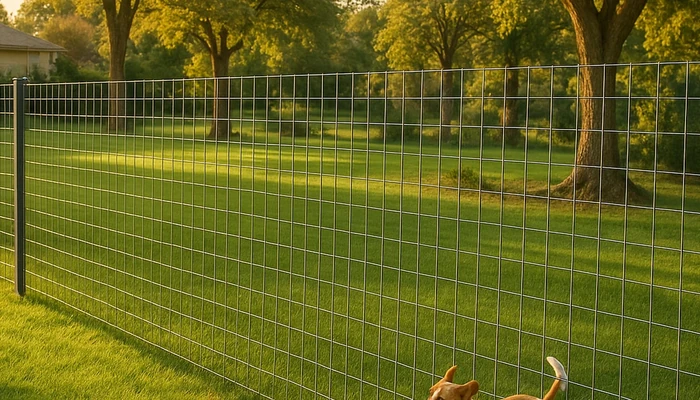
- Common Uses: Gardens, animal enclosures, residential barriers requiring more structure.
- Strengths: Strong, maintains its shape, provides a subtle look, and is pet-friendly.
3. Woven Wire Fencing
- Description: Horizontal and vertical wires woven into rectangular or square patterns.
- Common Uses: Farms, acreage, pet and livestock enclosures.
- Strengths: Flexible under impact, great for uneven surfaces.
4. Specialty and Decorative Options
- Vinyl-coated wire fencing for added weather resistance and color options.
- Custom designs incorporating wood or metal posts for enhanced curb appeal.
The Key Benefits of Wire Fencing for Properties
Affordable Security
Wire fences deliver a strong balance of cost and protection. Chain link is generally considered one of the most affordable kinds of fencing to install and maintain over the long term. Thanks to its see-through design, it doesn’t feel imposing, yet it’s a tough deterrent against unauthorized entry. Welded and woven wire options are ideal for securing pets or livestock without the expense of solid barriers.
Durability in Tough Weather
The Chicago, Illinois climate can be challenging—wind, snow, ice, and summer heat take a toll. Galvanized and coated wire fences stand up to rust and corrosion, especially when properly installed and maintained. For more on local climate considerations, see Choosing the Best Fence Materials Based on Climate.
Low Maintenance Requirements
Compared to wood, wire fences require much less upkeep. Occasional inspections and tightening are usually all that’s needed; recoating is rare with modern materials. Proper installation of posts is the most important factor for long-term success. Read more in Preventive Maintenance for Wire Fences.
Flexible Design Options
- Fits sloped or uneven ground without complicated engineering.
- Various mesh sizes let you balance security and visibility as needed.
- Easily customizable with privacy slats, climbing deterrents, or decorative elements for a tailored look.
Visibility and Safety
Because wire fencing is see-through, it keeps areas visible—important for playgrounds, pools, or where you want both safety and clear sight lines. Many homeowners and property managers appreciate being able to monitor children or pets within a secure, unobtrusive barrier.
Eco-Friendly and Sustainable
Many wire fences are made using recycled steel and other metals, and they are themselves recyclable at end of life. Minimal painting or chemical treatments are needed, making them a smart option for eco-conscious property owners.
Comparing Wire Fencing with Other Fence Types
| Feature | Wire Fencing | Wood Fencing | Vinyl Fencing | Wrought Iron |
|---|---|---|---|---|
| Cost | Low | Medium | Medium-High | High |
| Maintenance | Minimal | Regular painting/sealing | Minimal | Painting/some rust |
| Privacy | Limited (can add slats) | High | High | Limited |
| Installation Time | Fast | Medium | Medium | Slow |
| Security | Good | Good | Good | Excellent |
| Visual Impact | Open, unobtrusive | Solid, blocks view | Solid or open | Ornamental |
| Eco-Friendliness | High, recyclable | Renewable (if sourced responsibly) | Mixed (depends on manufacturing) | Recyclable |
For a deeper dive into how wire fencing stacks up against other types, see Top 5 Fence Materials: Which is Best for Your Property?
Top Use Cases for Wire Fencing
- Securing backyards and side lots where clear views are preferred
- Commercial property perimeters—warehouses, factories, parking lots
- Pools and playgrounds (when built to code)
- Pet and child containment
- Garden enclosures and protecting landscaping
- Temporary or movable fencing for events, construction, or disaster response
See more creative and functional ideas at Creative Wire Mesh Fence Designs and Stylish Wire Mesh Fence Ideas.
Key Considerations Before Choosing Wire Fencing
1. Local Codes and HOA Rules
Fence height, location, and materials are often regulated by municipalities or homeowners’ associations. In Chicago, specific codes apply to both residential and commercial properties. Always check with local authorities, and consider reviewing the Security Industry Association’s industry standards for best practices.
2. Security Needs & Property Use
- For high-security environments, consider additional features like barbed wire or powered gates (automatic security gates).
- If privacy is a top priority, explore adding slats or combining wire with privacy panels.
- For pool fencing, double-check compliance with safety codes (pool safety compliance).
3. Climate and Site Conditions
- Choose galvanized or vinyl coatings for resistance to rain, snow, and salt in harsh Midwest winters.
- Consider ground movement or frequent freeze-thaw cycles, which affect post installation.
4. Budget and Long-Term Value
Wire fencing often provides the most value per dollar spent over a 10–20 year period, especially when compared to wood (which requires more maintenance and has a shorter lifespan in tough climates). For an overview of cost factors, visit Evaluating Fencing Installation Costs.
Installation: What to Expect From a Professional Wire Fence Project
While wire fence installation can be attempted as a DIY project on small properties, the results and long-term durability are usually better when working with experienced contractors—particularly in areas like Chicago, Illinois where soil and weather present unique challenges. A typical installation includes:
- Site planning: Marking property lines, checking for underground utilities, and reviewing regulations.
- Post installation: Ensuring posts are set deep enough for frost resistance and alignment.
- Attaching wire mesh: Tensioning and securing the fence fabric for strength and appearance.
- Gates and finishing touches: Ensuring smooth operation, code compliance, and proper finishing to resist corrosion.
For a detailed look, see Effective Methods to Install Wire Mesh Fences and Detailed Instructions for Mesh Fences. Always consult a professional for complex properties or if you require high-security installations.
Maintenance and Longevity: Protecting Your Investment
Wire fences require less frequent maintenance compared to wood or elaborate wrought iron options. However, regular checks increase their lifespan:
- Inspect for rust, especially at joints or if the coating is damaged.
- Keep posts stable and secure by tightening fittings as needed.
- Remove vegetation or debris from the base of the fence to prevent premature corrosion.
- Re-coat scratches with manufacturer-recommended products when needed.
Properly maintained, quality wire fences can last 15–30 years (or more) even in Chicago’s challenging weather. For more, consult Preventive Maintenance for Wire Fences.
Common Questions About Wire Fencing (FAQ)
What is the average lifespan of a wire fence?
With quality materials and installation, most wire fences last 15–30 years. Regular inspections and minor repairs extend this range; harsh conditions and lack of maintenance can shorten it.
Can wire fences provide enough privacy?
Standard wire fences are see-through, but privacy can be increased by adding slats, attaching screening, or planting hedges along the line. Explore Enhance Your Property’s Appeal for privacy-boosting tips.
Are wire fences safe for pets and children?
Yes, with proper mesh size and secure installation. Smaller openings prevent escapes or injury. For guidance, see Are Chain Fences Safe for Pets?.
Do wire fences meet local code requirements?
If installed according to city and HOA regulations, yes. Always check the latest rules for height, set-back, and material requirements in your area before purchasing or building.
How does wire fencing stand up to weather?
Galvanized or vinyl-coated options resist rust and the freeze-thaw cycle effectively. However, poorly installed or damaged fences can be vulnerable, especially at posts or joints.
Can I install a wire fence myself?
DIY is possible for simple, small fences, but larger or more complex jobs benefit from professional expertise—especially in challenging soil or terrain. Read Easy DIY Wire Mesh Fence for tips on project suitability.
Is wire fencing eco-friendly?
Yes. Many wire fence products are made from recycled materials and are fully recyclable at end-of-life. Minimal paints or treatments are needed.
What about warranty and support?
Quality contractors typically provide both a manufacturer’s product guarantee and a workmanship warranty. Always confirm coverage details before signing a contract.
How do costs compare to other fencing?
Wire fences are among the most cost-effective, sometimes costing less than half as much as wood or vinyl alternatives. For a case-by-case breakdown, consult Evaluating Fencing Installation Costs.
Can wire fencing increase property value?
While not as visually prominent as decorative options, a well-installed, attractive fence can improve perceived value—especially for pet owners and security-conscious buyers. Learn more at benefits that can have a positive impact on property value.
Is Wire Fencing the Right Choice for You? Next Steps & Expert Guidance
Determining if wire fencing meets your needs depends on site specifics, budget, and priorities.
- If low maintenance, cost-effectiveness, and durability are high on your list, wire fencing should be a strong contender.
- When privacy or high aesthetics are critical, consider combining wire with privacy panels or decorative posts.
- For unique security needs, specialty wire products or integration with gates can deliver customized solutions.
Ready for next steps? We encourage you to request a fence estimate or talk to our fence specialists to discuss your property’s requirements. For more inspiration or understanding of wire fencing innovations, explore Ultimate Guide to Wire Fencing.
About Chicagoland Fence Pros
Chicagoland Fence Pros has over 15 years installing residential and commercial fences for Chicago, Illinois and surrounding communities. We specialize in chain link, wire, wood, vinyl, aluminum and steel fencing—always focusing on code-compliance, property value, and safety. Our team is licensed, insured, and dedicated to recommending the best fence for your needs—delivering honest guidance from quote to final inspection.
fence contractors chicago, residential yard fence, residential backyard fence chicago, residential yard fence Batavia, residential fencing Oak Lawn, residential fences Streamwood, privacy residential fence Lake In The Hills, residential fencing Glenview, home fence Orland Park, residential fence repair Wood Dale
