
Durable Steel Fence Posts: A Guide
Choosing the right fence posts is a critical step in building a fence that stands the test of time. For homeowners and property managers in Chicago, Illinois, weather resistance, durability, and security are essential factors in selecting a reliable fencing system. Durable Steel Fence Posts: A Guide is designed to help you understand your options, demystify trade-offs, and give you practical knowledge for making the best decisions for your property. In this guide, you’ll learn about types of steel posts, their longevity, realistic maintenance needs, and how they compare to other post materials commonly used in the region. Chicagoland Fence Pros brings years of Chicago-area experience to shed light on what truly matters when it comes to steel fence posts and perimeter security. By the end, you’ll understand how to choose, install, and care for steel posts—ensuring security, curb appeal, and lasting value.
What Are Steel Fence Posts?
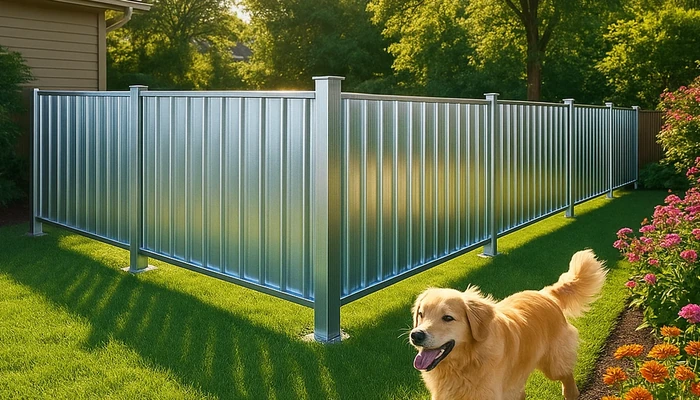
Steel fence posts are vertical supports for various fencing materials, made primarily of galvanized or protected steel. They’re used in residential, commercial, and industrial applications where strength and longevity are top priorities. Compared to wood or vinyl posts, steel offers enhanced resistance to weather, pests, and impact.
Main Types of Steel Fence Posts
- Galvanized steel posts: Coated with zinc to resist rust and corrosion.
- Powder-coated steel posts: Finished with a durable powder paint for added protection and color.
- Stainless steel posts: High rust resistance, typically used in specialty or high-moisture areas.
- Heavy-gauge structural steel posts: Designed for maximum load-bearing and security, often in commercial or high-traffic settings.
Why Choose Steel Fence Posts?
Material choice impacts the entire life cycle of your fence. Steel posts provide:
- Exceptional strength against wind, impact, and shifting soil.
- Consistent performance in harsh Midwest weather, from deep freezes to heavy rains.
- Long-term savings with low maintenance and reduced replacement cycles.
- Versatile compatibility with chain link, composite, wood, or decorative panels.
- Improved perimeter security, helping deter unauthorized access.
For more on material choices suited to local conditions, see Choosing the Best Fence Materials Based on Climate.
Types of Steel Posts and Their Features
| Type | Main Benefit | Best For | Maintenance |
|---|---|---|---|
| Galvanized | Corrosion resistance | Residential & general use | Minimal; check for scratches |
| Powder-coated | Color & extra protection | Visible/ornamental fences | Clean & touch up if chipped |
| Stainless Steel | Highest rust resistance | Coastal/high-moisture sites | Occasional cleaning |
| Heavy-Gauge Structural | Maximum strength | Commercial/security | Inspect welds & anchors |
Steel Posts vs. Other Post Materials: Comparison
How do steel fence posts stack up against wood, vinyl, or composite alternatives? Here’s a quick comparison:
| Material | Durability | Maintenance | Security | Cost (Est.) | Environmental Impact |
|---|---|---|---|---|---|
| Steel | Excellent | Low | High | $$ | Recyclable |
| Wood | Moderate (prone to rot) | High | Medium | $ | Renewable, variable lifespan |
| Vinyl | Good | Low | Low-Med | $$ | Plastic, not always recyclable |
| Composite | Good | Moderate | Medium | $$$ | Varies |
Weather Considerations for Steel Fence Posts in Chicago
From harsh winters to summer storms, Chicago’s climate can quickly expose weaknesses in fence construction. Steel posts, especially those protected with galvanized or powder coatings, are ideally suited for these fluctuating conditions. Their ability to withstand freeze-thaw cycles reduces the risk of leaning or heaving, common in wood or lighter materials.
See our insights on Steel Posts: The Future of Fence Construction for more expert analysis.
Coatings and Corrosion Protection: How Steel Posts Stay Strong
The main enemy of steel is corrosion, but quality coatings dramatically prolong post lifespan. Industry-standard options include:
- Hot-dip galvanizing: Immerses the post in molten zinc to form a protective shell, as outlined by organizations like the American Galvanizers Association.
- Duplex coatings: Combine galvanizing with powder paint for a double layer of protection and customized color; see duplex coating specifications.
Regularly inspecting coatings and promptly repairing any chips or scratches prevents rust from gaining a foothold, maximizing service life.
Understanding Building Codes and Permits for Steel Fence Posts
Chicago and many nearby towns require fences to comply with local ordinances. Common requirements include setback distances, maximum heights, and footing depth for posts. Steel posts often facilitate code compliance because of their predictability and structural integrity.
- Check with your municipality or HOA for specifics before installation.
- Use only code-compliant materials and footing methods.
For navigation help, see our guide to Navigating Local Fence Regulations.
Installation: Best Practices and Tips for Longevity
Proper installation is essential to getting the full value from steel fence posts. Here’s a high-level overview:
- Planning: Mark property lines, utilities, and layout before digging.
- Post Hole Depth: In Chicago, frost depths of 36+ inches are common. Footings must reach below frost line to prevent frost heave.
- Set Posts in Concrete: Keeps posts upright, stable, and secure.
- Plumb & Level: Double-check alignment as concrete sets to avoid crooked posts.
If you are unsure, consider working with a pro for your steel post installation. For quick fence projects, refer to Quick Wire Fence Installation.
Maintenance Tips for Steel Fence Posts
- Inspect annually for rust, scratches, and loose hardware.
- Clean with water and mild detergent if dirty or after exposure to de-icing salts.
- Touch up damaged coating or paint immediately.
- Tighten all bolts and brackets periodically.
Simple preventive care can extend the lifespan of a steel fence system by years. For full guidance, see Process to Ensure a Successful and Long-Lasting Installation.
Steel Fence Posts in Security and Privacy Applications
Steel posts are an excellent foundation for:
- Chain link security fencing (see our service page for options)
- Composite and solid panel fences for privacy (compare designs in the Ultimate Guide to Fence Designs)
- Custom iron railings and perimeter boundary solutions
From our experience as a fence company in Chicago, Illinois, steel posts provide superior resistance to tampering and environmental threats, making them the preferred choice for many schools, commercial lots, and multi-unit properties.
Environmental Impact and Recycling Considerations
Steel is highly recyclable; most steel posts contain recycled content and can be recycled at end-of-life. Choosing steel supports the circular economy and long-term environmental responsibility. For the eco-conscious, ensure coatings are also eco-friendly and comply with EPA standards.
Realistic Lifespan and What to Expect
With quality coatings and good installation, galvanized steel posts can last 20–40 years in typical Midwest conditions. Heavy-duty or stainless posts may offer even longer durability. The main risks to longevity are physical impacts (vehicle strikes, heavy limbs), chronic water pooling, or neglecting minor repairs.
Cost Factors: Understanding the Full Investment
- Material grade and coatings — Higher-grade and coated steel costs more upfront but saves on replacements.
- Height and thickness — Taller or thicker posts for security/or commercial use add cost.
- Labor — Professional installation recommended, especially for code compliance.
- Permits and inspections — Factor in any city permit fees for fence construction.
Overall, steel fence posts offer mid-range to premium upfront costs, with excellent long-term value. For a full cost assessment, see Evaluating Fencing Installation Costs.
When to Call a Professional
Consider professional help if:
- Property boundaries are unclear.
- The installation site has challenging soil or grades.
- Permits, inspections, or HOA approvals are required.
- You need custom security or privacy fence solutions.
You can contact Chicagoland Fence Pros to request a fence estimate or discuss project specifics with a local expert.
Related Fence Materials and Options
If you’re still weighing your options beyond steel, compare:
- Aluminum fencing for decorative, rust-free boundaries.
- Vinyl fencing for low-maintenance privacy.
- Wood fencing for classic curb appeal and natural warmth.
- Composite fencing for premium longevity.
Each material has strengths and limitations. For help choosing, see Top 5 Fence Materials: Which is Best for Your Property?.
FAQ: Steel Fence Posts for Homeowners and Property Managers
- How long do steel fence posts last?
Depending on coating and conditions, 20–40 years is typical. Routine inspection and maintenance are key to maximum lifespan.
- Are galvanized and stainless steel posts the same?
No. Galvanized posts are coated for rust resistance; stainless steel is an alloy with built-in corrosion protection. Galvanized is standard for most uses, stainless is reserved for specialty sites.
- What is the best way to prevent rust on steel posts?
Use posts with high-quality galvanizing or powder coating, install with care to avoid marring the finish, and touch up any exposed areas promptly. See best practices here.
- Can steel posts be used with wood or vinyl fence panels?
Yes, steel posts can support a range of fence materials, improving strength, especially in high-wind or wet ground conditions.
- What should footing depth be for steel fence posts in Chicago?
Typically 36–42 inches, below the frost line. Confirm locally as codes and soil conditions may vary.
- Are steel posts more secure than wood?
Yes. Steel is less prone to breakage, vandalism, or decay, making it ideal for security- or privacy-focused projects.
- Can I paint steel fence posts?
Yes, but always use metal-appropriate, outdoor-rated paints and prep the surface for best adhesion.
- Do steel posts require special installation tools?
Standard hand tools (post-hole digger, level, concrete mixer) suffice for most projects. Heavy-duty posts may need power augers or bracket fasteners.
- Do I need a permit for a steel fence in Chicago?
Yes, permits are needed for most new or replacement fences. Always check with your municipality for the latest requirements. For help, see Navigating Local Fence Regulations.
- Will steel posts work with electric or security gates?
Absolutely. Steel is recommended for high-use gates or automated systems due to its strength and load-bearing capabilities.
Conclusion: Durable Steel Fence Posts—A Smart Choice for Chicago Properties
Understanding the advantages and considerations of durable steel fence posts helps homeowners and property managers make informed decisions for privacy, security, and value. In the Chicago, Illinois area, where building codes and Midwest weather affect every construction project, steel offers unmatched resilience—and with proper installation and maintenance, delivers decades of reliable service.
If you’d like expert advice on selecting or installing steel fence posts, contact Chicagoland Fence Pros or request a commercial estimate for your property.
About Chicagoland Fence Pros
Chicagoland Fence Pros is a professional fence company with over 15 years installing fences in the Chicago, Illinois area. The team serves homeowners and businesses throughout Chicago and nearby communities, specializing in wood, steel, aluminum, vinyl, and composite fencing for residential and commercial projects. Licensed, insured, and code-compliant, Chicagoland Fence Pros provides expert advice, honest estimates, and quality craftsmanship on every job.
fence installation in Chicago, Wrought Iron Staircases in Chicago, fence contractors near chicago, residential yard fence, pool fence chicago, privacy residential fence Wheaton, residential yard fence Forest Park, residential fence repair North Chicago, residential fencing Zion, pool fence Morton Grove