 Skip to content
Preventive Maintenance for Wire Fences: In-Depth Guide for Homeowners and Property Managers
Wire fences are a popular, cost-effective solution for securing property boundaries and ensuring privacy. Yet, like any outdoor feature, they require proper preventive maintenance to stand the test of time, weather, and daily demands. Without routine care, issues such as rust, sagging, or weak spots can reduce a fence’s security and visual appeal, leading to expensive repairs or replacement down the line. Preventive maintenance for wire fences is the key to avoiding these headaches—especially in climates with harsh winters and wet springs, like Chicago, Illinois.
This in-depth guide will teach you everything you need to know about caring for your wire fence. We’ll cover fundamental maintenance techniques, how to spot and fix common problems, how material choices affect durability, and why regular attention can save you time and money. Whether you are a first-time homeowner, a property manager, or simply weighing fencing options, you’ll gain the confidence to understand, maintain, and maximize your investment in wire fencing.
Throughout the article, we’ll draw from the years of experience of Chicagoland Fence Pros—a trusted name in fence solutions for the Chicago, Illinois area.
Understanding Wire Fences: Types and Key Features
Wire fencing, a staple for both residential and commercial applications, comes in various designs, each with strengths and drawbacks. Understanding the types helps you tailor maintenance strategies and set realistic expectations for longevity.
Main Types of Wire Fences
- Chain Link: The most common, with interwoven steel wires creating a see-through barrier. Used for yards, playgrounds, and commercial lots.
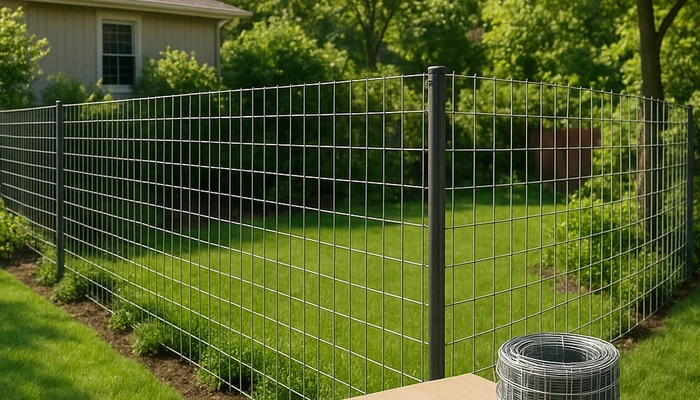
- Welded Wire Mesh: Grids of welded steel are more rigid than chain link, often used for gardens and animal enclosures.
- Woven Wire: Sometimes called field or farm fence, this is made from woven horizontal and vertical wires. Ideal for larger properties, especially rural or agricultural use.
- Barbed Wire: Features sharp barbs; mostly for agricultural or restricted areas rather than homes.
- Electric Wire Fencing: Conducts electricity to deter animals or trespassers—requires special maintenance and code considerations.
Each type requires similar core maintenance but may have unique needs based on construction and use.
Why Choose Wire Fencing?
- Durable and resilient, with options for galvanized or vinyl coatings
- Cost-effective compared to many alternatives
- Allow visibility, aiding supervision and property monitoring
- Adaptable to a wide range of property types and uses
To learn more about wire mesh fencing applications and protection, read Wire Mesh Fence Protection.
The Importance of Preventive Maintenance
Preventive maintenance is proactive care that prevents minor problems from becoming major repairs. It focuses on regular inspection, cleaning, small fixes, and protection against common hazards. Here’s why it matters:
- Increases Fence Lifespan: Corrosion and physical damage are stopped early, extending usable years.
- Makes Repairs Inexpensive or DIY-Friendly: Small fixes are far easier than full replacements.
- Keeps Security and Privacy Intact: A well-maintained fence does its job—deterring trespassers, containing pets, and protecting children.
- Protects Appearance and Property Value: Rusted, bent, or sagging fences can detract from your property’s curb appeal.
From our experience as a fence company in Chicago, Illinois, consistent care is especially critical given the region’s freeze-thaw cycles and moisture.
For more tips on maximizing fence durability, explore resources from the Door & Access Systems Manufacturers Association at DASMA.
Routine Maintenance Checklist: Keeping Wire Fences in Top Shape
A detailed preventive maintenance checklist ensures nothing gets overlooked during seasonal or annual fence inspections. Here’s a comprehensive list:
- Visual Inspection
- Walk the perimeter at least twice a year, ideally in spring and fall.
- Look for leaning posts, sagging wire, broken ties, or rust spots.
- Check gates and hinges for smooth operation; misalignment may indicate ground movement.
- Cleaning
- Remove debris, weeds, and vegetation from the fence line to prevent moisture build-up.
- Clean muddy or dirty areas with water and a mild detergent if needed.
- Rust Prevention and Repair
- Treat small rust spots with a wire brush and rust-inhibiting primer; repaint if necessary.
- Touch up or reapply coatings for galvanized or vinyl fences as required.
- Hardware Check
- Tighten loose fittings, nuts, bolts, and ties.
- Lubricate moving parts like gate hinges or latches.
- Structural Repairs
- Straighten bent wires using pliers.
- Replace broken sections or tension bands.
- Re-anchor loose posts with gravel or concrete as needed.
- Vegetation Control
- Prune back shrubs or tree branches to prevent pressure or droppings on the fence.
- Avoid piling mulch or soil against the fence base (moisture can accelerate rot/corrosion).
Following this sort of checklist is key to maintaining both security and appearance. For a more step-by-step approach, see Detailed Instructions for Mesh Fences.
Common Issues with Wire Fences and How to Handle Them
Even with preventive maintenance, wire fences face certain recurring problems. Here’s how to recognize and address the most common ones:
Rust and Corrosion
- Caused by prolonged exposure to wet conditions, salt, and damaged coatings.
- Solution: For small spots, sand and repaint with anti-rust paint. Large-scale rust may require section replacement.
Sagging or Loose Wires
- Due to soil movement, heavy loads, or aging hardware.
- Solution: Tighten tension wires and replace missing ties. Reinforce or re-set posts if needed.
Bent or Leaning Posts
- Often a result of frost heave (freeze/thaw cycles), impacts, or settling.
- Solution: Re-set or replace posts in concrete; brace with gravel if minor.
Broken or Detached Mesh
- From impacts, cutting, or wear at high-traffic areas.
- Solution: Cut out broken sections and splice new mesh in.
Vegetation Encroachment
- Plants can pull at wires, conceal damage, and hold in moisture.
- Solution: Regularly trim and clear plant material from the fence border.
If you are unsure how to tackle a repair, or if you notice extensive damage, consult a fence professional. For more tips, see Essentials of Wire Mesh Fencing.
Comparing Wire Fence Materials: Durability, Cost, and Maintenance Needs
Not all wire fences are created equal. The choice of material impacts both how often you’ll need to perform preventive maintenance and what issues you might face. Below is a comparison of popular wire fence materials:
| Type | Durability | Maintenance Needs | Typical Lifespan | Relative Cost |
|---|---|---|---|---|
| Galvanized Steel Chain Link | High | Low; periodic rust inspection | 15–20 years | $$ |
| Vinyl-Coated Chain Link | Very High | Very Low; less rust | 20+ years | $$$ |
| Welded Wire Mesh | Medium–High | Check welds; watch for rust | 10–20 years | $$ |
| Classic Woven Wire | Medium | Replace ties; watch sagging | 10–15 years | $ |
| Barbed Wire | High | Check for breakage/corrosion | 10–20 years | $ |
Material upgrades like vinyl coatings or higher-gauge wire can often pay for themselves in reduced maintenance and longer fence life. For insight into choosing materials by weather, see Choosing the Best Fence Materials Based on Climate.
Weather Considerations and the Chicago, Illinois Climate
Wire fences in Chicago, Illinois must withstand freezing winters, wet springs, hot summers, and sometimes rapid temperature swings. Here are key weather-related maintenance tips:
- Inspect after winter: Freeze-thaw cycles can loosen posts or create cracks.
- Look for salt exposure: De-icing salt can accelerate corrosion; rinse fence bases in early spring.
- Wind perks: Regularly ensure tension wires are taut, as storms may loosen sections.
- Snow care: Remove heavy snowdrifts—weight can pull wires and snap fasteners.
Homeowners in Chicago, Illinois often see fence performance improve with upgrades like thicker galvanization or vinyl coatings.
DIY Maintenance: What You Can (and Shouldn’t) Do Yourself
Many preventive maintenance tasks for wire fences are safe for DIY if you have basic tools and take precautions. However, some issues are best left to pros to avoid personal injury or compromising fence integrity.
Good DIY Tasks
- Cleaning, weed removal, visual inspections, and post-tightening.
- Brushing and treating minor rust spots.
- Replacing simple tie wires or light hardware.
When to Call a Professional
- Major fence sagging or leaning posts.
- Extensive rust or multiple broken sections.
- Repairing electric or high-security fences.
- If unsure about safety/code compliance.
If you’re considering a DIY upgrade or repair, check out APAWood’s builder tips for more detailed safety guidance.
Code Compliance and Safety Tips
Every municipality, including Chicago, Illinois, sets out specific rules and codes for fencing. Ignoring these may lead to fines or forced fence removal.
- Fence Height & Setback Rules: Minimum and maximum heights, and how close you can build to a property line, often apply.
- Material and Visibility Codes: Some communities require specific designs for corner lots or high-traffic areas.
- Pool and Security Fences: Additional child safety and lock requirements may be in place for pools or hazardous sites.
Always check local codes and your Homeowners Association (HOA) rules before any install, repair, or material change. For more details on compliance steps, visit Navigating Local Fence Regulations: A Step-by-Step Guide for Homeowners.
Long-Term Maintenance: Planning, Records, and When Replacement Is Needed
Maintaining a simple log tracking inspection dates, repair locations, and products used can help you stay on top of preventive maintenance. Over time, you’ll notice if a section needs frequent attention and may decide it’s time for an upgrade.
Signs a Wire Fence Needs Replacement
- Widespread rust or corrosion beyond spot repair.
- Multiple leaning or rotted posts.
- Mesh or wire integrity significantly compromised across large sections.
- Hardware repeatedly loosens even after tightening.
Replacement can open the door to upgrades such as higher-gauge wire, vinyl coatings, or switching from basic wire mesh to a more decorative or secure alternative. For fence design inspiration, see Creative Wire Mesh Fence Designs.
Expert Tips: Extending the Life of Your Wire Fence
- Choose galvanized or vinyl-coated wire for new fences.
- Maintain clear zones around the fence; avoid piling lawn/garden material against it.
- Inspect hardware and fasteners annually, especially after big storms.
- Apply rust inhibitors before the first signs of rust, not just after.
- Keep detailed records of repairs and upgrades—this helps with resale and troubleshooting.
Learn more about enhancing fence security with the right hardware and materials at Durable Wire Mesh Fencing.
FAQ: Preventive Maintenance for Wire Fences
- How often should I inspect my wire fence?
At least twice a year (spring and fall), plus after major storms or construction work nearby. Ongoing spot-checks during yardwork are also helpful.
- What’s the most common maintenance mistake homeowners make?
Ignoring early signs of rust or letting vegetation grow into the fence, both of which can accelerate damage.
- Can I paint a galvanized wire fence?
Yes, but it requires cleaning, priming, and using paint formulated for metal. This is most effective on older fences where the galvanization is wearing thin.
- What’s the best way to protect my fence from winter damage?
Keep the fence line clear of snow build-up, monitor posts after freeze/thaw, and rinse away any salt applied to nearby walkways or roads come spring.
- How do I keep pets safe with wire fences?
Regularly check for gaps or damaged sections where pets might squeeze through and confirm that the height and wire gauge are appropriate for your animals. See more at Are Chain Fences Safe for Pets?.
- Who is responsible for fence maintenance along a shared property line?
This is usually defined by local ordinances or your property agreement. Always discuss concerns and plans with neighbors before making changes.
- How can I tell if I should repair or replace my wire fence?
If more than 25–30% of the fence shows major rust, sagging, or hardware failure, a replacement is usually more economical over time.
- Is DIY repair safe?
Many tasks are DIY-friendly, but fence replacement, working with electric fencing, or addressing major structural issues should be left to experienced professionals.
- Are there eco-friendly fence maintenance options?
Eco-friendly coatings and non-toxic rust treatments are available. Using recycled materials for repairs or opting for durable, longer-lasting wire types also reduces environmental impact.
- Do I need a permit for wire fence repairs?
Minor repairs typically don’t require permits, but replacing long sections, moving posts, or installing electrified fence elements might. Check with your local building department.
Conclusion: Maximizing Wire Fence Lifespan Through Preventive Care
Preventive maintenance for wire fences is an investment in safety, security, and property value. With regular inspections, timely repairs, and thoughtful upgrades, homeowners and property managers—especially in climates like Chicago, Illinois—can expect years of reliable service from their fences.
If you’re considering a new installation or wondering if your fence needs a professional touch, request a fence estimate or contact Chicagoland Fence Pros for honest advice and solutions tailored to your property’s needs. For more ideas and guidance, browse our ultimate guide to wire fencing.
About Chicagoland Fence Pros
Chicagoland Fence Pros has over 15 years of experience installing and maintaining fences for homeowners and businesses throughout Chicago, Illinois, and nearby communities. Our team specializes in residential and commercial fencing—including wood, vinyl, aluminum, and steel—always focusing on code-compliance, local climate durability, and straightforward guidance. Fully licensed and insured, Chicagoland Fence Pros delivers expert service for lasting security, privacy, and property value.
fence contractor chicago il, residential fence repair, privacy residential fence chicago, residential fences Des Plaines, residential backyard fence Broadview, residential fence repair Evanston, garden fence Glenview, home fence Villa Park, residential fence repair Wood Dale, residential yard fence Franklin Park
