
Wire Mesh Fence Protection: The Complete Guide for Homeowners and Property Managers
Choosing the right fence for your property means balancing security, privacy, cost, and curb appeal—especially for first-time fence buyers. Wire mesh fence protection is one of the most popular solutions, recognized for its strength, versatility, and budget-friendly nature. In the Chicago, Illinois area, where weather, local codes, and property values matter, understanding what wire mesh fencing offers is essential before making a decision. This in-depth guide walks you through the types, materials, benefits, trade-offs, and realistic expectations around wire mesh fence protection, helping you make a confident and informed choice. Chicagoland Fence Pros brings years of experience to this topic, ensuring homeowners and property managers can navigate all considerations with clarity.
Understanding Wire Mesh Fence Protection
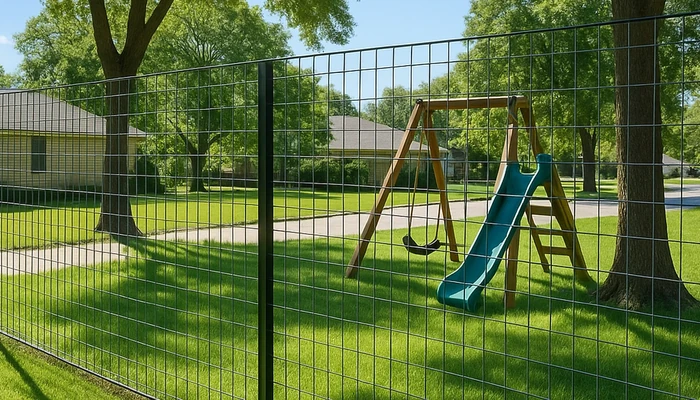
Wire mesh fence protection refers to the use of interlinked steel or aluminum wires to create a strong, see-through barrier for residential and commercial properties. These fences, often known as chain link or welded mesh, deliver reliable perimeter security while maintaining visibility and airflow. Whether securing a backyard, enclosing a parking lot, or protecting a playground, wire mesh fences serve as practical, code-compliant solutions that align with various security and privacy requirements.
Types of Wire Mesh Fences
- Chain Link Fencing: The most common wire mesh design, featuring woven galvanized or coated wires creating a diamond pattern. Offers excellent durability and straightforward installation for both homes and businesses.
- Welded Wire Mesh: Composed of wires welded at intersections, forming a rigid panel suitable for enhanced security or decorative borders.
- Vinyl-Coated Mesh: Wire mesh that is coated with a colored polymer vinyl for added corrosion resistance and visual appeal.
- Expanded Metal Fencing: Sheets of steel or aluminum cut and expanded to create a mesh, popular for high-security or industrial applications.
Benefits of Wire Mesh Fence Protection
- Security: Effective deterrent against intruders, animals, and trespassers. Option to increase security with added height, barbed wire, or privacy slats.
- Durability: Galvanized or vinyl coatings resist rust and damage, even in tough Midwest climates. For detailed weather performance, see this resource on galvanizing.
- Cost-Effectiveness: Lower material and installation costs compared to solid wood or composite fences. Minimal repairs due to the robust structure.
- Visibility and Airflow: Unlike solid fences, mesh designs allow you to see through, making them ideal for playgrounds, pet areas, and where surveillance is important.
- Customizability: Available in various heights, thicknesses, coatings, and with accessories like privacy slats or decorative posts.
Applications: Where Wire Mesh Fences Excel
Residential Use
- Backyard boundaries: Define property lines without blocking views
- Children’s play areas and pet enclosures: See Are Chain Fences Safe for Pets?
- Garden and pool protection: Keeps animals out, meets many local safety codes
Commercial and Industrial Use
- Parking lots and business perimeters: Prevents unauthorized access and secures equipment
- Sports fields, playgrounds, and schools: Offers safety while maintaining clear sightlines for supervision
- Storage yards and industrial zones: Heavy-duty options available for high-security scenarios
Material Choices for Wire Mesh Fences
| Material | Pros | Cons |
|---|---|---|
| Galvanized Steel | Highly durable, rust-resistant | Industrial appearance, can corrode over decades |
| Vinyl-Coated | Extra protection, color options | Slightly higher upfront cost |
| Aluminum | Lightweight, rustproof, easy to shape | Less impact resistance than steel |
| Stainless Steel | Maximum corrosion resistance and strength | Most expensive option |
For more on selecting the best materials for the Midwest climate, check our guide on fence materials for Chicago weather.
Installation Process: What to Expect
- Assessment and Planning: Begin by measuring the property, checking zoning ordinances, and obtaining permits if required. Consult your local municipality for the latest regulations.
- Material Selection: Choose wire gauge, mesh type, posts (steel, aluminum, or composite), and coatings that match your needs.
Further tips can be found in our effective methods to install wire mesh fences guide. - Post Installation: Set fence posts into concrete for stability and longevity. Proper spacing and alignment are crucial.
- Attaching Mesh/Fabric: Secure wire mesh to the posts using tension bands and fasteners, stretching the fence for a tight, clean look.
- Finishing Touches: Add gates, privacy inserts, or security upgrades as needed. Complete an inspection to ensure compliance with codes.
Cost Factors & Budgeting for Wire Mesh Fences
Wire mesh fences offer one of the most cost-effective perimeter solutions. Costs vary based on fence height, material, coating, total linear footage, access gates, and site conditions (grading, underground utilities).
Chicago homeowner tip: Permit fees, mandated materials, and code requirements can affect your budget. For accurate estimates, compare multiple quotes and verify that all labor and material costs are transparent—see how to evaluate fencing costs.
Typical cost range (as of 2024):
- Basic chain link (4 ft. height, galvanized): $19–$28 per linear foot installed
- Vinyl-coated mesh (5–6 ft. height): $30–$44 per linear foot installed
- Specialty/industrial mesh or custom gates increase costs
Always request itemized quotes and ask about warranties on both materials and installation labor.
Compliance and Local Codes in Chicago, Illinois
Knowing your legal obligations keeps your project smooth and dispute-free. In Chicago, fence height, permitted materials, and placement near property lines may be regulated in residential and commercial zones. Homeowners’ associations (HOAs) may also have their own standards for appearance and maintenance.
- Secure permits before work begins
- Check for utility lines before digging (call 811 in Illinois)
- Confirm you’re not encroaching on neighbors’ land
For step-by-step help, our local fence regulation guide is tailored for Chicago-area residents.
Wire Mesh Fence Maintenance and Longevity
Properly installed wire mesh fences are built to last—especially when suited for the Midwest’s freeze-thaw cycles. Routine maintenance ensures security and appearance are preserved.
- Conduct annual inspections for rust, bent mesh, or loose fittings
- Oil or lubricate gate hinges as needed
- Promptly patch or repair any holes or vandalism to prevent worsening
- Keep the base of the fence clear of debris, weeds, and soil buildup
For a detailed care checklist, review our wire fence maintenance tips.
Well-galvanized and vinyl-coated fences can easily last over 20 years with minimal care, thanks to advances in protective coatings—learn more about hot-dip galvanizing.
Upgrades and Accessories for Enhanced Protection
- Privacy Slats: Inserted into the mesh for visual privacy (various colors/styles available).
- Barbed Wire or Razor Ribbon: For high-security applications in commercial or restricted areas.
- Bottom Rails or Tension Wire: Prevent pets from pushing under the fence.
- Automated Gates: Enhance convenience and access control; see automatic security gates.
- Decorative Post Caps: Add a finished, stylish look to your fence.
Weather and Longevity Considerations in Chicago
From ice and snow to summer sun, Chicago’s extreme weather causes rust, leaning posts, and freeze damage if fences aren’t built for the climate. Galvanized steel and vinyl coatings are proven defenses—refer to our primer on cyclone mesh weather resistance.
Routine checks after storms and seasonal care can add years to your fence’s life. For advanced protection or unusual site conditions, consult a specialist like Chicagoland Fence Pros.
Realistic Expectations: What Wire Mesh Cannot Do
- Not completely private: Unless fitted with privacy slats, wire mesh offers only partial screening.
- Aesthetics: While practical, standard mesh may not deliver the premium look of wood, vinyl, or iron.
- Can be breached with tools: Determined intruders with wire cutters can penetrate most mesh fences.
For property owners who need a different mix of privacy and appearance, consider our vinyl fence and wood fence options, or composite fencing for durability and style.
Comparing Wire Mesh to Other Fence Types
| Feature | Wire Mesh | Wood | Vinyl | Wrought Iron |
|---|---|---|---|---|
| Cost | Low | Medium-High | Medium | High |
| Maintenance | Low | Medium-High | Low | Medium |
| Security | High | Medium | Medium | Very High |
| Privacy | Low* | High | High | Medium |
| Aesthetics | Functional | Natural/Custom | Sleek/Modern | Classic/Elegant |
| Lifespan | 20+ yrs | 10–15 yrs | 20–30 yrs | 20–40 yrs |
*Privacy can be added with slats or screens.
Frequently Asked Questions About Wire Mesh Fence Protection
- How long will a wire mesh fence last in Chicago?
Properly installed and maintained chain link and wire mesh fences can last upwards of 20 years, especially when galvanized or vinyl-coated to withstand local weather.
- Can a wire mesh fence keep pets and children safe?
Absolutely. Wire mesh is sturdy and the diamond pattern prevents climbing. For extra containment, tension wires and bottom rails can be added.
- Are wire mesh fences secure enough for commercial use?
Yes. Many commercial and industrial properties use heavy-gauge wire mesh or add razor wire for enhanced security. Contact fence professionals for custom solutions.
- Do mesh fences require building permits in Chicago?
In most cases, yes, especially in front yards or for fences over certain heights. Always check with Chicago’s municipal zoning office and your HOA.
- How should I clean or care for my wire mesh fence?
Routine inspection, gentle cleaning with a hose, and occasional tightening of fasteners will extend the life and look of your fence.
- What is the difference between welded wire mesh and chain link?
Chain link uses woven wire with a diamond pattern and some flexibility; welded wire mesh is rigid and the wires are fused at intersections for greater strength.
- Are wire mesh fences suitable for gardens or pool areas?
Yes. They define spaces without blocking light and airflow. For pools, ensure your fence meets all local and state safety codes.
- Can I DIY a wire mesh fence?
Small projects can be DIY, but professional installation is recommended for large runs, uneven terrain, or where code compliance is critical. Refer to our DIY wire mesh fence guide for pointers.
- How does wire mesh compare to solid fencing for privacy?
Mesh fences offer minimal privacy unless retrofitted with slats or screening; for high privacy, wood, vinyl, or composite are better options.
- Does wire mesh fencing rust?
Galvanized and vinyl-coated wire greatly resist rust, but in harsh conditions or if coatings are damaged, minor rust may appear. Prompt touch-ups prevent spread.
Next Steps: Choosing and Installing the Right Fence
Wire mesh fence protection provides reliable security, cost-effectiveness, and flexibility for a wide range of properties. Before starting your project, confirm the fence aligns with your privacy and appearance needs, check local codes, and budget for installation and ongoing care. In the Chicago, Illinois area, working with an experienced team like Chicagoland Fence Pros ensures your investment is code-compliant, visually appealing, and durable for years to come.
Ready to discuss your options, schedule an on-site assessment, or get a clear, no-obligation estimate? Request a wire mesh fence estimate from our specialists today and discover the ideal solution for your property.
More in-depth guides, like our essentials of wire mesh fencing, offer additional details for those looking to learn even more before deciding.
About Chicagoland Fence Pros
Chicagoland Fence Pros has over 15 years of experience installing durable, code-compliant fences throughout Chicago, Illinois and nearby communities. The team specializes in wire mesh, wood, vinyl, aluminum, and steel fences for both residential and commercial projects. Fully insured and focused on honest, clear advice, Chicagoland Fence Pros delivers security, privacy, and style that lasts—always tailored to local codes and property needs.
fence company in chicago, residential fence near me, residential fencing chicago, privacy residential fence Maywood, home fence Libertyville, residential backyard fence Hoffman Estates, residential fence repair Melrose Park, residential fences Lincolnwood, home fence Streamwood, home fence Lake Forest