
Easy DIY Wire Mesh Fence: The Full Homeowner’s Guide
Choosing, building, or even repairing a fence around your property can feel overwhelming—especially if you’re new to fencing. Many homeowners and property managers wonder if a sturdy, attractive, and cost-effective fence can really be a do-it-yourself project. The answer: Yes, with the right information! An Easy DIY Wire Mesh Fence can provide security, privacy, and curb appeal, all while keeping you in control of the process and your budget. This guide explains what wire mesh fencing is, compares it to common alternatives, walks through each installation step, and highlights key considerations like Chicago building codes, materials, and long-term maintenance. Whether you’re replacing a worn perimeter or building a backyard enclosure from scratch, you’ll find the clarity and practical tips needed for confident, code-friendly results.
For more complex projects or code-specific advice, you can consult Chicagoland Fence Pros, who have helped Chicago, Illinois homeowners and businesses with fencing solutions for over 15 years.
What Is a Wire Mesh Fence and Why Choose One?
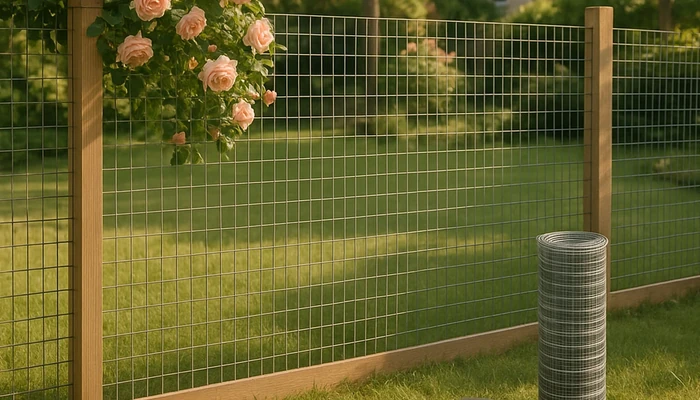
A wire mesh fence is a type of barrier made from woven or welded steel wires, forming a grid or mesh pattern. These fences are flexible in use, affordable to install, and surprisingly durable—even in Midwest climates like Chicago. They are widely used for residential backyards, gardens, pet enclosures, and even commercial properties.
Main reasons to consider an Easy DIY Wire Mesh Fence:
- Cost-effective: Materials and installation are typically less expensive than wood or vinyl fences.
- Durable in harsh weather: Galvanized or coated wires stand up well to snow, rain, and temperature swings.
- Security and visibility: Keeps children and pets enclosed while allowing sightlines through the fence.
- Maintenance-light: Rust prevention and occasional tightening keep these fences functional for many years.
Before diving into DIY installation, it’s smart to compare wire mesh fences to other popular materials.
Comparing Wire Mesh Fences to Other Common Types
| Fence Type | Cost | Durability | Privacy | Maintenance | DIY Difficulty |
|---|---|---|---|---|---|
| Wire Mesh (Chain Link) | $ | High | Low | Low | Easy |
| Wood | $$ | Medium | High | Medium | Medium |
| Vinyl | $$$ | High | High | Low | Medium |
| Aluminum | $$ | High | Medium | Low | Challenging |
For more about each material’s pros and cons, see our post on the top 5 fence materials.
Planning Your DIY Wire Mesh Fence Project
Careful planning helps prevent common mistakes and ensures your fence meets all requirements—especially in cities like Chicago, Illinois, with strict codes.
Key Steps in Planning
- Check Local Codes: Review city building codes and HOA rules. Requirements for fence height, materials, and property lines can vary. Chicago residents can find general safety codes and standards at UL Resources.
- Mark Property Boundaries: If uncertain, refer to your property survey to avoid disputes. Avoid installing fences on a neighbor’s land.
- Call Before You Dig: In Chicago, always contact utility location services before digging.
- Measure Your Perimeter: Accurate measurement ensures you buy the right amount of mesh, posts, and other materials.
- Choose Fence Height and Style: Common heights are between 3 and 6 feet. Higher fences may have special code requirements.
- Gather Permits: You might need a permit for fences above a certain height or type.
For a deeper look at material choices and factors like climate, see Choosing the Best Fence Materials Based on Climate.
Materials and Tools Needed
Here’s what you typically need for a standard residential wire mesh fence:
- Wire mesh fencing (galvanized preferred for weather protection)
- Fence posts (steel or pressure-treated wood)
- Top rails (highly recommended for strength)
- Post concrete mix (for setting posts)
- Wire ties and tension bands
- Gate kit (if needed)
- Measuring tape, pliers, wrench, post-hole digger, shovel, and level
- Protective gloves and safety glasses
When comparing brands and types of wire mesh, check product data from authorities such as The Aluminum Association for aluminum wire standards.
Step-by-Step Installation Guide
1. Layout and Post Installation
- Use stakes and string to outline your fence perimeter.
- Mark post locations every 6–10 feet.
- Dig holes (typically 30 inches deep). Set corner and end posts first, making sure they are plumb and aligned.
- Pour concrete around each post and allow to set according to the manufacturer’s guidelines (usually 24–48 hours).
2. Attach Top Rails
Slide top rails into post fittings for structural support. This prevents sagging of the mesh between posts.
3. Unroll and Attach Wire Mesh
- Unroll mesh along your fence line. Keep it tight and level.
- Begin attaching mesh to one terminal post using tension bands and wire ties.
- Continue along the fence, pulling mesh taut and securing at each post and along top/bottom rails.
4. Install Gates (if needed)
Follow the gate kit instructions. Ensure all hinges and latches operate smoothly and comply with local safety codes.
5. Check and Adjust
- Walk the perimeter, confirm tension and attachment points.
- Trim loose wire ends to prevent injuries.
- Cleanup—dispose of excess materials safely.
For more advanced tips on wire mesh installation, visit Effective Methods to Install Wire Mesh Fences.
Expected Costs and DIY vs. Pro Trade-offs
The cost for an easy DIY wire mesh fence averages $7–$15 per linear foot for materials, with additional expenses for tools and concrete. Hiring professionals adds labor rates but includes warranty and expert installation.
DIY fences can save on cost but require your time and physical effort. Complex properties, sloped yards, or highly regulated neighborhoods may benefit from professional assistance, such as that offered by Chicagoland Fence Pros.
For a full cost breakdown for different fencing types, explore Evaluating Fencing Installation Costs.
Wire Mesh Fence Maintenance for Long Life
Wire mesh fences are favored for their low-maintenance nature. Here’s how to keep yours functional and attractive:
- Conduct annual inspections for rust, loose ties, and gate function.
- Touch up scratches with rust-inhibiting paint if you notice minor corrosion.
- Keep fence bases clear of leaves and soil to prevent moisture buildup.
- Tighten ties and mesh as needed.
Visit our detailed care guide: Preventive Maintenance for Wire Fences.
Privacy, Security, and Customization Options
Although wire mesh fence offers less privacy than solid barriers, you can add vinyl slats, privacy screens, or plantings (like evergreen shrubs or vines) for more seclusion. For enhanced security, consider taller fences and upgraded gate hardware.
For creative upgrades, see Creative Wire Mesh Fence Designs.
To understand layered security and versatility, read The Versatility of Wire Mesh Fences.
Safety and Code Compliance in Chicago, Illinois
Homeowners in Chicago, Illinois, must understand city regulations on fence height, permitted locations (especially near sidewalks or intersections), and approved materials. Check with the local building department for up-to-date code requirements. Always verify that your planned design does not block visibility on corners or infringe on neighbors’ rights.
For a step-by-step process, see our guide to Navigating Local Fence Regulations.
For general standards, consult reputable resources such as UL’s fence codes and safety guidelines.
When to Call In the Pros
While an easy DIY wire mesh fence is well within the reach of many homeowners, some situations call for professional expertise. Consider hiring qualified installers if:
- Your property is sloped, has unusual shapes, or complex entry points.
- Building codes require engineered solutions (e.g., pool fences or security installations).
- You need a warranty or want to avoid potential issues with neighbors or compliance.
Ready for next steps or concerned about specific project challenges? Reach out to Chicagoland Fence Pros for guidance or estimates.
Frequently Asked Questions
How long does a wire mesh fence typically last?
A well-installed galvanized wire mesh fence can last 15–25 years or more, especially in climates with proper maintenance. Inspect annually for rust or damage.
Is a permit required to install a wire mesh fence in Chicago?
Permits are often required for fences above certain heights or in specific locations. Always check with the Chicago building department before starting your project.
Can I use wooden posts with wire mesh fencing?
Yes. Pressure-treated wooden posts are an acceptable choice, but steel posts often offer more durability in wet or snowy environments like Chicago.
How can I add privacy to my wire mesh fence?
Add vinyl slats, privacy screens, or dense plantings. See our inspiration guide on creative wire mesh fence designs.
Are there pet-safe options for wire mesh fences?
Yes. Finer mesh prevents small pets from escaping and can keep wildlife out. For more, see Are Chain Fences Safe for Pets?
What height is best for backyard security?
Four to six feet is standard for backyards. Higher fences may be required for added security or commercial applications, but must comply with city codes.
Can I install a gate myself?
Yes, most gate kits are designed for homeowner installation. Follow instructions closely and ensure all safety requirements are met.
How do I maintain my wire mesh fence during winter in Chicago?
Clear snow away from the base, check for ice buildup, and look for signs of rust. Maintenance tips can be found in our post on Preventive Maintenance for Wire Fences.
Will wire mesh fences work on a slope?
Yes, but installation is more complex. You may need angled panels or stepped installation. Consult a pro for challenging landscapes.
What if my neighbor disagrees with my fence?
Always consult property surveys and communicate early. For disputes, check local laws and mediation options. Chicagoland Fence Pros can offer advice based on experience with neighborhood fencing issues.
Conclusion: Secure Your Property with a DIY Wire Mesh Fence
Building an easy DIY wire mesh fence is a smart investment—balancing security, visibility, longevity, and budget. With thoughtful planning, code checks, and the right materials, most homeowners can achieve professional-looking results. When in doubt, or for larger and more complex projects, don’t hesitate to contact Chicagoland Fence Pros for friendly advice or a transparent quote.
For more guides on design options and long-term fence care, browse our creative wire mesh inspiration or learn about wire mesh longevity and upgrades.
Soft CTA: Want help planning your next fence? Request a chain link fence estimate from our team.
About Chicagoland Fence Pros
Chicagoland Fence Pros is a professional fence company serving the Chicago, Illinois area for over 15 years. Our experts specialize in residential and commercial fencing solutions, including wood, vinyl, aluminum, and steel, with a strong focus on code compliance, security, and customer education. Licensed, insured, and experienced, we help local clients achieve privacy, safety, and curb appeal they can trust.
fence contractor chicago, residential yard fence, home fence chicago, garden fence Barrington, privacy residential fence Evanston, residential backyard fence Westchester, home fence Elmhurst, residential fences Avondale, residential backyard fence Island Lake, residential yard fence Oak Lawn