
What Materials Are Used In Chain Link Fences? The Essential Homeowner’s Guide
For property owners and managers considering a new fence, understanding what materials are used in chain link fences is the foundation for making an informed decision. With so many choices and technical terms, it’s easy to feel lost. From Chicago backyards to sprawling commercial lots, a chain link fence is often chosen for its balance of durability, affordability, and practicality. But what exactly goes into building one, and how do these material choices affect your fence’s performance? This complete guide breaks down every core component, explores the latest innovations, and presents the real-world trade-offs, so you know exactly what to expect—whether you’re aiming for security, privacy, or simple boundary marking. Drawing from years of experience at Chicagoland Fence Pros, we’ll also explain how Chicago’s weather, codes, and unique needs shape the best material decisions for your next project.
Understanding the Basic Structure of a Chain Link Fence
A chain link fence, sometimes called wire netting or cyclone fencing, is a woven barrier made up of several interdependent parts. The beauty of this system is its modularity—the strength and function of your fence depends not just on the mesh, but on posts, rails, fittings, and coatings. Each material and component plays a specific role in stability, longevity, and appearance.
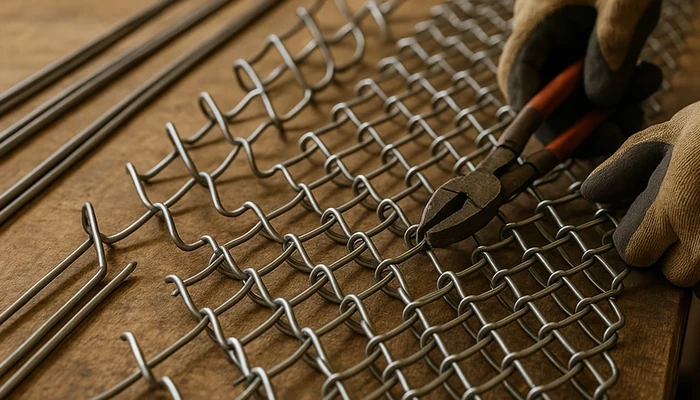
- Mesh (Fabric): Woven steel wire forms the familiar diamond pattern.
- Posts: Vertical supports anchor the fence to the ground.
- Top Rail (Optional): Provides rigidity along the top edge.
- Tension Bars & Bands: Hold the fabric tight to the posts.
- Gates & Hardware: Access points and moving components.
The Core Material: Steel Wire For Chain Link Fabric
At the center of every chain link fence lies the mesh itself. This is usually made of steel wire, prized for its strength and longevity. However, not all steel is the same, and coatings make a major difference in how well your fence resists rust, weather, and daily wear. There are several key wire types and treatments:
- Galvanized Steel: The industry standard—steel wire coated with zinc for corrosion resistance. Commonly meets ASTM standards for quality.
- Vinyl-Coated (PVC) Steel Wire: Additional plastic coating over galvanized wire—provides a broader range of colors and extra protection.
- Aluminum (Rare): Lightweight and rustproof but less commonly used in Chicago due to lower strength and higher cost.
Gauge matters: Fence wire comes in different thicknesses (gauges). Lower gauge numbers mean thicker, stronger wire. For residential projects in Chicago, 11.5- to 9-gauge is typical, while commercial fences may use 6-gauge for heavy-duty needs.
Comparison Table: Chain Link Wire Types and Coatings
| Type | Description | Common Uses | Pros | Cons |
|---|---|---|---|---|
| Galvanized Steel | Zinc-coated steel | Residential, commercial | Affordable, durable | Silver only, can dull |
| Vinyl-Coated Steel | Plastic-coated, over galvanized | Homes, schools, pools | Color options, extra weather protection | Higher cost, coating can crack |
| Aluminum | Rustproof metal | Coastal or specialty | Won’t rust | Less strong, costly |
For more on coatings and design options, explore beyond silver: exploring color options for chain link fences.
Posts, Rails, and Framework: The Fence’s Skeleton
Supporting the mesh are vertical posts and horizontal rails, generally made from cold-formed steel tubing or pipe. The quality of these structural elements significantly impacts your fence’s ability to withstand wind, impact, and Chicago’s freeze/thaw cycles.
- Line Posts: Intermediate supports placed 7–10 feet apart.
- Corner/End/Terminal Posts: Larger, thicker posts anchoring turns and stress points.
- Top Rail: Connects posts along the top for extra rigidity (optional for low fences).
- Bottom Rail or Tension Wire (Optional): Prevents animals or people from pushing under.
Steel tubing/posts are usually galvanized inside and out. Some commercial specs require heavy-wall pipe for high-security jobs. In recent years, color-matched and vinyl-coated posts have gained traction for homeowners wanting a less industrial look. All framework should meet industry standards such as those from the ASTM.
Fittings, Bands, and Fasteners: Connecting It All
Small but vital, fittings join the mesh to posts and rails, ensuring the fence keeps its shape for decades. Materials include steel (galvanized or coated) and weather-resistant hardware:
- Tension Bands: Hold mesh to terminal posts.
- Tension Bars: Slide vertically into the mesh for even tension distribution.
- Tie Wires: Secure mesh to line posts and rails.
- Caps & Rail Ends: Finish exposed ends to prevent water and rust entry.
These fittings may seem minor, but inferior metal, missing weather protection, or loose installation are the top causes of long-term fence trouble. At Chicagoland Fence Pros, we never cut corners on these small but critical materials.
More fence component details are available at Chain Link Fences: Understanding Their Parts and The Essential Guide to Chain Link Parts.
Gates, Latches, and Specialized Accessories
No boundary is complete without functional access. Gate frames, hinges, latches, and closers are built from the same galvanized or vinyl-coated steel as the framework. For added security, properties in Chicago, Illinois may prefer self-closing, locking, or keypads systems. High-traffic environments (schools, business yards) need heavier-duty hardware.
- Walk Gates: Standard for pedestrian entry.
- Double/Drive Gates: Allow vehicle access; may include wheels, center stops.
- Automated Openers: For security or hands-free access; see security gate options.
Properly specifying and installing gate materials (including posts, hinges, and hardware) ensures your entryways stand up to Chicago’s harsh winters and storms. For more inspiration, view Chain Link Fence Design Inspiration and The Ultimate Guide to Chain Link Gates.
Privacy, Color, and Modern Finishes
Classic chain link is known for its open, see-through look, but today homeowners and property managers often want more privacy or decorative style:
- Privacy Slats: Interwoven plastic (PVC) strips—various colors and patterns.
- Windscreen Fabric: Mesh or vinyl screens attached to the fence, often used in sports facilities or commercial settings.
- Decorative Coatings: Black, green, or custom powder coatings to blend with landscaping.
- Post Caps and Finials: Decorative or functional (bird deterrent, anti-climb).
These options can directly impact cost, appearance, and even code compliance—something Chicagoland Fence Pros always reviews for projects within Chicago, Illinois. For a deeper dive, see Chain Link Fences and Design Options and Personalizing Your Chain Link Fences.
Code Compliance, Safety, and Industry Standards
Quality materials are only half the story; proper installation and adherence to industry standards are equally vital. Reference standards from ASTM guide everything from mesh size and gauge to post depth and hardware. In commercial or specialized settings, you might also encounter relevant guidance from the Door & Access Systems Manufacturers Association—see DASMA resources.
- Chicago and most suburbs have specific fence codes—height limits, required materials, and property line setbacks.
- Always confirm HOA and municipal requirements before starting any fencing project.
- Insist on documented compliance (Chicagoland Fence Pros always provides this paperwork).
If your project is especially complex, or you’re unsure how codes affect material choice, ask a licensed professional to review your plans first.
Material Choices by Use Case: What Works Best Where?
The perfect chain link fence for a park is often different from one for a backyard or a secured facility in Chicago. Here are key scenarios and the right material selections for each:
- Residential Fencing: Galvanized or vinyl-coated wire, standard gauge (9–11.5), color finishes for aesthetics.
- Commercial Security: Heavier-gauge wire (6–9), tall frames, high-tensile posts, barbed wire/anti-climb additions.
- Pet and Animal Enclosures: Smaller mesh openings, bottom tension wire or rail, animal-safe coatings.
- Playgrounds and Sports Courts: Vinyl coatings for safety and color, durable rails, privacy/windscreen options.
- Temporary Construction Fences: Lightweight, modular panels, portable posts.
Want to see more examples? Check out Creating Secure Play Areas with Chain Link Fences and Unveiling Benefits of Chain Link Fencing for Wildlife Enclosures.
Weather, Durability, and Maintenance Considerations
In the Chicago, Illinois area, fences endure serious freeze/thaw stress, heavy rain, snow, and hot summers. Choosing the right materials—and coatings—is essential for long-term performance:
- Galvanized finishes are rugged, but may require periodic inspection for chips or scratches.
- Vinyl-coated mesh and posts offer extra defense against rust—especially in salty environments.
- Check and tighten hardware annually; replace worn fittings or slats as needed to avoid major repairs later.
Get more advice in Weather Resistance of Chain Link Fences and Demystifying Chain Link Fence Componentry.
Cost, Longevity, and Value Over the Fence’s Lifetime
Material selection drives both up-front and ongoing costs. Here’s what to consider:
- Galvanized systems are most affordable; vinyl and custom colors cost more but may save on future maintenance.
- Higher-gauge (thinner) wire costs less, but thicker wire lasts much longer.
- Quality hardware and correct installation add a small initial premium but help avoid costly fixes later.
- A well-built fence using industry-standard materials should last 15–30 years in the Chicago climate.
For a deeper financial comparison, explore Advantages Of Chain Link Fences Over Other Materials and Benefits of Chain Link Fencing.
Frequently Asked Questions About Chain Link Fence Materials
1. Are all chain link fences made of the same steel wire?
No. Steel wire gauges, quality, and coatings vary widely. Standard fences use galvanized steel for affordability and durability, but vinyl-coated and heavier-gauge wires are chosen for high-traffic areas or extra weather resistance.
2. How does mesh size affect fence performance?
Smaller mesh openings provide more security and prevent animals from squeezing through but may slightly increase material costs. Standard residential fences use 2-inch mesh; custom sizes are available for specialty uses.
3. Is an aluminum chain link fence better for Chicago?
Aluminum is highly rust-resistant but less strong than steel and usually more expensive. For most Chicago applications, galvanized or vinyl-coated steel is preferred because it handles snow, wind, and impacts better.
4. How do coatings affect fence longevity?
Galvanizing (zinc-coating) is essential for all outdoor chain link fences. Vinyl or powder-coating adds color and extra protection. Without these coatings, steel would rust within a few seasons.
5. What post materials are best for severe climates?
Heavy-gauge, hot-dip galvanized steel posts (sometimes with added vinyl coating) are best equipped for freeze/thaw cycles and severe storms common in Chicago, Illinois.
6. Can I mix and match different mesh and post materials?
Yes, but mixed materials can complicate warranties and color matching. Discuss combinations (like color posts with galvanized mesh) with a fence professional to ensure long-term compatibility.
7. How often do chain link fence fittings need replacing?
With quality galvanized or coated fittings, expect 15–30 years of use. Periodic inspections (especially after storms) help catch any wear or loosened hardware early.
8. Can chain link fences be customized for privacy?
Absolutely. Privacy slats, screens and color coatings all allow for increased seclusion and aesthetic appeal—see personalization options.
9. Should I hire a professional to install my chain link fence?
While it’s possible for experienced DIYers, professional installers like Chicagoland Fence Pros guarantee correct material selection, code compliance, and long-term reliability—especially valuable in Chicago’s challenging climate.
10. Are there industry standards that my fence materials should meet?
Yes. Materials should conform to ASTM standards and, for automated gates, DASMA guidelines. Always confirm material specs with your installer.
Conclusion: Making the Best Material Choices for Your Fence Project
Choosing the right materials for your chain link fence is about more than cost—it’s about balancing durability, aesthetics, security, and practical needs. Homeowners in Chicago, Illinois should weigh factors like climate, expected wear, privacy wishes, and codes before making a decision. If you have questions about your specific situation or want expert advice, don’t hesitate to request a fence estimate or talk to our fence specialists at Chicagoland Fence Pros. Ready to explore more fence options? See our resources on commercial fencing or residential fencing solutions.
About Chicagoland Fence Pros
Chicagoland Fence Pros is a professional fence company with over 15 years of experience helping homeowners and businesses in Chicago, Illinois and nearby communities improve security, privacy, and curb appeal. Our team specializes in residential and commercial fences—including wood, vinyl, aluminum, and steel—always focusing on clear guidance, code compliance, and high-quality materials. We’re fully licensed and insured for your peace of mind.
fence builder chicago il, galvanized chain link fence, chain link fence in the city of chicago, chain link fence options Lisle, chain link fence North Chicago, chain link fence Winfield, chain link fences in Cicero, chain link fence in Waukegan, Hoffman Estates chain link fence, chain link fence repair Zion