
Chain Link Fences: Understanding Their Parts – A Complete Guide
For homeowners and property managers considering a new fence, the maze of options and technical terms can be confusing. Questions like “Which materials offer better security in tough climates?” or “What exactly holds a chain link fence together?” are common points of concern. Choosing wisely is not just a matter of cost or curb appeal—it also means thinking about local building codes, long-term durability, and security. In this comprehensive post, we’ll demystify chain link fences by breaking down the parts and explaining their functions. By the end, you’ll have a clear understanding of what stands behind a strong, code-compliant fence and be better equipped to choose, maintain, or discuss options with professionals like Chicagoland Fence Pros.
Breaking Down the Anatomy of a Chain Link Fence
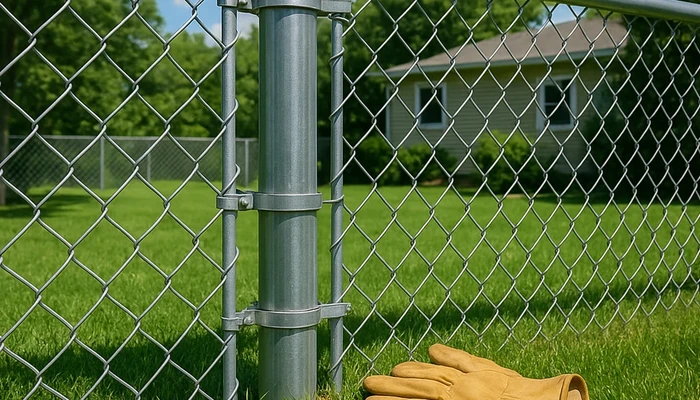
Chain link fences are made up of several interconnected components that work together to create a durable, secure, and often budget-friendly boundary solution. Let’s start by introducing each main part:
- Mesh (Fabric, Wire) – The recognizable diamond-patterned barrier.
- Posts – Vertical supports (terminal, line, and gate posts).
- Top Rail & Bottom Rail – Horizontal supports framing and strengthening the fence.
- Tension Bars & Bands – Hardware holding mesh tight and attaching it to posts.
- Ties & Clips – Smaller fasteners securing mesh and rails together.
- Gates & Hardware – Openings, latches, hinges, rollers, and locking mechanisms.
- Accessories & Add-Ons – Including privacy slats, barbed wire, windscreens, and decorative options.
Each part has distinct material and sizing options with unique trade-offs for security, looks, and longevity.
1. The Mesh: The Core of Every Chain Link Fence
Material Types
- Galvanized Steel: Standard for durability and rust-resistance. Learn more about galvanization.
- Vinyl-Coated: Offers color options (black, green, brown) and increased weather protection.
- Aluminum: Lightweight, rust-proof, but less common for heavy-duty jobs.
Mesh Gauge and Diamond Size
Gauge (wire thickness) commonly ranges from 6 (thick, strong) to 11.5 (thinner, residential). Smaller diamonds (width of each mesh opening) increase security and prevent animals from squeezing through.
Practical Trade-Offs
- Heavier gauge = stronger, more secure.
- Vinyl coating = better protection, less industrial look.
- Smaller diamonds = improved containment for pets or high-security.
2. Posts: The Framework of Strength
Post Types
- Terminal Posts (End, Corner, and Gate): Larger diameter; anchor the fence at critical points.
- Line Posts: Intermediate supports positioned every 6–10 feet.
- Gate Posts: Reinforced versions for heavy gates.
Proper post depth and concrete setting are vital, especially given freeze-thaw cycles in Chicago, Illinois.
Material Options
- Galvanized steel: Standard option, good for most residential and commercial uses.
- Painted or powder-coated steel: Improved weather resistance and visual appeal.
- Aluminum: Lightweight, rust-resistant, but limited for heavy-duty applications.
3. Rails: The Stabilizing Elements
Rails run horizontally at the top (and sometimes bottom or midline) and provide key structural support.
- Top Rail: Continuous steel pipe or tubing.
- Bottom Rail: Optional, for extra stability; sometimes a tension wire is used as an alternative.
- Mid Rails: Added for taller fences to resist sagging.
4. Tension Bars and Bands: Keeping it Tight
These components draw and hold the chain link fabric taut against the terminal posts. They are often mistaken for simple brackets, but they’re what give a fence its crisp, upright appearance and keep mesh from sagging.
- Tension Bar: Slips through the end of the mesh; attaches to the post with bands.
- Tension Bands: Wrap around the post, securing the bar.
5. Ties, Clips & Small Hardware
- Fence Ties: Wire pieces that bind mesh to rails and posts.
- Clips: Hold rail to post connections tight.
- Caps: Protect post tops from rust/water and add a finished look.
- Rail Ends (End Caps): Secure rails to terminal posts.
6. Gates and Access Control Hardware
No fence is truly complete without a gate. Chain link systems can feature walk gates, double-swing driveway gates, or even slide gates for tighter spaces.
- Gate Frame: Reinforced with welded or bolted corners.
- Hinges and Rollers: Ensure reliable opening/closing.
- Latches, Locks, and Closers: Range from simple gravity latches to coded security locks.
7. Add-ons and Accessories: Enhancing Security, Privacy, and Style
- Privacy Slats & Screens: Slide into mesh for visual blocking and wind reduction. See personalization ideas.
- Barbed Wire: Top extension for commercial/high-security uses.
- Color-Coated Options: Upgrade standard silver to black, green, or custom colors for appearance and rust resistance.
- Post Caps & Decorative Fixtures: Available in standard or ornate styles.
Table: Common Chain Link Fence Parts & Their Purposes
| Part | Main Function | Material/Variations |
|---|---|---|
| Mesh/Fabric | Main barrier; security, containment | Galvanized steel, vinyl-coated, aluminum |
| Posts | Support structure | Galvanized steel, powder-coated, aluminum |
| Rails | Stabilize, frame mesh | Steel, coated steel |
| Tension Bar/Bands | Hold mesh tight to post | Steel, aluminum |
| Ties/Clips | Fasten mesh to posts/rails | Galvanized or coated wire |
| Gates/Hardware | Fence access & security | Steel, lock options |
| Privacy/Accessories | Privacy, wind block, looks | Plastic slats, screens, color coats |
Thinking Beyond the Basics: Codes, Upgrades, and Weather Realities
Building Codes and Compliance
In Chicago, Illinois and similar urban centers, fences typically must follow local codes for height, setback from property lines, and structural safety. Always verify local regulations before installation—Chicagoland Fence Pros can help clarify requirements for your situation.
Choosing Materials for Chicago’s Climate
Freeze/thaw cycles, lake-effect snow, and humidity all affect fence longevity. Galvanized and coated materials are favored for withstanding harsh Midwest conditions (read more about galvanizing here).
Security Features
- Height: Taller fences (6 ft and above) deter intruders and offer more privacy.
- Smaller mesh openings reduce foothold opportunities.
- Supplemental features like gates with coded locks or barbed wire are popular for commercial needs.
Comparing Chain Link to Other Fence Types
It’s helpful to compare chain link with alternatives to clarify when it’s the best fit.
| Fence Type | Strength & Security | Privacy | Maintenance | Typical Cost* |
|---|---|---|---|---|
| Chain Link | Strong/moderate | Low/mod (add-ons possible) | Low | $$ |
| Wood | Moderate | High | Moderate | $$$ |
| Vinyl | Moderate/high | High | Low | $$$ |
| Aluminum | Moderate | Low/mod | Low | $$$ |
*Estimates only. Costs vary with size, finish, and labor.
For a deeper dive, see advantages of chain link fences.
Maintenance: Ensuring a Long-Lasting Chain Link Fence
Chain link fences are low maintenance, but routine care extends their lifespan. Here’s what to expect:
- Cleaning: Hose down dirt and debris several times a year.
- Rust Checks: Inspect for early rust, especially at posts and hardware. Clean and treat promptly.
- Tighten Hardware: Occasionally check and adjust ties, bands, and rails to prevent sagging.
Curious about specific tips? Visit our guide to chain link fence weather resistance.
Customization and Modern Styles
Today’s chain link fences can be customized for looks and function:
- Color: Black, green, or brown powder-coating for aesthetics and added rust resistance (explore color options).
- Privacy Screens/Slats: Choose from subtle neutrals to bold accent colors.
- Decorative post caps: Give a finished touch to residential spaces.
More inspiration? View our design gallery.
Chain Link Fence Installation: What to Expect
A professional installation typically includes:
- Site assessment and code checks.
- Post hole digging and concrete setting.
- Framework and hardware installation.
- Mesh stretching and secure fastening.
- Gate installation, hardware setup, and inspection.
For details unique to commercial projects, check our commercial fencing page.
Common Mistakes and How to Avoid Them
- Setting posts too shallow; leads to leaning and instability, especially in freeze/thaw regions.
- Poor tensioning causes mesh sag and reduces security.
- Skipping local permit checks or ignoring code requirements.
- Choosing the wrong gauge or mesh size for pets or children.
FAQ: Chain Link Fence Parts, Choices, and Advice
1. Are chain link fences suitable for privacy?
While standard chain link is see-through, privacy slats and screens can transform it into a practical privacy barrier without sacrificing airflow. Explore personalization options here.
2. How long does a typical chain link fence last?
Galvanized chain link fences often last 15–20 years or more with basic care, even in the tough Chicago climate. Thicker gauges last longer, but weather and maintenance play crucial roles. For details on longevity, see this materials guide.
3. Can chain link fences be installed on sloped ground?
Yes, experienced professionals use stepping or racking techniques to follow the grade while preserving strength and appearance.
4. Is chain link fencing a good choice for pet owners?
Absolutely—choose a smaller mesh size and appropriate height for containment and safety. See our guide on chain link fencing for pet owners.
5. What regular maintenance do chain link fences need?
Periodic cleaning, visual inspections for rust or loose parts, and prompt tightening or repair will maximize longevity. Little specialized care is required compared to wood or vinyl.
6. Are there eco-friendly options for chain link fences?
Some manufacturers offer recycled steel products and eco-safe vinyl coatings. Disposal of old mesh is relatively easy.
7. What add-ons improve security?
Consider taller fences, coded or locking gates, barbed/razor wire toppers (for permitted locations), and smaller mesh sizes for added deterrence.
8. Can I upgrade my existing fence with privacy or color elements?
Yes, privacy slats, color coatings, and decorative fixtures can usually be added later, depending on existing hardware condition.
9. Does a chain link fence require a permit in Chicago?
Most new fences and significant repairs require permits in Chicago. Confirm with local authorities, your HOA, or consult Chicagoland Fence Pros for guidance.
10. How do I choose between a chain link, wood, or vinyl fence?
Consider your primary needs (security, privacy, looks, budget) and consult with a specialist for recommendations. For pros & cons, visit our comparison guide.
Conclusion: Making an Informed Chain Link Fence Choice
Understanding the various parts of a chain link fence helps you ask the right questions and detect the difference between a temporary solution and a long-term property improvement. From mesh selection to hardware quality and the right add-ons for privacy or security, every detail impacts performance. As a fence company with years of experience in Chicago, Illinois, Chicagoland Fence Pros recommends informed choices that suit your real needs—and meet local codes. Ready to learn more or get advice specifically for your property? Request a chain link fence estimate or consultation with our team.
If you are exploring other options, we also offer guidance on vinyl fences, wood fencing, and aluminum fence solutions for Chicago-area properties.
For project-specific advice, maintenance plans, or code compliance, don’t hesitate to contact Chicagoland Fence Pros. Our team is here to help, from first quote to final inspection.
About Chicagoland Fence Pros
Chicagoland Fence Pros has over 15 years of experience serving homeowners and businesses in Chicago, Illinois and nearby communities. Our team specializes in installing, repairing, and upgrading fences of all types—from chain link and wood to composite, vinyl, and aluminum—always focusing on security, privacy, and strict adherence to local codes. As a fully insured, code-compliant contractor, we pride ourselves on honest advice, detailed planning, and quality results tailored to Midwestern climate challenges. When you want trusted, experienced fence professionals, choose Chicagoland Fence Pros for your next project.
fence contractor in the city of chicago, best chain link fences, best chain link fences in chicago, chain link fence replacement Broadview, vinyl coated chain link fence Naperville, chain link perimeter fence Lake Bluff, chain link fence Wheaton, vinyl coated chain link fence Oak Park, best chain link fences in River Forest, chain link fencing Morton Grove