
Chain Link Fences and Design Options: An Expert Guide for Homeowners and Property Managers
If you’re considering ways to secure your property, improve privacy, or define boundaries, chances are chain link fences have come up in your research. The sheer range of chain link fence design options today can be confusing, especially for first-time buyers. From choosing the right height and material, to deciding on privacy slats, mesh size, and coatings, there’s a lot to weigh—especially with Chicago’s weather, neighborhood guidelines, and security needs. In this comprehensive guide, we break down all the essentials around chain link fences and design options, helping you make an informed choice for long-lasting value and appeal. Throughout, you’ll find practical examples from real Chicago scenarios and insights from the team at Chicagoland Fence Pros, who have helped thousands of local homeowners and businesses get the fencing solution that truly fits.
What Is a Chain Link Fence?
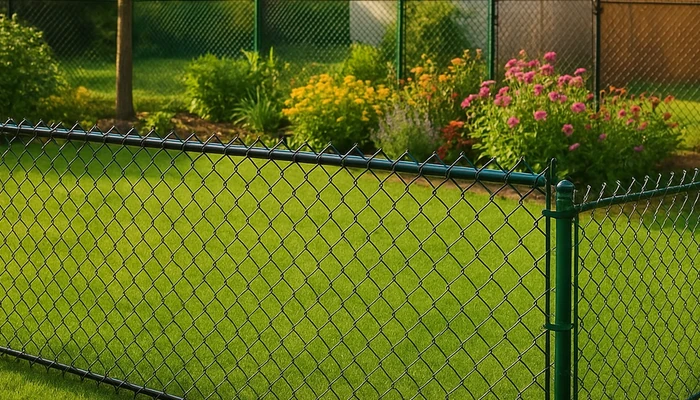
Chain link fencing is one of the most popular options for both residential and commercial properties. Recognizable by its woven metal wire in a diamond pattern, a chain link fence acts as a durable yet adaptable barrier while remaining cost-effective. The basic structure consists of steel wires galvanized or vinyl-coated for protection, anchored to sturdy posts and rails.
- Affordability: Chain link is generally less expensive than wood or wrought iron fences.
- Low Maintenance: Requires minimal upkeep compared to other fencing types.
- Visibility: Retains sight lines—ideal if you want both security and openness.
- Versatility: Suitable for yards, playgrounds, sports courts, animal enclosures, and commercial perimeters.
Homeowners in Chicago, Illinois often ask whether chain link fences can withstand harsh winters and sustain their appearance. Thanks to advanced coatings and smart installation, they can offer robust performance for many years with proper care.
The Core Components of Chain Link Fencing
Understanding the main parts of a chain link fence helps you evaluate quality and long-term durability. Every fence consists of:
- Mesh/Fabric: The woven wire that forms the barrier (also called ‘fabric’ or ‘wire netting’).
- Line Posts & Terminal Posts: Vertical supports, often set in concrete, holding the mesh upright and tensioned.
- Top Rail & Bottom Tension Wire: Horizontal stabilizers running along the top and (optionally) bottom, keeping mesh taut and fence strong.
- Gates & Hardware: Hinged or sliding gates for access, equipped with latches and optional locking mechanisms.
All these elements are available in various grades and finishes, which tie in directly to the look and longevity of your fence. For a deeper look at these parts, visit our guide to chain link fence components.
Material Options for Chain Link Fences
The material and protective coating you select will significantly impact your fence’s resilience to rust, maintenance needs, and appearance. The two main options are:
Galvanized Steel
This is the classic choice for chain link. Galvanized steel is coated in zinc via a process called hot-dip galvanizing, which forms a robust barrier against moisture and corrosion. You can learn more about this process at Galvanizeit.org. Galvanized chain link is typically silver in appearance, fitting well in both residential and commercial settings.
Vinyl-Coated Chain Link
For additional protection and more design options, vinyl-coated chain link wraps a layer of colored polyvinyl chloride (PVC) around the metal. This offers extra resistance to weather—and in Chicago’s climate, it helps the fence last even longer. Common colors include black, green, and brown, which blend into landscapes or complement a property’s façade. Discover more color options and creative applications in our exploration of colored chain link fences.
Key Design Options for Chain Link Fences
While the basic “chain link look” is iconic, modern technology and creativity allow for extensive design customization:
- Mesh (Wire) Gauge & Opening Size: Thicker wires and smaller mesh sizes provide greater strength and security, often used for commercial or high-security installs.
- Fence Height: Residential fences typically run 4–6 feet high, while commercial and security perimeters may be 8 feet or more. In all cases, check your local Chicago codes and HOA rules for restrictions.
- Privacy Additions: Slats, screens, or windbreaks can be inserted into the fence mesh to increase privacy and reduce wind load. Explore privacy enhancements in our functional designs guide.
- Decorative Elements: Post caps, colored coatings, and integrated gates add personality and convenience.
- Gates and Access: Strategic gate placement supports easy yard access, vehicle entries, or secure play areas. See our ultimate chain link gate guide for more tips.
| Option | Best For | Pros | Cons |
|---|---|---|---|
| Galvanized Only | Budget, low-maintenance, utility areas | Affordable, weather-resistant, classic look | Less color choice, visible silver mesh |
| Vinyl-Coated | Residential yards, pet areas, aesthetic projects | Blendable colors, extra corrosion resistance | Higher cost, may fade over decades |
| Privacy Slats | Yards near sidewalks, pool fencing | Blocks view, adds wind protection | Additional material cost, minor maintenance |
| Decorative Posts/Caps | Front yards, commercial lots | Boosts curb appeal, personalizes fence | Added project complexity/cost |
Pros and Cons of Chain Link Fences
- Pros: Durable, cost-effective, easy to install and repair, low maintenance, highly customizable.
- Cons: Lower baseline privacy (unless upgraded), not as “solid” as wood or composite for visual screening, can be considered less decorative if not enhanced with design elements.
For a full comparison to other fencing options, including wood, vinyl, and aluminum, see our comparison guide.
Chain Link Fence Applications
Chain link fences adapt to almost any property type:
- Residential Yards: Boundary definition, safe play areas for children and pets.
- Commercial Properties: Security perimeter, equipment and vehicle storage, warehouse enclosures.
- Schools & Parks: Playground safety, sports field containment.
- Agricultural Use: Crop and animal protection. Interested in farm/rural solutions? Read more here.
- Animal and Pet Fencing: Custom heights, smaller mesh sizes, and double gates cater to animal safety—see our guide for pet owners.
Privacy Solutions: How to Make Chain Link Fences Private
If privacy is a primary goal, several add-ons can transform your chain link fence. The most common:
- Privacy Slats: Vertical inserts that slide between mesh diamond openings. Slats come in various colors and can block up to 80–90% of visibility.
- Windscreens and Privacy Screens: Fabric or mesh barriers along the fence to provide windshelter and moderate privacy—popular around sports fields or pools.
- Landscaping: Strategically planted shrubs, ivy, or climbing plants can further soften the appearance and block sightlines over time.
Modern chain link fences no longer mean a “bare metal look.” For inspiration and more ideas, visit our modern fence styles feature.
Maintenance Tips for Longevity
Chain link fences are easier to maintain than most alternatives, but a few routine tasks will extend their life—especially in the Midwest. Here’s what to keep in mind:
- Periodic Cleaning: Rinse off salt, dirt, and debris at least twice a year, especially after winter.
- Rust Check: Inspect posts, rails, and mesh for rust spots. Address them quickly with rust-resistant paint or by replacing affected sections.
- Gate Operations: Oil hinges/latches annually to ensure smooth operation.
- Slat and Screen Tending: Secure loose or broken privacy inserts to prevent wind damage.
With these steps, a quality chain link fence often lasts 15–25 years or more. If you’re unsure about repair or replacement, request an honest assessment from our team—learn about chain link fence repair and upgrades.
Chain Link Fence Installation: What Homeowners Should Know
Installing a chain link fence may look straightforward, but success depends on correct measurements, sturdy post setting, and proper tensioning. From our experience as a fence company in Chicago, Illinois, key installation tips include:
- Plan Your Layout: Mark property lines, consider local restrictions, and plan for gate locations.
- Check Local Codes: Verify fence height, setback, and appearance rules with your city or HOA.
- Use Quality Footings: Set posts at least 36–42 inches deep (deeper for taller fences or sandy soils) and allow concrete to fully cure for strength.
- Install Tension Properly: Avoid “waviness” by ensuring mesh is pulled tight and evenly distributed between posts.
- Confirm Safety and Comfort: Ensure no sharp points are exposed and that gates open smoothly.
While DIY is possible, professional installation guarantees compliance with building codes and long-term stability. See how Chicagoland Fence Pros approaches the process on our residential fence services page.
Weather, Durability, and Local Considerations
Chain link fences are specifically valued in the Chicago, Illinois area for their resilience to intense winters, freeze-thaw cycles, and bouts of high wind. Galvanized and vinyl-coated options both deliver durable results, but regular inspections post-winter help spot any issues early. For more on weather resistance and best practices, check out our article on weather resistance for chain link fences.
It’s always a smart idea to confirm that your installation complies with any current local codes and zoning rules, as cities may set varying requirements for fence height, style, or proximity to public streets. For up-to-date industry standards and installation tips, refer to trusted sources such as the Door & Access Systems Manufacturers Association.
Comparison Table: When Is Chain Link the Right Choice?
| Situation | Chain Link | Wood | Vinyl | Wrought Iron |
|---|---|---|---|---|
| Budget-Friendly | ✔️ | ✔️ | ✖️ | ✖️ |
| Low Maintenance | ✔️ | ✖️ | ✔️ | ✖️ |
| Security Focus | ✔️ | ✖️ | ✔️ | ✔️ |
| Privacy | Optional | ✔️ | ✔️ | ✖️ |
| Decorative Appeal | Optional | ✔️ | Optional | ✔️ |
| Pet/Child Safety | ✔️ | ✔️ | ✔️ | ✖️ |
Still deciding? Our team can help you compare product samples and discuss which fence fits your unique needs. Contact Chicagoland Fence Pros for honest guidance.
Frequently Asked Questions About Chain Link Fences and Design Options
1. How long does a chain link fence typically last?
With quality materials and periodic maintenance, chain link fences often last 15–25 years or beyond. Galvanized finishes protect against rust, and vinyl coatings add further durability—especially valuable in Chicago’s climate.
2. Can I make a chain link fence private?
Yes. Privacy slats, screens, and landscaping can transform a standard fence into an effective privacy barrier. For maximum privacy, choose tightly fitting slats and maintain them well over time.
3. Are there different colors available for chain link fences?
Absolutely—vinyl-coated fences come in a variety of colors, with black, green, and brown being most popular. This makes it easy to match your home or surroundings. For cool options, see our article here.
4. How do I care for my chain link fence in winter?
Remove debris, check for loose posts or wires, and avoid ice/salt buildup. After snow fades, inspect again and address any wear as soon as possible for best results.
5. What height should I choose for my fence?
Residential installations in Chicago area neighborhoods often opt for 4–6 feet, while commercial and special-purpose fences may go 8 feet or higher. Always check local codes for limits and recommendations—see more at our fence height guide.
6. Are chain link fences secure?
When installed at the right height and using quality hardware, chain link fences provide strong security. Add-ons like barbed wire or tighter mesh increase deterrence. Explore more in our security tips article.
7. Can I install a chain link fence myself?
DIY is possible, especially for smaller properties. However, professional installation ensures correct footings, proper tensioning, and code compliance—essential for long-term results and resale value.
8. Do I need a permit for a chain link fence in Chicago?
Probably—most municipalities require a permit for new fencing, especially when setting boundaries or changing a property’s appearance. Always check with your city offices or ask our team for guidance.
9. How do chain link fences compare to vinyl or wood?
Chain link is less expensive, highly durable, and great for security—but wood and vinyl offer more baseline privacy and decorative potential. For a full pros/cons breakdown, read this guide.
10. Will a chain link fence add value to my property?
When well-installed and thoughtfully designed, chain link fences can boost value by enhancing security and safety, especially for families and pet owners.
Conclusion: Making the Right Fence Choice For Your Property
Choosing and designing a chain link fence is about more than just budget—it’s about balancing security, privacy, maintenance, and looks for your Chicago-area home or business. Involving experienced professionals like Chicagoland Fence Pros ensures you get honest advice, code-compliant work, and a result built for the local climate. If you’re ready to take the next step or have more questions, reach out to our team today for a free, clear consultation—no pushy sales, just helpful answers.
Curious about other material options? Get inspiration and side-by-side comparisons in our wood fence, aluminum fence, and vinyl fence guides.
About Chicagoland Fence Pros
Chicagoland Fence Pros is a professional fence company with over 15 years of experience helping homeowners and businesses in Chicago, Illinois and nearby communities secure their properties. Specializing in chain link, wood, vinyl, aluminum, and steel fences for residential and commercial projects, the company provides honest guidance, transparent quotes, and a strong focus on local code compliance. Chicagoland Fence Pros is fully licensed and insured, dedicated to building privacy, security and long-term value for every client.
fence company near chicago il, chain link fence repair chicago, chain link fence maintenance, galvanized chain link fence Berwyn, chain link fence replacement Marengo, best chain link fences in Batavia, galvanized chain link fence Kenilworth, chain link fences in Burr Ridge, chain link security fence Old Norwood, chain link fence in the city of North Center