
Unveiling Benefits of Chain Link Fencing for Wildlife Enclosures
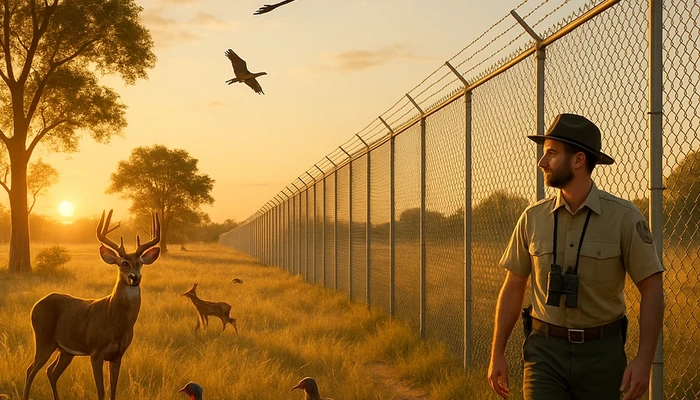
Choosing the right fence for a wildlife enclosure can feel overwhelming. Whether you manage a nature preserve, operate a petting zoo, or want to create a safe space for animals on your property, the decision directly impacts the safety, well-being, and visibility of the animals in your care. Chain link fencing is often recommended by experts for its unique blend of durability, visibility, and practical maintenance. In this comprehensive guide, we explore the unveiling benefits of chain link fencing for wildlife enclosures, considering Chicago, Illinois’s demanding climate and local requirements. By the end, you’ll understand the pros, limitations, and best practices for building or upgrading an enclosure that serves both animals and people. For over 15 years, Chicagoland Fence Pros has guided property owners and managers through every aspect of wildlife and perimeter fencing—let’s unpack what you really need to know.
Why Chain Link Fencing? Understanding the Basics
Chain link fencing, sometimes called cyclone or wire mesh fencing, consists of woven steel wires coated with a protective zinc or vinyl finish. Its popularity in wildlife enclosures stems from key practical advantages over wood, vinyl, or solid metal alternatives:
- Visibility: See-through mesh supports animal monitoring and natural daylight.
- Strength: Galvanized or coated steel provides robust, weather-resistant barriers.
- Customizable Heights and Mesh: Suitable for everything from small mammals to larger wildlife like deer.
- Affordability: Typically more cost-effective compared to solid panel or specialty steel systems.
For both new installations and repairs, chain link fencing offers a practical solution that’s stood the test of time in Chicago’s variable climate.
Critical Roles of Fence Design in Wildlife Safety
Wildlife enclosures have unique needs. The primary goal is to prevent escapes while ensuring animal welfare and visitor safety. Chain link fencing offers:
- Flexible Containment: Mesh sizes can be matched to specific species, from birds to large mammals.
- No Sharp Edges: Properly installed mesh and post caps reduce injury risk for animals.
- Visibility for Observation: Clear sightlines benefit both caretakers and educational programs.
- Options for Digging Animals: Buried mesh skirting or tension wire can deter escape for burrowers.
From the perspective of Chicagoland Fence Pros, experience shows that investing in correct mesh size and professional installation makes a long-term difference for both security and animal health.
Choosing Materials: What Makes Chain Link Durable?
Not all chain link fences are created equal. For wildlife enclosures, consider these essential aspects:
- Wire Gauge: Thicker wires (smaller gauge numbers) are stronger and more resistant to impact or animal chewing.
- Galvanization: Zinc-coated steel resists rust—even in Chicago’s wet winters and humid summers. More on protective coatings and their benefits.
- Vinyl-Coated Options: Adds an extra layer of protection and a variety of color choices (see our color guide).
- Post Material: Steel posts, set in concrete, handle animal pressures and harsh wind loads.
For wildlife habitats, always evaluate if special coatings, mesh size, or reinforced hardware are warranted for your use case.
Comparing Chain Link to Other Fencing Materials
| Material | Visibility | Durability | Maintenance | Typical Uses | Cost |
|---|---|---|---|---|---|
| Chain Link | Excellent | High (with galvanization) | Minimal | Wildlife enclosures, play areas | Moderate |
| Wood | Low | Moderate (can rot/warp) | Moderate-High | Privacy fencing, small pet yards | Moderate-High |
| Vinyl | Moderate | High | Low | Decorative, residential | High |
| Steel Panel | Low-None | Very High | Low-Moderate | High-security, prisons | Very High |
For most wildlife applications, chain link delivers a balance between durability, safety, and operational simplicity.
Safety Considerations and Best Practices for Wildlife Enclosures
Height and Perimeter Design
The right enclosure height depends on the species housed. Lower fences may suffice for small mammals or birds, but taller (8–12 ft or more) fences are usually needed for deer, foxes, or other agile animals. Consult local regulations or animal welfare guidelines before setting specifications.
Burrowing and Climbing Concerns
- Use buried skirt mesh or an underground barrier to stop digging animals.
- Consider inward-facing toppers to deter climbers.
Secure Gates and Access Points
- Double gates or airlocks can prevent accidental escapes.
- Use self-closing hardware for staff entry/exit.
Wildlife Health
- Avoid exposed wire ends and ensure tight mesh attachment to prevent injury.
- Inspect regularly for developing rust or damaged areas.
Following these guidelines, and working with a knowledgeable contractor like Chicagoland Fence Pros, ensures long-term peace of mind.
Planning and Installing a Wildlife-Ready Chain Link Fence
- Site Survey and Layout: Mark boundaries and assess terrain (slopes, wetlands, trees).
- Species-Specific Design: Choose mesh and height suited to animal behavior and needs.
- Post Setting: Deep-driven or concreted steel posts for stability.
- Fence Mesh Attachment: Stretch mesh for tautness; ensure no loose sections.
- Gates and Secure Entry: Install latching, lockable gates and consider vehicle access.
- Inspection and Fine-Tuning: Walk your perimeter after install and after the first severe weather event.
Project complexity varies by enclosure size and species. Homeowners in Chicago, Illinois, often benefit from professional consultation early in the process.
Cost Considerations and Budgeting
Chain link is popular for wildlife because of its moderate initial investment and low recurring maintenance. Factors influencing costs include:
- Fence Height and Length: Taller, longer runs increase material/labor expenses.
- Gauge and Coating: Heavier and specially coated wire can cost more upfront but pays off in longevity.
- Access Gates: Vehicle and pedestrian gates add to budget.
- Site Challenges: Rocky soil or dense vegetation may increase labor.
For ballpark estimates or to compare materials, see our benefits of chain link fencing hub.
Maintenance and Longevity: How to Ensure Years of Performance
- Perform visual inspections every quarter for loose mesh, damaged posts, or signs of rust.
- Address minor repairs—tighten ties, re-anchor mesh—before they become security issues.
- Wash off salt or debris, especially after winter storms in Chicago, Illinois.
- Consult a professional for re-tensioning or section replacement after major impacts or storm events.
Properly installed and maintained, chain link systems easily provide 15–30 years of secure boundaries—learn more in our guide to weather-resistant chain link fences.
Compliance, Codes and Ethical Wildlife Management
Responsible fence planning involves more than specs—it’s important to check:
- Local animal control and zoning rules (consult city or county websites).
- Industry standards for mesh opening size and height for specific species (see guides from major fencing organizations, such as AEC’s fencing standards).
- Neighbors and ecological impact—avoid enclosing protected wildlife corridors.
- HOA and neighborhood guidelines for appearance and placement (where applicable).
Compliance not only avoids fines—it ensures your enclosure promotes healthy, ethical habitats for animals in your care.
Enhancing Wildlife Enclosures: Options and Upgrades
- Privacy Slats: When visual privacy is needed for shy species or to reduce stress.
- Color-Coated Mesh: Improves aesthetics and visibility for visitors.
- Tension Wires: Deter animal escape and improve structure stability—noted in security upgrade tips.
- Integrated Wildlife Gates: Support controlled releases or medical emergencies.
Each upgrade should be weighed against animal behavior, property goals, and budget.
Case Studies: Real-World Wildlife Fence Applications
Suburban Animal Rescue, Chicago, Illinois
A nonprofit wildlife rehabilitation center upgraded to galvanized chain link fencing to contain injured deer and foxes. Site-specific challenges like hilly terrain were addressed by varying fence heights and custom double-gates. Volunteer feedback highlights improved animal safety and caretaker sightlines.
Private Homeowner: Small Mammal Sanctuary
A homeowner in a Chicago suburb used fine-mesh chain link to construct an enclosure for rescued rabbits and groundhogs. Underground barrier mesh prevented escapes from burrowing animals, while vinyl-coated wire minimized visible wear and weather impact.
Nature Center: Interactive Aviary
Staff implemented narrow mesh chain link, paired with custom gate latches and privacy strips, allowing public viewing of native birds without risk of escape. Analysis showed significant maintenance savings over previous mixed-material fencing.
Frequently Asked Questions (FAQ)
- How long does a chain link fence last around wildlife?
With professional installation and regular maintenance, galvanized chain link fences often last 15–30 years—even in challenging Chicago weather. Heavier gauge wire or vinyl coating can extend lifespan further.
- Can animals chew through or escape chain link fencing?
Most wildlife cannot damage properly installed chain link, but small or persistent animals may exploit gaps or weak mesh. Using smaller mesh sizes and reinforcing edges helps prevent escapes.
- What is the best height for a wildlife enclosure fence?
The right height depends on species. For small mammals, 4–6 feet may suffice. Agile or jumping animals like deer require 8–12 feet. Always refer to animal welfare guidelines and local laws.
- Does chain link fencing require a lot of maintenance?
Minimal upkeep is needed—periodic inspections, spot repairs, and washing off debris prevent long-term problems. Galvanized and vinyl-coated fences require less care than raw steel or wood alternatives.
- Is chain link safe for all types of wildlife?
Chain link is safe for most animals if installed correctly and mesh size is matched to species. Wild birds and small mammals may need finer mesh to prevent injury or escape.
- What are common upgrades to improve a wildlife enclosure?
Tension wires, privacy slats, color-coated mesh, and specialized gates help enhance function and aesthetics. Browse more options in our personalization guide.
- How do I check if my fence plan meets local codes?
Review city/county animal control and building department rules. Or, consult the Chicagoland Fence Pros team for code-compliant solutions in Chicago, Illinois.
- How can I make my fence more weather-resistant?
Opt for galvanized or vinyl-coated mesh, use rust-resistant hardware, and perform regular debris removal. See our full coverage in this guide.
- What about insurance and liability for wildlife fencing?
Property owners should check that insurance covers fences and wildlife enclosures. Reputable installers like Chicagoland Fence Pros offer fully insured workmanship and transparent quotes.
Conclusion: Making an Informed Choice in Wildlife Fence Design
Chain link fencing remains a preferred option for wildlife enclosures not just for its durability and affordability, but for its adaptability to a wide array of settings and species. Homeowners and managers in Chicago, Illinois, can trust the mesh to deliver long-term containment, safety, and cost savings—especially with guidance from experienced professionals. For a personalized assessment or to get started, request a fence estimate from our team, or contact Chicagoland Fence Pros today to discuss your unique requirements.
About Chicagoland Fence Pros
Chicagoland Fence Pros is a professional fence company with over 15 years’ experience installing wildlife, residential and commercial fences in the Chicago, Illinois area. Our team specializes in wood, vinyl, aluminum and steel solutions, with a focus on durable, code-compliant, and attractive installations. Fully insured and committed to transparency, Chicagoland Fence Pros serves both homeowners and businesses, always recommending the right fence for your property’s needs.
fence chicago, best chain link fences, chain link fence repair, chain link fence Maywood, chain link fence in the city of Naperville, chain link fence Union, galvanized chain link fence Des Plaines, best chain link fences in North Park, chain link fence Lisle, chain link fence Addison