 Skip to content
Benefits Of Chain Fences In Residential Areas: An In-Depth Guide
Choosing the right fence can feel overwhelming, especially with so many materials, styles, and costs to consider. Homeowners and property managers in Chicago, Illinois, or similar climates often wonder whether a chain fence is the best option for security, privacy, and long-term value. The benefits of chain fences in residential areas are often underestimated, yet they provide practical solutions to common concerns like property boundaries, pet safety, curb appeal, and code compliance. This educational guide from Chicagoland Fence Pros dives deep into chain fencing—breaking down not just the obvious advantages, but also the nuances, challenges, and ways to get the most from your investment. By the end, you’ll have a clear understanding of what chain fences offer, how they stack up against alternatives, and what to expect for installation and maintenance in the Chicago area.
What Is a Chain Fence? Key Features and Modern Uses
Chain fences, commonly known as chain link fences or wire mesh fences, are made from interwoven galvanized steel wires arranged in a diamond pattern. These fences have been a mainstay in residential and commercial environments alike due to their strength, cost-effectiveness, and ease of installation. Their open-weave design provides security while allowing visibility and air flow—making them ideal for a wide range of applications.
- Construction: Galvanized or coated steel wire
- Common heights: 4–8 feet for residential applications
- Finish options: Silver (galvanized), green or black powder coating
- Posts: Steel, set in concrete, or driven directly in the ground
While chain link is the most recognized form, modern wire mesh fences come in a variety of gauges, coatings, and colors to suit security, privacy, and design needs. Learn more about modern aesthetics in mesh fences.
Chain Fences and the Chicago Climate: Durability and Longevity
Chicago’s climate is notoriously tough on outdoor structures: freezing winters, hot summers, snow, ice, and humidity all play a role. Chain fences are specifically valued for their ability to withstand these extremes when chosen and installed correctly.
- Galvanized coating protects against rust, crucial in wet or snowy conditions.
- For even greater protection, vinyl- or powder-coated fences resist chips and fading.
- Minimal warping or cracking compared to wood or cheaper plastics.
- Low-maintenance requirements (check for loose ties, posts, or minor rust spots annually).
From the perspective of Chicagoland Fence Pros, these characteristics make chain link a truly “set it and forget it” option for many homeowners. For additional weather-resistance tips, see Cyclone Mesh Weather Resistance.
Cost-Effectiveness: Initial Investment and Lifetime Value
One of the leading reasons homeowners and property managers choose chain fencing is its affordability. Not only is the initial price point lower than that of wood, vinyl, or wrought iron, but installation is also quicker and less labor-intensive.
| Fence Type | Average Installed Cost | Maintenance | Typical Lifespan |
|---|---|---|---|
| Chain Link | $10–$22 per linear foot | Very Low | 20–30 years |
| Wood | $18–$35 per linear foot | Medium | 10–15 years |
| Vinyl | $22–$38 per linear foot | Low | 20–30 years |
| Wrought Iron | $28–$48 per linear foot | High | 50+ years (with care) |
While DIY installation is possible, most clients in the Chicago, Illinois area prefer hiring professionals to ensure compliance with local codes and permit requirements. Learn more about cost factors in fencing installation.
Security and Safety: Protecting What Matters Most
Security is frequently the number one priority cited by homeowners. Chain fences provide a reliable physical barrier, define property lines, and act as a deterrent to intruders—without completely closing off sight lines.
- Prevents unauthorized access to backyards, side yards, or pools.
- Sturdy enough to contain children and pets (see Are Chain Fences Safe for Pets?).
- Does not provide anonymity for potential trespassers—makes the area visible to neighbors.
- Optional upgrades: taller fence, privacy slats, angled tops, or anti-climb mesh.
Some municipalities require fences of a certain height for pools or play areas; always check local codes before starting your project.
Privacy Considerations With Chain Fences
By default, chain fences are not solid, but there are creative ways to enhance privacy:
- Privacy slats—plastic inserts in a range of colors and finishes.
- Woven screens and windbreaks (fabric, bamboo, or artificial hedging).
- Strategic landscaping—shrubs or vines growing along the fence line.
This flexibility lets homeowners balance privacy with openness and budget. See creative chain link fence designs for inspiration.
Pet Safety and Family Needs
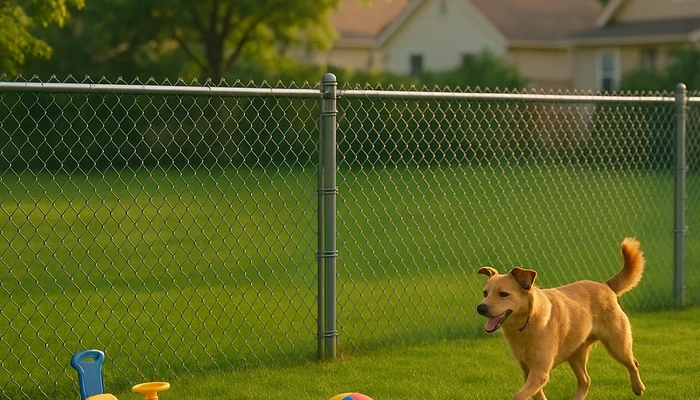
Containment, visibility, and safety for pets and young children are among the most practical benefits of chain fences:
- Customizable height and thickness to suit the breed or size of your pet.
- Clear sightlines allow easy supervision over playtime or pet activity.
- Gates can be fitted with locks and child-safe latches.
- No gaps for squeezing under or between, unlike split rail or some wooden fences.
Pet owners in Chicago can rest easier knowing that their yard is secure without making their home feel walled-in.
Maintenance: What to Expect Over the Years
One of the standout qualities of chain fences is just how little maintenance they require compared to alternatives:
- No need for repainting, sealing, or staining (unlike wood or iron).
- Routine checks for bent posts, damaged wire, or loose fittings keep the fence in good working order.
- Easy to repair just one section if damaged (ideal in climates with winter frost or heavy winds).
Learn more with our preventive maintenance tips for your wire fence.
Comparing Chain Fences to Other Residential Fence Options
| Feature | Chain Fence | Wood Fence | Vinyl Fence | Wrought Iron |
|---|---|---|---|---|
| Initial Cost | Low | Medium-High | High | Highest |
| Maintenance | Very Low | Medium | Low | High |
| Security | Good | Moderate | Good | Excellent |
| Privacy | Moderate | Excellent | Excellent | Moderate |
| Pet/Kid Safety | Excellent | Good | Good | Moderate |
| Appearance | Neutral/Functional | Natural/Warm | Sleek | Classic/Formal |
Your choice depends on priorities: affordability, privacy, maintenance, and local code requirements. Explore more fence material considerations in our fence materials guide.
Codes, Permits, and Neighborhood Guidelines
Before installing any fence in Chicago, Illinois, or the surrounding suburbs, review:
- City and county codes for height, location, and materials (especially for front yards, pool areas, and corner lots).
- Permitting requirements; most urban and suburban properties will need city approval and/or a survey.
- Homeowners’ association (HOA) rules—especially for visual style and color.
- Talk to neighbors about shared boundaries and fence responsibility to avoid future disputes.
Professional installers like Chicagoland Fence Pros can help you navigate code compliance from start to finish.
Environmental Impact and Sustainability
Modern chain fencing is often made from recycled steel and is itself recyclable at end-of-life. The production process tends to be less resource-intensive than that for certain vinyl or composite fencing products.
- Minimal chemical treatments; no hazardous paints or solvents required.
- Long service life means less frequent replacement and less waste.
- Flexible design can incorporate green screens, hedges, or wildlife-friendly options.
For a deeper look at material choices and climate impacts, see our guide on choosing fence materials based on climate.
Upgrades and Customization Options for Chain Fences
Today’s chain fences are anything but boring. Homeowners have the flexibility to choose:
- Colored vinyl coating with architectural posts and rails
- Privacy slats in a range of textures and densities
- Custom gates (manual or automatic)
- Integrated lighting or security cameras
- Decorative picket or post caps
If you want to explore truly unique ideas, visit our page on creative chain link fence designs.
Installation and Timeline: What to Expect
Installation for residential chain fences is generally faster and less disruptive than for other fence types. The process typically involves:
- Site assessment and code research
- Marking boundaries and post locations
- Setting steel posts (in concrete for stability)
- Attaching tension and top rails, then rolling out mesh
- Final inspection and adjustment for gate operation
Most yards can be fully fenced in 1–2 days, weather permitting. For more, see our step-by-step fence installation guide.
If you’re considering other options, you can learn about wood fences or compare vinyl fencing in Chicago.
Common Mistakes to Avoid With Chain Fences
Even with a straightforward installation, a few key errors can reduce the lifespan or usefulness of your fence:
- Skipping permits or ignoring property lines (can lead to expensive rework).
- Insufficient post embedment or concrete footing (causes leaning or sagging).
- Using low-gauge, non-galvanized wire (will rust or fail quickly).
- Not tensioning the mesh properly (results in gaps or loose spots).
- Neglecting gates and latches—these get the most use and need to be secure.
For a more technical breakdown, visit detailed mesh fence installation instructions.
Expert Tips: Getting the Most From Your Chain Fence
- Consider privacy needs from the beginning—upgrades are easier at installation.
- Insist on stainless steel or powder-coated hardware in high-moisture locations.
- Request free fence line marking (utilities, property lines) from local authorities before digging.
- Ask for warranty details for both materials and installation workmanship.
- Choose a contractor who knows local codes and weather demands.
Still have questions? Take advantage of the experience at Chicagoland Fence Pros by requesting a consultation with our specialists.
FAQs: Chain Fences in Residential Areas
Are chain link fences strong enough for Chicago’s winters?
Yes, chain link fences built with galvanized posts and mesh withstand heavy snow, wind, and freeze-thaw cycles common in the Chicago area. Opting for professional installation helps prevent issues related to frost-heave or shifting ground.
Can I make my chain link fence more private?
Absolutely. Privacy slats, windscreens, and landscaping (such as hedges or vines) are popular add-ons. Upgrades can be installed during or after the initial fence setup; ask your contractor for options best suited to your needs.
Are chain fences safe for pets and children?
Yes, when properly installed for height and gap size, chain fences offer excellent containment and visibility. For safety tips specifically for pets, see Are Chain Fences Safe for Pets?.
How long does a chain fence last?
With minimal maintenance, a well-installed chain fence typically lasts 20–30 years, depending on the material grade and exposure to harsh elements.
What’s the best way to maintain a chain fence?
Inspect it annually for rust, loose ties, or bent posts. Periodically clean the mesh with mild soap and water to remove grime. For major repairs, hiring a professional ensures safety and longevity.
Does a chain fence increase property value?
While it may not boost value as much as a premium privacy fence, chain fencing enhances curb appeal and demonstrates that the property is secure and well-maintained.
Can chain fences be installed on sloped or uneven ground?
Yes, experienced installers can “rack” (follow the slope) or step the fence for challenging grades. Always discuss terrain with your fence professional during planning.
Are there alternatives to chain fences for affordable security?
Yes—wood, aluminum, and vinyl are options, each with their pros and cons. Review our fence materials comparison.
Do I need a permit for a chain fence in Chicago?
In most neighborhoods, yes. Fence permits are required for new installations or fence replacement. Check with your local building department or consult Chicagoland Fence Pros for guidance.
Where can I learn more about different fence options?
Explore our comprehensive guides, such as the Ultimate Guide to Fence Designs and Choosing Fence Materials Based on Climate.
Conclusion: Is a Chain Fence Right for Your Home?
If you’re looking for a secure, cost-effective, and low-maintenance fencing option in Chicago, Illinois, a chain fence is a strong contender. Its blend of strength, flexibility, and durability makes it popular for a wide variety of homes and family needs. From pet containment and code compliance to creative privacy upgrades, the benefits of chain fences in residential areas make them worth considering—especially when installed by experienced professionals.
Ready to take the next step or need more personalized advice? Talk to our specialists about chain link fencing or request a quote for your residential fencing project.
Chicagoland Fence Pros has over 15 years of experience installing fences for homes and businesses throughout Chicago, Illinois and nearby communities. Our team specializes in residential and commercial fencing, including wood, vinyl, aluminum, and steel, always prioritizing code compliance, customer education, and long-term value. Licensed and insured, we ensure every project meets the highest standards of safety and quality.
fence contractor chicago, garden fence, residential fence repair chicago, residential backyard fence Franklin Park, garden fence River Forest, privacy residential fence Palatine, residential fence repair Lake Forest, residential yard fence Lincolnwood, dog fence Joliet, residential fences Bedford Park
