
Process to Ensure a Successful and Long-Lasting Fence Installation
Choosing and installing a new fence is a major decision for Chicago-area homeowners and property managers. The process to ensure a successful and long-lasting installation can seem overwhelming at first: with so many fence types, materials, neighborhood requirements, and climate factors, which steps truly matter? Understanding every stage—from initial planning through to maintenance—can mean the difference between a fence that stands strong for years and one that causes regret.
This comprehensive guide walks you through each essential phase of a proper fence installation. By the end, you’ll be able to confidently weigh your options, estimate costs, understand trade-offs, and set realistic expectations for long-term durability. Insight from industry leaders like Chicagoland Fence Pros and references to authoritative sources will ensure your decisions are backed by experience, not guesswork.
Why Proper Fence Installation Matters
The right fence does more than mark boundaries. It safeguards privacy, protects children and pets, adds curb appeal, and helps meet building codes or security needs. In the Chicago, Illinois area, harsh winters and local regulations add further challenges. Mistakes such as poor material selection or ignoring legal requirements can lead to costly replacements or disputes later on.
- Security: Deters intruders and creates a safe perimeter.
- Privacy: Blocks visibility and reduces noise.
- Compliance: Meets safety codes, zoning, and HOA rules.
- Property Value: Enhances appearance and attractiveness to buyers.
- Longevity: Minimizes future repairs and maintenance costs.
Step 1: Thorough Planning and Goal Setting
Every lasting fence project begins with a clear plan. Consider what you’re hoping to achieve: greater privacy? Safety for children or pets? Improved security? Understanding your priorities influences every decision that follows.
- Are you fencing the entire perimeter or just specific areas?
- What is your preferred height?
- Do you have architectural or aesthetic goals?
- Will the fence need to support landscaping features?
- What’s your target budget and timeline?
Step 2: Researching Neighborhood Rules and Local Codes
Before breaking ground, always check with:
- The City of Chicago’s building and zoning departments
- Local Homeowners Associations (HOAs)
- Utility companies (for “Call Before You Dig” lines)
Common requirements include maximum fence heights, material restrictions, setback rules, and placement relative to sidewalks or easements. Reviewing resources like APA Technical Research can help you understand standards and best practices.
Step 3: Selecting the Right Fence Material and Style
Your material and style choice will shape the fence’s appearance, durability, and maintenance needs. Here’s a comparison table of popular options for Chicago-area climates:
| Material | Benefits | Drawbacks | Maintenance Needs | Climate Suitability |
|---|---|---|---|---|
| Wood | Classic appearance, customizable, natural privacy | Requires sealing, prone to rot if untreated | Medium to high | Good if well-maintained |
| Vinyl | Low maintenance, resists pests and moisture | Less eco-friendly, can crack in extreme cold | Low | Very good, especially with quality brands |
| Chain Link | Cost effective, durable, secure | Less privacy, more utilitarian look | Low | Excellent |
| Aluminum | No rust, lightweight, elegant styles | Less privacy unless panels are used | Low | Very good |
| Wrought Iron/Steel | Very strong, prestigious look | More costly, rust-prone if not powder coated | Medium | Excellent with proper coating |
| Composite | Eco-friendly, wood appearance, minimal upkeep | More expensive upfront | Very low | Excellent |
Explore more about material trade-offs in our guide on Choosing the Best Fence Materials Based on Climate.
Step 4: Accurate Site Assessment and Preparation
Key tasks for a smooth installation:
- Mark your property lines: Consider a survey if lines are unclear to prevent disputes.
- Identify underground utilities: Always call 811 or the local utility locating service.
- Check grade and drainage: Fences on slopes or near water require special planning.
- Remove obstacles: Trim trees and clear debris along fence lines.
Step 5: Customizing Design for Purpose and Curb Appeal
Design should blend function and appearance. Elements to consider:
- Decorative tops or lattice for aesthetics
- Integrated gates for access control
- Pet-specific features such as digging barriers
- Matching fence color to your home or landscape
Looking for inspiration? Check out our Creative Link Fence Designs or Ultimate Guide to Fence Designs.
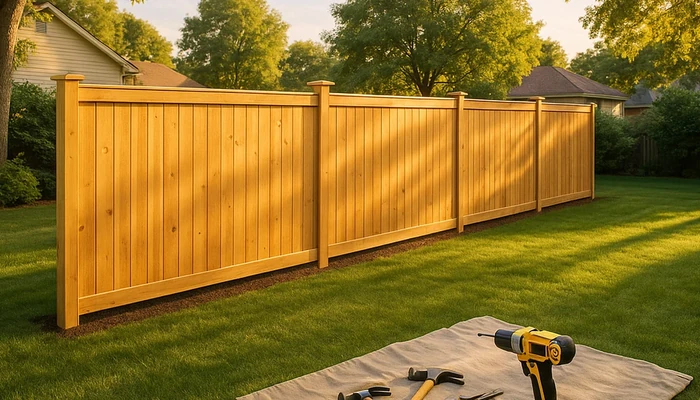
Step 6: Step-by-Step Fence Installation Process
Although every project is unique, most installations follow these steps:
- Layout and Marking: Mark corners and gate locations with stakes and string.
- Digging Post Holes: Usually 2–3 feet deep for Chicago winters to avoid frost heave. Refer to DASMA Industry Links for details on best practices.
- Setting Posts: Use high-quality concrete; set posts plumb and at correct spacing for chosen materials.
- Installing Panels or Rails: Attach using galvanized hardware to prevent rust and adjust for level.
- Adding Gates and Accessories: Install hardware, locks, and final touches.
- Final Inspection: Check for code compliance, uniform height, and sturdy gates/latches.
For DIYers, our step-by-step exterior fence installation tutorial provides additional tips.
Step 7: Quality Assurance and Finishing Touches
Don’t rush the finishing stage. Key checks before considering the job done include:
- Posts firmly set in concrete—no wiggle or lean
- Panels or pickets securely fastened and aligned
- Gates open and close smoothly
- Nails/screws/caps properly sealed against moisture
- All work matches local code and permit requirements
Document your completed fence with photos for future reference and neighbor clarity.
Step 8: Ongoing Maintenance for Maximum Lifespan
Even the best-built fences require routine care, especially in Chicago’s variable weather. Best practices:
- Wash off salt, dirt, and debris each spring
- Check for loose fasteners, rot, rust, or insect damage annually
- Repaint, reseal, or stain as needed (especially wood)
- Lubricate and adjust gates/hardware
- Trim plants and ensure no soil buildup against the lowest fence sections
See more maintenance tips in our hub on Electric Gate Maintenance and Wire Fence Maintenance.
Navigating Challenges: Cost, Weather, and Special Considerations
Being realistic about challenges helps you plan and budget better.
Weather-Related Challenges
- Frost Heave: Deep footings and proper gravel/concrete base are vital.
- Snow Plow Zones: For street-side fences, account for snow loads and city equipment.
- High Wind: Reinforced posts and appropriate panel spacing reduce risk.
Cost Considerations
- Cost varies by material, height, complexity, and site prep needs
- Ask for transparent quotes and understand what’s included (demo, cleanup, gate install, etc.)
- Factor in future maintenance—”cheaper” may cost more long term
For more on fencing costs, see our article Evaluating Fencing Installation Costs.
Unexpected Issues
- Discovering hidden utility lines during digging
- Neighbor conflicts over boundaries
- Material shortages or weather delays
When in doubt, contacting professionals like Chicagoland Fence Pros provides peace of mind and helps you avoid costly mistakes.
When to Call a Fence Professional
DIY installation is possible for some projects, but hiring a trusted fence contractor ensures:
- Expert installation and code compliance
- Advice on material selection for Chicago’s climate
- Worry-free permits and inspections
- Warranty coverage and post-install service
If you’re ready to take the next step or want a hassle-free experience, contact Chicagoland Fence Pros to request a transparent quote.
Frequently Asked Questions
What’s the most durable fence material for Chicago climates?
Materials such as vinyl, powder-coated steel, aluminum, and high-quality composite perform exceptionally well against the Midwest’s freeze-thaw cycles. Treated wood also lasts, but requires more upkeep. Learn more about material choice at our climate-focused materials guide.
How deep should fence posts be set?
In Chicago, posts should typically reach 36″ or more into the ground—below the frost line—to prevent shifting. Your fence installer can advise based on soil and code.
Can I install a new fence myself?
DIY is feasible for simple projects, but large or security fences benefit from professional experience. Accuracy, code compliance, and structural integrity are essential for a long-lasting fence.
Do I need a permit for a fence in Chicago?
Most fences, including those for privacy or pools, require permits or notification to zoning/building departments. Always check with the City of Chicago and consult official guidelines before starting.
How much will my fence project cost?
Costs depend on yard size, material, features, and prep needs. Get several quotes and consider long-term maintenance before deciding. For a deeper breakdown, see this cost evaluation guide.
What’s the best way to increase privacy?
Choose materials like wood, vinyl, or composite with solid panels. Strategic landscaping or lattice tops also boost privacy while enhancing curb appeal.
Can a fence help with security?
Absolutely—taller fences, close pickets or panels, security gates, and reinforced posts can all strengthen barriers. For advanced options, see our electric gate benefits article.
How often does a new fence need maintenance?
Inspect annually for all types. Wood may need staining or sealing every 2–3 years; metal and vinyl should be washed occasionally and checked for damage.
What if my neighbor objects to my new fence?
Discuss plans in advance, share property line documentation, and review local regulations before installation to avoid disputes. Collaboration is key.
Will a fence increase my property value?
Fences often boost curb appeal, security, and resale demand—especially when well-designed and code compliant. Learn more in our internal hub on the benefits for property value.
Conclusion: Your Checklist for Fence Installation Success
Installing a fence in the Chicago area is a multi-step process requiring practical planning and attention to detail. From the initial goals and code checks to material selection and ongoing care, each step is vital for a successful and long-lasting installation. By educating yourself on the process, consulting authoritative resources, and partnering with experienced professionals like Chicagoland Fence Pros, you can enjoy privacy, security, and peace of mind for years to come.
Ready to improve your property? Request a fence installation estimate or talk to our fence specialists for residential fencing today.
About Chicagoland Fence Pros
Chicagoland Fence Pros has over 15 years’ experience helping homeowners and businesses in Chicago, Illinois and surrounding communities improve security, privacy, and curb appeal through professional fence installations. Our team specializes in wood, vinyl, aluminum, composite, and metal fencing for residential and commercial needs—always putting code compliance, honest advice, and durable workmanship first.
chicago fence contractor, garden fence chicago, residential yard fence, garden fence Glendale Heights, dog fence Evanston, residential fences Gilberts, privacy residential fence Fox Lake, garden fence Ranch Triangle, dog fence Arlington Heights, home fence Morton Grove