
Advantages and Benefits of Vinyl Fences: A Complete Guide
Choosing the right fence can feel overwhelming for homeowners and property managers, especially when weighing options for privacy, security, style, and long-term value. You may be considering wood, metal, or composite—each with its own promises and drawbacks. But what about vinyl fencing? With advances in design and manufacturing, vinyl has become a leading choice for residential and commercial properties today.
This guide walks you through the real-world advantages and benefits of vinyl fences. We’ll examine why vinyl has surged in popularity, what to expect for durability and maintenance, and how it compares to other major fencing materials. Whether you’re focused on enhancing curb appeal, maximizing privacy, or keeping your property secure, you’ll find practical insights here. By the end, you’ll be equipped with clear facts, realistic expectations, and actionable next steps. Chicagoland Fence Pros has helped thousands of Chicago, Illinois families and businesses navigate these decisions—let us share what experience has taught us.
What Is a Vinyl Fence?
Vinyl fencing is made primarily of polyvinyl chloride (PVC), a synthetic plastic known for its strength and resilience. Modern vinyl fences are manufactured with UV inhibitors and impact modifiers, ensuring they withstand harsh weather and sunlight without cracking or fading. Vinyl comes in solid panels, picket designs, lattice styles, and more—providing plenty of options for style and function.
- Composition: Polyvinyl chloride (PVC), sometimes with reinforced rails and posts
- Popular styles: Privacy, semi-privacy, picket, ornamental, post-and-rail
- Color choices: White, tan, gray, and increasingly, wood-grain textures
- Common uses: Home boundaries, pool enclosures, decorative accents, commercial perimeters
Want a deeper breakdown of types and uses? See our Types of Vinyl Fence for Different Applications guide.
The Biggest Advantages of Vinyl Fencing
Vinyl fencing’s strengths go beyond its clean style. Let’s break down the core benefits—and why so many property owners now favor vinyl over traditional wood or metal options.
1. Remarkable Durability
Built to last, vinyl fences stand up to Chicago’s four-season extremes, from freezing winters to hot, humid summers. The non-porous, synthetic material won’t absorb moisture, which means it won’t rot, splinter, or warp like wood. Impact modifiers protect against cracking or breaking, even from accidental bumps or lawn equipment.
- Vinyl won’t rust (unlike some metals), corrode, or be affected by road salt
- No risk of insect infestation, termites, or fungus growth
- Manufacturer warranties often cover 20–30 years or more
For insight into longevity, see Exploring the Durability of Vinyl Fencing Panels.
2. Minimal Maintenance Required
Vinyl fences are celebrated for their low-maintenance needs. Unlike wood (which requires regular staining or sealing), vinyl rarely needs more than a periodic wash with soap and water. The color is infused throughout the material, meaning no painting or touch-ups.
- No peeling, chipping, or blistering paint
- Cleaning generally takes only a garden hose and mild cleaner
- Most stains (like mud or grass) wash off easily
See our maintenance guide: Easy Maintenance for Vinyl Fences.
3. Consistent, Attractive Appearance
Vinyl’s clean lines, uniform panels, and color stability help keep properties looking sharp year after year. Unlike traditional fencing that can discolor, rot, or show rust, vinyl’s finish stays bright and even—even in Chicago, Illinois’ harshest seasons.
- Variety of designs—privacy, picket, lattice, and more
- Fade-resistant color options
- Modern wood-look textures available for added curb appeal
Want ideas? Explore Creative Styles for Outdoor Vinyl Fences.
4. Safety and Privacy Benefits
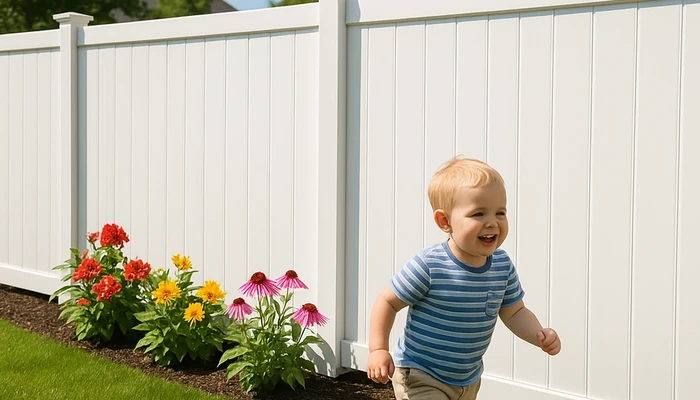
Many homeowners choose vinyl for the robust sense of enclosure it provides. Solid privacy panels block unwanted views and help contain pets, while the lack of protruding nails or sharp metal makes vinyl a child- and pet-safe option.
- Height and panel spacing can be customized for maximum privacy
- Gate systems can easily integrate locks for perimeter security
- Easy to install around pools or play areas to meet safety standards
Read about residential security in Reasons to Choose Vinyl Fencing for Residential Security.
5. Environmentally Friendly Options
Modern vinyl manufacturing has evolved. Many products use recycled content and are fully recyclable at the end of their service life. Since no paint, stains, or harsh cleaners are required, vinyl fences also minimize chemical runoff.
- Some brands use up to 70% recycled post-consumer PVC in fence panels
- Zero need for harmful chemical-based maintenance products
- Long lifespan reduces frequent replacements, saving resources
For eco-conscious comparisons, check PVC Fencing: A Sustainable Outdoor Solution.
6. Easy and Predictable Installation
Many vinyl fences use routed posts and tongue-and-groove systems, making installation straightforward for professionals. Sections can be custom-fit to challenging landscapes, including slopes and uneven ground, with a secure, rigid finish. Consult Chicagoland Fence Pros for difficult layouts or code questions.
- Pre-fabricated panels reduce on-site labor
- Fewer tools and fasteners required compared to wood or metal
- DIY is possible for simple installs—though professional help ensures code compliance
Read how vinyl adapts to Chicago-area terrain: Adaptability of Vinyl in Difficult Terrain.
Key Considerations: Is Vinyl Fencing Right for You?
Before choosing vinyl, it’s wise to understand potential trade-offs. Let’s compare factors like upfront cost, repair needs, and fence life cycle versus other materials:
| Material | Durability | Maintenance | Average Lifespan | Upfront Cost | Color/Style Options |
|---|---|---|---|---|---|
| Vinyl | Excellent | Very low | 20–30+ years | Medium–High | Many |
| Wood | Good* | High | 10–20 years* | Low–Medium | Many |
| Chain Link | Very good | Low–Medium | 20–25 years | Low | Limited |
| Aluminum | Excellent | Low | 25–40 years | High | Moderate |
*Wood fences in the Chicago, Illinois area may have a shorter life due to humidity and freeze-thaw cycles. Maintenance frequency depends on finish and exposure.
For more cost insights, visit our Affordable Vinyl Fence Cost Guide.
Common Questions About Vinyl Fences
Homeowners in Chicago, Illinois often ask about code issues, cleaning, value, and more. Here are some smart questions to ask before you decide:
- Will vinyl fencing meet my neighborhood’s building codes or HOA rules? Always check local ordinances and homeowner association guidelines before installation. Chicagoland Fence Pros can help you interpret regulations specific to your property.
- How does vinyl impact property value? A well-installed, well-maintained vinyl fence can boost curb appeal and perceived property value. Learn more at Vinyl Fences and Home Value.
- Is repair difficult if part of the fence is damaged? Most vinyl fences use interlocking panels, so damaged sections can often be replaced individually, though older models may require replacing a full panel or post for a seamless look.
- Can I combine vinyl with other materials? Yes. Vinyl integrates surprisingly well with metal or stone posts for a tailored look. See inspiration at Combining Vinyl Fences With Other Materials.
- What is the environmental impact? Many manufacturers increasingly use recycled materials and avoid harsh chemical treatments, making vinyl a greener choice than ever.
Comparing Vinyl With Other Fencing Materials
To make a truly informed decision, it’s important to compare vinyl fencing to wood, composite, chain link, and ornamental metal options. Each offers distinct advantages; the best fit depends on your needs.
- Wood: Natural warmth and inherent charm, but requires regular sealing or painting. Vulnerable to pests and rot in Midwest climates.
- Chain Link: Economical and effective for security, but limited privacy and style options.
- Aluminum/Wrought Iron: Classic style and high durability, but generally higher cost and may require periodic painting for rust prevention.
- Composite: Mix of synthetic and natural fibers—offers a wood-like look and good strength, but usually more expensive than vinyl.
For an in-depth side-by-side, read our Comparison: Vinyl Fences vs. Wooden Fences.
Practical Maintenance Tips for Vinyl Fences
One of the premier benefits of vinyl fencing is its minimal upkeep. Here are best practices to keep your fence looking new for years:
- Routine Cleaning: Rinse off dirt and debris with a hose; for stubborn spots, use a soft sponge and diluted soap.
- Inspect Annually: Check posts and panels for cracks, shifting, or loose hardware, especially after severe weather.
- Avoid Pressure Washing: Most manufacturers recommend low-pressure rinsing to avoid damaging the finish.
- Trim Nearby Vegetation: Keep shrubs and vines trimmed back to avoid surface stains or scratches.
Find more cleaning guidance at Easy Tips for Cleaning and Caring for Vinyl Fences.
Vinyl Fencing and Perimeter Security
While vinyl isn’t as rugged as solid steel or commercial chain link, it provides excellent perimeter protection in residential and many light commercial settings. Modern locking gate systems, tall panels, and anti-climb configurations are available.
- No sharp edges or exposed fasteners—safer for families and pets
- Compatible with coded or remote-operated security gates
- Can easily be adapted for pool code compliance or designated safe zones
Explore more on security: Vinyl Fence Security Technology.
Building Codes and Regulatory Considerations
Installing any fence—vinyl or otherwise—requires compliance with local building codes, zoning setbacks, and possibly HOA regulations. Requirements may include height restrictions, sight distance at corners, and material rules (especially near pools or public sidewalks).
- Obtain permits as required by the City of Chicago or your municipality
- Always check property lines and call utility marking services before digging
- Many HOAs have style, height, and color rules for uniformity
Not sure where to start? Contacting fence professionals like Chicagoland Fence Pros can streamline the process and help you avoid costly mistakes.
Real-World Case Examples: Vinyl Fence Success Stories
To see vinyl’s benefits in action, consider these example scenarios commonly addressed in our Chicago-area projects:
- Replacing Failing Wood: A homeowner frustrated with annual sealing and board rot chose a vinyl privacy fence, saving $400/year in maintenance and gaining a brighter yard appearance.
- Commercial Pool Perimeter: A property manager needed pool fencing that met city safety codes and stayed attractive after long, humid summers—vinyl’s code-compliance and water-resistance checked both boxes.
- Pet Enclosure: A family with active dogs selected a reinforced vinyl panel system for strength, smooth edges, and easy yard play with no splinters or rust risk.
Discover more customer outcomes at Vinyl Fencing for Community Gardens.
Integrating Vinyl Fencing With Modern Features
Today’s vinyl fencing isn’t one-size-fits-all. Innovations allow for creative customization:
- Integrated lighting—solar or low-voltage
- Decorative post caps and rails
- Wood-look, stone, or textured finishes
- Custom gates and smart locks
Browse style inspiration at Modern Vinyl Fence Designs.
External Authority Perspective
Major building organizations recognize the durability and versatility of modern fencing systems, including vinyl. For broader construction guidance, review authoritative resources like the American Fence Association’s Buyers Guide. When evaluating vinyl hardware and fasteners, it’s also worth noting innovations in metal treatments used in other fencing materials, such as hot-dip galvanizing for steel components—demonstrating the industry’s commitment to lasting, low-maintenance solutions.
Frequently Asked Questions About Vinyl Fences
- How long do vinyl fences typically last?
Vinyl fences in Chicago, Illinois can last 20–30 years or more when properly installed and cleaned. UV inhibitors and impact-resistant designs ensure longevity. - Do vinyl fences fade or discolor?
Quality vinyl uses color-through manufacturing and UV protection. Some fading may occur after many years, but is generally minimal compared to painted finishes. - Can vinyl fences withstand Chicago’s winters?
Modern vinyl is engineered for cold climates—resistant to cracking and designed to flex slightly with freeze-thaw cycles. - Is it possible to paint a vinyl fence?
Standard vinyl should not be painted, as it can void warranties and often leads to peeling. Choose your desired color at installation. - What styles are available?
Vinyl fencing comes in privacy, semi-private, picket, post-and-rail, and decorative designs, with a range of colors and finishes. Learn more at Vinyl Fence Styles for Your Garden. - Is installation DIY-friendly?
Simple vinyl projects can be DIYed with basic tools, but for best results and code compliance—especially on slopes—professional help is recommended. - Is vinyl safe for pets?
Yes. Vinyl is free of sharp edges, splinters, and toxic treatments, making it ideal for dog runs and play areas. - How does it compare to composite fences?
Composite blends wood fibers and plastic for a wood-like appearance and feel. Composite is often more expensive but offers some unique textures. Compare at Comparison: Vinyl Fences vs. Wooden Fences. - Does vinyl fencing increase property value?
Professionally installed, well-maintained vinyl fences can enhance curb appeal and contribute to a higher perceived value. Read about value at Vinyl Fences and Home Value. - How do I get a vinyl fence estimate for my property?
Request a vinyl fence estimate for Chicago and surrounding areas from Chicagoland Fence Pros.
Conclusion: Is Vinyl Fencing Right for Your Property?
Vinyl fencing offers Chicago, Illinois homeowners and property managers robust durability, easy maintenance, and a modern look—often with a lower lifetime cost than wood or metal. While upfront investment may be higher, the ongoing savings in repairs and upkeep can make vinyl a smart, worry-free choice for years to come. If you’re still deciding, consult with the experienced team at Chicagoland Fence Pros for honest material comparisons and code-compliant designs tailored to your needs. Talk to our fence specialists about your vinyl fence project and see how we can help secure and beautify your property.
Need ideas or want to explore more? Dive deeper into choosing vinyl fencing for long-term durability or get inspired by modern vinyl fence styles.
About Chicagoland Fence Pros
Chicagoland Fence Pros is a professional fence company with over 15 years installing fences in the Chicago, Illinois area. Our team specializes in residential and commercial vinyl, wood, aluminum, and steel fencing—prioritizing security, privacy, and code-compliance. We serve homeowners and businesses in Chicago, Illinois and nearby communities, offering fully insured, licensed, and honest fence solutions to meet every property need.
Chicago vinyl fence colors, chicago fence company, vinyl fence chicago, vinyl fence replacement, white vinyl fence Lake Bluff, vinyl fence in Washington, Hampshire vinyl fence, vinyl fence Westchester, vinyl fencing Mount Prospect, Tinley Park vinyl fence