 Skip to content
PVC Fencing: A Sustainable Outdoor Solution – The Complete 2024 Guide
Choosing the right fencing for your property is a big decision. Homeowners and property managers often face confusion about which materials balance sustainability, durability, and style—especially when tackling their first fence project. PVC fencing: a sustainable outdoor solution has emerged as a game-changer, but myths, outdated info, and eco-concerns can make decision-making challenging.
Whether you’re worried about Chicago weather, local code compliance, or the long-term environmental impact, you’ll find the clarity you need here. This guide explains how PVC fencing compares to other options, why it stands out for sustainability, honest trade-offs, what to expect in the real world, and best practices for installation and care. By the end, you’ll be equipped to choose whether PVC fencing is right for your home or community space—with practical steps, expert input, and links for further help from established professionals like Chicagoland Fence Pros.
Understanding Sustainability in Fencing: What Matters?
In recent years, sustainability has become a core consideration in building projects—and fencing is no exception. But what really makes an outdoor solution sustainable?
- Longevity: Materials that last longer reduce waste and the need for frequent replacements.
- Resource Use: Lower resource extraction and manufacturing impacts are ideal.
- Recycling & Reuse: The ability to recycle old panels and posts means less landfill.
- Maintenance: Fewer harsh chemicals and treatments are better for the environment.
With these points in mind, let’s take a closer look at what PVC fencing actually is, and how it aligns with modern sustainability goals.
How PVC Fencing Is Made: Material Science and Environmental Impact
PVC fencing is crafted from polyvinyl chloride—a versatile plastic originally developed for durability. Improvements over the past two decades have made PVC fencing more robust, more weather-resistant, and less prone to yellowing or brittleness than past generations.
Key environmental factors include:
- Reduced Painting/Staining: Unlike wood, PVC never needs painting or staining, removing sources of chemical runoff.
- Recycled Content: Most modern PVC fences feature some percentage of recycled vinyl, and many components can be recycled when replaced.
- Manufacturing Footprint: Leading manufacturers work to limit emissions and increase energy efficiency. Check the EPA’s resources (EPA National Library Network) for broader context.
While no fence is truly free from environmental impact, PVC is now considered a lower-impact solution when installed and maintained properly—a major factor for those seeking sustainable upgrades in the Chicago, Illinois area and beyond.
Comparing Fencing Materials: Sustainability, Maintenance, and Longevity
| Fencing Material | Sustainability | Durability/Lifespan | Maintenance |
|---|---|---|---|
| PVC/Vinyl | High (recyclable, minimal chemicals) | 20–30+ years | Low (rinse as needed) |
| Wood | Medium (renewable but needs chemicals) | 10–15 years (with care) | High (painting, sealing, repair) |
| Aluminum | High (recyclable, low energy use) | 25–40+ years | Low (check for corrosion) |
| Chain Link | Medium (galvanized steel can be recycled) | 15–20 years | Medium (watch for rust) |
Every material has advantages and drawbacks. For those prioritizing sustainability and low ongoing impact, PVC fencing shines. For further details on how vinyl compares, see Vinyl vs. Wood Fences.
PVC Fencing and the Chicago, Illinois Climate: Real-World Considerations
PVC fencing is popular with Chicago-area homeowners and property managers because it stands up to:
- Extreme cold and heat swings
- Heavy snow and ice loads
- High humidity and rainfall
- Summer sun and UV exposure
Unlike wood, PVC doesn’t rot or attract insects. Choose products with UV inhibitors for colorfastness and ask for reinforced panels/gates to handle wind loads. For more on winter durability, check The Evolution of Vinyl Fencing.
Design & Style Options: Adapting PVC to Your Property
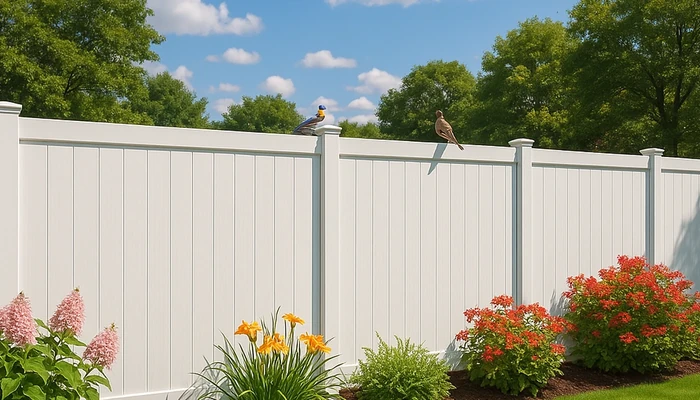
Modern PVC fencing is anything but cookie-cutter. Available in a broad spectrum of designs, colors, and textures, it adapts to nearly any architectural or aesthetic vision:
- Privacy panels (full height, decorative tops)
- Semi-private and picket styles
- Two-tone and wood-grain finishes
- Custom heights and gates for unique needs
To explore aesthetic options or match to your home’s color palette, see Vinyl Fence Colors and Finishes.
Eco-Friendly Benefits of PVC Fencing
PVC fences support sustainability in several ways:
- No toxic treatments or frequent repainting
- Resistant to mildew, avoiding harsh chemical cleaners
- Often made with recycled vinyl or byproducts
- Long lifespan—one of the best things for the environment is simply needing less frequent replacement!
For municipal projects or large-scale outdoor spaces, check regulatory guidance on sustainability—such as those captured via the Markets Galvanize Rail Transit site.
Code Compliance, Building Regulations, and HOA Considerations
Before you install any fence in Chicago or surrounding communities, always review:
- Local building codes (height, setbacks, approved materials)
- Homeowners’ association (HOA) guidelines on color, style, and placement
- Permitting requirements for your district
Failure to comply can result in costly rework. For deeper code and HOA advice, see A Guide to Choosing the Right Vinyl Fence and always check with local officials or your HOA board.
Installation Best Practices: DIY or Professional?
Installing PVC fencing requires:
- Precise measurement and layout
- Secure post anchoring (especially for Chicago frost lines)
- Proper panel spacing and leveling
- Careful gate and hardware selection
Errors during installation can impact fence longevity or violate local codes. Many Chicago homeowners opt for experienced contractors like Chicagoland Fence Pros to ensure every step—from design to inspection—is handled correctly. While there are some innovations in vinyl fence installation to support easier builds, heavy clay soils, frost heave, and property lines mean professional installation brings real peace of mind.
Interested in exploring commercial options instead? View Chicagoland Fence Pros’ Commercial Services.
Maintaining Your PVC Fence for Maximum Sustainability
Good news: PVC is one of the lowest-maintenance fencing materials on the market. Routine care includes:
- Cleaning: Wash seasonally with mild soap and water to remove dirt or algae.
- Inspecting: Check annually for any cracked posts, shifting, or hardware issues.
- Prompt Repairs: Address minor damage quickly to avoid bigger problems.
For more on easy strategies and cleaning tips, see Easy Maintenance for Vinyl Fences or Easy Tips for Cleaning and Caring for Vinyl Fences.
Environmental Impact Over Time: The Lifecycle of a PVC Fence
Sustainability isn’t just about the materials—it’s also about what happens during and after a fence’s service life. Important lifecycle points:
- PVC fencing’s long lifespan (20–30+ years) reduces replacement waste
- Reusable or recyclable components at chain-end
- No hazardous leaching or soil contamination under normal conditions
- Contributes less to waste streams compared to more frequently replaced wood or rusted metal fencing
In Chicago, Illinois and similar climates, these factors help PVC outperform many traditional alternatives when it comes to both long-term value and an eco-friendly profile.
Common Misconceptions About PVC Fencing’s Sustainability
- PVC is sometimes confused with less-durable plastics—in fact, quality fencing is engineered for decades of outdoor use.
- Modern manufacturing controls VOCs and environmental output rigorously.
- Recycling programs for vinyl and PVC materials have expanded in recent years—ask your installer about post-life recycling options.
FAQ: PVC Fencing as a Sustainable Outdoor Solution
- Q: How does PVC fencing differ from other vinyl options?
A: “Vinyl” and “PVC” are often used interchangeably in fencing. Quality products are made from weather-resistant, UV-protected polyvinyl chloride designed for outdoor use.
- Q: Is PVC fencing recyclable at the end of its life?
A: Yes—many installers reclaim old panels for recycling, and most modern fencing contains at least some recycled PVC content.
- Q: Does PVC fencing hold up to Chicago winters?
A: Absolutely—many local property managers select PVC fencing specifically for its ability to withstand harsh freeze-thaw cycles, ice, and snow loads.
- Q: What styles of PVC fencing are available?
A: Styles range from full privacy panels to decorative post-and-rail, with a variety of colors, textures, and height options to complement any property.
- Q: Can I install PVC fencing myself?
A: DIY kits exist, but professional installation is strongly recommended for code compliance, correct leveling, and maximum product life—especially with Chicago’s unique soils and codes.
- Q: Is PVC fencing more expensive than wood?
A: Initial costs may be higher, but lower maintenance and longer life mean total ownership costs are usually lower over 10–15 years.
- Q: What’s the environmental impact compared to wood?
A: PVC avoids chemical treatments and frequent replacement, reduces waste, and incorporates recycled content—making it a more sustainable option long-term.
- Q: Does PVC fencing require special cleaning products?
A: No—plain water and mild soap are typically all that’s needed, making maintenance eco-friendly.
- Q: Will my fence color fade over time?
A: Quality PVC products include UV inhibitors to help prevent fading. Choosing well-reviewed brands and professional installers is the best protection.
- Q: How can I ensure my project is as sustainable as possible?
A: Work with experienced contractors, choose products with recycled content, and always recycle components at project end where facilities allow.
Choosing PVC Fencing: Steps for Homeowners and Property Managers
- Assess your priorities: sustainability, privacy, style, budget
- Research HOA and municipal code requirements
- Compare PVC options, focusing on recycled content and durability ratings
- Consult with a local expert: experience in Chicago climates is invaluable
- Arrange professional installation for best results and long-term sustainability
Read our Practical Guide to Vinyl Fences for deeper planning tips, or explore aluminum options if you’re interested in recyclable metals as an alternative.
Conclusion: Sustainability, Value, and Next Steps with PVC Fencing
PVC fencing offers Chicago homeowners and property managers a practical, long-lasting and sustainable choice for security, privacy and curb appeal. By choosing quality materials, respecting local codes, and opting for expert installation, your new fence will be both environmentally friendly and a valuable asset for years to come.
If you’re ready to explore sustainable fencing for your property, request a residential PVC fencing estimate or discuss privacy and automatic gate solutions with our team. For general questions or to see more inspirational designs, talk to our fence specialists at Chicagoland Fence Pros. Our expertise in the Chicago, Illinois area ensures you get honest advice and compliance with all local requirements.
About Chicagoland Fence Pros
Chicagoland Fence Pros is a professional fence company with over 15 years of experience serving homeowners and businesses in Chicago, Illinois and nearby communities. The team specializes in residential and commercial fencing, including wood, vinyl, aluminum, and steel, with a strong commitment to code-compliant, eco-conscious, and high-security installations. Chicagoland Fence Pros is fully licensed and insured, and dedicated to helping clients find the best outdoor solution for privacy, safety, and long-term value.
chicago fence company, vinyl perimeter fence chicago, white vinyl fence, white vinyl fence River Forest, vinyl fence in the city of Buffalo Grove, white vinyl fence Highland Park, vinyl fence repair Carol Stream, vinyl fence Lincolnshire, vinyl fence Schaumburg, vinyl perimeter fence Mokena
