
Easy Maintenance for Vinyl Fences: A Practical Guide for Homeowners and Property Managers
Vinyl fences have earned a reputation for being both attractive and low effort to maintain, making them a smart investment for busy homeowners and property managers across Chicago and beyond. Yet, even ‘maintenance-free’ options deserve smart care to keep them looking their best. Confusion over what’s actually needed can lead to frustration, unnecessary costs, or missed opportunities to protect your investment. Whether you’re considering a new fence for privacy, curb appeal, or long-term durability—or you already have vinyl fencing and want to keep it at its best—understanding the realities of easy maintenance for vinyl fences will pay dividends. This guide provides clear advice, realistic expectations, and step-by-step tips you can count on. With practical experience from local projects, Chicagoland Fence Pros shares what truly works, ensuring your fence stays strong year after year, even in Chicago’s challenging climate.
Understanding Vinyl Fences
Vinyl fences, sometimes referred to as PVC fences, use robust, weather-resistant polymers for their construction. Unlike traditional wood or metal, vinyl resists rot, insect damage, and corrosion, making it a long-lasting, hassle-free option for both residential and commercial properties.
- Common Vinyl Fence Types: Privacy panels, picket fences, ranch-style rails, and decorative accent fences.
- Color Options: White, tan, gray, and woodgrain finishes.
- Durability: High-quality vinyl can last 20–30 years with minimal routine care.
If you’re still in the research phase, our complete guide to choosing the right vinyl fence offers a helpful introduction to style selection for your needs.
Key Benefits of Vinyl Fences and Maintenance Realities
Many manufacturers market vinyl fences as ‘maintenance-free.’ In reality, all outdoor structures need some care. The real advantage is how simple that care can be.
- Vinyl does not require painting or staining, cutting hours of annual upkeep.
- Cleaning is quick—soap and water or a mild power wash do the trick for most dirt and grime.
- No need to worry about termites, carpenter ants, or rust-related repairs.
- Vinyl’s flexibility helps it weather the freeze-thaw cycles common in Chicago, Illinois.
For a side-by-side look at how vinyl stacks up against wood, see our vinyl vs. wooden fence comparison.
Fundamentals of Easy Maintenance for Vinyl Fences
Simple habits and occasional inspections will go a long way. Here’s what an annual and seasonal maintenance routine might look like:
- Visual Inspection: Walk the length of your fence each spring and fall. Look for cracked or broken boards, loose posts, and signs of shifting.
- Gentle Cleaning: Wash your fence with a garden hose, a soft brush, and a mild soap solution. For tougher spots, use a vinegar solution, or a simple store-bought vinyl cleaner.
- Mold and Mildew: Shady and damp spots sometimes develop mold or algae. Use a soft brush and vinegar, or diluted bleach (never undiluted), to gently scrub affected areas. Rinse thoroughly.
- Check Gate Hardware: Ensure latches and hinges operate smoothly, lubricate as needed, and tighten any loose fasteners.
- Trim Nearby Landscaping: Prune any shrubs, vines, or trees that lean on or grow through your fence to prevent scratches and maintain airflow.
For a deeper dive, read our easy cleaning and care tips for vinyl fences.
Step-by-Step: Cleaning and Removing Stains
Vinyl fencing resists most staining, but wind-blown debris and airborne pollutants can still cause discoloration. Here’s a proven approach:
- General Cleaning
- Rinse fence with a garden hose.
- Mix mild dish soap with warm water; use a soft cloth or sponge to wipe panels.
- Rinse again and air dry.
- Tougher Stains
- For scuff marks: Use a non-abrasive household cleaner and a soft-bristle brush.
- Tree sap, tar, or paint: Try isopropyl alcohol on a soft cloth. Test in an inconspicuous spot first.
- Don’t use abrasive pads or harsh solvents, which can damage the finish.
- Mold or Algae
- Mix a solution of 1 part white vinegar to 3 parts water, or use a diluted household bleach solution (one cup bleach to a gallon of water).
- Apply with a sponge or spray bottle, let sit a few minutes, scrub gently, then rinse thoroughly.
For more cleaning details, visit our essential steps to maintain your vinyl fence.
Repair and Longevity: What Owners Need to Expect
One of the guiding strengths of vinyl fencing is the modular panel system, making repairs often easier than with wood or metal. Still, it’s important to approach repairs thoughtfully:
- Cracks or Holes: For minor cracks, vinyl repair kits can restore cosmetic appearance. Significant damage may require panel replacement for safety and aesthetics.
- Loose Posts: Re-level and reinforce as needed, ideally with professional help.
- Hinges or Latches: Replace worn hardware with rust-resistant materials.
| Aspect | Vinyl Fence | Wood Fence |
|---|---|---|
| Painting/Staining | Never needed | Every 2–4 years |
| Rot & Insect Issues | No risk | Common problem |
| Routine Cleaning | 1-2 times/year | 1-2 times/year |
| Repair Approach | Panel/module swap | Board/section replace; frequent repairs |
| Warranty | Common (20+ years) | Rare (varies) |
Recognizing when a fence needs professional assessment can save time and money. If major panels or posts shift after a freeze-thaw cycle—a common issue in Chicago, Illinois—contact a specialist.
Environmental and Seasonal Care: Chicago, Illinois Considerations
Chicago brings sharp winters, humid summers, and strong wind storms. Luckily, most high-quality vinyl products are formulated to withstand both UV and freezing temperatures.
- Remove snow gently with a broom, avoiding shovels that may scratch or snap panels.
- During thaw cycles, inspect soil and footings for movement.
- Rinse off road salt residue from panels bordering driveways.
These seasonal care routines will keep your fence in optimal shape. Local property managers appreciate that vinyl’s low maintenance lets them focus elsewhere.
Preventing Common Problems and Avoiding Mistakes
- Never use pressure washers above 1,500 PSI: Too much force may warp or splinter vinyl surfaces.
- Avoid harsh cleaners: Products containing acetone or undiluted bleach can discolor or weaken panels.
- Regular landscaping: Overgrown shrubs trap moisture, increasing chances of mildew buildup.
- Check for loose soil around base posts: Soil washout can destabilize the fence after heavy rain or winter melt.
Explore more strategies in our guide to preventive maintenance for vinyl fences.
Comparing Vinyl Brands and Materials
Not all vinyl fences are created equal. Some premium brands incorporate titanium dioxide for UV resistance or interior ribbing for enhanced strength. Be sure to request details about manufacturer warranty coverage and how it applies to repairs or color fade.
For a breakdown of leading brands and selection advice, browse our guide to the best vinyl fence brands.
Cost and Long-Term Value of Vinyl Fence Maintenance
The upfront price of vinyl may be slightly higher than budget wood options, but long-term savings on stain, paint, and repairs often make it the better investment. Here’s a quick comparison:
| Maintenance Task | Vinyl (Avg. Cost/10 Years) | Wood (Avg. Cost/10 Years) |
|---|---|---|
| Stain/Paint | $0 | $800–$1200 |
| Annual Repairs | $100 | $300 |
| Cleaning | $20 | $20 |
| Total | $120 | $1120–$1520 |
Actual costs fluctuate by fence height, length, and region. Contacting a professional fence installer in your area provides the best estimate for your project.
Vinyl Fence Maintenance and Building Codes
Homeowners in Chicago, Illinois should always check local building codes or HOA rules. Some areas have requirements for fence height, property lines, or materials that can impact both installation and ongoing maintenance.
Consult a reputable local company or city website for up-to-date guidance before scheduling repairs or upgrades.
When to Call a Professional for Vinyl Fence Maintenance
- Major Shifting or Tilt: If your fence leans or sags after a storm or thaw, professionals can assess and restabilize posts.
- Extensive Damage: Large breaks, vehicle impacts, or vandalism may require specialized replacement materials.
- Warranty Claims: Trying advanced repairs without authorized help can void manufacturer warranties. When in doubt, schedule an inspection.
If you’re ready for guidance or a detailed quote, request a fence estimate from our vinyl specialists and learn how we approach code-compliant, low-maintenance installations.
Vinyl Fence FAQs
- How often should a vinyl fence be cleaned?
For most homes, cleaning your vinyl fence once or twice per year keeps it looking new. Heavier urban pollution or shaded locations may require an extra cleaning.
- Can pressure washers be safely used?
Yes, but use a setting below 1,500 PSI and a wide fan tip. Hold the wand at least 12 inches from the surface. Avoid corners and post caps, as intense pressure may dislodge them.
- What if my vinyl fence turns yellow?
Mild discoloration can result from pollen, dust, or pollution. Gentle cleaning or vinyl cleaner usually removes it. Persistent yellowing could indicate low-quality material; consult your installer if unsure.
- How do I remove mold or algae?
Use diluted vinegar, bleach, or a vinyl-friendly cleaner. Most growths are surface-only and scrub off easily with soft brushes.
- Will vinyl fences become brittle in cold Chicago winters?
High-quality vinyl is engineered to flex slightly, resisting cracking during freeze-thaw cycles. Older or cheaper fences may be more prone to brittleness in extreme cold.
- Is it easy to replace damaged vinyl panels?
Yes, most vinyl fencing is modular. Individual panels can often be swapped without dismantling large sections. For structural repairs, consult a professional.
- Are vinyl fences recyclable?
Many modern vinyl fences use recyclable materials. Confirm with your installer or check for recycling codes marked on discarded sections.
- Do vinyl fences require any special care after storms?
Inspect for shifting, leaning, or windblown debris. Rinse off mud or road salt after major weather events, especially in Chicago’s snowy season.
- How long will a typical vinyl fence last?
With routine cleaning and prompt repairs, most vinyl fences last 20–30 years or longer, making them a long-term investment for your property.
- Does UV exposure damage vinyl fencing?
Most quality vinyl fences contain UV inhibitors that prevent fading or chalking. Extremely bright, direct sun may gradually dull the finish, but the effect is much less than with painted wood.
Conclusion: The Smart Approach to Easy Vinyl Fence Maintenance
Easy maintenance for vinyl fences isn’t just a sales promise—it’s a practical reality, especially with the right habits and materials. Chicago property owners benefit from vinyl’s resilience, as minimal annual care goes a long way in prolonging both beauty and structural integrity. If you’re considering a new low-maintenance fence or want expert advice to optimize an existing installation, reach out to local professionals. Explore our advantages and benefits of vinyl fences guide to compare options or talk to our fence specialists for a complimentary maintenance consultation.
For further home improvement ideas and best practices for maintaining outdoor spaces, trusted resources like House Beautiful offer valuable home care insights.
About Chicagoland Fence Pros
Chicagoland Fence Pros offers over 15 years of experience in fence installation, repair, and maintenance throughout Chicago, Illinois and surrounding communities. Specializing in durable vinyl, wood, aluminum, and steel fencing, we help homeowners and property managers secure their properties with code-compliant, attractive, and low-maintenance solutions. Fully licensed and insured, our team delivers honest advice on materials, costs, and long-term value—always with a focus on transparency and customer care. Chicagoland Fence Pros proudly serves residential and commercial projects of every size.
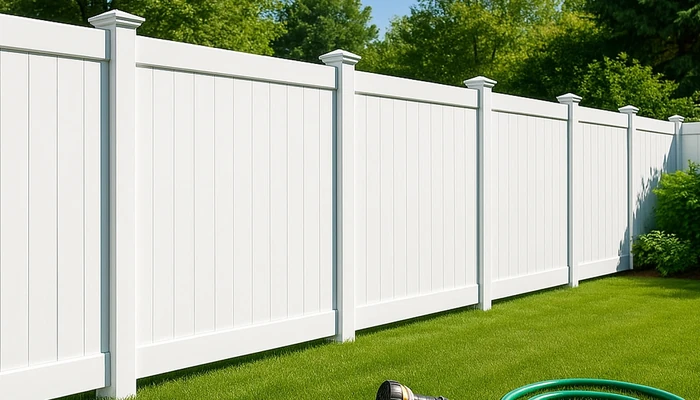
fencing companies chicago, vinyl perimeter fence, white vinyl fence chicago, vinyl fence in the city of Villa Park, vinyl fence styles Westmont, vinyl fence Wilmette, vinyl fence in Des Plaines, Union Ridge vinyl fence, vinyl fence styles Lakeview, vinyl privacy fence Highland Park