
Vinyl Fences and Home Value: A Realistic Guide for Chicago Homeowners
Choosing the right fence can be one of the most impactful decisions when upgrading your property. For homeowners and property managers in Chicago, privacy, curb appeal, and long-term value are all critical considerations. While there are many options available, vinyl fences and home value is a topic that draws much attention. Vinyl fencing has earned its place among the most popular choices for residential and commercial projects, but how does it actually influence property value? What trade-offs should you expect compared to wood or metal? How can proper installation, materials, and design maximize your return on investment? In this comprehensive guide, we’ll walk you through all aspects—from durability to aesthetics, neighborhood preferences, and real-world advice—so you can approach your next fence project with clarity and confidence. As a team with over 15 years of experience installing fences across the Chicago, Illinois area, Chicagoland Fence Pros is committed to honest, realistic education for every property owner.
Understanding the Connection: Vinyl Fences and Property Value
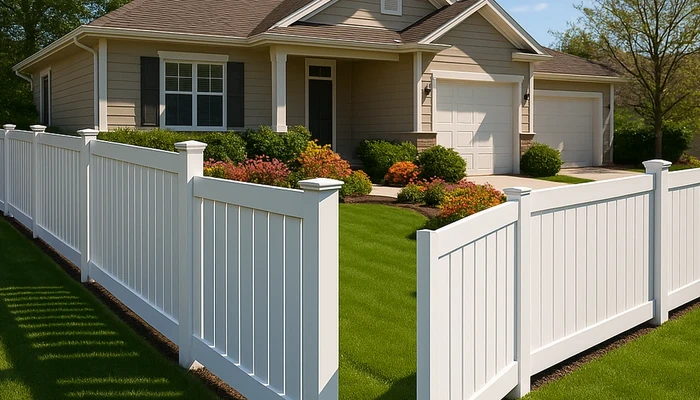
Many homeowners want to know: Does installing a vinyl fence increase my home’s value? The answer depends on your goals, neighborhood, and how the project is executed. While fencing rarely delivers dollar-for-dollar returns, a well-placed and well-maintained vinyl fence can enhance desirability, security, and buyer interest.
- Curb appeal: Clean, attractive fencing creates a strong first impression.
- Privacy and security: Defined boundaries are especially prized in suburban and urban Chicago neighborhoods.
- Low maintenance: Durable vinyl means less upkeep and longer-lasting good looks compared to wood.
- Buyer expectations: Certain neighborhoods value fences for family or pet safety, while others prioritize open landscapes; local trends matter.
It’s important to evaluate these factors alongside your long-term plans and other home improvement priorities.
What is a Vinyl Fence? Core Characteristics Explained
A vinyl fence is made primarily from polyvinyl chloride (PVC), engineered for outdoor durability and resistance to moisture, pests, and sunlight. Vinyl fencing is known for its uniform appearance, strength, and ease of maintenance. Unlike wood, it does not require painting, sealing, or protection against rot and insects.
- Color & finish options: Now available in textures and shades resembling wood or painted finishes.
- Styles: From full-privacy panels to decorative picket or post-and-rail designs.
- Maintenance: Occasional washing keeps vinyl fences looking new for years, with minimal repairs required (see easy maintenance guide).
For a detailed comparison of vinyl fencing types and PVC materials, don’t miss our hub Differences Between Vinyl Fences and PVC Fences.
How Vinyl Fencing Impacts Curb Appeal and Buyer Perception
The first thing potential buyers notice about a property is its exterior. Vinyl fences offer a crisp, clean look with customizable designs. Here’s how they can tip the scales when it comes to attractiveness and perceived value:
- Consistent appearance: Vinyl won’t fade or warp, keeping your home’s boundaries inviting for years.
- Style versatility: Match your fence to both traditional and modern homes with options such as lattice-tops or horizontal panels (see modern vinyl fence styles).
- Neighborhood fit: In areas where privacy fencing is expected, a dilapidated or mismatched fence can lower perceived value.
For creative inspiration, visit our article on creative styles for outdoor vinyl fences.
Durability and Longevity: The Vinyl Fence Advantage
Chicago’s climate is tough on exterior materials—a key reason why long-term durability matters. Vinyl fencing withstands Midwest winters, UV rays, and moisture without splintering or rusting. Its resilience can help maintain your property’s value by minimizing future repair or replacement costs.
- No rot, no rust: Unlike wood or metal, vinyl is impervious to decay and corrosion.
- Minimal repairs: High-quality vinyl rarely requires more than basic cleaning (tips for preventive maintenance).
- Long warranties: Many manufacturers offer extended coverage—always read the terms carefully (understand fence warranties).
According to technical reports and industry standards published by organizations such as ASTM (see ASTM technical reports), choosing a reputable manufacturer and installer is crucial for code compliance and long-term fence performance.
Vinyl Fence Styles and Their Impact on Property Value
The style of your vinyl fence can dramatically affect both usability and how buyers perceive your property:
- Privacy fences: Increase value in densely populated urban settings by blocking street or neighbor views.
- Decorative fences: Add charm and appeal to the front yard with classic picket or custom-top designs.
- Mixed-material solutions: Blend vinyl with wood or aluminum accents for greater style flexibility (explore combining materials).
When choosing, consider the architectural style of your home and neighborhood trends. Consistency can prevent reduced value due to mismatched design.
Cost Factors: Installation, Maintenance, and Long-Term Value
Vinyl fences cost more up front than most wood alternatives, but offer lower overall maintenance expenses. Factors you should consider include:
- Material quality: Thicker, higher-grade vinyl panels last longer and look better.
- Labor: Professional installation ensures correct placement, compliance, and durability, which protects your investment (VINYL FENCE INSTALLATION SERVICES).
- Long-term ROI: Lower cleaning and repair costs often make vinyl less expensive over a 10- to 20-year span (review our cost-benefit breakdown).
| Fence Type | Initial Cost | Annual Maintenance | Life Expectancy |
|---|---|---|---|
| Vinyl | $$ | Low | 20–30 years |
| Wood | $ | Medium-High | 10–15 years |
| Aluminum | $$ | Low | 20+ years |
| Chain-link | $ | Low | 15–20 years |
For the latest on affordability, see our affordable vinyl fence cost guide.
Chicago Codes, HOA Rules, and Buyer Expectations
Local regulations in the Chicago, Illinois area can significantly influence what type of fencing is appropriate—or even allowed. Before making a final decision:
- Check your local building codes and city permit requirements (see official guides from recognized standards organizations).
- Consult your HOA (if applicable) to understand style, height, and color restrictions.
- Discuss with neighbors—good communication can prevent disputes and may uncover helpful recommendations or pitfalls.
Code compliance not only avoids costly legal issues, but also ensures your investment adds value rather than detracting from it. Chicagoland Fence Pros always recommends full project disclosure and official sign-offs before starting any installation.
Realistic Expectations: Vinyl Fence Myths and Trade-Offs
Vinyl fences provide many advantages, but it’s important to set honest expectations:
- Not completely damage-proof: Impact from vehicles or falling trees can crack panels.
- Color limitations: Most vinyl fences are white or light colors—darker options can be more prone to fading.
- Upfront investment: Higher initial cost compared to entry-level wood fences.
On the flip side, the trade-offs include decades of stable performance, minimal upkeep, and strong weather resistance—especially in Chicago’s varied climate.
Maintenance Made Easy: Maximizing Your Vinyl Fence’s Lifespan
One major reason homeowners choose vinyl is its low-maintenance nature. Key tips include:
- Rinse occasionally with a hose to remove debris and dust.
- Spot-treat stains with soapy water—harsh chemicals usually aren’t needed.
- Perform annual inspections for cracks, loose posts, or gate misalignment (essential maintenance guide).
This routine helps both appearance and value. For more advice on cleaning, see our easy cleaning guide.
When to Consult a Professional Fence Contractor
Installation errors can undermine the value that a vinyl fence adds to your home or building. In the Chicago, Illinois area, extreme weather and soil conditions add extra challenges. A professional like Chicagoland Fence Pros can ensure:
- Code-compliant installation that maximizes lifespan and property value.
- Crystal-clear cost and material options.
- Accurate measurement and design to avoid costly mistakes.
Ready to take the next step? Contact Chicagoland Fence Pros for honest advice or to request a fence estimate tailored to your needs.
Frequently Asked Questions (FAQs) on Vinyl Fences and Home Value
How much does a vinyl fence increase home value?
The exact increase depends on property location, local preferences, and fence quality. While vinyl fences may not always boost appraised value significantly, they often raise perceived value and buyer interest—sometimes resulting in a higher sale price or faster sale.
Do buyers prefer vinyl or wood fences?
Today, many buyers appreciate the clean look and low maintenance of vinyl, especially if the style suits the home. However, some prefer natural wood for historical or aesthetic reasons. Always consider neighborhood trends.
Is vinyl fencing a good investment in Chicago?
Yes, particularly given the demanding weather conditions. Vinyl does not rot, rust, or require frequent upkeep, making it attractive to both homeowners and commercial property managers in the Chicago, Illinois area.
How long does a vinyl fence last?
With proper care and professional installation, vinyl fences commonly last 20–30 years or more, outlasting basic wood options by a wide margin.
Does vinyl fencing require a permit in Chicago?
Most fence projects require city permits. Always check with local authorities or a licensed installer before starting.
Can I install a vinyl fence myself?
While DIY kits exist, most property owners benefit from expert installation—reducing risks of improper placement, code violations, or future repairs.
What is the best way to clean a vinyl fence?
For everyday care, a hose and non-abrasive soap are sufficient. For tougher stains, specialized cleaners approved for vinyl may be used. Avoid harsh abrasives or pressure washers unless the manufacturer approves.
How do I choose the best fence style for my property?
Consider your goals: privacy, decorative design, pet or child safety. Review local trends and restrictions. For expert style comparisons, see Modern Vinyl Fence Styles.
Are there eco-friendly vinyl fence options?
Some manufacturers utilize recycled materials. Ask your installer for sustainable options if this is a priority.
Do vinyl fences come with a warranty?
Yes, most quality suppliers provide warranties ranging from 10 years to limited lifetime coverage. Always read warranty details for exclusions and care requirements.
Conclusion: Making the Right Vinyl Fence Choice for Your Property
Vinyl fences are a smart, value-adding upgrade for many Chicago-area properties—delivering strong curb appeal, privacy, and low maintenance costs. By understanding the true impact of vinyl fences on home value, and how style, installation, and neighborhood context influence your investment, you can make the right decision for your property’s future.
If you’re ready to explore your options or need clear, local advice, request a vinyl fence estimate or contact Chicagoland Fence Pros for expert consultation.
About Chicagoland Fence Pros
Chicagoland Fence Pros is a trusted expert with over 15 years of experience installing and maintaining fences in the Chicago, Illinois area. Serving both homeowners and businesses, we specialize in vinyl, wood, metal, and composite fencing for residential and commercial properties. Our team prioritizes code-compliance, honest material recommendations, and transparent project management so every customer can enhance security, privacy, and property value with confidence.
fence companies chicago, Commercial Vinyl Fence Installation Chicago, the best commercial vinyl fence installation in Chicago, vinyl perimeter fence Edison Park, vinyl fence replacement North Park, vinyl fence in the city of Long Grove, vinyl fence in Skokie, vinyl perimeter fence Marengo, vinyl fencing Lockport, vinyl fence Orland Park