
Exploring the Durability of Vinyl Fencing Panels: An In-Depth Guide for Homeowners and Property Managers
Choosing a fence isn’t always easy, especially if you’re not sure how different materials perform over time. Many homeowners and property managers, particularly in places like Chicago, Illinois, want a solution that combines security, privacy, curb appeal, and lasting value without endless maintenance. One of the most common questions we hear at Chicagoland Fence Pros is, “How durable are vinyl fencing panels really?” This guide dives deep into the materials, manufacturing, weather resistance, and care of vinyl fencing. By the end, you’ll have the knowledge to decide if vinyl is the right fit for your property—and know what to expect long-term.
Understanding Vinyl Fencing Panels: What Are They?
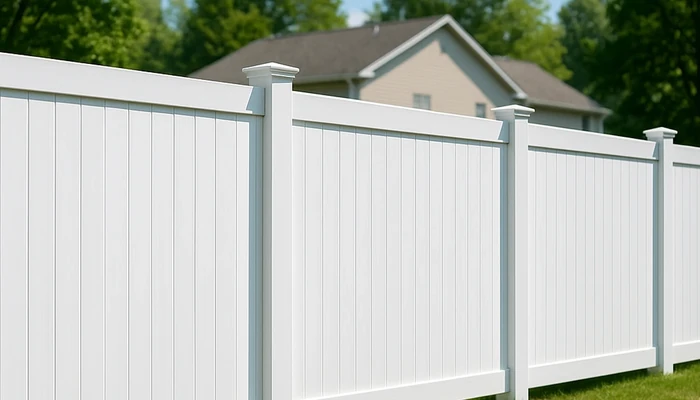
Vinyl fencing, also called PVC fencing, is made from polyvinyl chloride—a strong, weather-resistant plastic. Modern vinyl panels are engineered to withstand UV exposure, temperature extremes, and everyday wear, making them a popular choice in both residential and commercial settings. But what makes vinyl panels different from other fencing options? It all starts with the composition and manufacturing standards.
How Are Vinyl Fence Panels Made?
The manufacturing process for vinyl panels involves extruding PVC resin (often combined with impact modifiers and UV inhibitors) into panels, pickets, and rails. These additives improve the fence’s flexibility, strength, and ability to resist fading and cracking over time. Premium manufacturers comply with guidelines set by organizations like ASTM International, which sets standards for building materials’ quality and safety. (Learn more about ASTM standards at ASTM International.)
The Science of Durability: What Affects Vinyl Fence Longevity?
Several factors determine just how long vinyl panels will last, especially in the tough Midwest climate:
- Material quality: Pure, virgin PVC is more durable than recycled blends, which can become brittle faster.
- UV inhibitors: Additives protect against sun damage and fading.
- Wall thickness: Thicker panels and rails have better structural integrity.
- Climate exposure: Chicago’s freeze-thaw cycles, heavy snow, and summer storms all test a fence’s endurance.
- Installation method: Professional installation with proper post depth and secure anchoring reduces the risk of warping or shifting.
Vinyl vs. Other Fencing Materials: Durability Showdown
| Material | Typical Lifespan | Maintenance | Weather Resistance | Cost (Est.) |
|---|---|---|---|---|
| Vinyl | 20–30 years | Low | Excellent | $$–$$$ |
| Wood | 10–15 years | High | Fair | $–$$ |
| Aluminum | 20+ years | Low | Very Good | $$$ |
| Chain Link | 15–20 years | Medium | Good | $ |
| Wrought Iron | 20–50 years | High | Variable (prone to rust) | $$$$ |
Note: These are typical ranges for well-installed, properly maintained fences. Material brands, local codes, and individual site conditions can impact performance.
Interested in a deeper comparison with wood? Check the full vinyl vs. wood fence guide.
Weather Resistance: How Vinyl Holds Up in Chicago’s Climate
Homeowners in Chicago, Illinois know how unpredictable the weather can be. Vinyl fencing excels at withstanding rain, snow, ice, and sun—without warping, splintering, or attracting pests. Its surface is non-porous, so moisture won’t cause rot or mold buildup. Be sure to choose panels with reinforced rails and thick posts for snowy winters and strong winds.
To learn about adapting vinyl fences to tough terrain, see this guide on vinyl adaptability.
Common Risks, Myths, and Real-World Performance
- Myth: Vinyl will crack in the cold.
Reality: Premium panels have freeze-resistant modifiers and are tested for northern climates. - Myth: Vinyl always turns yellow.
Reality: Cheap panels may discolor, but most modern products include UV inhibitors that maintain color for decades. - Concern: Panels may sag if posts are spaced too far apart.
Advice: Choose reputable installers familiar with local weather and code.
From our experience as a fence company in Chicago, Illinois, the most common issues arise from poor installation or low-grade materials—not from the vinyl itself.
Maintenance Expectations: How to Keep Vinyl Fencing Looking New
One of the great appeals of vinyl fencing is its low maintenance. There’s no need for painting or staining:
- Wash panels with mild soap and water as needed.
- Inspect hardware and posts after harsh storms.
- Treat scuffs or marks promptly to avoid staining.
Check out our detailed tips in this vinyl cleaning guide.
Maintenance Comparison Table
| Material | Regular Cleaning | Painting/Staining | Repairs Needed |
|---|---|---|---|
| Vinyl | Soap & water | No | Rare |
| Wood | Mild cleaner | Yes (2–5 yrs) | Frequent |
| Chain Link | Occasional | No | Possible rust fixes |
| Wrought Iron | Brush debris | Yes (anti-rust) | Rust/paint touch-up |
Visual Appeal and Versatility of Vinyl Panels
Vinyl comes in many colors, textures, and profiles—often imitating wood grain or contemporary styles. This flexibility allows for total privacy, semi-private, picket, or decorative panel options that blend with nearly any home or commercial architecture.
- Privacy panels ensure solitude and security around backyards or pools.
- Semi-private panels offer airflow while maintaining some screening.
- Decorative accents, caps, and gates complete the look.
For inspiration, visit our vinyl styles gallery.
Security and Code Compliance Considerations
Beyond appearance, fences must meet safety and zoning requirements. Vinyl panels are available in heights and designs that satisfy Chicago building codes for pool barriers, commercial perimeters, and residential privacy. Always check local ordinances and, if applicable, homeowners’ association guidelines before installation. To learn more about common fence code requirements, consult the ASTM Building Codes resource.
Cost Factors and Value Over Time
While the initial investment in vinyl can be higher than wood or chain link, its long-term savings are significant due to low maintenance, fewer repairs, and superior lifespan. Homeowners in Chicago, Illinois often report that their vinyl fences look nearly new after a decade—with only occasional washing required.
For more on value, see this guide to vinyl and home value.
Professional vs. DIY Installation: What to Consider
Proper installation is crucial to achieve the full benefits of vinyl’s durability. Professional installers understand how to:
- Set posts below the frost line
- Use correct spacings for panels
- Address site slopes and obstacles
If you’re considering DIY vinyl fence installation, check manufacturer guides and local regulations. In many cases, involving an expert ensures the fence is built to last.
For commercial and residential installation services, you can request a vinyl fence estimate from Chicagoland Fence Pros.
Realistic Expectations and Lifespan: What to Plan For
The best vinyl panels hold up for over 20 years, even in extreme climates. However, cheap or improperly installed panels may need replacement much sooner. Expect a quality vinyl fence in Chicago to require only basic cleaning, minor hardware checks, and possibly occasional gate adjustments. Understand that while vinyl is highly durable, severe storms or impacts (such as falling branches) can damage sections, so keep a few extra panels on hand if possible.
Frequently Asked Questions About Vinyl Fence Durability
How long do vinyl fencing panels last in Chicago?
Most well-made vinyl fence panels last 20–30 years in the Chicago climate, provided they’re installed correctly and receive occasional cleaning.
Will vinyl fencing crack or warp in the Midwest weather?
Not if you select panels designed for freeze-thaw cycles and UV exposure. Modern vinyl includes additives for flexibility and weathering.
How does vinyl’s durability compare to composite fences?
Both are highly durable and low maintenance. Composites combine wood fibers and plastics for extra rigidity, while vinyl is pure PVC. Maintenance needs are similar, but design and cost can vary.
Is vinyl fencing safe for pets and children?
Yes, vinyl fences are smooth and free of splinters or toxic finishes. Many families choose vinyl for playgrounds and pet enclosures. Learn more in our pet-friendly fencing guide.
What should I look for in a durable vinyl panel?
Check for thick wall profiles, reinforced rails, strong post anchoring, and a solid manufacturer’s warranty. ASTM-compliant products are a good standard.
Do vinyl fences fade or discolor over time?
High-quality panels with UV inhibitors resist fading and yellowing for decades, even under strong sunlight.
Can vinyl fencing be repaired if damaged?
Individual panels or rails can often be replaced without replacing the whole fence. Consult a professional for major repairs.
Does vinyl work on sloped or difficult terrain?
Yes, panel systems can be stepped or contoured to match most landscapes. See our sloped terrain vinyl guide.
What maintenance does vinyl fencing require?
Just occasional washing with soap and water, and routine inspection for loose or damaged hardware after storms.
How do I choose the right vinyl fence installer?
Look for companies with experience in your climate, strong local references, insurance, and deep knowledge of city codes. Chicagoland Fence Pros fits all these criteria.
Conclusion: Is Vinyl Fencing the Right Choice for Your Property?
Vinyl fencing panels offer impressive durability, beautiful appearance, and low maintenance—especially for homeowners and property managers in Chicago, Illinois. With the right selection, installation, and care, you can enjoy decades of worry-free ownership. Ready to take the next step? Contact Chicagoland Fence Pros with your questions, or explore more guides in our long-term vinyl fence selection resource.
Want to compare other materials, like iron, composite, or chain link? Visit our service pages to explore wood fencing pros and cons or compare composite fence options for your property’s unique needs.
About Chicagoland Fence Pros
Chicagoland Fence Pros is a professional fence company with over 15 years of experience installing and maintaining fences throughout Chicago, Illinois and surrounding communities. The team specializes in wood, vinyl, aluminum, steel, and composite fencing for both residential and commercial projects. Fully insured and code-compliant, Chicagoland Fence Pros delivers transparent advice and dependable service—helping property owners choose the right fence every time.
fence company chicago illinois, vinyl fence repair, vinyl perimeter fence chicago, vinyl fence styles Algonquin, vinyl fence repair Oswego, vinyl fence in Niles, vinyl fence in Hoffman Estates, vinyl fence Glenview, vinyl fence styles Norridge, white vinyl fence Burr Ridge