 Skip to content
Features of Industrial Fences: An In-Depth Guide
Choosing the right industrial fence can feel overwhelming, especially for homeowners and property managers encountering the options for the first time. The features of industrial fences go far beyond simply defining property lines—they play a critical role in security, privacy, appearance, and even property value. With the right guidance, you’ll gain the confidence to compare types, materials, and trade-offs, and to set realistic expectations for performance and maintenance. In the Chicago, Illinois area, weather and local codes add another layer of complexity. This in-depth guide from Chicagoland Fence Pros will break down the key features you should know, highlight which modern advancements make a difference, and empower you to make smart, lasting choices for your property’s perimeter.
Understanding Industrial Fences: Purpose and Application
Industrial fences serve several practical roles:
- Security: Help prevent unauthorized access, theft, and vandalism.
- Safety: Keep people, pets, and valuable assets protected.
- Privacy: Limit visual access to sensitive areas.
- Compliance: Meet municipal or industry regulations (especially important in Chicago, Illinois).
- Aesthetics: Enhance the visual appearance of commercial and industrial facilities.
Industrial fences are commonly installed around factories, warehouses, schools, utilities, medical campuses, and commercial properties, but they can also be a strong option for residential or mixed-use sites needing advanced security and durability.
Core Features of Industrial Fences
Modern industrial fences are engineered with specialized features for specific threats and needs. These include:
- Anti-Climb Designs: Tall fence structures, closely spaced pickets or mesh, and angled top guards help deter climbing.
- Anti-Cut Materials: Thicker-gauge steel, wrapped mesh, or welded panels offer resistance to cutting tools.
- Height Options: Industrial fences typically range from 6 to 12 feet or more, with taller heights for higher security zones.
- Visibility & Privacy: Choices range from fully open chain-link to total-privacy composite or vertical panel systems.
- Durability: Materials and coatings are selected for rust resistance, UV stability, and weather performance.
- Customization: Options for integrated signage, lighting, access controls, or barbed wire/razor wire toppers.
Types of Industrial Fencing Systems
Industrial fences come in various forms. Choosing the right one depends on your site, risks, and goals.
1. Chain-Link Fencing
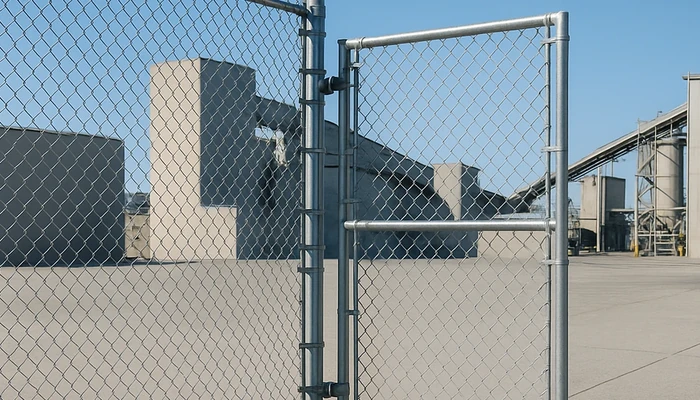
Popular for its affordability and visibility, chain-link is used extensively in Chicago and nationwide. With high-gauge mesh, powder coating, and optional privacy slats or wind screens, chain-link can provide both security and visual screening. Anti-climb or anti-cut upgrades are available.
2. Welded Wire and Mesh Panels
Welded wire fencing consists of rigid steel panels and sturdy frames, offering improved cut resistance and a more modern look than traditional chain-link. They’re a common choice for higher-security applications and can be designed with anti-climb features.
3. Ornamental and Tubular Steel or Aluminum
Ornamental metal fence systems combine security with aesthetic appeal. Round or square pickets (often with spear tops or decorative details) add an imposing barrier while enhancing curb appeal for commercial and institutional sites. Both steel and aluminum options exist, typically powder-coated for longevity.
4. Composite and Vinyl Fences
Where privacy and weather resistance are priorities, composite or vinyl panel fences are often used in industrial and mixed-use settings. They require minimal maintenance, won’t rust, and can be built to substantial heights for security.
5. High-Security and Specialized Fencing
- Barbed Wire / Razor Ribbon: Mounted atop fences to discourage climbing.
- Crash Barriers: Steel or concrete systems to protect against vehicle intrusion.
- Sound Barriers: Solid panel designs or integrated acoustic materials (learn more at Noise Reduction with Industrial Fences).
| Type | Security Level | Maintenance | Privacy | Cost (Est.) |
|---|---|---|---|---|
| Chain-Link | Medium to High (with upgrades) | Low | Low to Medium | $ |
| Welded Wire/Mesh | High | Low | Low to Medium | $$ |
| Ornamental Steel/Aluminum | Medium-High | Low to Medium | Low | $$$ |
| Composite / Vinyl | Medium | Very Low | High | $$$ |
| Barbed Wire / Crash Barriers | Very High | Low | Low | Varies |
Key Materials Used in Industrial Fencing
The choice of material directly affects cost, performance, and longevity. The most common materials include:
- Galvanized Steel: Prized for strength and rust resistance—used in chain-link, welded wire, and ornamental fences.
- Aluminum: Lighter than steel, immune to rust, and available in decorative styles.
- Vinyl and Composite: Durable synthetics that stand up to weather and need minimal upkeep.
- Treated Wood: Less common in heavy industrial use, but sometimes used for privacy or decorative perimeter fences.
Each option comes with trade-offs—steel is extremely durable but may need periodic coatings; aluminum resists corrosion but may not be as rigid; composite lasts but is typically more expensive up front. For further reading on the benefits and trade-offs by material, see Comparison of Commercial Fencing for Different Industries.
Specialized Security Features
For maximum perimeter control, modern industrial fences can be enhanced with:
- Anti-Climb Panels: Tightly spaced wires, mesh, or vertical pickets reduce hand/foot holds.
- Anti-Cut Technologies: Heavy-gauge steel and welded intersecting wires slow down or prevent the use of bolt cutters.
- Integrated Access Controls: Automated gates, badge readers, and electronic locks deter unauthorized entry (see automatic security gates in Chicago).
- Camera and Lighting Integration: Fences can be designed to accommodate surveillance systems and illumination, improving monitoring and safety.
- No-Climb Toppers: Additions such as angled arms, barbed wire, or rolling barriers further reduce security risks.
To see how these upgrades affect real-world security, check out Enhancing Perimeter Security with Industrial Fencing Panels.
Understanding Local Codes & Standards in Chicago, Illinois
Every city sets construction codes and zoning requirements for fencing. In Chicago, industrial fences must comply with:
- Maximum and minimum heights
- Permitted materials and coatings
- Setback distances from property lines and sidewalks
- Visibility requirements at intersections
- Access points for emergency personnel
It’s best to consult the Door & Access Systems Manufacturers Association for widely recognized standards, or your local building department for specific Chicago code details before starting a project.
Maintenance Expectations and Longevity
Industrial fences are designed to last, but every system requires periodic inspection and upkeep:
- Metal Systems: Look for rust or damage, especially after harsh Chicago winters; repaint or recoat as needed.
- Composite/Vinyl: Clean with soap and water to prevent buildup; check for cracks or impact damage after storms.
- Gate Hardware: Lubricate hinges and check locks for function and integrity.
- Vegetation Control: Keep grass, shrubs, and vines away from the base to prevent trapped moisture and damage.
For a thorough guide on prolonging fence life in the Midwest, see Maintain Your Commercial Fence and Extend Its Life.
Factors to Consider Before Installing an Industrial Fence
- Security Assessment: What are your key risks—trespassing, theft, privacy, vandalism?
- Budget: Factor both upfront and long-term maintenance costs.
- Aesthetics: Consider how the fence blends (or stands out) with surroundings.
- Environmental Conditions: Chicago weather, drifting snow, summer storms, salt exposure, and proximity to public sidewalks all matter.
- Access Requirements: Emergency access, public/private staff access, and future expansion.
- Code Compliance: Research or consult a professional before finalizing your choice.
If you need tailored advice for your property, don’t hesitate to request a fence estimate from Chicagoland Fence Pros.
Integrating Fencing with Other Security Measures
Industrial security is most effective when fencing is part of a multi-layered approach. Consider:
- Combining fencing with gates, access control, security cameras, and lighting (see Integrating Commercial Fences with Security Systems).
- Physical and technological deterrents working together to slow down or alert on intrusion attempts.
- Routine reassessments to update systems as threats and needs evolve.
Case Examples: Fence Features in Action
- Manufacturing Facility—Chicago, IL: Chose an 8-foot welded wire mesh system with anti-climb panels and integrated card access gates, balancing security and visibility for staff entry.
- Warehouse: Upgraded a perimeter chain-link fence with privacy slats and razor wire to protect inventory and reduce theft, meeting insurance requirements.
- Urban Mixed-Use Site: Selected composite fencing for back-of-house areas to block noise and sightlines from nearby residences.
Frequently Asked Questions About Features of Industrial Fences
- How do anti-climb features work in industrial fences?
Anti-climb features use closely spaced mesh, horizontal rails spaced far apart, or angled top guards to make it extremely difficult for a person to get a grip or foothold, deterring unauthorized entry.
- What are the advantages of welded wire over chain-link?
Welded wire panels are generally stronger, more resistant to cutting, and more difficult to climb compared to basic chain-link. They also tend to have a more modern, professional appearance.
- Can industrial fences provide both privacy and security?
Yes, certain fence types—such as composite, vinyl, or chain-link with privacy slats—offer both screening and robust perimeter protection. The best choice depends on your needs and budget.
- How long will an industrial fence last?
With quality materials and regular maintenance, most industrial fences last 15–25 years or more, depending on material and local conditions such as Chicago winters.
- Are permits required for industrial fencing in Chicago?
In most cases, a permit is required, especially for fences over a certain height or near property lines. Check with the City of Chicago’s building department or consult a professional for advice.
- Is vinyl or composite fencing right for industrial use?
Vinyl and composite offer excellent durability and low maintenance but may cost more initially. They’re often chosen for privacy areas or when aesthetics matter in industrial settings.
- How does fencing affect property insurance for businesses?
Proper industrial fencing can sometimes reduce insurance premiums by lowering security risks. Consult your insurer for current guidelines on how fence features may impact coverage and rates.
- What’s the best way to choose the right industrial fence?
Assess your key needs (security, privacy, aesthetics, budget) and talk to experienced contractors, like Chicagoland Fence Pros, to review options and expectations for your property.
- How should industrial fences be maintained in winter?
Inspect after snow/ice, clear salt residue, and look for any storm or freeze damage. Address rust and impact damage promptly to extend the life of your fence.
- Where can I learn more about commercial and industrial fencing standards?
Check publications from the Door & Access Systems Manufacturers Association and resources like the Aluminum Extruders Council’s Buyers’ Guide for industry best practices and material info.
Conclusion: Making the Right Industrial Fence Choice
Industrial fences play a vital role in safeguarding people, assets, and property lines. By understanding the features of industrial fences—from materials and anti-climb panels to integrated security and low-maintenance options—you empower yourself to make decisions aligned with your project’s needs and budget. Homeowners and property managers in Chicago, Illinois should always confirm code compliance before starting any installation. For tailored guidance and a reliable estimate, talk to a specialist at Chicagoland Fence Pros today.
Searching for specific design benefits and curb appeal? Explore ideas for boosting curb appeal with industrial fencing designs.
About Chicagoland Fence Pros
Chicagoland Fence Pros is a professional fence company with over 15 years of experience serving homeowners and businesses across Chicago, Illinois and nearby communities. The team specializes in the installation and repair of wood, vinyl, aluminum, and steel fencing, providing expert solutions for both residential and commercial projects. Chicagoland Fence Pros is dedicated to code-compliant, fully insured work and realistic, transparent guidance at every step.
chicago fence company, Industrial fence Company Chicago, Industrial fence Company near me, security fence Morton Grove, business fence Streamwood, commercial fence repair Grayslake, commercial fence Glendale Heights, security fencing Hoffman Estates, industrial fence Des Plaines, security fencing Lincolnwood
