
Maintain Your Commercial Fence And Extend Its Life: An In-Depth Guide
For businesses, property managers, and homeowners, a commercial fence isn’t just about drawing property lines—it’s an investment in security, privacy, and curb appeal. Yet many are uncertain how to keep their fencing sturdy and looking its best, especially with the varied climate challenges around Chicago, Illinois. How do you maintain your commercial fence and extend its life, while balancing upkeep costs, material trade-offs, and evolving security needs?
In this comprehensive guide, you’ll find clear, practical answers. We’ll break down how different commercial fence types weather Chicago’s conditions, what regular maintenance really looks like, warning signs to watch for, and when it’s smart to consult a professional. With honest advice from Chicagoland Fence Pros, you’ll leave knowing how to safeguard your property—and your investment—for years to come.
Why Fence Maintenance Matters For Commercial Properties
Your commercial fence is more than a boundary; it’s the first defense for your property and, often, your brand’s first impression. Proper maintenance delivers:
- Security: Prevents breaches, keeps premises safe.
- Longevity: Well-maintained fences last years longer, saving on premature replacements.
- Curb Appeal: An attractive, cared-for fence elevates your business or property’s perceived value.
- Code Compliance: Chicago’s building codes require certain standards for commercial fencing. Regular upkeep helps avoid costly violations.
- Cost Control: Preventative care generally costs much less than full replacement or extensive repairs.
Neglect, on the other hand, can quickly lead to rust, rot, structural weakness, and a compromised perimeter.
Commercial Fence Materials: Durability and Maintenance at a Glance
| Material | Strengths | Common Issues | Essential Maintenance |
|---|---|---|---|
| Chain Link | Affordable, secure, easy to repair | Rust, bent posts | Inspect, lubricate, spot-treat rust |
| Wrought Iron | Strong, stylish, customizable | Rust, paint flaking | Sand, repaint, rustproof |
| Aluminum | Corrosion-resistant, lightweight | Denting, loose fasteners | Check bolts, clean, gentle repairs |
| Vinyl | Low-maintenance, privacy | Cracking, mildew | Wash, inspect for damage |
| Wood | Classic look, versatile | Rot, warping, insect damage | Seal, paint, replace damaged boards |
| Composite | Eco-friendly, minimal upkeep | Fading, stains | Clean, occasional inspection |
For a deeper breakdown by property type or industry, explore our industry comparison guide.
Understanding Chicago’s Climate: Special Considerations
In the Chicago, Illinois area, commercial fences face dramatic temperature swings, ice, snow, wind, and seasonal storms. Strong winds can loosen posts or panels; moisture can cause rust or rot, especially for wood and metal systems.
To help offset weather-related challenges:
- Choose weather-resistant materials, such as galvanized steel, powder-coated aluminum, or specially treated wood.
- Install with frost-line considerations in mind—Chicago’s deep freezes can move insufficiently anchored posts.
- Schedule seasonal inspections, especially after harsh winters.
- Clear snow and ice promptly from fence lines to prevent buildup and bending.
Learn more about commercial fence durability in extreme conditions.
Routine Maintenance Tasks: A Year-Round Checklist
Setting up a simple annual or semi-annual schedule makes a huge difference. Consider these steps:
- Visual Inspection: Walk the perimeter. Look for leaning posts, loose panels, sagging gates, rust spots, cracks, and missing fasteners.
- Cleaning: Remove debris, leaves, and dirt. Power-wash vinyl, aluminum, or composite panels; use soapy water and soft brushes on wood or ornamental iron.
- Paint or Seal: For wood or metal fences, touch up paint or weatherproof sealant at least once every 2–3 years, or as needed. Use coatings that comply with ASTM standards for outdoor durability.
- Lubricate Moving Parts: Apply appropriate oil or grease to gate hinges, locks, and rollers.
- Weed and Vegetation Removal: Trim back shrubs and weeds encroaching on the fence line to reduce moisture and prevent structural pressure.
- Hardware Check: Tighten all fasteners, bolts, and latches.
- Drainage: Ensure water flows away from posts, avoiding standing puddles at their base.
Download a printable pre-installation and maintenance checklist.
Spotting Trouble Early: When to Act Fast
Catching small issues early saves money and headaches. Watch for:
- Small rust spots on metal—these can quickly spread if ignored.
- Splitting or warping boards in wood fences.
- Shifting, leaning, or loose posts (can be caused by soil movement or freeze/thaw).
- Loose or rattling fasteners, hinges, or latches.
- Mildew or abnormal discoloration on vinyl/composite materials.
- Pest activity in/around the fence base, especially for wood fences.
If you discover any of these, act promptly. In the Chicago, Illinois area, winter damage can escalate if left unaddressed before freezing temperatures set in.
Common Commercial Fence Repairs and When to DIY
Small Fixes You Can Handle
- Spot-sanding and painting minor rust patches.
- Tightening loose hardware with standard tools.
- Replacing broken boards or small vinyl pickets using manufacturer instructions.
- Cleaning mildew using soap and water.
When to Call a Professional
- Major leaning, extensive rust, or damaged posts.
- Large gate adjustments or replacement.
- Complex repairs involving security integrations or property line issues.
For code compliance or major repairs, contact our commercial fence installation team. For more, see our in-depth installation walkthrough.
Security Upgrades: Maintaining Perimeter Integrity
Modern commercial fences often play a vital role in integrated security systems. Maintenance isn’t just about looks, but continued protection:
- Regularly test automated gates and electronic locks.
- Ensure unobstructed visibility for cameras.
- Check alarm wiring for weather damage where applicable.
- Review compliance with industry standards for corrosion and coating.
If you’re considering adding or upgrading gate automation, see our gate solutions page for ideas, and integration tips.
Smart Long-Term Choices: Material, Design, and Upkeep
Balancing aesthetics with lasting protection means choosing the right fence at the outset but also making upgrades as use cases evolve.
- Invest in higher-grade coatings or powder finishes for metal fences when retrofitting.
- Consider switching to composite or vinyl for longevity when privacy is as important as security.
- Regularly revisit fence height and visibility standards if security needs change (restaurant patios, retail yards, schools).
- Retrofitting with wind braces or snow guards can help Chicago properties reduce winter damage.
See features of industrial fences and safety and functionality considerations for project planning ideas.
Establishing an Effective Maintenance Plan
- Schedule Inspections: Mark calendar reminders for spring and fall. After heavy storms, do a quick check.
- Keep Documentation: Record repairs, paint dates, and part replacements. This is vital for property managers and businesses.
- Train Staff: If you have on-site teams, show them what trouble signs look like.
- Budget for Annual Maintenance: Allot a modest annual budget—generally 1–2% of fence installation cost—for maintenance and minor repair.
Choosing Professional Help: When, Why, and What to Expect
Some situations call for experienced professionals:
- Complex Repairs: Deep rust, vandalism, vehicle impact, or collapsed sections.
- Code Violation Notices: Work with experts familiar with Chicago’s commercial fencing regulations.
- Security Integration: Upgrading gates or installing new access controls.
- Site Challenges: Working around utilities, unique terrain, or historic property constraints.
Chicagoland Fence Pros offers assessments, honest repair recommendations, and thorough code knowledge, ensuring your property stays secure and compliant. Contact our team for expert advice.
Frequently Asked Questions: Commercial Fence Maintenance
- How often should I inspect my commercial fence?
At a minimum, inspect your fence every six months—ideally in spring and fall, and after major weather events. For high-traffic properties, quarterly checks are recommended.
- What signs mean my fence needs urgent repair?
Immediate attention is required if you notice leaning posts, large bending, broken panels, substantial rust or rot, failing security features, or evidence of recent impact or tampering.
- How do Chicago’s winters affect my fence?
Snow, ice, and frequent freeze-thaw cycles can loosen posts, cause corrosion or rot, and stress hinges or gates. Winterizing steps and periodic checks help prevent expensive damage.
- Can I repaint or treat my fence myself?
Minor touch-ups and resealing can often be DIY if you follow the original manufacturer’s guidance and use paints or coatings meeting ASTM standards for outdoor use. Larger jobs or code-related work should be handled by professionals.
- What are common causes of fence damage beyond weather?
Vehicle impacts, landscaping machinery, intrusive roots, pest activity (especially on wood), and lack of regular inspection often contribute to major repairs.
- Which fence material lasts the longest?
Aluminum and composite fencing generally offer the greatest longevity and minimal maintenance in Chicago conditions, but the best option depends on use, security needs, and budget.
- How can I check if my fence meets city codes?
Consult Chicago’s building department or a licensed fence contractor like Chicagoland Fence Pros. Always confirm compliance before making changes or repairs, especially on commercial properties.
- Should I clear snow away from my fence?
Yes—removing snow and ice helps prevent pressure, bending, and moisture buildup that can lead to rot or corrosion, especially at the base of posts.
- How do I keep my automated gates in good shape?
Regularly test motors, lubricate moving parts, check connections, and schedule manufacturer-recommended maintenance. For complex repairs, work with a certified professional.
- Can fence upkeep affect my property insurance?
Yes. Well-maintained fencing can help demonstrate risk reduction and may favorably impact insurance assessments. Consult your policy and insurer for details.
Conclusion: Proactive Care Means Peace of Mind
Maintaining your commercial fence isn’t as overwhelming as it sounds—with the right approach and timing, your investment will continue delivering security and appeal for years. From regular inspection and cleaning to prompt repairs and code-conscious upgrades, each step pays for itself over time.
When in doubt, professional guidance ensures you’re meeting all safety and legal requirements. Contact Chicagoland Fence Pros for an honest assessment—our fence specialists are always glad to help you make the best decisions for your Chicago property.
About Chicagoland Fence Pros
Chicagoland Fence Pros is a professional fence company with over 15 years of experience installing and maintaining fences for homeowners and businesses in Chicago, Illinois and nearby communities. Our team specializes in commercial and residential fences of all materials—including wood, vinyl, aluminum, steel, and composite—always focusing on security, privacy, curb appeal, and strict code compliance. Licensed and insured for your peace of mind, Chicagoland Fence Pros prides itself on honest guidance, expert craftsmanship, and a transparent process from planning through final inspection.
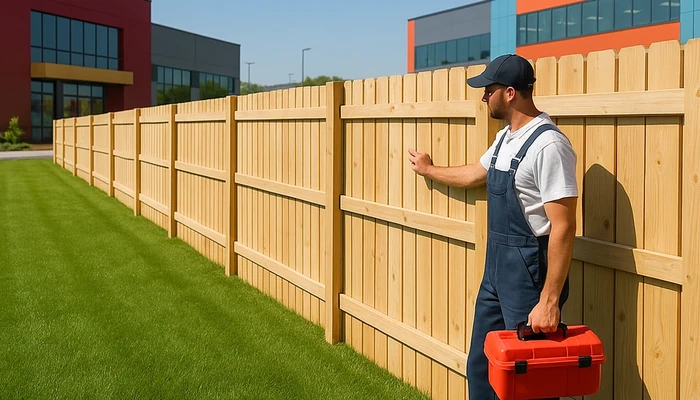
fence company chicago illinois, industrial fence chicago, fence commercial chicago, commercial fence Maywood, fence commercial Lincolnshire, industrial fencing Bensenville, access control fence Oak Lawn, business fence Wilmette, business fence Ranch Triangle, industrial fence Glendale Heights