 Skip to content
Noise Reduction with Industrial Fences: A Practical Guide
Noise pollution is an everyday reality for many homeowners, property managers, and businesses—especially in busy urban areas like Chicago, Illinois. Whether it’s the constant hum of traffic, warehouse activity, or nearby construction, unwanted sound can disrupt peace and productivity. That’s where the right industrial fence can make all the difference. Understanding noise reduction with industrial fences can help you make an informed decision for your property, balancing security, privacy, and tranquility. In this guide, we’ll explore the science behind soundproof fencing, compare the most effective fence types and materials, discuss practical installation tips, touch on code considerations, and provide honest expectations for what fences can—and cannot—do about noise. You’ll also find tips from Chicagoland Fence Pros, grounded in years of experience in the Chicago climate, to ensure your investment is smart and lasting.
Understanding How Industrial Fences Reduce Noise
Industrial fencing does much more than protect your property or mark boundaries—it can also serve as a first line of defense against environmental noise. But how does it work? The basic principle is straightforward: barriers block, absorb, or deflect sound waves before they reach sensitive areas like homes, offices, or outdoor spaces.
- Blocking: Dense, tall barriers stop sound from passing through.
- Absorbing: Some materials soak up sound, cutting echo and reverberation.
- Deflecting: Textures or angled surfaces change a sound’s path, redirecting it away from quiet zones.
It’s important to note, though, that not every fence will offer the same level of noise reduction. Factors such as height, density, continuity (no gaps), and the fence’s proximity to the noise source all play essential roles in actual results.
Key Factors Affecting Fence-Based Noise Reduction
When considering a noise-reducing industrial fence, keep the following in mind:
- Height: Higher fences do a better job blocking more types of noise, especially low-frequency sounds.
- Mass and Material: Heavier, denser materials like composite panels offer superior sound blocking compared to lightweight or open designs.
- Continuity: Even small gaps can allow sound to sneak through; solid, gap-free construction is vital.
- Distance and Placement: For best results, position the fence as close to the source of noise as practical.
Homeowners in Chicago, Illinois often ask if industrial fences can completely eliminate unwanted sound. The honest answer is: no fence will provide total silence, but well-designed solutions can lower noise levels significantly—often by 5 to 10 decibels or more, making daily life noticeably more comfortable.
Types of Industrial Fences for Noise Reduction
There are several industrial fence types that deliver varying levels of noise reduction:
- Acoustic Barrier Fencing: Purpose-built panels specifically designed to absorb and block sound.
- Composite Fences: High-density blends of wood, plastics, and resins that offer mass and resilience.
- Metal Fences with Soundproofing Panels: Steel or aluminum frames combined with insertable sound-dampening materials.
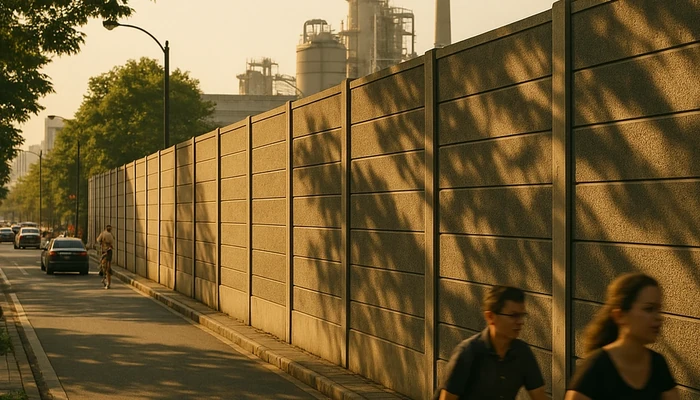
- Masonry Walls: Brick or concrete block fences are some of the most effective at blocking noise, though typically more expensive and complex to install.
- Green Walls (Living Fences): Incorporate dense foliage or vertical plantings on top of a solid fence for additional sound absorption and improved aesthetics.
The ideal solution depends on the location, budget, and exact source of noise. For example, traffic sounds require taller, denser barriers than occasional machinery hum.
Acoustic Barrier Technology Explained
Modern acoustic barriers use specialty materials and engineering to maximize noise blocking while also providing visual appeal. These barriers typically feature:
- Interior insulation layers for absorption
- Dense, weather-resistant exterior shells for durability and sound reflection
- Modular panel designs for easy replacement and maintenance
For commercial applications in the Chicago/Midwest climate, it’s vital to choose technologically advanced barriers that stand up to local weather patterns. For more on fence tech and durability, visit Features of Industrial Fences.
How Fence Material Choices Affect Noise Reduction
Let’s examine the practical pros and cons of popular fence materials for sound control:
| Material | Noise Reduction | Durability | Maintenance |
|---|---|---|---|
| Composite | High | High | Low–Moderate |
| Solid Wood | Moderate | Medium | High |
| Metal with Panels | Good (with soundproof inserts) | Very High | Low |
| Masonry | Very High | Very High | Low |
| Green Walls | Varies (best as add-on) | Medium | High |
| Chain Link | Low | Medium | Low |
For greater longevity, galvanized materials are excellent choices. You can learn more about material science and protective coatings from external experts like the American Galvanizers Association.
Cost Considerations for Noise-Reducing Fences
The cost of noise-reducing industrial fencing can range widely based on materials, height, and complexity. Generally:
- Basic Sound Barrier Fences: $30–$50 per linear foot installed
- High-Density Composite: $40–$70 per linear foot installed
- Masonry Walls: $60–$120+ per linear foot installed
Factors such as foundation needs, gate installations, and site preparation will affect the total price. Costs can be higher in urban environments like Chicago, Illinois, where code requirements and weatherproofing are stricter. Always request a clear, itemized estimate and check that your installer is familiar with relevant local rules.
Meeting Local Building Codes & Safety Standards
Regulations for fence height, placement, and structural design can impact your options. Always consult Chicago, Illinois municipal codes or your property management association before building. For up-to-date code information, refer to Structure Magazine’s guide to codes and standards.
Chicagoland Fence Pros recommends that you:
- Check local zoning maps for property line boundaries.
- Review fence height and appearance restrictions.
- Obtain permits before work begins.
- Communicate with neighbors if required by local rules.
Failure to comply can lead to costly changes or removal orders.
Realistic Expectations: What Noise-Reducing Fences Can & Cannot Do
It’s crucial to start with honest expectations. Even the best industrial fence won’t make a property silent, but it can:
- Lower visible noise by 5–10 decibels (a real, noticeable difference)
- Reduce sudden loud sounds, making them less jarring
- Create a more private, comfortable outdoor environment
However, fences are less effective at stopping low-frequency “rumble” (like heavy trucks) or sound that travels over the top of the barrier. For the greatest benefit, combine fencing with other measures (landscaping, soundproof windows, etc.).
Installation Best Practices for Maximum Noise Reduction
From our experience as a fence company in Chicago, Illinois, the following steps are vital for any noise-reducing fence project:
- Choose solid, high-density materials suitable for your climate.
- Build the fence as tall as local law allows.
- Avoid gaps between panels and beneath the fence line.
- Anchor the fence to a deep, stable foundation to resist wind.
- Consider modular panel systems for easy future replacement.
- Enhance with landscaping for additional absorption and privacy.
If you need a completely custom design, speak with an experienced professional who understands both sound science and Chicago’s local building codes. To better understand choosing a contractor, check Choosing Your Industrial Fencing Contractor.
Maintenance Tips to Preserve Noise Reduction Over Time
Even the best fence needs care to keep working effectively:
- Inspect annually for damage, gaps, or shifting panels.
- Repaint or reseal wood and composite to prevent weathering.
- Replace any warped or loose boards promptly.
- Clear vegetation that could damage or open gaps in the fence.
- Lubricate gate hardware and check posts for movement after severe weather.
Proper maintenance ensures continued noise reduction, security, and curb appeal.
Integrating Noise-Reducing Fences with Other Perimeter Security Features
Noise reduction is just one function of a modern fence system. Many Chicago property managers integrate perimeter security features, such as automated gates, anti-climb designs, and surveillance integrations, into their fencing for complete peace of mind. Coordination between noise and security features ensures there are no weak points or legal conflicts.
Case Study: A Commercial Facility in Chicago
A commercial warehouse near a major highway in Chicago faced ongoing complaints about traffic noise from their employees. By partnering with Chicagoland Fence Pros, they installed an 8-foot-high composite sound barrier with additional green wall components. The property saw a measured 8-decibel reduction in ambient noise, improving productivity and workplace satisfaction. Routine fence checks and prompt maintenance keep their investment functioning as intended.
When to Contact a Professional Installer
If you’re not sure which type of fence will deliver the best noise reduction for your property, or need expert navigation of Chicago building codes, it’s wise to consult with a local, experienced company. Chicagoland Fence Pros offers honest advice on materials, design, and long-term maintenance—backed by years of regional experience.
Frequently Asked Questions (FAQ): Noise Reduction with Industrial Fences
What type of fence is best for noise reduction?
Solid-panel acoustic barriers or high-density composite fences typically offer the best combination of affordability, durability, and sound blocking. Masonry walls are even more effective but costlier.
How high does my fence need to be to block noise?
The higher, the better. Most codes allow 6–8 feet in residential areas. Maximum allowed heights vary; check your local regulations for details. Taller barriers stop more sound, especially lower frequencies.
Can I combine landscaping with my fence to improve noise reduction?
Yes! Planting dense shrubs or designing a green wall on or in front of your fence can absorb additional sound and improve visual appeal. Vegetation alone is seldom enough, but it amplifies the benefits of a solid barrier.
Are there fences that block both noise and provide maximum security?
Absolutely. Many commercial-grade security fences now feature composite or steel panels designed for both sound dampening and anti-intrusion. Modular designs can integrate privacy, noise control, and advanced security features.
How do I maintain a noise-reducing fence?
Inspect it yearly for gaps, damage, or weathering—especially after Chicago winters. Repaint, repair, or replace worn boards as needed to keep it effective.
Do I need a permit to install a noise-reducing fence in Chicago?
In most cases, yes. Contact your local zoning office or visit the City of Chicago’s building department for permit requirements before installation. Professional installers like Chicagoland Fence Pros can assist with this process.
Will a standard chain-link fence help reduce noise?
No. Open designs like chain-link let most sound pass through. For noise control, choose solid panel systems instead.
Can an old, weathered fence still block noise?
Not very well. Gaps, rot, or missing sections greatly reduce effectiveness. Maintenance or replacement is usually needed for optimal noise reduction.
Is noise reduction the same as soundproofing?
No fence will completely soundproof a property, but effective industrial fences can noticeably reduce noise to more comfortable levels. “Soundproofing” typically refers to interior construction.
What should I look for in a contractor for noise-reducing fences?
Look for experience with local code compliance, proven installations in the Chicago area, knowledge of different materials, and a transparent estimating process—traits you’ll find with Chicagoland Fence Pros.
Conclusion: Choosing the Right Fence for Noise Reduction
To summarize, noise reduction with industrial fences is achievable with careful planning, the right materials, and professional installation. While no solution is perfect, investing in a quality barrier delivers real improvements in comfort and peace of mind for Chicago-area homeowners and businesses. For a tailored recommendation, consider requesting a quote for a commercial fence installation, or contact Chicagoland Fence Pros for advice on the best noise-reducing options for your property.
About Chicagoland Fence Pros
Chicagoland Fence Pros is a professional fence company with over 15 years installing fences in the Chicago, Illinois area. Serving both homeowners and businesses, the team specializes in code-compliant, durable solutions—including wood, vinyl, steel, and aluminum fences for privacy, security, and noise reduction. Fully insured and dedicated to honest guidance, Chicagoland Fence Pros provides clear estimates and a smooth experience from start to finish.
fence contractors chicago illinois, chicago Industrial Fence Contractors, Best Industrial fence Company Chicago, security fencing Libertyville, warehouse fence Bedford Park, industrial fencing Union, industrial fence Avondale, security fencing Glendale Heights, security fence Old Norwood, commercial security fence Elmhurst
