
How Automated Gate Systems Work: A Comprehensive Guide
For homeowners and property managers exploring secure, convenient access solutions, how automated gate systems work? is a common question. Automated gates are becoming more popular in places like Chicago, Illinois, where property security, privacy, and weather durability all matter. Whether you are considering a new installation or researching options, understanding how these systems operate, what features matter, and how to maintain them can help you make smart decisions for your property. In this guide, we’ll break down the essential technology, components, safety aspects, pros and cons, and the realistic expectations you should have. As a trusted local company, Chicagoland Fence Pros helps Chicago area customers navigate these choices. By the end, you’ll have the clarity to compare options, understand trade-offs, and know when it’s wise to consult a professional.
What Is an Automated Gate System?
An automated gate system is a motorized entry solution designed to control and secure vehicle or pedestrian access to a property. Unlike traditional manual gates, automated systems use electronics, sensors, and controllers to allow gates to open or close without physical effort. These systems are commonly found in residential driveways, commercial parking lots, apartment complexes, and gated communities.
- Convenience: No need to leave your vehicle to open or close the gate.
- Security: Controlled access to only authorized people.
- Privacy: Keeps unwanted visitors and solicitors out.
- Curb Appeal: Enhances property value and aesthetics.
Main Components of Automated Gate Systems
Automated gate systems integrate several hardware and electronic parts working together for seamless operation. The main components include:
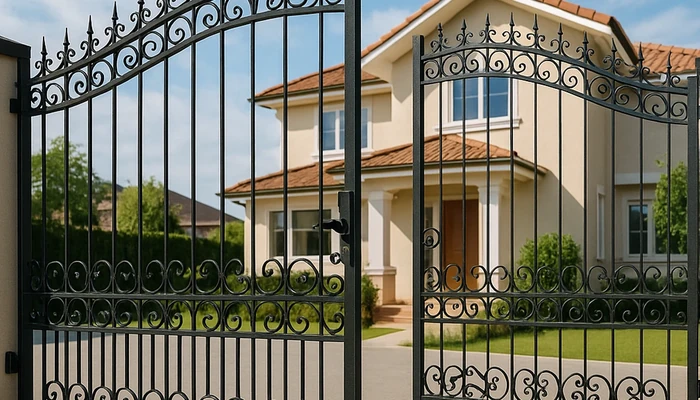
- Gate Structure: Swing, sliding, cantilever, or overhead types, made from materials like steel, aluminum, wrought iron, or wood.
- Gate Operator (Motor): Electric or hydraulic motors drive the physical opening and closing of the gate.
- Control Panel: The system’s brain, managing signals from remotes, sensors, or access devices and activating the motor.
- Power Supply: Hardwired to main electricity or powered by solar panels and backup batteries. Always check for local code compliance when installing electric systems.
- Safety Devices: Sensors, photocells, edge detectors, and emergency stop features prevent accidental injury or damage.
- Access Devices: Keypads, remotes, smartphone apps, intercoms, card readers, and biometric scanners control who enters.
- Manual Release: Lets you open the gate by hand when power fails.
How Do Automated Gate Systems Operate?
Modern automated gates combine basic electrical engineering with programmable logic to provide reliable access. Here’s how a typical system works step by step:
- You request access through remote control, keypad, app, or intercom.
- The signal reaches the control panel, authenticating the request (e.g., code entered, remote recognized).
- If access is granted, the control panel signals the gate operator to activate.
- The motor moves the gate open (swing or slide, depending on design).
- Safety sensors scan for people, vehicles, or obstructions—halting or reversing motion if needed.
- Once the gate is open for the preset time, it closes automatically, repeating the safety checks.
Access Methods Explained
Choosing the right access method is essential for balancing security and convenience. Here are common types:
- Remote Controls: Key fobs or wireless clickers, best for homeowners and regular users.
- Keypads: Users enter a numeric code—easy to issue and update for guests or service providers.
- Proximity Cards/Fobs: Swiped or tapped against a reader, ideal for businesses or larger properties.
- Intercoms: Visitors call inside for manual approval—common on residential and multi-family entrances.
- Smartphone Apps: Open from your phone, often integrated with smart home systems or building management.
- Biometric Readers: Use fingerprints or facial recognition for high-security environments.
| Access Method | Security Level | Ideal For | Pros | Cons |
|---|---|---|---|---|
| Remote Control | Medium | Homeowners | Simple, fast | Lost remotes, limited range |
| Keypad | Medium | Small businesses, families | No devices to lose | Codes can be shared |
| Proximity Card | High | Offices | Audit trail possible | Cards can be lost |
| Intercom | Variable | Gated communities | Manual screening | Slower entry |
| Smartphone | High | Modern homes | Remote management | Requires app, phone battery |
| Biometric | Very High | High-security sites | Very secure | Higher cost |
Types of Automated Gates
Gate choice depends on property layout, aesthetics, clearance, and usage requirements. Main types include:
- Swing Gates: Rotate open like a door, usually on hinges. Good for larger driveways if there’s enough space.
- Sliding Gates: Move horizontally along a track or cantilever system. Ideal for properties with limited front clearance or sloped driveways.
- Vertical Lift Gates: Gate rises straight up; best for tight spaces or commercial use.
- Bifold Gates: Panels fold together as they open—suited to businesses or parking garages needing quick cycles.
Materials for gates may include wrought iron, steel, aluminum, wood, vinyl, or composites, each with advantages for durability, appearance, and cost. You can learn more about how different materials perform in the Chicago climate here.
Key Safety Features and Best Practices
Properly installed automated gates come with several safety mechanisms to protect people, vehicles, and pets:
- Photo-eye Sensors: Detect objects in the gate’s path and halt or reverse movement.
- Edge Sensors: Installed along the gate’s edge to stop the motor if the gate contacts an object.
- Flashing Lights/Alarms: Warn of gate movement in progress.
- Emergency Release: Allows manual operation if the power fails.
- Buzzer Alerts: Audible warnings during closure.
Safety is not optional. The International Code Council (see certification catalog) recommends installing devices that meet or exceed national standards. For properties in Chicago, Illinois, always confirm compliance with local codes and any HOA rules.
Understanding Communication and Security Integration
Today’s automated gate systems can do more than simply open and close. Integration with other systems provides layered security, convenience, and monitoring:
- Video Intercoms: Speak with and see visitors before granting entry.
- Surveillance Cameras: Record and monitor activity at the gate.
- Alarm/Intrusion Systems: Send alerts or trigger alarms if forced entry is attempted.
- Remote and Mobile Control: Open, close, and monitor your system from anywhere.
Interoperability standards like ONVIF ensure that security devices from different brands can work together. This is especially important for commercial or multi-unit residential properties.
Factors to Consider Before Installing an Automated Gate
Every property is unique. Here are the main things to review before deciding on a specific gate system:
- Space and Layout: Measure driveway width, slope, and clearance. Some gates need more room to swing or slide.
- Frequency of Use: High-traffic properties need robust motors and hardware.
- Power Options: Is there electrical service nearby or is a solar option needed?
- Climate Resistance: Chicago area winters call for motors and electronics rated for cold and snow. (More about gate materials and climate.)
- Accessibility Needs: ADA compliance is required for public/commercial areas.
- Budget: Consider installation and long-term maintenance costs—not just the initial price.
- Code Compliance: Follow Chicago building codes; local zoning or HOAs may also regulate fence/gate types, heights, and placements.
Expert Tip:
From experience as a fence company in Chicago, Illinois, Chicagoland Fence Pros recommends always requesting a site survey before finalizing your decision. An expert visit can identify issues you may not consider, such as drainage, grading, or underground obstructions that affect both installation and reliability.
Common Trade-offs: Security, Convenience, and Budget
Automated gate systems come in a variety of price points and configurations. Consider these key trade-offs:
- Higher security access systems (like biometrics or integrated video) cost more but offer better control.
- Sliding gates can handle more frequent use and wind but are more complex to install than swing gates.
- Solar power lowers operating costs but may be less reliable in very cloudy climates or shaded sites.
- Custom designs and premium materials boost curb appeal but increase upfront investment.
- Simple systems may skip some features (e.g., smart phone access) to save on budget.
Remember, the “best” system depends on your unique security needs, property features, and long-term plans. You can read more about cost considerations here.
Maintenance Tips for Automated Gates
Like any mechanical system exposed to outdoor elements, automated gates require regular care. Proactive maintenance prevents costly breakdowns and extends system life. Key maintenance tips include:
- Visual Inspections: Check for debris, rust, physical damage, or missing hardware.
- Lubrication: Apply grease or oil to hinges, rollers, and tracks as directed by manufacturer.
- Test Safety Devices: Monthly checks ensure all sensors and limit switches function properly.
- Clean Electronics: Protect exposed control boxes from water and pests; clear out insects or webs.
- Battery/Backup Testing: Confirm backup power sources work, especially before winter.
- Professional Service: Schedule yearly inspections from a qualified technician to spot hidden wear or electrical issues.
Homeowners in Chicago, Illinois often ask about cold-weather maintenance—in this climate, snow removal from tracks is critical for sliding or cantilever gates. For more expert tips, see maintenance tips here.
Compliance and Certification
Automated gate systems must meet national and local safety codes. The International Code Council provides guidelines for proper installation, operation, and inspection. In commercial, public, or multi-family settings, gates may also need to meet ADA accessibility standards. Always work with contractors familiar with code requirements and obtain permits when needed.
Linking Gates with Other Perimeter Security
Automated gates are most effective as part of a broader security plan. Strategies for enhanced safety include:
- Pairing gates with wrought iron or steel fences to deter climbing or forced entry.
- Integrating electric gates and alarm sensors.
- Considering bollards or barriers for high-security or pedestrian areas.
- Coordinating with smart home or business surveillance platforms for a holistic approach to safety.
Property managers may also find value in reviewing automation and monitoring options for additional convenience and management features.
Frequently Asked Questions (FAQ)
How reliable are automated gate systems in Chicago winters?
Quality-rated motors and weatherproof electronics are critical. Most systems rated for cold-weather work reliably provided tracks are cleared of snow and regular maintenance is performed for lubrication and battery checks.
Can automated gates be customized to match my fence?
Yes, automated gates are available in many materials (wrought iron, steel, wood, aluminum, and composites) and can be designed to match your property’s fence. Consult your installer about design options.
Are automated gates safe for children and pets?
When equipped with sensors, edge detectors, and safety features, automated gates can be safe for homes with children and pets. Always ensure all devices are operational, and educate your family about safe practices.
Do I need a permit for an automated gate in Chicago?
In most cases, yes. Chicago building codes and local ordinances may require permits and inspections for new gate installations. Always confirm with your installer and consult city regulations before starting work.
What happens if the power goes out?
Most systems include a manual release so the gate can be opened by hand during power outages. Some systems also feature battery backups for basic operation during short outages.
Is an automatic gate expensive to maintain?
Routine maintenance is generally not expensive, involving inspections and minor servicing. Major repairs or neglected maintenance, especially in harsh climates, can lead to higher costs. Consider annual service from a professional.
Can I integrate my automated gate with smart home devices?
Many modern systems support integration with smart home platforms, enabling remote access, event notifications, and video monitoring. Ask your installer if your proposed system supports these features.
What are the main benefits of choosing an automated gate?
Key benefits include convenience, increased security, improved property value, and privacy. Learn more about these advantages in our article on the benefits of electric gates.
Are there alternatives to automated gates for privacy and security?
Alternatives include high-quality manual gates, privacy fences, or enhanced security systems (cameras, alarms) for properties where automation may not suit the layout or budget.
Who should I contact for installation or upgrades?
For professional guidance, tailored recommendations, and code-compliant installations, contact experienced local installers like Chicagoland Fence Pros. Request a consultation here.
Conclusion: Making the Right Choice for Your Property
Now you understand how automated gate systems work, their benefits, trade-offs, and essential components. In the Chicago, Illinois area, investing in the right system drives peace of mind, boosts property value, and streamlines access for trusted visitors. We recommend comparing material options, consulting local codes, and working with experienced professionals for installation and maintenance. If you want to review custom designs or plan a new installation, talk to our gate specialists for honest, no-pressure advice. For broader property protection solutions, explore our range of services.
About Chicagoland Fence Pros
Chicagoland Fence Pros is a professional fence company with over 15 years installing fences and gates in the Chicago, Illinois area. We help homeowners and property managers boost security, privacy, and curb appeal with code-compliant, honest, and durable solutions across wood, vinyl, aluminum, steel, and custom designs for both homes and businesses. Our team prioritizes education, transparency, and a customer-focused process from first consult to final inspection. Chicagoland Fence Pros is fully insured and committed to meeting all local building codes on every project.
fence contractor in the city of chicago, residential yard fence, residential fence repair, residential fences North Halsted, privacy residential fence Rockford IL, residential yard fence Lake Bluff, privacy residential fence North Center, residential fence replacement Burbank, garden fence Forest Park, residential fencing Melrose Park