 Skip to content
Waterproofing Process Of Your Automatic Doors: A Complete Guide
Automatic doors have become an essential feature for many homes and businesses, offering hands-free access, improved security, and modern curb appeal. But while these high-tech entryways are convenient, their exposure to harsh weather—especially in regions like Chicago, Illinois—raises a crucial question: What is the waterproofing process of your automatic doors, and how can you ensure long-term reliability? From icy windblown snow in winter to heavy spring downpours, automatic doors face unique challenges that standard doors often don’t. Choosing the right waterproofing methods is key to protecting your investment, maintaining accessibility, and preventing costly repairs down the line.
In this guide from Chicagoland Fence Pros, you’ll learn everything you need to know about waterproofing automatic doors: how the process works, which materials and techniques make the biggest difference, how Chicago’s climate impacts your choices, and what steps to take for regular maintenance. By the end, you’ll have realistic expectations for what waterproofing can—and cannot—achieve, empowering you to make informed decisions whether you’re upgrading your home, managing a property, or running a commercial facility.
Understanding the Risks: Why Waterproofing Automatic Doors Matters
Automatic doors contain sensitive electrical components, motors, safety sensors, and sometimes intercom or access control systems. If moisture seeps in, the results can range from minor glitches to permanent system failure. Here are some key risks:
- Electrical short circuits: Unprotected wiring and control boards are vulnerable to water damage.
- Corrosion: Metal components can rust, weakening the door’s structure and performance.
- Insulation breakdown: Water penetration may compromise seals, insulation, and thermal efficiency.
- Operational issues: Ice, condensation, or pooling can affect sensor accuracy or stop the doors from moving smoothly.
In Chicago, Illinois, where temperature swings and freeze/thaw cycles are the norm, thorough waterproofing is not optional; it’s the first line of defense for your automatic entryways.
Key Principles of Waterproofing Automatic Doors
Effective waterproofing doesn’t rely on a single product or quick fix—it’s a system of layered protection. Here’s what the process prioritizes:
- Barrier Installation: Applying water-resistant membranes, gaskets, and caulking to keep water out of vulnerable areas.
- Proper Sloping and Drainage: Ensuring that water flows away from the door threshold, not toward it.
- Material Choice: Selecting corrosion-resistant hardware and components built for outdoor use.
- Seal Integrity: Using tested door seals and weather-stripping, checked and replaced as needed.
- Access Point Protection: Shielding keypads, motors, and wiring enclosures with rated waterproof covers.
Each of these steps plays a role, and skipping any one increases the risk of failure under heavy rain, sleet or snow.
Step-by-Step Waterproofing Process for Automatic Doors
At Chicagoland Fence Pros, we recommend the following structured approach for new installations or renovations:
- Site Assessment: Examine the entry location for exposure to the elements, drainage path, and local building code requirements.
- Threshold and Sill Preparation: Install sloped thresholds or ramps with integrated water channels, ensuring a watertight bond with the building envelope.
- Sealing Joints and Penetrations: Apply high-grade, UV-resistant caulk at all seams, anchoring points, and electrical penetrations. Use foam backer rod for gaps over 1/4 inch.
- System Component Protection: Use IP-rated (Ingress Protection) enclosures for sensors and motors; cover exposed wiring with waterproof conduit or gaskets.
- Weather Stripping: Install commercial-grade weather-stripping along door edges and mullions. Replace any factory seals if wear is evident.
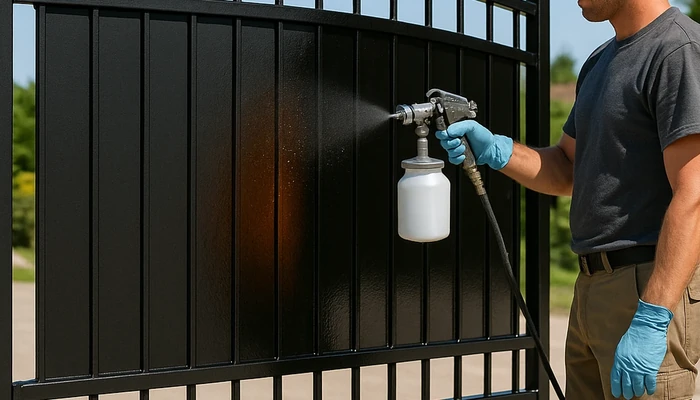
- Surface Coatings and Treatments: For metal panels, consider anti-corrosive primers or powder coating. Hot-dip galvanizing, as detailed in this resource, adds prolonged rust resistance.
- Final Inspection and Testing: Simulate heavy rainfall with a hose test; check for hidden leaks, proper drainage, and panel alignment. Adjust or repair as needed before signoff.
For a detailed explanation of fabrication considerations—like proper design for drainage and corrosion resistance—visit this authoritative guide.
Choosing Materials for Waterproofing Automatic Doors
The right materials make a significant difference, not just for waterproofing but also for day-to-day longevity. Here’s how common materials stack up:
| Material | Water Resistance | Corrosion Resistance | Maintenance Needs | Best Use Cases |
|---|---|---|---|---|
| Galvanized Steel | High | Excellent (with correct coating) | Low–Medium | Commercial/High-traffic |
| Aluminum | High | Very Good | Low | Residential/Modern |
| Tempered Glass | Medium | N/A | Medium | Indoor/outdoor aesthetics |
| Composite Materials | Very High | Excellent | Low | Custom/Noise reduction |
| Wood (Treated) | Medium | Low–Medium | Medium | Protected areas |
Tip: Always choose components rated for exterior, wet-weather, or marine environments where possible—especially in climates similar to Chicago, Illinois.
Common Mistakes to Avoid in Automatic Door Waterproofing
Waterproofing is only as good as its weakest link. Homeowners and even some contractors occasionally miss these points:
- Using indoor-only expansion foam or caulks that break down under UV exposure.
- Skipping threshold sloping, which causes pooling.
- Fitting poor-quality gaskets not designed for repeated door movement.
- Neglecting routine inspections that would catch wear-and-tear early.
- Overlooking electrical penetrations—a leading cause of water intrusion.
From our experience as a fence company in Chicago, Illinois, installing waterproofed systems that account for snow drift, freeze-thaw cycles, and wind-driven rain is key to reliable operation all year.
Waterproofing for Different Types of Automatic Doors
Not every automatic door is the same—the design impacts how waterproofing should be performed. Here are major categories:
Sliding Automatic Doors
Sliding doors need particular attention at the track. Drainage channels must be kept clear, and tracks should feature drainage holes or covers. Seals along the vertical and horizontal edges prevent wind-driven rain from entering the assembly.
Revolving Automatic Doors
These designs use multiple rotating panels. Manufacturers often specify factory gaskets. Keep sweepers and floor pans free of dirt and regularly reapply weatherproof lubricants.
Folding and Telescoping Doors
Complex movement means more joints—a weak point for water. Use flexible gasket materials and check alignment at all folds. Lubricate and inspect hinge points routinely.
Swinging Automatic Doors
The top hinge and strike side are most vulnerable. Overlapping drip caps can direct water away, and robust bottom seals block splashes at ground level.
For more on the differences between door opening systems and their challenges, see our opening system comparison.
Building Codes, Standards, and Inspection Considerations
Local codes matter—a lot—when installing or retrofitting waterproofing for automatic doors. Here are some basics to keep top of mind:
- Chicago building codes may require minimum threshold heights or specific water barriers for egress routes.
- ADA accessibility guidelines intersect with waterproofing (thresholds, ramps must remain usable after rain or snow).
- UL or IP ratings for electrical components may be mandatory for commercial installations.
- Always inspect after severe storms: code-compliant waterproofing may still need real-world adjustment.
Ask your installer or project manager to confirm alignment with all the current codes and industry standards. When in doubt, request a third-party inspection before final sign-off.
Related: Learn more about safety standards for gate and door installation.
Maintenance: Keeping Waterproofing Effective Year-Round
Waterproofing isn’t a set-and-forget job. Chicago winters, lake-effect storms, and urban grime can all accelerate wear. Here’s how to keep your barrier working at its best:
- Inspect seals and gaskets twice a year (especially before and after winter).
- Test drainage paths for clogs and clear all channels frequently.
- Look for rust or bubbling paint, which signal hidden water intrusion.
- Apply manufacturer-recommended lubricants or touch-up sealants as needed.
- Immediately address electrical faults or warning indicators on your system.
Need more guidance on maintaining your automatic entry? See our best practices for preventive maintenance here.
Signs of Waterproofing Failure—And What To Do Next
Recognizing an issue early can save hundreds in repairs. Warning signs include:
- Unexplained door malfunction after heavy rain
- Visible water inside electrical enclosures
- Rust on metal frames near joints or the ground
- Mold or mildew around thresholds
- Drafty or wet interior floors after a storm
If you notice any of these, stop using the door if possible and contact a qualified specialist who understands both mechanical and waterproofing systems—don’t wait for larger problems to develop. Homeowners in Chicago, Illinois often ask about local repair options. For professional assessment and repair guidance, talk to our gate experts.
Cost Considerations and Budgeting for Waterproofing
The cost of waterproofing an automatic door depends on several factors:
- Door type and size (sliding, swinging, folding, etc.)
- Existing condition and required prep work
- Material choices and quality of hardware
- Code-required features and inspections
- Accessibility needs (e.g., ramps, automatic sensor upgrades)
For a typical residential automatic door, expect to budget $350–$850 for initial waterproofing (not including new door installation). Commercial systems can range far higher. Routine yearly maintenance usually costs less but pays for itself by preventing major repairs.
Always ask for a transparent quote—including labor, materials, and optional add-ons. To request a personalized estimate, contact Chicagoland Fence Pros today.
Additional Ways to Protect Your Entry: Smart Features & Environmental Factors
Beyond waterproofing, smart features and green technologies can further extend the life of your automatic doors:
- Rain sensors: Automatically close the door if precipitation is detected.
- Weather-rated access control panels: Protect keypads from water damage.
- Solar integration: Keep backup batteries charged to avoid downtime after storms. Learn how solar impacts automatic gate systems here.
- Overhead awnings and drainage diverters: Reduce direct rain exposure at the entrance.
These upgrades are optional, but for homes and properties with high security or accessibility needs, they’re worth considering as an add-on when waterproofing.
Frequently Asked Questions About Waterproofing Automatic Doors
How often should I inspect the waterproofing on my automatic doors?
Inspect at least twice per year, ideally before and after winter. After heavy storms, a quick check is also wise.
Can I waterproof an existing automatic door, or is it best when new?
Most doors can be retrofitted with improved seals and drainage. The process is easiest and most effective for new installs, but upgrades can still offer significant protection.
Do all automatic doors come waterproofed from the manufacturer?
No—outdoor-rated doors often include basic protection, but local climate and installation factors (like threshold design) mean extra waterproofing is usually needed.
What’s the difference between waterproof and weather-resistant automatic doors?
Waterproof doors are designed to prevent all water intrusion, even in heavy storms; weather-resistant only handles light exposure and may still allow some seepage over time.
Which materials are best for waterproofing in Chicago, Illinois?
Galvanized steel, powder-coated aluminum, and quality vinyl gaskets perform well in Chicago’s harsh freeze-thaw cycles. See this resource for material details.
Is DIY waterproofing enough for commercial automatic doors?
DIY kits may help for minor fixes, but commercial doors need code-compliant, tested solutions—and should be handled by professionals to meet safety and insurance standards.
How do I know if water has damaged my door’s electronics?
Look for malfunctioning sensors, flickering lights, error codes, or unexplained intermittent failures. If in doubt, consult a technician immediately.
Can I reuse old weather stripping or should I buy new every season?
Weather stripping that shows signs of hardening, cracking, or mold should always be replaced, no matter the age.
What is the typical warranty for waterproofing work on automatic doors?
Most reputable installers offer 1–3 years warranty on workmanship, but check your contract and always request documentation for system components.
Where can I learn more about the installation and safety of automatic doors?
Visit our resources section, including this article on safety standards and key installation aspects.
Conclusion: Setting Realistic Expectations & Next Steps
Waterproofing your automatic doors isn’t just an upgrade—it’s a necessary investment in the security and accessibility of your property. Chicago’s wet climate and tough winters make it even more important to use high-quality materials, insist on code-compliant installation, and schedule regular checkups. No solution is “forever,” but a proactive approach will minimize downtime and costly repairs in the long run.
If you’re considering new automatic doors or want to improve the protection of an existing system, connect with our team for expert advice and an honest assessment. Chicagoland Fence Pros delivers experience, transparent quotes, and durable results.
About Chicagoland Fence Pros
Chicagoland Fence Pros has over 15 years installing fences and automatic entry systems in the Chicago, Illinois area. Our team specializes in residential and commercial fence solutions—wood, vinyl, aluminum, steel—and automatic gates and doors. We serve homeowners, property managers, and businesses with licensed, insured, and code-compliant installations that maximize security, privacy, and property value. Chicagoland Fence Pros is dedicated to clear education, realistic expectations, and tailored recommendations for the local climate.
fencing contractors chicago, gate opener repair, driveway gate chicago, access control gate Streamwood, gate opener Lisle, access control gate Naperville, driveway gate Westmont, automatic gate repair North Halsted, automatic gates Hanover Park, automatic gates Des Plaines
