 Skip to content
Tips For Preventive Maintenance Of Automatic Gates: A Practical Guide for Homeowners and Property Managers
Automatic gates are a smart investment for homeowners and property managers who value privacy, security, and convenience. However, like all mechanical systems, automatic gates require regular preventive maintenance to function reliably—especially when exposed to the challenging weather conditions in Chicago, Illinois. Neglected gates can become unreliable, unsafe, or expensive to repair. This comprehensive guide will clarify what goes into preventive maintenance for automatic gates, the trade-offs of routine care, and how you can realistically keep your system in top shape for years to come. Drawing on insights from Chicagoland Fence Pros, you’ll learn practical steps, common problems to watch for, relevant safety codes, and when to call in professionals.
Understanding Automatic Gates: Why Preventive Maintenance Matters
Before jumping into maintenance tips, it’s important to know why upkeep is vital. Automatic gates consist of moving parts (such as hinges, tracks, rollers, and motors), electrical systems, and safety features that work together to provide smooth, safe operation. Regular use, dirt, changing weather, and exposure to ice, snow, or salt (all common in Chicago) can impact gate performance. Preventive maintenance:
- Reduces long-term repair costs
- Keeps security features reliable
- Prevents accidents and system failures
- Extends the life of your investment
Skipping regular care may cause avoidable breakdowns or create safety hazards. Just as you wouldn’t ignore oil changes in your car, your automatic gate’s moving and electrical parts need attention too.
Key Components That Need Regular Attention
An automatic gate is more than just a moving barrier; it contains key components that must be checked and maintained:
- Gate Structure: Panels, posts, frames, and finishing
- Hinges, Rollers, and Tracks: Enable movement for swing or sliding gates
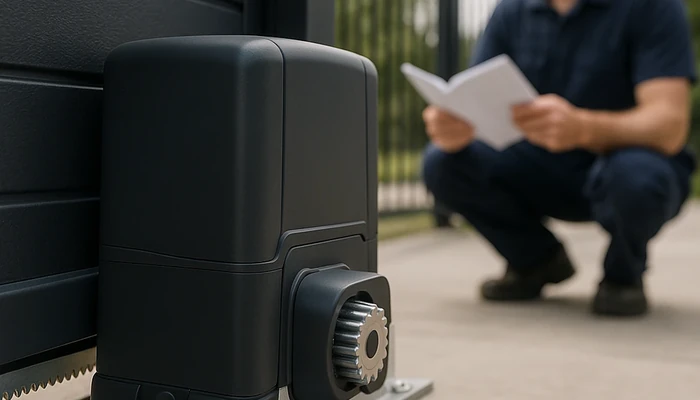
- Drive Motor and Gearbox: Provide mechanical motion
- Chains or Belts: Transfer drive force for opening/closing
- Control Panel and Wiring: Power and programming
- Safety Devices: Sensors, photo-eyes, and force limiters
- Access Controls: Keypads, remotes, card readers
Each part plays a distinct role in gate operation and requires its own care schedule.
Routine Inspection Checklist
Around once a month—or at least each season—walk through a basic inspection routine. Here’s a detailed checklist for Chicago-area property owners:
- Visual Inspection
- Check for rust, bent parts, or loose bolts
- Look for damage on panels or posts from vehicles, weather, or wear
- Ensure the gate is plumb (not sagging)
- Functional Inspection
- Observe the gate through a full open-close cycle
- Listen for abnormal noises: grinding, squeaking, hesitation, or straining
- Test safety devices (edges, beams, sensors)
- Surface and Finish
- Examine protective coatings (paint, powder coat, galvanizing) for chips or spots of corrosion
- For steel parts, learn more about anti-corrosion methods at galvanizeit.org
Document any changes or developing issues—early detection makes a major difference.
Lubrication: The Lifeblood of Moving Parts
Moving components in your gate system, such as hinges, rollers, chains, and tracks, require periodic lubrication to function smoothly and prevent wear.
- Use lubricants recommended by the gate or hardware manufacturer (often lithium-based grease or non-gumming oils).
- Avoid over-lubricating; excess oil can attract dirt and debris, leading to more problems.
- Clean tracks, rollers, and guides before applying lubricant.
- For sliding gates, also ensure the track is free of leaves, rocks, ice, or salt residue.
Depending on exposure and usage, most gates need this attention 2–4 times a year. In the Chicago area, it’s especially critical to remove ice buildup in winter and check for salt damage after snow-melting operations.
Electrical and Control Components
The heart of any automatic gate is its motor, wiring, and control electronics. Routine checks include:
- Inspect junction boxes for signs of moisture, rust, or rodent entry
- Test the operation of safety stops, reversing sensors, and limit switches
- Replace remote or keypad batteries annually
- Check for exposed or damaged wires, especially after storms or landscaping work
- For older systems, consider upgrading to modern, energy-efficient gate motors (see these tips on energy-efficient options)
Consult professional gate technicians if you notice electrical issues—DIY electrical work is not recommended.
Preserving Safety Features and Compliance
Automatic gates must meet national and local safety standards (including UL 325 in the U.S.; check your local codes). Key maintenance points include:
- Test obstruction sensors and reversing edges monthly
- Clear vegetation or snow that might block photo-eyes or safety beams
- Ensure emergency release mechanisms work as intended
- Periodically review your system for compliance with current codes; safety regulations evolve (for more, see industry guidance by DASMA)
Remember: poorly maintained gates are a leading cause of property injuries. Always prioritize function over aesthetics when it comes to gate safety.
Environmental Factors in Chicago, Illinois
The Midwest climate requires extra diligence. From freezing rain and salt in winter to high humidity and sun in summer, Chicago’s seasons can test your gate:
- Wipe down exposed metal parts after storms to prevent corrosion
- Apply rust-inhibiting sprays or touch-up paint where finish is worn
- Remove salt residue in early spring (critical for steel and iron gates)
- Check wooden posts and hardware for rot and expansion after wet seasons
Your maintenance strategy should adapt to address the specific challenges of your environment. See our dedicated guide on climate adaptation for automatic gates for more advice.
Comparing Automatic Gate Types and Their Maintenance Needs
Maintenance frequency and tasks can vary based on your system. Here is a comparison to help set realistic expectations:
| Gate Type | Main Moving Parts | Common Maintenance | Special Challenges |
|---|---|---|---|
| Swing Gate | Hinges, arms, opener | Lubricate hinges, check arm alignment | Wind load, hinge wear, sagging |
| Sliding Gate | Rollers, track, chain/belt | Clean track, lubricate rollers/chain | Debris in track, ice, alignment |
| Vertical Lift Gate | Guides, pulleys, counterweights | Inspect cables/pulleys, safety devices | Complex mechanics, balance issues |
When planning a new installation, consult professionals about long-term maintenance needs (see key aspects in gate installation for more context).
DIY Tasks vs. When to Call a Professional
Some maintenance tasks can be performed by property owners, such as cleaning, visual inspection, or minor lubrication. However, for electrical work, programming, major adjustments, or situations involving safety devices, contact a qualified technician. Benefits of professional maintenance include:
- Thorough safety tests
- Proper adjustment of motor force and limit switches
- Software updates for access controls
- Detailed reports and code compliance checks
If your gate exhibits erratic behavior, unusual noises, or repeated errors after home troubleshooting, don’t delay calling in an expert. A regular annual maintenance contract with a local company like Chicagoland Fence Pros can save time and money in the long run.
Cost Considerations and Maintenance Scheduling
Budgeting for preventive maintenance is often more affordable than reactive repairs. Average annual maintenance costs for residential automatic gates in the Chicago area typically range from $150 to $400, depending on system complexity. Commercial systems or gates with heavy use may require quarterly checkups. For more details, request a customized estimate based on your installation type.
- Plan inspections around Chicago’s seasonal changes (pre-winter and post-winter are critical checkpoints).
- Keep a maintenance log and receipts for all professional service visits (these may be necessary for warranty claims or insurance).
- Factor in occasional upgrades to access controls (e.g., remote systems or automated entry) to keep your system secure.
Common Preventive Maintenance Mistakes to Avoid
Even well-intended homeowners and property managers sometimes make simple mistakes that shorten the life of their automatic gates. Watch out for these:
- Using the wrong lubricant (or over-lubricating and attracting grit)
- Neglecting to test safety features regularly
- Letting vegetation or debris interfere with gate paths and sensors
- Ignoring minor issues until they turn into major repairs
- Attempting complex repairs without the right tools or training
Commit to following a consistent schedule and call an expert when you’re unsure.
Additional Resources for Automatic Gate Owners
If you’re looking for further advice, consider:
- Industry best practices and links from DASMA
- Safety standards for installation & compliance
- Upgrading for energy efficiency
- Child safety around gates
- Legal aspects and considerations
Use these resources to stay informed and proactive in caring for your gate system.
FAQs: Preventive Maintenance of Automatic Gates
- How often should I service my automatic gate?
Most residential automatic gates benefit from professional servicing at least once a year, plus monthly inspections for moving parts and safety features.
- Can harsh winters damage my gate system?
Yes. Ice, snow, and salt are harsh on metal and moving components. Clear snow quickly, remove salt in spring, and lubricate moving parts to combat winter damage.
- Which lubricants are best for automatic gates?
Use a non-gumming, lithium-based grease or the lubricant recommended by your gate manufacturer. Avoid WD-40 or other thin sprays as primary lubricants.
- What causes sensors or safety edges to fail?
Sensor problems often result from misalignment, dirt buildup, vandalism, or snow/ice blockage. Clean and test sensors monthly, and call a professional for persistent errors.
- Can I repair motors or wiring myself?
No. Work involving electricity or powered hardware should only be done by licensed technicians for safety and code compliance.
- Are maintenance contracts worth it?
Yes, especially for property managers or busy homeowners. Contracts ensure routine inspections, fast repairs, and warranty protection—peace of mind for a relatively modest fee.
- How do I know if my gate meets current safety codes?
Contact a reputable gate company for a compliance assessment. Codes change over time, so even newer systems should be checked.
- Is preventive maintenance different for wood, steel, or aluminum gates?
Yes. Steel is prone to rust (especially in Chicago winters), while wood can rot or warp. Aluminum requires less maintenance but still needs inspection for hardware and corrosion.
- Can automatic gates add value to my property?
Well-maintained automatic gates enhance curb appeal, security, and convenience—factors that may boost property value. See our guide on gate-related property value.
- When should I consider replacing my gate system?
If your gate needs frequent repairs, fails safety tests, or no longer suits your security needs, talk to professionals about the latest options and possible upgrades.
Closing Thoughts & Next Steps
Regular preventive maintenance is the key to ensuring your automatic gate remains secure, reliable, and safe for years to come. Whether you’re a homeowner navigating your first Chicago winter or a property manager overseeing multiple access points, these best practices will help you get the most from your investment. For complex issues or peace of mind, strongly consider scheduling an annual inspection with qualified professionals. Want to discuss your specific needs or get a tailored maintenance plan? Talk to our fence specialists at Chicagoland Fence Pros today.
If you want in-depth advice on installation, materials, or the latest in automatic gate technology, explore more topics in our automatic gate resource center.
About Chicagoland Fence Pros
Chicagoland Fence Pros has over 15 years of experience installing and maintaining fences and automatic gates for homes and businesses in the Chicago, Illinois area. Our team delivers code-compliant, secure, and visually appealing solutions using materials like wood, vinyl, aluminum, and steel. We are fully licensed and insured, focused on clear education, realistic expectations, and supporting every project from planning to completion. Chicagoland Fence Pros serves homeowners and commercial property managers in Chicago and nearby communities—always committed to lasting service and local expertise.
fence installation chicago, gate opener, automatic gate repair, electric gate Alta Vista Terrace, electric gate Des Plaines, security gate Avondale, sliding gate Aurora, automatic gates Elgin, swing gate River Forest, gate opener North Center
