
Low Maintenance Vinyl Fencing for Convenience: An In-Depth Guide
Choosing a fence can be overwhelming, especially for homeowners and property managers exploring options for the first time. With factors to consider like security, privacy, appearance, and cost, it’s easy to get lost comparing materials and features. Low maintenance vinyl fencing for convenience has become one of the leading solutions for those prioritizing simplicity alongside long-term value. In the Chicago, Illinois area, changing weather and local building codes make your fence choice even more crucial. This comprehensive guide from Chicagoland Fence Pros will clarify what makes vinyl fencing unique, explain its benefits and potential drawbacks, outline care requirements, and provide practical advice so you know exactly what to expect. By the end, you’ll have the knowledge to confidently assess whether a low maintenance vinyl fence is right for your property.
Understanding Vinyl Fencing: Basics and Advantages
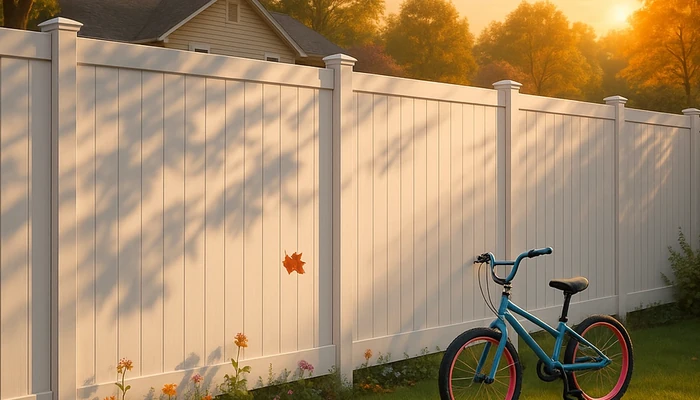
Vinyl fencing, sometimes referred to as PVC fencing, is a synthetic option designed to provide a low-maintenance alternative to wood or metal. Made from high-quality polyvinyl chloride combined with UV inhibitors and impact modifiers, it offers resilience against weather, insect, and moisture damage. For homeowners in climates like Chicago, Illinois, the ease of care and longevity of a vinyl fence is a major draw.
- Weather Resistance: Vinyl fencing resists rot, warping, termite, and rust issues.
- Variety: Offers diverse style options for privacy, picket, semi-privacy, and decorative fencing.
- Low Maintenance: Requires minimal upkeep—an occasional wash is typically enough.
- Eco-Friendly Options: Many products use recycled materials and are 100% recyclable at end of life.
For more detail on the evolution and modern applications of vinyl fencing, see our hub The Evolution of Vinyl Fencing.
Comparing Vinyl Fencing to Other Materials
There are several fence materials to choose from, each with unique properties. Below is a comparison highlighting key factors for property owners prioritizing convenience:
| Material | Maintenance | Durability | Cost (Initial) | Appearance | Longevity |
|---|---|---|---|---|---|
| Vinyl | Very low (occasional wash) | High | Medium-High | Varied; modern, clean | 20–30+ years |
| Wood | High (stain/paint/repair) | Medium | Medium | Classic, natural | 10–20 years |
| Aluminum | Low | High | High | Ornamental, sleek | 20+ years |
| Chain Link | Moderate | High | Low | Utilitarian | 15-20 years |
For a deeper comparison, view our informational hub: Comparison: Vinyl Fences vs Wooden Fences.
Why Choose Vinyl Fencing for Convenience?
Many Chicago-area property owners seek a fence solution that doesn’t require annual repairs or complicated treatments. Vinyl’s surface repels moisture and resists most environmental threats, including:
- Chicago’s freeze-thaw cycles and humidity
- Mildew and mold growth
- Sun fading (thanks to modern UV inhibitors)
- Termite and pest damage
Another benefit is the “set-and-forget” factor—there are no painting, staining, or sealing cycles to remember. Plus, vinyl stays smooth and won’t splinter, making it safer for children and pets.
See how vinyl measures up on long-term care in our post: Easy Maintenance for Vinyl Fences.
Design Options and Applications
Vinyl fencing is highly versatile, with styles for different needs:
- Privacy Fences: Solid panels block sightlines, boost security, and reduce noise.
- Picket Fences: Classic Americana look—decorative or semi-private.
- Semi-Privacy Fences: Allow airflow and light while still providing screening.
- Decorative and Custom Styles: From modern slats to lattice-toppers, many colors and ornamental features are available.
Vinyl also adapts to sloped or contoured landscapes and is available in various heights specified by Chicago building codes.
Explore more creative style options in Creative Styles for Outdoor Vinyl Fences.
Cost Factors and Value Considerations
Although vinyl fencing has a higher upfront cost than wood, its low maintenance and long life often translate to lower total ownership expenses over time. When budgeting, consider:
- Materials: Higher-grade vinyl offers better UV resistance and durability.
- Installation: Local labor rates, property grading, and size of project impact cost.
- Code Compliance: Meeting Chicago, Illinois municipal fence regulations protects your investment.
- Long-Term Value: No recurring costs for paint, pesticides, or structural repairs.
For Chicago pricing trends and details, check our Affordable Vinyl Fence Cost Guide.
Main Maintenance Tasks: What Does “Low Maintenance” Really Mean?
The promise of “low maintenance” is a key driver for vinyl’s popularity. While nothing outdoors is truly zero-maintenance, vinyl comes close — requiring only:
- Washing: Use a garden hose, mild soap, and soft brush as needed, usually once per year.
- Inspection: Check posts, panels, and gates seasonally, especially after storms or freeze-thaw cycles.
- Repairs: Rarely needed, but loose or cracked components should be fixed promptly.
Graffiti or stubborn stains can be removed with gentle cleaners (always spot test first). Avoid abrasive tools or pressure washers, as these may dull the finish.
For seasonal maintenance routines, see our specialty post: Preventive Maintenance for Vinyl Fences.
Installation Considerations for Chicago, Illinois
Chicago weather and local ordinances shape your fence design and installation process. Pay special attention to:
- Frost Line Depth: Posts must be anchored below the frost depth to prevent heaving in winter.
- Property Lines & Codes: Always check municipal regulations and HOA requirements for height, spacing, and style restrictions.
- Permit Requirements: Most fence projects in Chicago require a permit for code compliance.
- Professional Installation: Consider a local expert like Chicagoland Fence Pros for proper placement and lasting results.
For a more detailed review on the installation process and challenges, read Vinyl Fence Installation Challenges and Solutions.
Vinyl Fence Security and Privacy Features
Vinyl fencing serves as an effective perimeter barrier. With proper height and locking gate options, it deters unwanted access, keeps pets safely contained, and provides essential privacy for outdoor living spaces. Additional options like lattice tops, reinforced rails, and anti-climb designs address unique security needs.
To learn more about security features, reference our hub: Vinyl Fence Security Technology.
How Does Vinyl Fencing Perform over Time?
Vinyl’s strength lies in its resilience. Over decades, well-made vinyl fences resist fading, cracking, and weathering when installed and maintained according to recommendations. Many manufacturers back their products with limited lifetime warranties. Always confirm details and read warranty terms to understand what’s covered.
For in-depth insights on durability, visit Exploring the Durability of Vinyl Fencing Panels.
As an industry resource, the American Fence Association provides additional materials on fence standards and performance.
Vinyl Fencing and Environmental Considerations
Modern vinyl fencing is often manufactured with sustainability in mind. Recycled content reduces resource consumption, and vinyl itself can be recycled at the end of its useful life. Vinyl fences also avoid chemical treatments common with other materials, contributing to a safer landscape for children and pets.
To dive deeper into eco-friendly fence solutions, review PVC Fencing: A Sustainable Outdoor Solution.
Common Misconceptions about Vinyl Fencing
Some property owners may worry that vinyl fences are flimsy or will yellow over time. In reality, advances in material science and manufacturing have largely addressed these concerns. High-quality, professionally installed vinyl fencing resists breakage, warping, and sun discoloration far better than early versions. While direct impacts from vehicles or heavy equipment can damage any type of fence, repairs to vinyl systems are generally straightforward.
Read more about common myths in Misconceptions About Vinyl Fence Upkeep.
Frequently Asked Questions (FAQ)
Most quality vinyl fences last 20–30 years or more with minimal care. Many come with multi-decade or lifetime warranties. Durability may vary with installation quality and local weather exposure.
No, vinyl fences do not require painting or staining. Their color is integral to the material, so they won’t fade or peel like wood products.
Wash with a garden hose and mild soap for routine cleaning. For tough spots, use a soft brush or sponge. Avoid abrasive cleaners or pressure washers that could scratch the surface.
Yes, when installed correctly. Vinyl’s smooth surface eliminates splinters, and it’s free from treatments that may be unsafe for children or animals. Always ensure gates are secure.
Many modern vinyl fences are recyclable. Check with your local recycling or waste management provider when removal is necessary. Some products even contain significant recycled content.
High-quality vinyl is engineered to withstand freeze-thaw cycles common in Chicago, Illinois. Proper installation below the frost line is important for longevity.
Professional design and installation ensure that posts and panels resist wind loads typically experienced in residential settings. Always choose products certified for your regional conditions.
Attractive, low-maintenance fencing can boost curb appeal and market value. Buyers often appreciate the convenience and clean appearance. As always, value impact can depend on neighborhood norms and property needs.
Review property boundaries, contact local building authorities regarding permits, and speak to your HOA if applicable. Contacting a professional like Chicagoland Fence Pros ensures code-compliant, stress-free results.
Refer to the American Fence Association for fence guidelines and best practices.
Next Steps: Moving Forward with Vinyl Fencing
Whether you want to simplify your property maintenance or enhance curb appeal, low maintenance vinyl fencing for convenience offers a compelling option. By understanding materials, designs, costs, codes, and care requirements, you can make a confident choice. In the Chicago, Illinois area, being mindful of regional weather, building regulations, and neighborhood style will yield the best results.
If you’re ready to explore customized options or need advice, request a vinyl fence estimate or contact Chicagoland Fence Pros for honest guidance. Discover more about vinyl fencing advantages in our dedicated hub: Advantages and Benefits of Vinyl Fences.
About Chicagoland Fence Pros
Chicagoland Fence Pros is a professional fence company with over 15 years of experience serving homeowners and businesses in Chicago, Illinois and nearby communities. Our team specializes in residential and commercial fence installation, repairs, and perimeter security—offering tailored solutions using wood, vinyl, aluminum, steel, and more. We are fully insured, code-compliant, and committed to clear communication from consultation to inspection. Trust Chicagoland Fence Pros for honest advice and durable, attractive fence projects done right.
fence chicago, vinyl privacy fence, vinyl fence repair, vinyl fence Winfield, vinyl fence in the city of Romeoville, vinyl perimeter fence Lake Bluff, vinyl fence repair Old Norwood, vinyl fence Island Lake, vinyl fence Washington, vinyl fence replacement Avondale