 Skip to content
Impact of Solar Energy on Automatic Gates: A Practical Guide for Homeowners and Property Managers
The world of perimeter security and convenience has evolved rapidly—and solar technology is at the forefront of this shift. Many homeowners and property managers now ask: what is the true Impact of Solar Energy on Automatic Gates? Whether you’ve never installed a fence or are updating your property’s security, understanding how solar-powered gate systems work—and what to expect—can help you make an informed, realistic choice.
Choosing a gate system is about more than just appearance; it affects your daily convenience, your property’s security, and your commitment to energy efficiency. In Chicago, Illinois and similar climates, weather resistance, code compliance, and long-term operation are all essential—especially with solar options. By the end of this guide, you’ll have a clear picture of how solar energy powers automatic gates, pros and cons to consider, and key questions to ask if you’re considering this technology for your home or business.
Chicagoland Fence Pros brings decades of practical insight in the Midwest, helping you navigate solar solutions for your property—honestly and transparently.
Understanding Solar Energy and Automatic Gates
How Solar-Powered Automatic Gates Work
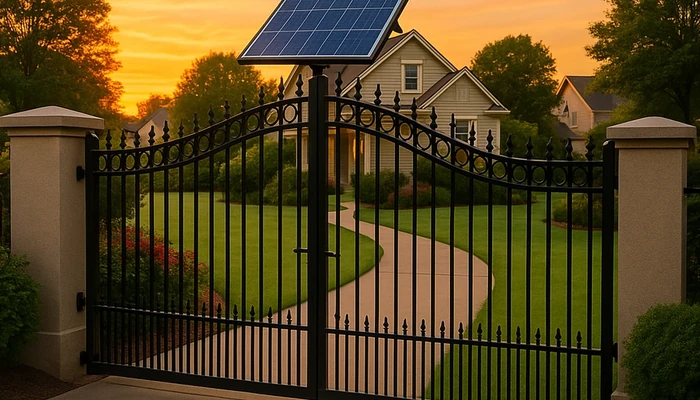
Solar-powered automatic gates utilize photovoltaic panels to capture sunlight and convert it into electricity. This energy either directly powers the gate operator/motor or is stored in a battery for use when sunlight is low (evenings, cloudy days).
- Photovoltaic panel: Captures solar energy
- Charge controller: Regulates incoming power to the battery/system
- Battery pack: Stores power for later
- Gate operator: Uses stored/real-time energy to open and close the gate as needed
Compared to hardwired electric gates, solar systems offer independence from grid power, which is valuable in both residential and commercial settings.
Benefits of Solar-Powered Automatic Gates
- Reduced electricity costs: Solar energy can notably lower or eliminate gate operating costs.
- Eco-friendly operation: Uses clean, renewable energy—contributing to sustainability goals (see NIST Environmental Policy Statement).
- Energy independence: Gates operate during power outages or grid failures.
- Works in remote locations: Especially beneficial where electrical wiring is costly or impractical.
- Simpler trenching/wiring: Avoids digging long trenches or navigating existing landscaping/utilities.
- Potential for incentives: Some regions offer rebates for solar installations (check with local authorities).
Challenges and Limitations of Solar Gate Systems
- Sunlight dependency: In areas with limited sun or lots of shade, performance may suffer—especially in winter or cloudy climates like Chicago’s.
- Initial investment: Upfront equipment and installation costs for solar panels and batteries can exceed traditional electric systems.
- Battery maintenance/replacement: Batteries have limited lifespans and must eventually be replaced.
- Operational limits: Heavy usage (many cycles per day) or large/heavy gates may exceed a typical residential solar system’s capacity.
- Code compliance: Local building or electrical codes may have specific requirements (always verify with professionals).
Key Components of a Solar Automatic Gate System
| Component | Purpose | Considerations for Chicago, Illinois |
|---|---|---|
| Solar panel | Collects sunlight, generates electricity | Needs to withstand snow/ice, optimal placement is crucial |
| Battery bank | Stores energy for night/cloudy days | Battery must be insulated or rated for cold weather |
| Gate opener | Motorized mechanism to move gate | Choose one with energy-efficient motor for best results |
| Controller | Regulates power flow | Quality controllers prevent overcharging/discharge |
| Safety features | Sensors, manual release, alarms | Check compliance with local safety standards and building codes |
Types of Automatic Gates Compatible with Solar Power
- Single swing gates: Typically require less power, ideal for solar operations.
- Dual swing gates: Two smaller leaves; often manageable with robust solar setups.
- Sliding gates: May need more power due to rolling resistance; still feasible with proper system sizing.
Consult a specialist to match your gate type, weight, and expected daily cycles with an appropriate solar system. Chicagoland Fence Pros can assist in determining the right match for Chicago-area weather and use cases.
Climate and Regional Considerations: Chicago, Illinois
In the Chicago, Illinois area, solar-powered systems face unique challenges due to:
- Cloudy winters: Reduced daylight hours and frequent overcast skies may affect solar panel efficiency.
- Snow and ice: Panels must be installed at an angle for snow shedding; occasional cleaning may be required to avoid buildup.
- Cold effects on batteries: Low temperatures can reduce battery capacity—using insulated or specialty batteries is recommended.
Despite these challenges, many residential and commercial properties in Chicago successfully operate solar gate systems with the right design, placement, and backup planning.
Installation Process and Best Practices
Site Assessment
- Analyze the amount of sunlight your gate area receives throughout the year.
- Identify potential sources of shade: trees, buildings, vehicles, seasonal snow accumulation.
- Consider the physical orientation for optimal solar collection.
- Evaluate ground conditions for mounting solar panels securely and maintaining easy access for service.
Panel Placement and Angle
- Install panels facing south (in the Northern Hemisphere) for best year-round sunlight exposure.
- Adjust tilt angle to maximize performance, considering latitude and winter sun angles.
Battery Enclosures and Weatherproofing
- Use insulated, waterproof enclosures for batteries to ensure longevity and reliable cold-weather performance.
- Check for proper drainage to avoid standing water or ice near electronics.
Complying with Codes and Safety
- Follow all applicable local and national electrical codes for solar installations—consult with certified installers.
- Chicago-area properties should review regional requirements and building codes before proceeding.
- Always verify compatibility with existing security or access control systems.
For more on code-focused installation, visit NIST’s guidelines.
Expected Performance and Lifespan
| Component | Typical Lifespan | Maintenance Needs |
|---|---|---|
| Solar panels | 15–25 years | Occasional cleaning; ensure no debris blocks panels |
| Battery bank | 3–8 years | Replace when capacity diminishes; check for corrosion or swelling |
| Gate operator | 7–15 years | Lubricate moving parts; test for wear |
| Control electronics | 10–20 years | Inspect for waterproof seal integrity; update if needed |
Routine inspection—especially before and after winter—is key to reliable, long-term operation in Chicago and similar climates.
Cost Breakdown: Upfront and Lifetime
Typical Solar Automatic Gate Costs (Estimates)
- System purchase and installation (single gate): $2,500–$6,500+
- Battery replacements (every 5–8 years): $150–$600 depending on system size and technology
- Routine maintenance/cleaning: Minimal, $50–$200/year if serviced professionally
- Electricity savings: $35–$150+/year compared to grid-powered automation, depending on use
Every property is unique, and costs vary. For a clear quote based on your needs and Chicago-specific factors, request a fence estimate from our expert team.
Maintenance & Troubleshooting Tips
- Keep solar panels clear of snow, leaves, and dust for optimal light absorption.
- Check battery status at least twice yearly—especially before winter.
- Test safety and access controls regularly.
- Inspect wiring and connections after severe weather events.
- Review the gate’s operation at different times of day/seasons to catch potential power shortfalls before they impact security.
If you encounter repeated malfunctions, or if your gate doesn’t open during cloudy stretches, consider a battery upgrade or consult a professional for system sizing.
For further fencing maintenance pointers, the Preventive Maintenance for Automatic Gates guide is a practical resource.
Integration with Security and Smart Features
Modern solar automatic gates often integrate with security cameras, intercoms, keypad entry, and smart access controls. When choosing smart-enabled accessories, confirm that:
- Power draw is minimal and compatible with your solar+battery system.
- Winter reliability and backup power options are in place.
- All added devices meet safety and insurance requirements for your property type.
For more on smart gate features, see Smart Features of Automatic Gates.
Comparison Table: Solar vs. Electric Powered Automatic Gates
| Feature | Solar Automatic Gates | Electric (Grid-Powered) Gates |
|---|---|---|
| Energy cost | Low ($0 ongoing) | Ongoing grid electricity costs |
| Outage resistance | Operates during power outages | Non-operational during outages unless backed up |
| Installation cost | Higher (panels, batteries, controls) | Lower (no extra battery/panel) |
| Maintenance | Battery and solar care | Fewer moving parts |
| Sustainability | Renewable, eco-friendly | Traditional, not renewable |
| Suitability for remote areas | Excellent | Poor |
| Climate dependencies | Sunlight needed for consistent performance | Less affected by weather |
When to Choose a Solar Automatic Gate: Use Cases
- Rural or remote driveways without accessible grid power
- Eco-conscious homeowners or businesses seeking to reduce carbon footprint
- Properties requiring certain systems to function during outages (medical facilities, security-dependent businesses)
- Budget-conscious long-term planners willing to invest for eventual payback via lower energy costs
If you live in Chicago, Illinois and want to discuss what’s best for your property, talk to our fence specialists for a personalized consultation.
Frequently Asked Questions: Solar Energy for Automatic Gates
Do solar automatic gates work well in cloudy climates?
While solar gate systems are less efficient in cloudy, low-light conditions, proper sizing and battery backup allow them to function reliably in areas like Chicago, provided winter and shading challenges are addressed.
How much sunlight does my property need for a solar gate?
Ideally, your solar panels should receive at least 4–6 hours of full sun per day. Less sunlight requires a larger panel, higher-capacity battery, or supplemental power source.
Will snow or ice damage solar gate systems?
Quality panels are weatherproof and rated for snow, but snow accumulation reduces output. Install panels at an angle, clear them as needed, and use enclosures designed for Midwest winters.
How often do solar gate batteries need replacement?
Expect battery replacement every 4–8 years depending on usage, battery quality, and exposure to harsh weather conditions.
Is solar gate installation covered by local building codes in Chicago?
Most areas—including Chicago—require that gate installations (especially those involving new wiring) comply with electrical and zoning codes. Always check with city offices or a licensed fence contractor like Chicagoland Fence Pros for compliance.
Can I add solar power to an existing electric gate?
In many cases, yes—if the existing opener is compatible and space allows for panels and batteries. A system evaluation by a professional is recommended.
Are there rebates or incentives for installing a solar gate?
Some utility companies or local governments offer solar incentives. These vary by year and locality—check with your city or installer.
Can solar gates support smart home/security features?
Yes—provided accessory power needs are compatible with your solar+battery system. Assess each device with your installer before purchase.
What happens during long periods of inactivity or bad weather?
Batteries retain charge, but without sunlight, prolonged inactivity or bad weather can eventually drain them. Some systems offer hybrid (solar + grid) capability as a backup.
Who should install a solar-powered automatic gate?
Installation by licensed, code-aware professionals is always recommended for safe, reliable operation—especially in Chicago’s demanding climate.
Conclusion: Is Solar Right for Your Automatic Gate?
Solar energy offers major advantages—sustainability, resilience, and savings—for automatic gates, especially in settings where grid power is unreliable or where eco-friendly solutions are preferred. Homeowners in Chicago, Illinois should weigh regional weather, site conditions, and usage patterns before choosing solar power for their gate system.
For more on energy efficiency, see Energy-Efficient Options for Automatic Gates. If you’re ready to compare materials, gate types, or request honest advice and a transparent quote, talk to our fence specialists today. Chicagoland Fence Pros will walk you through solar and traditional solutions—always with your property’s unique needs in mind.
About Chicagoland Fence Pros
Chicagoland Fence Pros has over 15 years of experience installing residential and commercial fences in the Chicago, Illinois area. Our team specializes in wood, vinyl, aluminum, steel, and automated security solutions. We serve homeowners and businesses with a focus on code compliance, safety, and long-term reliability—always providing clear, honest recommendations tailored to each property’s specific needs.
best fence company chicago, gate opener repair, automatic gates, electric gate Geneva, electric gate Lincolnshire, driveway gate Glencoe, sliding gate Glen Ellyn, automatic gate Ranch Triangle, gate opener repair Lockport, automatic gate repair River Grove
