
Vinyl Fencing in Architectural Projects: A Guide for Homeowners and Property Managers
Deciding on the right fencing for your property is more than just picking a material or color. For many homeowners and property managers, it starts with questions about durability, appearance, safety, and compliance with building codes. Vinyl fencing in architectural projects is increasingly popular because it offers a balance of longevity, minimal upkeep, and modern style. But is it right for your needs? This guide delivers a clear, honest overview of vinyl fencing options, their advantages and challenges, and what you can expect through the process—especially in the Chicago, Illinois area. With over 15 years of local expertise, Chicagoland Fence Pros aims to help you confidently choose the fence that fits your project, your property, and your peace of mind.
Understanding Vinyl Fencing: Material and Basics
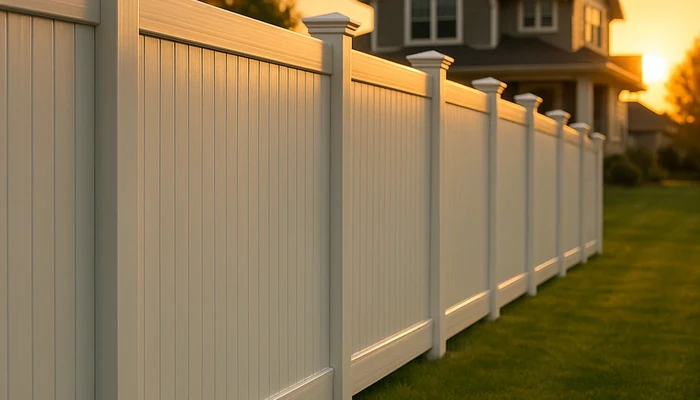
Vinyl fencing is crafted from polyvinyl chloride (PVC), a synthetic plastic engineered for outdoor use. Its unique formulation makes it resistant to weather, fading, and insects, providing a sturdy barrier for residential and commercial properties.
- Key Features: Does not rot or rust, resists UV fading, and requires little ongoing maintenance.
- Styles Available: Privacy panels, picket, lattice, and ornamental designs, suitable for diverse architectural styles.
- Color Options: Classic white, earth tones, and custom colors to match landscaping and building exteriors.
For a deeper dive on styles and current trends, see Modern Vinyl Fence Designs and Vinyl Fence Colors and Finishes.
Architectural Applications and Use Cases
In architectural projects, vinyl fencing plays several roles:
- Perimeter Security: Defines property boundaries, deters trespassers, and increases site safety for homes, apartment complexes, and businesses.
- Privacy Screens: Used to separate neighboring yards, shield patios, or create private garden spaces.
- Design Accents: Complements architectural details, framing entrances or enhancing landscape themes.
- Noise and Wind Reduction: Solid-panel vinyl options provide noise dampening and can help shield courtyards from prevailing winds.
Some architectural projects use vinyl fencing alongside masonry columns or paired with aluminum gates to achieve both functional and aesthetic goals. See more integration tips at Combining Vinyl Fences With Other Materials.
Durability, Longevity, and Performance
One of the principal reasons vinyl fencing is chosen for architectural projects is its reputation for enduring the Midwest’s demanding weather. Vinyl stands up to:
- Cold winters and freeze-thaw cycles
- Intense sun exposure in summer
- Rain, humidity, and wind
Unlike wood, vinyl will not decay or require repainting. It’s also not susceptible to many of the pests that damage other materials. See evidence-based insights at Galvanize It! (zinc protection principles).
With high-quality materials and proper installation, it’s not uncommon for vinyl fences to last 20–30 years. For details on how different panels and brands perform, view Best Vinyl Fence Brands.
Maintenance and Cleaning: Setting Realistic Expectations
One of the most relevant advantages for busy property owners is the low-maintenance nature of vinyl. However, it’s important to set realistic expectations:
- Washing: Occasional rinsing with a garden hose is usually enough to keep panels clean.
- Staining and Discoloration: Vinyl resists most stains, though algae or pollen can accumulate. Mild soap and water typically resolve this.
- Repairs: While rare, cracks or splits can occur from strong impacts. Damaged sections are usually easy to replace.
For step-by-step care tips, see Easy Maintenance for Vinyl Fences and Easy Tips for Cleaning and Caring for Vinyl Fences.
Styles, Customizations, and Design Integration
Modern vinyl fencing is remarkably versatile. Innovations in manufacturing allow for:
- Wood-Grain Textures: Mimic the look of wood with the advantages of vinyl.
- Variable Heights: Create stepped or scalloped profiles to fit changing elevations.
- Decorative Post Caps and Lattice: Add design interest or coordinate with architectural features.
Vinyl fencing can be adapted to both traditional and contemporary settings. For a side-by-side comparison of vinyl with other materials, check Comparison: Vinyl Fences vs. Wooden Fences.
| Feature | Vinyl | Wood | Aluminum |
|---|---|---|---|
| Durability | ✔️ | Variable | ✔️ |
| Maintenance | Low | Moderate/High | Low |
| Customization | High | High | Moderate |
| Color/Finish | UV-stable, varied | Paint/stain | Powder-coat |
| Cost (Initial) | Medium | Low/Medium | Medium |
| Privacy | Excellent | Excellent | Limited |
Building Codes, Zoning, and HOA Considerations
Before starting any fence project, it’s critical to understand your local building requirements. City regulations, homeowners’ associations (HOAs), and even your property’s plat lines can all affect your plans.
- Heights: Many areas limit residential fence height along front yards or near sidewalks.
- Setbacks: Fences may need to be a certain distance from property lines, intersections, or public spaces.
- Material Restrictions: Some HOAs or historic districts have rules about materials, especially along main streets.
Homeowners in Chicago, Illinois should check current guidelines on the City of Chicago website and ask their HOA before building. Working with experienced contractors, like Chicagoland Fence Pros, can help you avoid costly mistakes and delays.
Cost, Value, and Return on Investment
The initial cost of vinyl fencing is generally higher than basic wood, but lower than ornate metal systems. However, the long-term value often exceeds alternatives thanks to minimal maintenance and longevity. Factors impacting your total investment include:
- Fence height and style
- Site conditions (e.g., sloped, landscaped, hard-to-access)
- Gates, hardware, and accessories
Real-world costs can vary, so request detailed estimates. See Affordable Vinyl Fence Cost Guide for more detailed budgeting tips.
When Vinyl Is—and Isn’t—the Best Choice
No fence material is perfect for every project. Here’s when vinyl excels—and when you might consider another solution:
- Best for: Homeowners wanting high privacy and curb appeal with minimal upkeep. Properties subject to harsh weather or with highly active children and pets benefit from vinyl’s resilience.
- Consider alternatives for: Projects requiring extremely high-impact resistance, certain historic reproductions, or when matching ornate details best achieved with wrought iron.
If you’re exploring specialty fences, browse options such as wrought iron fences, wood fences, or composite fencing for comparison.
Preparing for Installation: What to Expect
Every fencing project begins with a clear assessment. Here’s an overview of what to expect:
- Site Survey: Measuring boundaries, checking for underground utilities, and evaluating terrain.
- Product Selection: Reviewing style, color, and height based on budget and need.
- Permitting: Securing required municipal or HOA approvals.
- Timeline: Most residential jobs take 1–3 days, weather permitting.
From our experience as a fence company in Chicago, Illinois, planning ahead prevents surprises and helps ensure a smooth, code-compliant installation.
Sustainability and Environmental Impact
Environmental concerns are increasingly relevant in architectural design. Modern vinyl fencing uses recyclable PVC, and many manufacturers have adopted eco-friendly practices. Properly installed vinyl fences have a long service life, reducing waste and the need for frequent replacement.
For more on sustainability in construction, visit APA Technical Research.
Integrating Vinyl Fencing with Other Materials
Combining fence styles can provide tailored solutions for privacy, security, and curb appeal. For example, vinyl panels can be paired with aluminum posts for added structural strength, or with masonry walls for a dramatic look. Review Combining Vinyl Fences With Other Materials for project ideas. If you need additional perimeter security, see Automatic Security Gates.
Frequently Asked Questions: Vinyl Fencing in Architectural Projects
-
1. How long does vinyl fencing last in the Chicago climate?
High-quality vinyl fencing can last 20–30 years or more in Chicago, Illinois, with minimal maintenance. Be sure to choose materials rated for UV and freeze-thaw resistance.
-
2. Is vinyl fencing really maintenance-free?
While vinyl is extremely low-maintenance—no painting, staining, or sealing required—occasional rinsing and checking for impact damage are recommended to keep it looking its best.
-
3. Can vinyl fencing be used on sloped lots?
Yes. Modern vinyl systems can be stepped or racked to accommodate changing grades. Read about installation tips for difficult sites at Adaptability Of Vinyl In Difficult Terrain.
-
4. What colors and styles are available?
Vinyl fencing comes in a wide variety of colors, wood-look finishes, profile heights, and decorative options. See popular choices at Creative Styles for Outdoor Vinyl Fences.
-
5. Will vinyl fencing increase my property value?
Good-quality, well-installed vinyl fences typically boost curb appeal and may contribute to higher property values. See research at Vinyl Fences and Home Value.
-
6. What’s the typical installation time?
Most residential projects in Chicago, Illinois are completed in 1–3 days after permitting and utilities are cleared.
-
7. Are vinyl fences recyclable?
Many components can be recycled at the end of their service life, depending on local facilities. Ask your installer for guidance on sustainable disposal.
-
8. Can vinyl fences provide security as well as privacy?
Solid-panel vinyl fences can enhance both privacy and perimeter security, especially when combined with secure gates. Explore additional options at Commercial Fence Installation.
-
9. What is the warranty for vinyl fencing?
Most manufacturers offer extended limited warranties (20+ years), but terms can vary. See Everything You Need To Know About Vinyl Fence Warranties for more information.
-
10. How do I get started with a vinyl fencing project?
It’s smart to start with a site assessment. You can request a vinyl fence estimate from our experienced team.
Conclusion: Making the Right Fencing Decision
Choosing vinyl fencing in architectural projects means balancing performance, cost, aesthetics, and compliance. With modern manufacturing and thoughtful installation, vinyl offers years of security and appeal for a wide range of property types. Homeowners and property managers in Chicago, Illinois benefit from materials designed for the Midwest climate, flexible design options, and low ongoing costs. If you’re ready to move forward or want expert, honest advice, talk to the specialists at Chicagoland Fence Pros. For those interested in other premium options, learn more about aluminum fences in Chicago.
For specific project questions, or to discuss custom fencing needs for your home or business, contact Chicagoland Fence Pros today.
About Chicagoland Fence Pros
Chicagoland Fence Pros is a professional fence company with over 15 years of experience helping homeowners and businesses in Chicago, Illinois and nearby communities improve security, privacy, and curb appeal. The team specializes in wood, vinyl, aluminum, and steel fencing, handling both residential and commercial projects. Every fence is installed to meet local codes, with a focus on transparency, honest recommendations, and long-term customer satisfaction.
fence company in chicago, vinyl fencing, white vinyl fence chicago, vinyl fence in Berwyn, vinyl perimeter fence Kenilworth, vinyl fence replacement Rockford IL, vinyl fence replacement Ranch Triangle, vinyl fence Norridge, vinyl perimeter fence North Chicago, vinyl fencing Broadview