
Vinyl Fence Colors and Finishes: The Homeowner’s Guide to Stylish, Lasting Choices
Choosing a fence often feels like walking a maze of materials, regulations, and personal style preferences. For homeowners or property managers considering vinyl fencing, the question isn’t just “why vinyl?”—but what vinyl fence colors and finishes work best for their yard? With vinyl’s growing popularity in Chicago and beyond, overlooked details like color variety or finish type can make a huge difference in curb appeal, privacy, and even long-term durability. This long-form guide walks you through every aspect of vinyl fence colors and finishes, from how options are created and their impact on maintenance, to what’s possible within local codes. By the end, you’ll be confident in balancing aesthetics, practical constraints, and investment value for your own property—with realistic, experience-based input from Chicagoland Fence Pros and references to leading industry resources where helpful.
Understanding Vinyl Fence Colors: The Science, Choices, and Trends
Unlike traditional wood or metal fencing, vinyl opens up an impressive spectrum of color possibilities, from classic whites to deep, contemporary hues. Vinyl fence panels are typically manufactured using polyvinyl chloride (PVC), with pigments and UV inhibitors blended into the resin. This means the color isn’t just sprayed or painted on—it runs through the entire panel, making scratches and nicks less noticeable and preventing peeling or fading from Chicago’s tough summers and winters.
Common Color Options
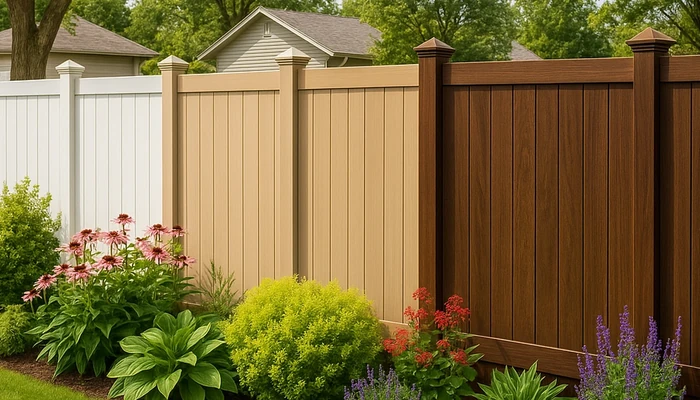
- White: The timeless favorite. Clean, crisp, and works with nearly any home style. Easy to spot dirt (and easy to clean), white vinyl fences are still the most popular in many neighborhoods.
- Tan/Khaki: Also widely chosen for a softer look and less contrast with landscaping. Tan blends easily in suburban, natural, or modern settings—helping hide Chicago’s road dust and pollen better than white.
- Gray: Gaining ground with contemporary homes or those wanting a subtle, refined appearance. Light gray to charcoal hues are often used to complement stonework or modern siding.
- Other Colors: Almond, clay, and off-whites are popular for added warmth. Some manufacturers offer richer options, including dark browns or even black, though intense colors require different UV inhibitors for fade resistance.
For a visual summary, here’s a quick comparison table of typical vinyl fence color choices:
| Color | Popular Use Cases | Maintenance Visibility | Fade Resistance |
|---|---|---|---|
| White | Traditional homes, HOAs, clean aesthetic | High | Excellent |
| Tan/Khaki | Blends with landscaping, low-key look | Moderate | Excellent |
| Gray | Modern/contemporary homes, city settings | Low-Moderate | Very Good |
| Almond/Clay | Warm-toned exteriors, transitional designs | Moderate | Excellent |
| Dark Brown/Black | Accent fencing, commercial, statement pieces | Low | Good (requires enhanced UV) |
Custom and Specialty Colors: What’s Possible?
While most major vinyl brands focus on the core palette, it’s possible to source custom colors—especially for commercial or designer projects. Expect longer lead times and higher costs for custom pigmentation, minimum order requirements, and sometimes more maintenance (deep colors absorb more heat and may be vulnerable to warping or fading without enhanced protection). Always confirm whether your HOA or local zoning office allows alternative colors before finalizing choices.
Color Longevity and Fading
One of the main appeals of vinyl fencing is its resistance to fading, especially compared to painted or stained wood. In the Chicago, Illinois area, UV exposure and temperature swings challenge any exterior finish. Higher-quality vinyl products contain advanced UV inhibitors and impact modifiers, extending color life significantly. Generally:
- Lighter colors (white, tan, almond) show almost no fading over decades with proper manufacture.
- Darker or saturated colors may gradually lose vibrancy over time, though improved chemistry now keeps even black vinyl from fading rapidly.
Regular cleaning and occasional inspection help keep any color vibrant. For more on maintaining your vinyl fence, see Vinyl Fence Maintenance Made Easy.
Vinyl Fence Finishes: Surface Texture, Shine, and Realism
Color is just one part of the equation: the surface finish—ranging from silky-smooth gloss to subtle matte or wood-grain texture—also affects curb appeal, cleaning, and even fence longevity. When researching vinyl fence finishes, here’s what to consider:
Matte Finish
Matte vinyl fencing has a subtle, low-reflective surface that disguises minor smudges and dings. It works particularly well for privacy fences around homes where you want a softer, understated look. Matte finishes are increasingly common for modern and contemporary properties.
Glossy Finish
Glossy finish vinyl stands out with high reflectivity, giving fences a more vibrant, polished look. Gloss sheds rain and dirt well, but can show water spots or scratches more easily. This look often complements traditional and classic homes.
Textured & Wood-Grain Finishes
To mimic the warmth and charm of natural wood, some vinyl fence panels are embossed with wood-grain textures or light texturing. These finishes help hide surface scuffs and provide depth, while maintaining the low-maintenance advantages of vinyl.
- Wood-Grain: Closest imitation of painted or stained wood—popular as a long-lasting alternative to wood fencing in the Midwest.
- Stucco/Textured: Some brands offer decorative finishes to match unique architectural styles or blend with home facades.
Each finish varies in tactile feel and light reflection—try visiting a local display or request samples before committing to a large installation. Note: Not all styles and colors are available in every finish, so check with your fence provider.
How Do Color and Finish Impact Performance?
Performance is about more than just looks. In Chicago’s climate, materials expand and contract with temperature swings, UV intensity varies, and fences need to stay beautiful even in snow, ice, or city grime. Here’s how your choice of color and finish might affect fence longevity and appearance:
- Light vs. Dark Colors: Darker finishes can absorb more heat, potentially making panels more flexible on hot days and (rarely) prone to minor warping. High-quality vinyl and proper installation minimize risk, but dark colors require reputable brands.
- Glossy Surfaces: More likely to show shallow scratches or scuff marks, especially in high-traffic areas.
- Textured Surfaces: Hide dirt, pollen, and scratches better—fewer cleaning cycles needed, and minor imperfections are less visible.
Ask your installer for brand comparisons or reviews of finish performance over time. Learn more about the durability of different types and finishes in our Vinyl Fencing Panels Durability Guide.
Matching Fence Color and Finish to Your Home or Property
Fence color and finish choices are as personal as house paint. Consider these steps for a result that enhances both style and property value:
- Inventory Surroundings: Check your exterior siding, roof, trim, landscaping colors, and neighboring fences. Coordinated contrasts (gray fence, warm beige home) are popular in many Chicago neighborhoods.
- HOA and Local Rules: Always consult your HOA guidelines or local code portal before final selection. Some areas restrict bold colors or flashy finishes.
- Maintenance Preferences: White looks crisp but shows dirt; textured and tan finishes are more forgiving amid pollen, dust, or Chicago’s frequent freeze-thaw cycles.
- Home Architectural Style: Modern homes often favor gray, black, or deep matte tones; traditional homes lean toward white or wood-grain finishes.
Not sure what matches best? Browse more design inspiration in Modern Vinyl Fence Designs and Creative Styles for Outdoor Vinyl Fences.
Considerations for Chicago, Illinois Homeowners
Fences in the Chicago area face unique demands, from icy winters to baking summer sun. Here’s what local homeowners and property managers need to remember when selecting vinyl fence colors and finishes:
- Weather Resilience: Look for brands with proven performance in freeze-thaw environments and multi-season UV resistance.
- Snow & Salt: Lighter colors may show winter grime or salt spray, but clean up easily. Textured finishes can trap less residue if cleaned seasonally.
- City Codes: Check with building authorities or your fence installer for color and finish restrictions, especially on corner lots or near roads.
- Neighborhood Aesthetics: In Chicago, Illinois, matching existing fencing is often required for multi-family or linked properties.
If you need tailored advice for your block or building, request a vinyl fence consultation with our local specialists (soft CTA).
Maintaining Color and Finish Over Time
While vinyl fencing is considered low-maintenance, it isn’t maintenance-free. Preserving colors and finishes takes only simple steps:
- Wash panels with mild soap and water 1–2 times per year, especially after pollen-heavy spring or salty winters.
- Choose non-abrasive cleaning pads on matte and textured finishes to avoid scuffs.
- Sweep away leaves or debris that may stain, particularly on lighter colors.
- Immediately rinse any lawn chemicals or salt runoff during winter to prevent build-up.
For detailed instructions, see our step-by-step Vinyl Fence Cleaning Guide.
Case Examples: Vinyl Fence Color and Finish Decisions in Chicago
Case 1: Classic White for Suburban Privacy
A homeowner in Lincoln Park wanted privacy and a clean look, but also needed a fence that passed rigid HOA standards. They chose bright white, matte-finish panels—easy to maintain, always in style, and fully code-compliant. The new fence complemented their colonial-style home and outlasted a previous wooden fence by years.
Case 2: Modern Gray Wood-Grain for a City Duplex
In a contemporary duplex renovation, the owners picked a deep gray, textured (wood-grain) vinyl. The pattern echoed the home’s modern façade and disguised road dust. Installation was quick, and after severe winter weather, only minimal cleaning kept the color sharp.
Case 3: Contrasting Tan Panels for a Layered Landscape
A property manager in a multi-family building layered tan, lightly-textured panels with climbing greenery. The neutral shade blended seamlessly with both brick and stonework, proving practical for hiding dirt from frequent foot traffic and yard work.
Cost and Value Considerations for Color and Finish Choices
While the material cost for vinyl fencing does increase with advanced colors or finishes, the long-term value comes from reduced repainting, fewer repairs, and lasting curb appeal. Here’s what typically affects pricing:
- Standard vs. Custom Colors: Standard white, tan, and gray run at or near the base material price. Custom pigments or intensity may add 10–25% to panel costs and require special order times.
- Finish Type: Textured or wood-grain options may add a small premium, especially for high-definition or premium brands.
- Lifetime Value: Lower maintenance and durability often offset higher up-front cost, especially in Chicago’s challenging weather.
For a full breakdown of costs, refer to Vinyl Fence Cost Guide or Vinyl Fence Cost-Benefit Analysis.
Comparing Vinyl to Other Fence Materials
Still unsure if vinyl is your best option? Here’s a snapshot comparison:
| Material | Color Variety | Maintenance | Chicago Durability |
|---|---|---|---|
| Vinyl | High (many colors/finishes) | Very Low | Excellent |
| Wood | High (paint/stain) | High (repainting/sealing) | Variable (rot/warp) |
| Aluminum | Medium (powder coat) | Low | Very Good |
| Chain Link | Low (galvanized or coated) | Low | Very Good |
For more in-depth comparisons, read Vinyl Fences vs. Wooden Fences: Comparison Guide.
Frequently Asked Questions About Vinyl Fence Colors and Finishes
What vinyl fence colors are least likely to fade?
Light tones—particularly white, tan, almond, and classic beige—are highly fade-resistant in most climates. Premium brands offer dark colors with special UV inhibitors for extra fade protection.
Can vinyl fence panels be painted?
Painting vinyl fences is not recommended—factory-pigmented color resists chipping and flaking, while aftermarket paints may not bond well and could void manufacturer warranties. It’s best to select your preferred color up front.
Are all finish types equally durable?
Generally, matte and textured finishes hide wear better than glossy, but all high-quality vinyl products are designed for exterior exposure. Textured and wood-grain finishes can help minimize visible blemishes and cleaning frequency.
How do I clean a vinyl fence without damaging the finish?
Use a soft brush, mild soap, and water. For stubborn spots, a gentle scrub pad is safe for most matte and textured finishes. Power washing should be done carefully—avoid aggressive tips or high pressure.
Can I get a sample of a vinyl fence color?
Yes, most manufacturers and installers (including Chicagoland Fence Pros) can provide small color or finish samples on request to compare with your home or property before installation.
What if my HOA has color restrictions?
You must comply with HOA or local codes. Bring sample boards to your HOA for approval, or consult your installer for guidance—they’re familiar with common restrictions in the Chicago, Illinois area.
Does vinyl fencing work well for both privacy and decorative needs?
Absolutely. Vinyl is highly versatile—select solid panels for full privacy in classic colors or picket and lattice styles in designer hues for more decorative boundaries.
Will extreme cold or heat damage my vinyl fence’s finish?
Quality vinyl is engineered for wide temperature ranges. Dark colors can become more flexible in summer sun, but permanent warping is rare with proper installation. Snow and cold have minimal impact on finish integrity.
Are specialty finishes more expensive?
Yes, wood-grain or designer finishes usually cost more than smooth, solid-color panels. Balance style preference with budget and desired maintenance level.
Who installs vinyl fences in Chicago with custom color expertise?
Chicagoland Fence Pros offers a wide range of vinyl fence colors and finishes tailored to local conditions, and will guide you through every code, cost and design consideration for your new fence project.
Conclusion: Making the Best Choice for Your Property
Choosing vinyl fence colors and finishes is about more than immediate curb appeal—it’s a key decision for property value, long-term durability, and neighborhood harmony. The right combination should reflect your home’s style, meet your maintenance preferences, and comply with local regulations. In the Chicago, Illinois area, vinyl continues to stand out thanks to its design flexibility, ease of care, and excellent track record for withstanding Midwest seasons. When in doubt, contact a local expert—like Chicagoland Fence Pros—to review samples, confirm codes, and ensure your investment lasts for years. Ready to explore styles or request an estimate? Talk to our vinyl fence specialists today.
Need help deciding? Compare more options in our Guide to Choosing the Right Vinyl Fence or reach out for a personalized fence quote from Chicagoland Fence Pros.
—
About Chicagoland Fence Pros
Chicagoland Fence Pros has over 15 years of experience installing fences throughout the Chicago, Illinois area. We help homeowners and businesses enhance privacy, security and curb appeal. Our team specializes in a variety of fencing materials including wood, vinyl, aluminum and steel—serving both residential and commercial clients. We are fully licensed and insured, and our work is always code-compliant for peace of mind and long-lasting value.
fence company in the city of chicago, vinyl fencing, white vinyl fence chicago, vinyl fence North Halsted, vinyl privacy fence Plainfield, vinyl fence in the city of Edison Park, vinyl privacy fence River Grove, vinyl fence styles East Ravenswood, vinyl fence repair Avondale, white vinyl fence Winnetka