
The Timeless Beauty of Iron Railings: An In-Depth Guide
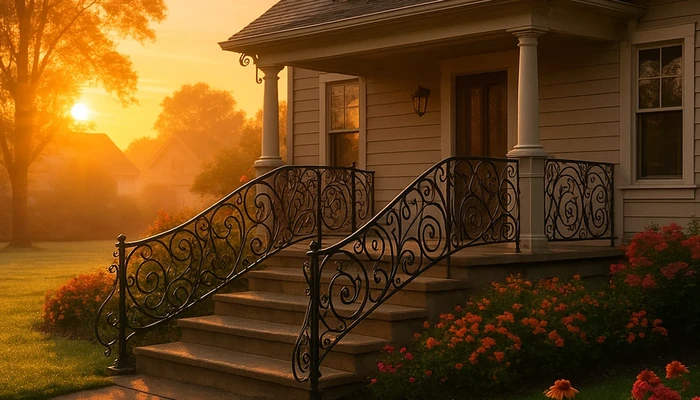
If you’re exploring fence options to boost your property’s privacy, safety, or curb appeal, you’ll quickly discover one material stands out for both elegance and durability: wrought iron. The timeless beauty of iron railings has graced homes and businesses for centuries—yet many homeowners and property managers are unsure about the real pros, cons, and expectations of choosing iron for their next project.
Choosing the right fence or railing is rarely just about looks. It’s about balancing long-term durability, local code compliance, maintenance, and your property’s unique character. In this comprehensive guide, we’ll demystify iron railings: reviewing their history, everyday benefits, installation trade-offs, and maintenance needs—right down to making the best choice for Chicago’s unique climate. Drawing on years of hands-on experience at Chicagoland Fence Pros, we’ll give you a clear roadmap for evaluating if iron’s lasting value is the right fit for your space.
The Enduring Appeal of Iron Railings: Why They Stand the Test of Time
Iron railings have earned a reputation for longevity, style, and reliability. While modern construction introduces new materials every year, iron remains a top choice, especially for property owners who want their investment to last decades rather than years. What sets iron apart?
- Historical charm: From classic Victorian homes to streamlined modern builds, iron railings suit almost any architectural style.
- Strength & security: Iron is renowned for its resistance against weather, intruders, and general wear and tear.
- Effortless elegance: Whether in ornate scrollwork or minimalist lines, iron has a presence that upgrades property value and aesthetic instantly.
The combination of these qualities explains why iron railings are regularly chosen for city landmarks, restoration projects, and luxury new builds alike. For more on iron’s universal design appeal, see our in-depth article Classic and Functional Iron Railing Design.
Iron Railing Types and Design Options
No two iron railings are exactly alike—design, construction methods, and finish options let you tailor your investment exactly to your needs. Let’s break down the most popular variants:
Wrought Iron vs. Cast Iron vs. Modern Steel
| Material | Appearance | Strength | Rust Resistance | Customization | Typical Use |
|---|---|---|---|---|---|
| Wrought Iron | Classic, solid | Very high | Good (with finish) | Extensive | Historic, custom, ornamental |
| Cast Iron | Ornate, heavy | High | Moderate | Detailed patterns | Restoration, decorative |
| Modern Steel | Sleek, minimal | High | Very good (galvanized/powder-coated) | Moderate | Contemporary homes, commercial |
For readers interested in the artistry behind these options, delve into Iron Railings: A Blend of Strength, Elegance.
Popular Styles in Chicago and Beyond
- Ornamental and Victorian: Intricate scrolls and motifs, historically inspired.
- Contemporary/Minimalist: Clean, straight lines for a modern look.
- Traditional/Picket: Classic vertical balusters, often topped with decorative finials.
- Custom Designs: Unique patterns, monograms, or details reflecting the architecture or owner’s preferences.
From historic neighborhoods to modern condos, iron railings are adapted for porches, stairs, decks, and perimeter fences throughout Chicago, Illinois. For more on design trends, see Trends in Iron Railing Design.
Key Benefits of Iron Railings for Homes and Properties
Why are iron railings a perennial favorite in both residential and commercial environments?
- Unmatched durability: Iron railings can easily last 50+ years with proper maintenance—far outlasting wood or low-grade metals.
- Security and safety: Their sturdy construction acts as a true barrier, while meeting stringent code requirements for fall and intrusion prevention.
- Minimal maintenance: Modern finishes (powder-coated, galvanized) resist rust and chipping for years, requiring only periodic touch-ups.
- High property value ROI: Iron adds perceived luxury and permanence, which can increase property appeal and value.
- Local code compliance: Quality iron installations can be tailored to meet Chicago’s residential or commercial code for height, spacing, and structural integrity.
For a more detailed breakdown of long-term value, review Long Term Benefits of Installing Iron Railings.
Understanding Local Building Codes and Safety Standards
Regardless of design, iron railings must meet local safety codes and installation standards—especially in dense urban areas like Chicago, Illinois. Some common requirements include:
- Railing height minimums (typically 36–42 inches for decks/stairs)
- Baluster spacing (usually under 4 inches apart to prevent falls)
- Anchoring and footing depth for exterior and perimeter railings
- ADA compliance for accessible handrails in commercial or multi-family settings
Always check with your local building department or International Code Council (ICC) resources before starting any fence or railing project. The team at Chicagoland Fence Pros specializes in code-compliant installations—so your new iron railing is both beautiful and up to standard. Learn more about safety and style in our guide Safety and Style: Iron Railings.
Iron Railing Installation: What to Expect and Common Trade-Offs
Installing iron railings is a precision job requiring skilled fabrication, custom measurements, and expertise with concrete, masonry, or wood substrates. Here’s what to expect:
- Site assessment: Evaluate property needs, code requirements, and style preferences. Professional advice is invaluable in the Chicago climate, where freeze-thaw cycles impact foundations.
- Custom fabrication: Railings are typically built off-site to your property’s exact dimensions, then delivered for installation.
- Anchoring and setup: Posts are secured into concrete footings or deck surfaces to ensure long-term stability, followed by alignment of the railing panels.
- Finishing and inspection: Once assembled, railings receive final powder-coat or paint, and a compliance check is conducted.
Common trade-offs:
- Cost vs. customization: Fully custom ironwork is more expensive up-front than standard panel systems—but delivers unmatched fit and finish.
- Installation time: Custom builds can add 2–4 weeks versus off-the-shelf solutions.
- Weight and substrate: Iron is heavier than wood or vinyl railings, so the underlying surface must be structurally sound.
If a modern, low-maintenance option is preferred, consider alternatives such as vinyl fencing or aluminum fence systems—both available locally from Chicagoland Fence Pros.
Maintaining Iron Railings in Chicago’s Climate
Chicago’s long winters, temperature swings, and road salt make proper care critical for iron railings. Thankfully, modern finishing methods help minimize problems.
Routine Maintenance Checklist
- Inspect annually for paint chips, rust spots, or loose fasteners.
- Touch-up any exposed metal with an appropriate exterior-grade rust-inhibiting paint.
- Keep base areas free of leaves, salt, and pooled water to avoid corrosion at anchoring points.
- Consider gentle cleaning with water and a mild detergent to remove dirt buildup.
For more about weather resistance and best maintenance practices, explore Iron Railings: Resistance to Weather Conditions. When repairs are beyond DIY, contacting a professional ensures the beauty and safety of your installation for decades.
Comparing Iron Railings to Other Perimeter Options
| Material | Appearance | Cost | Maintenance | Durability | Best for… |
|---|---|---|---|---|---|
| Wrought Iron | Classic, ornate or modern | $$$ | Low-moderate | Very high | Historic, high-end, or security-focused properties |
| Wood | Warm, natural | $$ | High (staining, repairs) | Medium | Privacy, classic homes |
| Vinyl | Clean, uniform | $$ | Low | High | Low-maintenance, contemporary |
| Aluminum | Sleek, lightweight | $$ | Low | High | Budget-friendly metal alternative |
| Chain Link | Functional, utilitarian | $ | Low | Medium | Security, pet containment |
| Composite | Wood-like, modern | $$$ | Low | High | Eco-friendly, privacy |
See our guides on wood fence installation, composite fencing, and chain link fences for side-by-side comparison and soft CTAs when you’re ready.
Eco-Friendly and Sustainable Iron Railing Practices
Environmentally conscious property owners often ask whether iron railings are a sustainable choice. The answer: iron is highly recyclable and can be reused or re-fabricated, minimizing raw material waste. Recycled iron is widely used in modern railing fabrication without sacrificing quality.
To learn about the environmental impact of choosing recycled iron, review The Environmental Impact of Recycled Iron Handrails.
Iron Railing Mistakes to Avoid: Chicago Homeowner Edition
- Ignoring local codes: Installing a beautiful railing that doesn’t pass inspection is an expensive mistake.
- Choosing the wrong finish: In Chicago, always opt for powder-coated or galvanized finishes for maximum longevity.
- Underestimating maintenance: Even the best railings require periodic checks, especially after winter.
- DIY without expertise: Professional installation not only guarantees looks but also keeps your property safe and code-compliant.
- Neglecting drainage: Poor site grading can cause premature corrosion.
Avoiding these pitfalls ensures your investment delivers the enduring beauty and security you expect. For pro maintenance tips, see Key Aspects in Iron Railings.
Frequently Asked Questions: Iron Railings
What makes iron railings a timeless choice for homes and businesses?
Iron railings combine classic design with proven durability. Their versatility suits both historic renovations and modern spaces, offering long-lasting protection, value, and visual appeal across a wide range of properties.
How long do iron railings last in Chicago’s climate?
With proper installation and routine care, iron railings can last 50 years or longer—even in the demanding winters and hot summers of Chicago, Illinois. Modern finishes greatly improve resistance to corrosion and wear.
How do iron railings compare to aluminum or vinyl?
Iron is heavier and generally more durable than aluminum or vinyl, with more customization potential. Aluminum and vinyl offer low maintenance and may be less expensive, but don’t match the strength or elegant presence of iron.
Are iron railings safe for children and pets?
Yes—when properly designed and installed to local code, iron railings provide secure barriers at stairs, decks, porches, and property perimeters. Professional installation ensures appropriate spacing and height for safety.
What maintenance is required for iron railings?
Routine checks for paint chips, surface rust, and fastener tightness are recommended, plus touch-up painting as needed. Most modern finishes require only minor upkeep, even in harsh climates.
Can iron railings be customized?
Absolutely! Iron is among the most flexible materials for custom shapes, patterns, and finishes. From monograms and scrollwork to sleek minimalist bars, nearly any vision is possible with skilled fabrication.
Will installing iron railings increase my property value?
Yes—iron’s premium look and long lifespan are strong selling points, adding both curb appeal and tangible value to your home or business. Their durability can also reduce long-term maintenance costs.
What should I look for in a professional iron railing installer?
Look for proven experience in your region, knowledge of local codes, the use of quality materials and finishes, and a documented installation process. Chicagoland Fence Pros is trusted by Chicago-area homeowners for precisely these reasons.
Are recycled iron railings available?
Many fabricators use recycled iron, especially for eco-friendly projects. Ask your installer about sourcing and how recycled content factors into your options. See The Environmental Impact of Recycled Iron Handrails for more details.
When should I call a professional for repairs or new installation?
If you notice severe rust, instability, or loose anchoring, or if you want to update to a code-compliant design, it’s time for professional help. Chicagoland Fence Pros offers honest assessments and clear guidance at every stage.
Conclusion: Is Iron Right for Your Next Project?
The timeless beauty of iron railings continues to elevate homes, businesses, and public spaces throughout Chicago, Illinois. Whether you’re restoring a historic property, building new, or enhancing safety, this classic choice offers unmatched design flexibility and value. Remember: investing in professional installation and ongoing care delivers lasting benefits for decades.
If you’re ready to explore iron, wood, aluminum, or vinyl options, contact Chicagoland Fence Pros for honest advice and a clear, code-compliant process—or discover iron railing solutions available in Chicago for your next project.
About Chicagoland Fence Pros
Chicagoland Fence Pros brings over 15 years of experience to fence installation, maintenance, and perimeter security projects across Chicago, Illinois and neighboring suburbs. Our dedicated team specializes in iron, wood, vinyl, aluminum, and composite materials for both residential and commercial properties. Every project gets our focus on honest education, code compliance, and long-lasting results. Chicagoland Fence Pros is fully insured, knowledgeable in Chicago-area codes, and committed to transparent, reliable service choices for every customer.
fence company chicago illinois, handrails, railing repair chicago, stair railings Westchester, custom iron railings Tinley Park, metal railings Skokie, railing repair North Chicago, iron railings Glen Ellyn, iron handrails Mchenry, wrought iron railings Plainfield