 Skip to content
Trends In Iron Railing Design: A Homeowner’s Guide to Styles, Materials, and Innovations
For homeowners and property managers seeking to upgrade safety, curb appeal, or privacy, choosing the right railing can be both exciting and overwhelming. With so many options — from timeless to cutting-edge — keeping up with today’s trends in iron railing design can be a challenge. Your choice isn’t just about aesthetics; it’s about durability, maintenance, budget, and compliance—especially in climates like Chicago, Illinois. This comprehensive guide unpacks what’s new in iron railing design, discusses materials and their longevity, reviews popular and emerging styles, addresses building codes, and explains how to plan for maintenance. By the end, you’ll understand how the right iron railing can blend strength, security, and beauty for your space. Our experience at Chicagoland Fence Pros—serving Chicago and surrounding areas—shapes every tip you’ll find here.
Iron Railings 101: What Sets Them Apart?
Iron railings have stood the test of time, prized for their strength, ornate or minimalist forms, and versatility indoors and out. Unlike wood or vinyl, iron withstands harsh conditions and offers long-term value with the right care. But today’s designs have evolved: modern trends balance tradition with innovation, introducing eco-friendly practices, sleeker aesthetics, and new features for homeowners.
Modern Styles Shaping Iron Railing Trends
The past decade has seen a surge in design experimentation and customization. Here are the key trends shaping the choices of design-conscious Chicago homeowners and property managers:
- Minimalist & Clean Lines: Simple vertical or horizontal pickets, often with subtle geometric details, define many new installations.
- Industrial Modern: Matte finishes, exposed fasteners, and straightforward frames add an urban edge to historic homes and loft spaces.
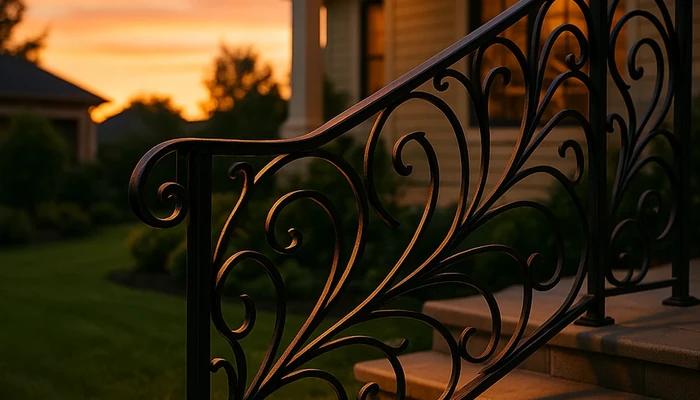
- Ornamental & Artistic Flourishes: Scrollwork or hand-forged accents create distinctive, custom looks—think nature-inspired curves or abstract motifs.
- Mixed Materials: Pairing iron with wood, glass, or cable for balustrades and handrails on decks or stairs gives a contemporary, high-impact effect.
- Color Trends: While classic black remains popular, deep greens, bronze, matte charcoal, and even bold custom hues are increasingly in demand.
- Custom Patterns/Personalization: Designers are leveraging CNC technology and artisan skills to create one-of-a-kind pieces with family initials, logos, or thematic elements.
Material Matters: Innovations in Iron Railing Fabrication
Wrought iron remains a favorite for its malleability and classic look, but recent trends emphasize sustainability and low-maintenance finishes. Here’s what’s new and essential in iron railing material choices:
- Galvanized Iron: Hot-dip galvanizing protects railings from corrosion—critical in Chicago’s challenging winter climate. The process extends longevity and reduces rust-out. Learn about the galvanizing process.
- Powder Coating: Modern powder-coated finishes deliver durable, chip- and fade-resistant color with lower VOC emissions compared to traditional paint.
- Recycled and Eco-Friendly Metals: Sourcing partially recycled iron or steel minimizes environmental impact and can contribute to LEED points in new construction. For more on sustainable railings, see our guide on recycled iron handrails.
- Hybrid Solutions: Combining galvanized steel with wrought iron details or aluminum inserts blends durability, lighter weight, and creative expression.
Design Considerations: Balancing Style, Code, and Function
While railings are a style statement, they’re also coded for safety. Chicago, Illinois homeowners should check local building codes and HOA rules before planning any installation. Key factors to weigh:
- Height and Spacing: Residential deck railings typically require a minimum height (often 36–42 inches) and maximum spacing (<4 inches) between pickets for child safety.
- Load Requirements: Railings must resist specific loads, especially for stairs and walkways, as regulated by local building codes.
- Handrail Graspability: For stairs, handrails must be sized for a secure grip and terminate with safe returns (not open-ended).
- Visual Continuity vs. Privacy: Some prefer open, airy lines to maximize light and sightlines, while others want added privacy with taller or denser infill.
For more on the role of iron railings in enhancing exterior aesthetics, see our exterior aesthetics article.
Comparing Iron Railing Types and Treatments
| Type | Durability | Aesthetic Options | Maintenance (Chicago, IL) | Eco-Friendliness |
|---|---|---|---|---|
| Classic Wrought Iron | High (with protection) | Extensive (custom, ornate) | Medium (requires inspection, paint touchups) | Can use recycled materials |
| Galvanized Iron | Very High | Mostly minimalist, modern | Low (rust-resistant) | Recycled steel options available |
| Powder-Coated Steel | High | Modern/Custom colors | Low to Medium | Powder coat is less polluting than paint |
| Hybrid (Iron + Other Materials) | Varies | Highly customized | Depends on all materials used | Possible to specify eco-friendly components |
To explore more about strength and weather resistance, read our post on weather-resistant iron railings.
Eco-Friendly & Sustainable Choices in Iron Railings
Eco-conscious consumers are driving demand for recycled metals and low-impact manufacturing. Consider these points when seeking greener railing options:
- Recycled iron offers nearly the same performance as new material.
- Hot-dip galvanizing extends life, reducing the need for replacements and resource use (see more details).
- Powder coating processes release fewer pollutants and waste.
- Some builders partner with organizations to reclaim iron from demolition, reducing landfill impact.
For more on green building practices and railings, read about the environmental impact of recycled iron handrails.
Real-Life Examples: Unique Iron Railing Designs in Chicago
Here are just a few creative ideas implemented by homeowners, property managers, and designers in the Chicago area:
- Bungalow renovations using custom iron scrollwork to echo historic motifs while updating safety features.
- Modern urban townhomes featuring matte black, horizontal iron pickets for a sleek look compatible with brick and glass facades.
- Decks and patios using hybrid iron-and-wood rails, providing warm contrast and added privacy.
- Artisan-forged iron handrails for front porches, personalized with initials or nature-inspired patterns.
For more inspiration, visit our page on custom wrought iron handrails.
Iron Railing Installation: Planning, Timelines, and What to Expect
Installing iron railings involves several phases for lasting results. Homeowners in Chicago, Illinois should consider:
- Design Consultation: Review style, budget, code constraints, and material preferences with your chosen fence contractor.
- Measurement & Planning: Accurate measurements ensure a snug, safe fit and code compliance. This is often where code and HOA rules are reviewed.
- Fabrication: Skilled ironworkers craft standard or custom railing sections; timelines vary based on customization and demand.
- Site Preparation & Installation: Old railings (if any) are removed, posts anchored, and railings secured per plan.
- Finishing Touches: Powder coating, paint, or touch-up; final inspection for safety and code compliance.
Chicagoland Fence Pros always provides clear communication at each step so you know what to expect.
Ready to discuss your ideas or get advice on budget, materials, or timelines? Talk to our Chicago iron railing specialists today.
Iron Railing Maintenance: Keeping Your Investment Secure and Beautiful
- Inspect for chips or rust yearly, particularly after harsh winters; touch up immediately to prevent spread.
- Clean with mild soap and water every few months.
- Wax or environmentally safe metal protectants may add a little extra shine and moisture resistance.
- Check for loose fasteners or wobbly sections; call a professional if repairs are needed for safety.
- Consider occasional professional inspections—especially for multi-story or commercial installations.
For a comparison of iron and alternative materials, see our guides on wood fences and vinyl fence installations.
Frequently Asked Questions About Trends In Iron Railing Design
1. What iron railing designs are most popular today?
Contemporary styles focus on clean lines, minimalist patterns, and matte finishes. Many property owners also request custom designs that include artistic details, family initials, or unique motifs.
2. Are iron railings suitable for Chicago’s climate?
Yes, especially when galvanized or properly powder-coated. Always look for rust-resistant finishes, and consider annual inspections to ensure longevity in snowy, wet conditions.
3. How do iron railings compare to aluminum or composite railings?
Iron offers unmatched strength and a timeless look, while aluminum is lighter and often lower-maintenance. Composites provide a wood-like appearance with minimal upkeep but lack iron’s durability.
4. Are eco-friendly iron railings more expensive?
Eco options, such as recycled iron, may cost slightly more upfront, but they often save money over time by reducing maintenance and replacement needs, and contribute to green building goals.
5. Is it possible to match new railings to historic styles?
Absolutely. Custom ironwork can replicate or echo original motifs on historic buildings, offering both authenticity and updated safety.
6. How can I maintain my iron railings?
Regular cleaning, prompt rust treatment, and periodic inspection are key. For tips, check out our post on long-term iron railing care.
7. Are permits or inspections required for installing iron railings in Chicago?
Most exterior railing installations require compliance with local building codes. Always review with your contractor or consult city guidelines before starting work.
8. Can I mix iron with other materials?
Yes! Combining iron with wood, glass, or cable creates a distinctive, modern look while enhancing function.
9. What should I look for in a railing contractor?
Choose experienced, locally recognized contractors like Chicagoland Fence Pros. Look for expertise in local codes, transparent pricing, and clear warranty/support policies.
Summary & Next Steps: Bringing Modern Iron Railing Trends to Your Project
Keeping up with trends in iron railing design is about more than style—it’s about matching aesthetics, safety, and sustainability to your property’s unique needs. Whether you’re leaning toward classic forms or modern minimalism, today’s options let you personalize, protect, and enhance any space. For homeowners and property managers in Chicago, Illinois, a thoughtful approach—paired with expert guidance—ensures railing installations that stand the test of time.
For a personal design consultation or to request a quote, see our Chicago iron railings page or contact Chicagoland Fence Pros directly.
About Chicagoland Fence Pros
Chicagoland Fence Pros is a trusted fence and railing company with over 15 years installing quality fences, handrails, and perimeter solutions for residential and commercial properties throughout Chicago, Illinois. Our team specializes in wood, iron, vinyl, aluminum, and composite fencing; every project is insured, completed to local code, and designed for long-term value in the Midwest climate. Chicagoland Fence Pros serves homeowners and businesses in Chicago, Illinois and nearby communities, always prioritizing clear advice, transparency, and safety.
fence contractors chicago, iron railings, railing replacement, metal railings Kenilworth, iron railings Joliet, metal railing repair North Chicago, custom iron railings North Halsted, railing replacement Evanston, wrought iron railings Wilmette, handrails River Forest
