
Classic and Functional Iron Railing Design: The Essential Guide for Homeowners and Property Managers
Choosing the right railing for your property can feel overwhelming. Do you prioritize safety or aesthetics? Durability or cost? Iron railings offer an attractive blend of classic style and robust functionality, but details like material, finish, compliance, and upkeep can be confusing. Whether you’re a homeowner seeking curb appeal or a property manager balancing safety and budget, understanding classic and functional iron railing design is crucial. In this guide, Chicagoland Fence Pros breaks down everything you need to know—style options, practical trade-offs, code considerations, and realistic expectations—so you can make a confident, informed decision for your Chicago, Illinois property.
Understanding Iron Railings: What Makes Them Classic and Functional?
Iron railings have graced homes, businesses, and public spaces for centuries. Their enduring appeal lies in their ability to combine beauty with strength. But what exactly defines a ‘classic’ or ‘functional’ iron railing?
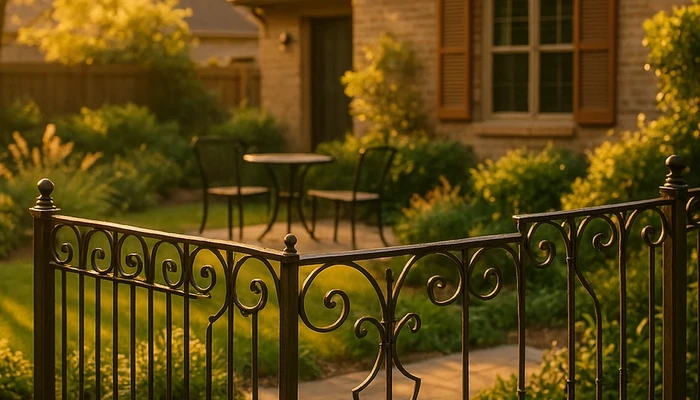
- Classic Design: Features ornamental details, symmetry, and timeless lines that suit a range of architecture, from historic brownstones to modern builds.
- Functional Design: Prioritizes usability, safety, and durability, often with simple lines and code-compliant spacing for handrails and guardrails.
Many iron railings successfully merge both qualities, resulting in installations that protect loved ones while enhancing your property’s look.
Comparing Iron Railing Styles: Classic Versus Functional
| Attribute | Classic Designs | Functional Designs |
|---|---|---|
| Appearance | Scrolls, twists, knuckles, ornamentation | Straight bars, simple shapes, minimalistic |
| Customization | High (intricate patterns, motifs) | Medium (focus on fit and compliance) |
| Purpose | Aesthetics & security | Safety, ADA/code compliance, usability |
| Best for | Historic and traditional homes | Modern buildings, commercial spaces |
Homeowners in Chicago, Illinois often choose classic iron railings for front steps and porches. Property managers might favor functional designs for apartment entryways or commercial walkways, ensuring ease of use and meeting city regulations.
The Benefits of Iron Railings for Chicago Properties
- Durability: Iron withstands wind, rain, and snow, especially vital in Midwest climates.
- Security: Adds a physical barrier to porches, balconies, and stairways, discouraging unauthorized access.
- Low Maintenance: Modern coatings resist rust and fading. Occasional inspection and cleaning are often enough.
- Curb Appeal: Classic ironwork instantly boosts visual sophistication and property value.
- Customizable: Options range from ornate to contemporary, fitting any property style or layout.
From our experience as a fence company in Chicago, Illinois, iron railings offer a reliable, long-term solution—if installed and maintained correctly.
Types of Iron Railings: Wrought, Cast, and Modern Alternatives
Wrought Iron
Traditional and highly malleable, wrought iron is the benchmark for custom, hand-forged details. Its toughness helps railings survive extreme temperature swings common to Chicago, Illinois.
Cast Iron
Produced in molds, cast iron allows for repeated, affordable patterns ideal for large runs or replacement sections. It’s more brittle than wrought iron but offers impressive visual detail.
Steel Railings (Modern Iron)
Today, many ‘iron’ railings are crafted from galvanized or powder-coated steel for strength, rust resistance, and affordability. Both mimic classic iron styles while offering modern performance.
Design Considerations: Matching Function and Style
- Space: Stairs, porches, decks, and balconies each require unique measurements and layout solutions.
- Building Codes: Chicago has specific requirements for railing height, baluster spacing, and handrail grip size. Always verify with a local expert.
- Purpose: Protecting children or pets? Preventing falls? Enhancing aesthetics? Your goal will inform design choices.
- Architectural Fit: Choose patterns and finishes that complement your property’s age, materials, and color palette.
- Budget: Highly custom railings cost more. Mass-produced panels or simple shapes tend to be more affordable.
Iron Railing Installation, Codes, and Compliance
Proper installation is essential for safety and code compliance. Railings that are too short, loosely anchored, or with wide baluster spacing may not pass inspection—and can be unsafe. Always:
- Check Local Codes: Consult Chicago’s building code or your HOA’s rules before ordering or installing.
- Hire Experienced Installers: Professionals like Chicagoland Fence Pros ensure code-compliant layout and anchoring.
- Insist on Clear Permitting and Inspection: Permits may be required for exterior stair railings or balcony guards.
While ironwork generally provides excellent safety, code violations can result from improper materials, spacing, or height—consult a pro to avoid costly mistakes.
Material Choices and Coatings: What to Know
Chicago’s freeze-thaw cycles and humidity demand the right ironwork materials and surface finishes:
- Galvanization: Adds a protective zinc layer, greatly reducing rust.
- Powder Coating: Durable, chip-resistant and available in a wide range of colors.
- Paint: Traditional, but must be maintained to prevent chipping and rust.
Ask your installer about ASTM standards for iron coatings and finishes. For more on standards, see ASTM guidance.
Maintenance: Keeping Iron Railings Looking and Working Like New
Iron railings are famous for their longevity, but even the strongest design needs care. Maintenance tips:
- Clean seasonally with mild soap and water.
- Inspect for chips or scratches, especially after harsh winter weather.
- Touch up paint or powder coat as needed to prevent exposed metal from rusting.
- Lubricate moving parts (if any) with silicone-based spray.
- Schedule professional inspections every few years for safety-critical railings.
Homeowners and property managers who invest in maintenance enjoy decades of safety and classic style.
Cost Factors and Realistic Expectations
The price of iron railings varies depending on materials, complexity, and site conditions. Rough cost ranges (for budgeting only):
- Simple installed iron railing: $80–$120 per linear foot.
- Custom ornamental: $150–$300+ per linear foot.
- Repairs: $200 and up, depending on damage and finish.
These figures are averages and can be higher or lower in Chicago, Illinois. Always get a detailed, itemized quote and check if removal of old railings or permitting is included.
Iron Railings Versus Other Materials: Pros and Cons
| Material | Pros | Cons |
|---|---|---|
| Iron | Elegant, strong, customizable, long-lasting | Potential for rust, needs periodic care, heavier install |
| Aluminum | Lightweight, rustproof, various finishes | Less strong, usually less ornate |
| Vinyl | Low maintenance, budget-friendly | Less classic look, limited color options |
| Wood | Warm appearance, adaptable | Requires sealing, can rot or warp |
For more on alternatives, compare options in our wood fencing, aluminum fences, or vinyl fences guides.
Innovations and Trends in Iron Railing Design
Modern iron railing design increasingly blends tradition with technology:
- Eco-friendly production (recycled metals)
- Matte black or colored powder coatings
- Mixing iron with glass or wood
- Slim, minimal profiles for contemporary homes
For detailed exploration of trends, see our dedicated article: Latest Iron Railing Design Trends.
Common Mistakes to Avoid in Iron Railing Projects
- Ignoring Codes: Not checking height or spacing rules can lead to expensive fixes.
- Underestimating Maintenance: Even quality coatings require periodic touch-ups.
- Poor Anchoring: Failing to secure posts can endanger users and reduce railing lifespan.
- Not Matching Style: Clashing patterns or colors can detract from home value and appearance.
Consulting a knowledgeable installer like Chicagoland Fence Pros helps you avoid these issues from the start.
FAQ: Classic and Functional Iron Railing Design
-
What’s the difference between classic and functional iron railings?
Classic iron railings emphasize decorative elements and period-appropriate styles, while functional railings focus on safety and meeting modern code requirements. Many designs blend both aspects.
-
How long do iron railings last in Chicago, Illinois?
With proper coatings and seasonal maintenance, iron railings often last 40+ years, even with Midwest weather conditions.
-
Are iron railings safe for children and pets?
Yes, if installed to code. Baluster spacing should be less than 4 inches to prevent climbing and falls.
-
What’s the best finish to prevent rust?
Galvanized and powder-coated finishes are most durable. Ask your contractor about ASTM-compliant coatings (see ASTM).
-
Do I need a permit for installing iron railings?
Often, yes, especially for exterior stairs or balconies. Always check with Chicago city officials or consult Chicagoland Fence Pros for guidance.
-
Can I customize the design for a historic home?
Absolutely. Many fabricators can reproduce or match historic patterns. For more, visit our post on iron railings in restoration projects.
-
How much should I budget?
Costs range widely—$80 to $300+ per linear foot is common. Custom details, terrain, and finish all affect the final price.
-
How does iron compare to other fencing materials?
Iron is typically more customizable and durable than wood or vinyl, but it is heavier and requires some routine maintenance.
-
Will iron railings rust?
With quality finishes and regular care, rust is minimized. Chicago’s weather makes it especially important to address any chips or scratches promptly.
-
Can I install iron railings myself?
DIY is possible for simple sections, but structural safety, code compliance, and finishing are best left to professionals familiar with Chicago, Illinois regulations.
Next Steps: Choosing the Best Iron Railing for Your Property
Classic and functional iron railing design offers the ideal blend of security, longevity, and beauty for Chicago properties. The right choice enhances safety while reflecting your personal or architectural style. For expert results, consult installers who understand Midwest weather and local codes. To request a quote on a custom iron railing installation or discuss your design ideas, Chicagoland Fence Pros provides honest advice and detailed estimates. Want to review other fence options? See our guides on residential fences and commercial fencing.
About Chicagoland Fence Pros
Chicagoland Fence Pros is a professional fence company with over 15 years of experience serving homeowners and businesses in Chicago, Illinois and nearby communities. Our team specializes in code-compliant installations using wood, vinyl, aluminum, steel, and iron. We focus on security, privacy, and curb appeal, providing honest advice and clear guidance from planning to completion for both residential and commercial clients.
Best Fence Installation Chicago, fencing companies chicago, railing replacement, wrought iron railings, railing repair Zion, railing replacement Schaumburg, handrails River Grove, stair railings Winnetka, metal railing repair Schiller Park, wrought iron railings Waukegan