 Skip to content
Iron Railings: A Blend of Strength, Elegance – The Definitive Guide for Homeowners and Property Managers
When choosing a railing or fence for your property, it’s easy to be overwhelmed by endless options, conflicting opinions, and questions about maintenance, codes, or value. Iron railings—known for their remarkable strength and timeless elegance—stand out as a favorite among discerning homeowners and property managers. But what truly sets them apart? How do they perform in Chicago, Illinois’ varied climate? This in-depth guide demystifies iron railings, explores design and material options, lays out the real-life pros and cons, and provides practical advice on what to expect—drawing on the expertise of Chicagoland Fence Pros. By the end, you’ll understand whether iron railings are right for your property, and how best to make a lasting, code-compliant choice.
What Makes Iron Railings Unique?
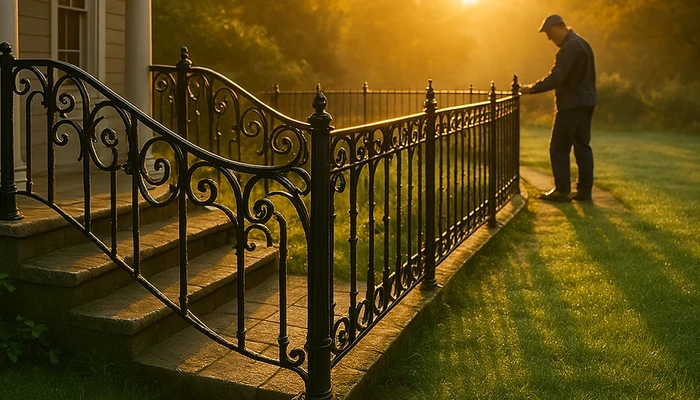
Iron railings are often chosen for high-traffic areas, staircases, entryways, balconies, or perimeter fencing. Their draw is more than just appearance: these installations offer lasting structural support and can be crafted into a range of ornate or modern designs.
- Strength: Iron is renowned for its rigidity and capacity to withstand impacts better than many other railing materials.
- Elegance: Scrollwork, custom posts, and even minimalist straight balusters—all are possible with ironwork expertise.
- Security: The density and toughness of iron discourage tampering and accidental falls.
- Longevity: With proper care, iron railings can last 30 years or longer—even in Chicago’s challenging winters.
Ironwork also allows precise customization, fitting nearly any home or commercial design.
Types of Iron Railings: Styles and Variations
Not every iron railing is the same. The main options include:
- Wrought Iron Railings: Hand-shaped, offering intricate design potential. Traditional, durable, and often considered the gold standard.
- Cast Iron Railings: Made from molds; strong but generally less customizable than wrought iron.
- Steel/Iron Hybrids: Sometimes, steel is used for cost savings, but finished to appear like classic iron.
For more detail, see Wrought Iron Railings: Timeless Elegance and Key Aspects In Iron Railings.
The Artistry of Ornamental Ironwork
Iron railings blend functional engineering and true artistry. Techniques like forging, bending, and welding allow for endless possibilities:
- Scrolls and twists
- Custom newel posts and finials
- Decorative panels
- Medallions or logos for businesses
To see recent trends, browse Trends in Iron Railing Design.
Comparing Iron Railings to Other Materials
| Material | Strength | Maintenance | Design Options | Lifespan |
|---|---|---|---|---|
| Iron | Excellent | Moderate (anti-rust care) | Extensive (customizable) | 30+ years |
| Aluminum | Good | Low | Moderate | 20–30 years |
| Wood | Fair | High | Natural look | 10–20 years |
| Vinyl | Fair | Very Low | Limited | 15–25 years |
Iron railings stand apart in strength and style flexibility—though they do require periodic maintenance, especially in environments prone to moisture and salt.
Key Benefits of Iron Railings
Choosing iron offers several real-world advantages:
- Durability: Resists impacts and harsh weather; ideal for Chicago winters.
- Security: Superior strength discourages tampering and increases safety for staircases and terraces.
- Aesthetic Appeal: Custom designs enhance property value and curb appeal.
- Code Compliance: Iron can be fabricated to meet strict safety and building code requirements.
- Longevity: Outlasts many alternative materials with proper upkeep.
Read more about iron railing benefits at Iron Railings: Enhancing Home Aesthetics.
Installation Insights: What to Expect
Whether planning a balcony or stairway rail, installation requires careful preparation. Here’s the typical process:
- Site Assessment & Measurement: Pros evaluate the property, note code or access issues, and take precise measurements.
- Design Consultation: Choose a style, baluster shape, color, and any unique features.
- Fabrication: Skilled craftspeople create the railing to specifications—wrought iron usually takes longer for custom work.
- Finishing: This step adds paint, galvanization, or powder coating for weather resistance and style.
- Installation: Railings are anchored securely into concrete, brick, or wood framing per safety codes.
- Final Inspection: Ensures correct attachment, finish quality, and full compliance.
For safety and legal reasons, many Chicago properties require permits and code-compliant construction—working with local professionals like Chicagoland Fence Pros helps ensure a smooth, worry-free project.
Understanding Building Codes and Permits for Iron Railings
Building codes in Chicago, Illinois specify minimum railing heights, baluster spacing, and strength standards for both indoor and outdoor installations. Homeowners should always:
- Check with the local building department before starting any project.
- Consider HOA design guidelines if applicable.
- Use licensed and insured contractors familiar with city and state building codes.
This ensures your iron railing project is legal, safe, and protected.
Iron Railing Maintenance: Keeping Strength and Beauty
Maintenance is essential to maximize both strength and elegance:
- Regular cleaning: Gentle washing removes dirt, salt, and pollutants.
- Rust prevention: Periodic inspection and prompt touch-ups with rust-inhibiting paint or finish prevent long-term corrosion.
- Tighten connections: Check bolts or welding points every few years, addressing any loose hardware or weak spots.
See Iron Railings: Resistance to Weather Conditions for tips on maximizing longevity in the Midwest climate.
Realistic Cost Expectations for Iron Railings
Factors influencing price include design complexity, total length, fabrication technique, and site accessibility. On average, Chicago-area installations might range from $110 to $300 per linear foot—though simple commercial runs may be less, and ornate residential art pieces more.
- Request several quotes.
- Clarify what’s included (demolition, permits, finishes).
- Expect to pay more for custom work or historical restoration.
Always balance upfront costs with long-term durability and value.
Iron Railings and Environmental Considerations
Increasingly, recycled and sustainably sourced iron is available for railing projects. Some fabricators use reclaimed metal, reducing environmental impact. Iron is also fully recyclable at end-of-life. Learn more about sustainability at The Environmental Impact of Recycled Iron Handrails.
Frequently Asked Questions About Iron Railings
1. How long do iron railings really last?
With expert installation and regular maintenance, iron railings can last 30+ years—even longer if recoated or protected from moisture. They outperform most wood and vinyl products in terms of durable lifespan.
2. Are iron railings safe for homes with children or older adults?
Yes, provided they are installed to code with proper height and baluster spacing (< 4” gaps). Secure anchoring and smooth finishes further enhance safety. Discuss your specific needs with the installer for custom child-safe or easy-grip designs.
3. What are the main maintenance tasks for Chicago’s climate?
In the Chicago, Illinois area, it’s vital to wash off road salt, check for rust after any long wet season, and keep paint or powder coatings in good condition to prevent corrosion.
4. Can iron railings be customized to fit historic or modern styles?
Absolutely. Iron’s flexibility means it can be formed into nearly any pattern, from ornate Victorian spirals to sleek contemporary lines. Provide photos or sketches to your fabricator for inspiration, or review classic and functional iron railing designs.
5. What should I look for in an iron railing contractor?
Seek out experience, familiarity with Chicago codes, prior project photos, and references. A reputable company like Chicagoland Fence Pros will provide clear quotes, insurance and code compliance advice, and honest maintenance tips.
6. Are iron railings more expensive than aluminum or wood?
Generally, yes, upfront costs are a bit higher with iron, but lower maintenance and longer lifespan often mean better long-term value. Review our comparison of iron railing fences for more insights.
7. Are there green or sustainable options in iron railings?
Many suppliers now offer recycled iron and environmentally responsible finishes. Ask your contractor about sustainable sourcing or eco-friendly powder coating.
8. Will iron rust or corrode in Chicago winters?
Untreated iron will rust eventually, but factory finishes (powder coating, galvanization) and routine maintenance can keep rust at bay for decades. See our article on weather resistance for practical guidance.
Next Steps: Is an Iron Railing Right for Your Property?
Iron railings offer unmatched strength, elegance, and longevity for many fence and railing needs. They suit both classic and modern properties, deliver safety and curb appeal, and remain a top choice for Chicago homeowners seeking long-term value. If you’re considering iron, compare options in-person, review samples, and consult a seasoned local expert.
To explore more materials, including wood, composite, and vinyl, visit our residential fence options or learn about wood fences in Chicago.
When you’re ready—or have more questions—talk to our iron railing specialists for advice specific to your property.
About Chicagoland Fence Pros
Chicagoland Fence Pros brings over 15 years of experience installing and servicing fences and iron railings for homeowners and businesses throughout Chicago, Illinois and nearby communities. Our expertise spans wood, vinyl, aluminum, and iron—meeting the highest standards for code compliance, security, and aesthetics. Fully licensed and insured, we provide honest, transparent guidance and practical solutions tailored to each property.
fence chicago, iron railings chicago, custom iron railings chicago, railing replacement North Center, railing repair Geneva, handrails Round Lake Beach, wrought iron railings Glencoe, stair railings Lake Bluff, railing repair Lincolnshire, railing replacement Burr Ridge
