
Quick Wire Fence Installation: A Realistic Guide for Homeowners and Property Managers
When you need to secure your property quickly—whether it’s a backyard, side lot, or even just a garden—a wire fence is often one of the best solutions. But if you’ve never tackled fencing before, the sheer number of material options, local code requirements, and installation steps can be overwhelming. Quick Wire Fence Installation can seem simple in theory, but in practice it requires planning, the right materials, and a clear understanding of what you’re trying to achieve. In the Chicago, Illinois area, where we regularly contend with harsh winters and shifting soil, it’s even more critical to choose the right approach. In this in-depth guide, you’ll learn everything you need to know to install a wire fence efficiently and safely, with practical advice drawn from the experience of Chicagoland Fence Pros. By the end, you’ll be able to weigh the pros and cons, avoid common mistakes, and understand when to call in a professional for your project.
What is a Quick Wire Fence (and Why Choose One)?
Quick wire fences, often associated with chain link or welded wire mesh, provide a blend of affordability, security, and speed for property boundaries. While they may not have the visual privacy of wooden or vinyl panels, their ease of installation makes them an excellent first fence for many homeowners and property managers. Applications range from pet enclosures to garden barriers to temporary event fencing.
- Affordability: Wire fences are generally lower cost than wood or ornamental metal.
- Speed: With proper planning, a wire fence can be installed in a weekend.
- Security: Suitable for keeping pets and children in, and trespassers out.
- Adaptability: Works for many property types and customizable in height/length.
For a deeper exploration of the pros and cons, see our detailed guide on wire mesh fence benefits.
Planning Your Quick Wire Fence Installation
A successful Quick Wire Fence Installation begins long before you dig the first post hole. From site assessment to code checks, careful planning can save you days of rework—and money.
1. Assess Your Property
- Measure and mark property lines to avoid neighbor disputes.
- Identify potential obstacles: trees, utility lines, slopes or existing landscaping.
- Check local building codes and HOA/association rules. In Chicago, setback rules and fence height restrictions may apply. For more, visit current codes and standards.
2. Select the Right Type of Wire Fence
Several wire fence styles are available. Here’s a helpful comparison table to choose the best fit:
| Type | Best For | Durability | Typical Height | Estimated Cost/ft |
|---|---|---|---|---|
| Chain Link | Security, Pets, Yards | High | 4’–6′ | $$ |
| Welded Wire Mesh | Gardens, Small Pets | Med–High | 3’–6′ | $ |
| Electric (with wire mesh) | Livestock, rural perimeter | Medium | up to 5′ | $$$ |
| Decorative Wire Panels | Front yards, Modern look | Medium | Varies | $$$ |
For a breakdown matched to climate, see how to choose fence materials based on climate.
3. Gather Tools and Supplies
- Wire fencing rolls or panels (sized for your layout)
- Fence posts (steel or pressure-treated wood, rated for local weather)
- Post hole digger or auger
- Concrete (for posts), gravel, tamper
- Level, tape measure, string line, stakes
- Wire cutters, pliers, gloves, safety glasses
- Optional: tension bands, fence ties, gate kits
Step-by-Step: Quick Wire Fence Installation Process
1. Mark and Prepare the Fence Line
- Stake property corners and run string line for accurate fence alignment.
- Mark post spacing—usually 6–10 feet apart, depending on wire type.
- Double-check for buried utilities before digging.
2. Set the Fence Posts
- Dig holes 24–36 inches deep (go deeper for corners/end posts in frost-prone areas like Chicago).
- Insert posts. For steel, compact gravel at the base. Wood posts generally need concrete for stability.
- Ensure posts are vertical and aligned with the string line.
- Backfill and tamp the soil or pour concrete as needed.
For extra stability advice, see our guide on durable steel posts.
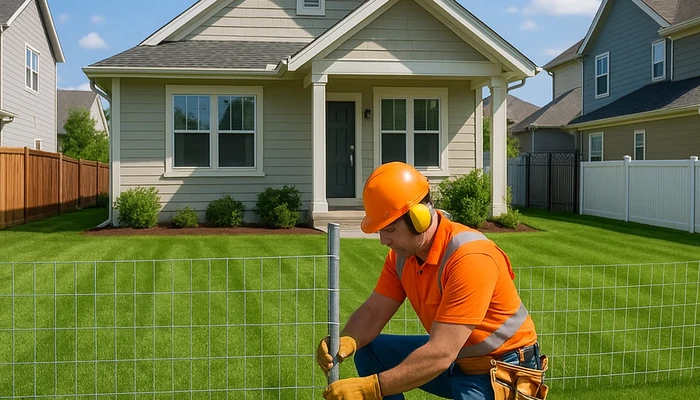
3. Attach Wire Fence Material
- Unroll wire along the fence line. Use a helper to keep tension if possible.
- Attach to corner post with ties/staples and pull taut to the next post.
- Secure wire at each post (using ties or staples). Add support rails if needed for extra security.
- Trim any sharp edges for safety.
4. Install Gates and Accessories
- Select a gate that matches your fence type (chain link or wire mesh gate kits are widely available).
- All hinges and latches should be rust-resistant and code-compliant.
- Double-check opening swing and clearance.
Critical Considerations: Costs, Codes, and Durability
Understanding Costs
Quick Wire Fence Installation is budget-friendly, but costs vary by fence height, length, and hardware. Most homeowners in Chicago should expect $8–$18 per linear foot for a basic chain link or welded wire fence (DIY), plus additional costs for labor and concrete if hiring a pro like Chicagoland Fence Pros. For an in-depth look, review our article on fencing installation costs.
Code Compliance and Safety
- Always confirm the latest city fencing regulations and HOA guidelines (height, location, permitted styles).
- Setback requirements often apply in Chicago—call 811 before you dig!
- For regulated pools or commercial sites, extra safety codes must be followed.
- For more on codes and standards, see Structure Magazine’s building codes resources.
Durability and Maintenance
- Select galvanized or vinyl-coated wire to reduce rust in Chicago’s weather.
- Check fasteners and posts yearly; tighten or replace as needed.
- Remove debris buildup to prevent sagging and corrosion.
For comprehensive tips, read our post on preventive maintenance for wire fences.
Trade-Offs and Realistic Expectations
- Privacy: Wire fences are not fully private but screen options or landscaping can help.
- Security: Standard wire fences deter casual intruders and contain pets, but may be scalable without upgrades.
- Lifespan: Typical wire-mesh fences last 10–20 years with periodic care.
- Appearance: Functional and tidy; upgrade to decorative mesh panels for curb appeal improvements.
Learn how wire fence choices compare in our Ultimate Guide to Fence Designs.
Common Quick Wire Fence Installation Mistakes (and How to Avoid Them)
- Failing to check property lines or local codes resulting in costly rework.
- Poor post installation leading to leaning or sagging fence lines.
- Neglecting soil quality—improper footing can cause frost heave in Chicago winters.
- Choosing wire material not rated for outdoor use or harsh weather.
- Skipping regular maintenance—small rust spots become big problems over time.
When to Call a Professional (and What to Expect)
DIY Quick Wire Fence Installation is doable for many, but professional help is crucial for large properties, steep slopes, or commercial installations. Professionals like Chicagoland Fence Pros offer:
- Accurate property assessment and code-compliance advice.
- Efficient, warranty-backed installation, saving you days (or weeks) of work.
- Upgrades like privacy slats, double gates, or integration with security systems.
- Transparent quotes and advice tailored for Chicago-area weather and soil.
For new fence projects, request an estimate for chain link fencing or explore residential fence options. Our team also provides code-compliant wood, vinyl, and metal fences to suit any property need.
Quick Wire Fence Installation FAQs
Q1: Can I install a wire fence by myself?
A: Yes, DIY installation is possible for most wire fences. Small garden or backyard projects require basic tools and one or two helpers. For larger or more complex layouts (uneven ground, multiple gates), professional installation is recommended for guaranteed results.
Q2: How long does Quick Wire Fence Installation take?
A: Most small-to-midsize wire fences (under 100 ft) can be installed over a weekend. Factors include digging time, soil type, weather conditions, and experience with tools. Adding gates or working on slopes may add several hours to your project.
Q3: What wire fence material lasts longest in Chicago’s climate?
A: Galvanized steel wire and vinyl-coated chain link both perform well. Avoid untreated or thin-gauge wire, which can rust or break in harsh Midwest winters. For extra longevity, look for UV-resistant coatings.
Q4: Do I need a permit for a wire fence in Chicago?
A: Often, yes. Permit requirements depend on height, location, and local city/HOA rules. Always check with the Chicago Department of Buildings before you start any fence project.
Q5: How high can my wire fence be?
A: Typical maximum fence heights are 6 feet for backyards, 4 feet for front yards in Chicago. Always confirm with your local ordinances and HOA before installing.
Q6: Will a wire fence keep my dog in?
A: Wire fences work well for most dogs, but height and mesh opening size matter. For jumpers or diggers, consider buried mesh edges and at least a 5-foot fence. For more insights, see are chain fences safe for pets?.
Q7: How often should I maintain my wire fence?
A: Check posts and wire tension every 6–12 months. Touch up rust spots and clear away debris regularly. After storms or winter thaws, inspect for loose connections or leaning posts.
Q8: Can I add privacy to a wire fence?
A: Yes! Privacy slats, bamboo screens, or climbing plants can be added. Some options—especially slats—may affect wind load, so check that your fence is sturdy enough for added materials.
Q9: Should I use wood or steel posts for a wire fence?
A: Both can work, but steel posts resist rot and frost-related movement better in Chicago. Wood posts are easier to customize and may be preferred for certain aesthetics.
Q10: Where can I find more inspiration or fence types?
A: Browse projects and ideas in our creative wire mesh fence designs hub or compare common fence materials in our top 5 fence materials post.
Conclusion: Making the Most of Your Quick Wire Fence Project
Quick Wire Fence Installation is one of the most approachable ways to protect your property without breaking the bank. By understanding each phase—from project planning and checking codes to post installation and ongoing care—you can achieve results that last. Homeowners in Chicago, Illinois can benefit not just from a secure yard, but from increased peace of mind and even improved property value.
If you need a custom approach, want to explore other materials, or simply prefer an expert touch, contact Chicagoland Fence Pros. Our team is happy to provide honest advice, free quotes, and code-compliant installations tailored for local weather conditions.
Remember: investing a little extra time in planning and maintenance pays off for years to come. For more resources or to discuss your next fence project, explore our library of informative guides or request a wood fence quote today.
About Chicagoland Fence Pros
Chicagoland Fence Pros is a professional fence company with over 15 years installing fences in the Chicago, Illinois area. Serving both homeowners and businesses, our team specializes in wood, vinyl, aluminum, steel, and wire fences for residential and commercial properties. We are committed to code-compliance, clear communication, transparent quotes, and reliable service backed by full insurance and local experience.
Chicagoland Fence Pros serves Chicago, Illinois and surrounding neighborhoods—your trusted partner for durable, attractive, and secure perimeter solutions.
fence builder chicago, residential fences, residential yard fence chicago, residential yard fence Northlake, residential fence replacement Melrose Park, residential fence replacement Mchenry, residential backyard fence Naperville, home fence Lockport, pool fence Batavia, garden fence Tinley Park