
Maximizing Durability in Installed Commercial Fences: An In-Depth Guide
Choosing the right commercial fence is more than selecting a boundary—it’s a long-term investment in security, privacy, and property appeal. Many property managers and first-time fence buyers are surprised by the variety of options and trade-offs involved. To make a fence last for years in Chicago’s challenging weather, planning for durability is crucial. In this comprehensive guide, you’ll discover how to select the most durable materials, the installation practices that truly matter, and realistic maintenance expectations. Whether securing a business, managing a residential development, or planning upgrades, you’ll gain clear, honest advice from the experts at Chicagoland Fence Pros, who have extensive experience installing all types of fences in the Chicago, Illinois area.
Understanding Commercial Fence Durability
Durability refers to a fence’s ability to withstand the elements, physical impacts, and everyday wear over time. For commercial properties, a durable fence means lower maintenance, better security, and a professional appearance for years to come. Many factors influence how long a fence will last, including material choice, climate, installation quality, and ongoing care.
- Material Strength: Different materials offer distinct benefits and weaknesses.
- Installation Quality: Proper technique prevents early failures and sagging.
- Local Codes & Environment: Chicago’s regulations and climate demand certain standards.
- Maintenance Commitment: Regular care significantly extends lifespan.
For a broader overview of how fencing impacts property value and insurance, see this guide on fencing and value.
Key Factors That Impact Fence Lifespan
- Material Quality: Higher-grade wood, powder-coated metals, and UV-stabilized plastics all boost longevity.
- Design Choices: Fence height, style, and detailing (such as top caps or decorative panels) affect vulnerability to wind, water, and vandalism.
- Weather Resistance: In Chicago, Illinois, wide temperature swings, frequent freeze-thaw cycles, and precipitation are tough on all fencing materials.
- Proper Footings and Supports: Deep-set, well-drained posts prevent shifting and leaning.
Comparing Major Commercial Fence Materials
| Material | Durability | Maintenance | Common Uses |
|---|---|---|---|
| Chain Link | Good (coated) | Low | Perimeter, sports facilities |
| Steel/Wrought Iron | Excellent (with coatings) | Moderate (rust protection) | Security, decorative, government |
| Aluminum | Very good | Very low | Retail, apartments, schools |
| Vinyl | Good | Very low | Privacy, schools, HOAs |
| Wood (treated) | Fair | Moderate-high | Visual privacy, natural look |
| Composite | Very good | Low | Modern offices, multi-family |
Each fencing material has its trade-offs. For a detailed cross-industry comparison, see our material comparison guide.
Chain Link Fencing: Pros, Cons, and Durability Strategies
Chain link is a common choice for Chicago area properties due to its affordability and strength. However, not all chain link is equal. Galvanized coatings protect steel from rust, while vinyl-coated versions add another layer of defense.
- Best for: High-traffic, security-prone areas.
- Upgrade: Choose heavier gauges for longer lifespan. Add privacy slats or wind screens for enhanced use.
- Tip: Periodically check for damaged sections and repair promptly to avoid further compromise.
If chain link appeals to your needs, request an estimate on chain link fencing from our team.
Metal Fences: Steel, Aluminum & Wrought Iron
Metal fences—especially steel, aluminum, and wrought iron—provide excellence in strength and longevity with proper coatings and installation. For maximum durability:
- Powder-Coated Finish: Resists rust and color fading, especially when applied after the fence is fabricated.
- Galvanized Steel: Zinc layers shield steel from the elements, slowing corrosion dramatically.
- Aluminum: Naturally rust-proof and very low maintenance, though not as strong as steel against impacts.
To explore decorative and security iron options, visit our wrought iron fencing page. For technical standards on corrosion resistance in construction, see the AMPP organization on metal protection.
Vinyl and Composite Fences: Low Maintenance Longevity
Vinyl and composite fences are popular for their resistance to rotting, insects, and weather. Vinyl performs best when made with UV inhibitors and reinforced rails, while composites blend plastic and wood fibers for extra strength. In Chicago’s climate:
- Vinyl: Clean with water and monitor for UV fading. Only choose high-quality, extensively tested brands.
- Composite: Handles moisture well and demands little maintenance, though initial investment is higher.
For more information, read our composite fencing overview or explore vinyl fence details here.
Wood Fences: Benefits, Drawbacks, and Preservation
Wood offers warmth and natural beauty but demands regular care to ensure longevity. Pressure-treated lumber or cedar is recommended for improved resistance. Maintenance is key:
- Stain and Seal Regularly: Shields wood from water, insects, and sun exposure.
- Avoid Ground Contact: Keep wooden panels above the soil to discourage decay.
- Inspect Annually: Address splits, rot, or pest damage as soon as possible.
If a traditional look is your priority, learn more about our wood fencing options.
Best Practices in Commercial Fence Installation
- Professional Planning: Consider property boundaries, intended use, and all relevant codes before breaking ground.
- Post Setting: For Chicago’s climate, posts should be set below the frost line to prevent heaving.
- Proper Bracing: Use adequate bracing on corners and gates for long-term stability. For additional information on wall and structural bracing, reference the APA’s wall bracing standards.
- Uniform Alignment: Ensure straight lines and even panel heights for both durability and aesthetics.
Trusting professionals familiar with local climate and soil is essential. Reach out to Chicagoland Fence Pros for advice on planning your commercial install.
Maintenance and Regular Inspections: Protecting Your Investment
Even the strongest fence benefits from consistent care. A maintenance plan should include:
- Visual Inspections: Confirm stability, check for rust or rot, and look for loose hardware.
- Cleaning: Power-wash metals and vinyl, and clear debris to prevent moisture trapping.
- Touch-Up Coatings: Prevent corrosion or moisture damage before problems worsen.
- Seasonal Checks: Inspect after heavy storms or freeze-thaw cycles.
For actionable strategies to prolong your fence’s life, read our in-depth maintenance post.
Building Codes, Permits, and Legal Requirements
Chicago, Illinois requires adherence to local codes regarding fence height, material, and placement. Permits are typically mandatory for new commercial fences. HOA regulations may also factor into your design and placement choices. Always:
- Check city and county building codes before installation.
- Confirm with property management or associations (when applicable).
- Hire licensed and insured contractors who handle permitting.
To further understand legal and safety requirements, consult this guide on legal requirements for fencing.
Cost Considerations: Balancing Durability and Budget
While the up-front cost for higher-quality materials and professional installation may be greater, overall savings accrue by reducing future repairs and replacements. When budgeting:
- Opt for long-lasting materials where security is paramount.
- Balance aesthetics and durability according to property type.
- Include projected maintenance costs in your planning.
Homeowners and property managers often find that investing wisely at the outset prevents larger expenses later. For an overview of how commercial fencing can affect curb appeal, see our design guide.
Frequently Asked Questions (FAQ)
-
What is the most durable commercial fencing material?
Steel (especially with powder coating or galvanization) and composite materials offer the highest durability for most commercial settings. Aluminum also impresses with rust resistance and minimal maintenance, while properly maintained vinyl and chain link can last many years. Each option’s longevity depends on climate, usage, and care.
-
How does the Chicago climate affect fence durability?
Chicago’s freeze-thaw cycles, wind, and precipitation stress connections and foundations. Posts must be set deeper than the frost line, and materials need protection from corrosion and rot. Regular inspections and timely repairs further boost most fences’ longevity.
-
How often should commercial fences be inspected?
Inspections are recommended at least twice a year, especially after winter and severe storms. Address minor issues promptly to avoid larger repairs later.
-
Does regular maintenance extend fence life?
Yes. Routine cleaning, removing debris, checking for damage, and applying touch-up treatments (like paint, stain, or protective coatings) can add years to the fence’s effective lifespan.
-
Are permits required for installing commercial fences in Chicago?
Generally, yes. Chicago requires permits for most fence installations, and compliance with specific codes regarding height, material, and location. Always check with your local authority before starting a project.
-
What is the typical lifespan of a commercial fence?
It varies by material and care: chain link (15–25 years), steel and aluminum (20–50 years), vinyl (20–30 years), composite (25–40 years), and wood (10–20 years with proper maintenance).
-
How can I improve the security of my existing fence?
Reinforce gates and hardware, add anti-climb or privacy features, address weak points, and integrate with security systems for advanced protection. For more, see our post on enhancing perimeter security.
-
Who should I contact for fence repairs or upgrades?
Contact a reputable local contractor with experience in Chicago’s environment, like Chicagoland Fence Pros, to ensure code compliance and durable results.
-
Can fences help with noise reduction?
Yes. Solid, well-constructed fences (such as tall vinyl or composite panels) can reduce traffic or neighboring noise for commercial properties. Explore more in our post on noise reduction strategies.
Conclusion: Building a Fence That Lasts
Maximizing durability in installed commercial fences requires thoughtful material selection, experienced installation, and a commitment to regular maintenance. In the Chicago, Illinois area, unique weather challenges make it even more important to design and construct fences built to last. Remember, a higher up-front investment in quality can save both money and headaches over your property’s lifetime.
If you’re unsure which durable fence is right for your needs or want expert advice, reach out to discuss commercial fence solutions with our knowledgeable team. Our specialists can help you plan, install, and maintain the best options for your unique site.
About Chicagoland Fence Pros
Chicagoland Fence Pros has over 15 years of experience serving homeowners and businesses in Chicago, Illinois and nearby communities. Specializing in durable, code-compliant fence installations—including wood, vinyl, aluminum, steel, and composite materials—we provide trusted, honest guidance from planning to final inspection. We are fully licensed, insured, and always prioritize local building codes, long-term performance, and customer peace of mind.
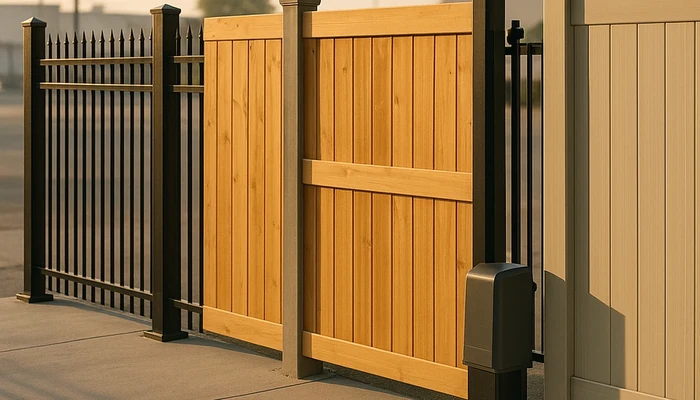
fence contractor in the city of chicago, business fencing, industrial fence chicago, security fencing Glenview, warehouse fence Alta Vista Terrace, business fencing Villa Park, warehouse fence Melrose Park, warehouse fence Hanover Park, commercial security fence Westmont, commercial security fence Plainfield