 Skip to content
Industrial Fencing Panels: A Comprehensive Guide
Choosing the right industrial fencing panels can feel overwhelming for first-time property owners and managers. Whether your goal is to secure a commercial building or improve privacy around a warehouse or facility, the variety of fence types, materials, and installation methods can be confusing. The climate, security needs, and local codes in the Chicago, Illinois area add an extra layer of complexity. Industrial Fencing Panels: A Comprehensive Guide is designed to demystify your options, outline realistic trade-offs, and help you make informed decisions. By the end, you’ll understand major fence panel types, strengths and weaknesses of different materials, and what to expect with professional installation and maintenance. As a team with decades of experience, Chicagoland Fence Pros always encourages property owners to be empowered—because with the right knowledge, you get privacy, security, and lasting value.
What Are Industrial Fencing Panels?
Industrial fencing panels refer to pre-manufactured sections of fencing designed specifically for the security and privacy needs of commercial and industrial properties. Unlike simple residential fencing, industrial panels are engineered for higher durability, strength, and resistance to tampering or weather. They often feature anti-climb, anti-cut, and corrosion-resistant finishes—key for demanding environments and perimeter security.
- Common uses: Warehouses, factories, storage yards, utility facilities, schools, sports complexes, and commercial retail centers.
- Why panels? Faster installation, consistent quality, and tailored security features suited for commercial codes and requirements.
Types of Industrial Fencing Panels
Several panel systems are available, each suited for different security levels, environmental exposures, and budget ranges. Understanding your primary security objectives will help you select the right option.
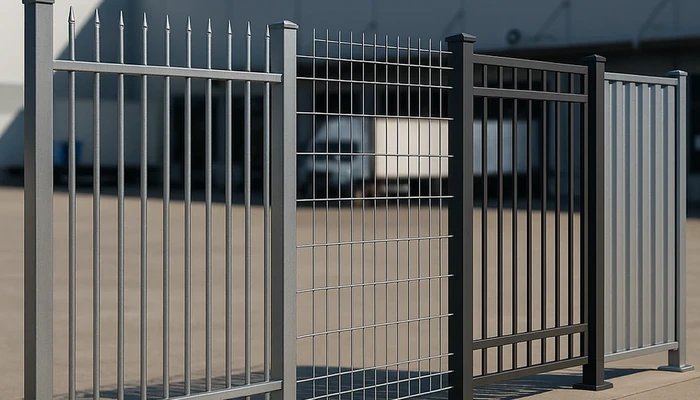
Chain-Link Fence Panels
Popular for perimeter security, chain-link panels balance cost, visibility, and moderate defense. They can be customized with privacy slats, barbed wire, and anti-climb features for added protection. This makes chain-link a frequent choice for Chicago-area businesses needing flexible solutions in tight spaces.
Welded Wire Mesh Panels
These panels provide a higher level of security than chain-link, thanks to closely spaced horizontal and vertical wires welded into a grid pattern. Welded wire panels resist cutting, offer a clean appearance, and are ideal for data centers, warehouses, and facilities with moderate-to-high security needs.
Ornamental Steel and Aluminum Panels
If aesthetics and branding matter along with security, ornamental panel systems blend strength with design. Modern steel and aluminum panels can withstand the elements and are available in architectural colors or styles that complement corporate campuses, schools, or apartment complexes.
Corrugated Steel and Composite Panels
Corrugated steel and composite panels maximize privacy and wind resistance. Commonly used for utility sites and areas needing visual screening, they block sight lines and noise, and withstand weather extremes—important in the Midwest’s variable climate.
| Panel Type | Best For | Security | Maintenance | Aesthetics | Typical Lifespan* |
|---|---|---|---|---|---|
| Chain-Link | Yards, lots, basic perimeter | Moderate | Low | Basic | 15–25 yrs |
| Welded Wire Mesh | Secure facilities, warehouses | High | Low | Modern, clean | 20–30 yrs |
| Ornamental Steel/Aluminum | Corporate, schools, upscale | High | Low–Mod | Attractive | 20–40 yrs |
| Corrugated Steel/Composite | Utilities, max privacy | Very High | Low | Industrial/Modern | 25–40 yrs |
*Lifespan estimates assume professional installation and regular maintenance in Chicago’s climate.
Key Material Choices Explained
Material selection impacts cost, longevity, visual appearance, and resistance to threats like rust or vandalism. There are several major options:
- Galvanized Steel: Tough, affordable, and resistant to rust; used in most chain-link and welded mesh panels.
- PVC-Coated Wire: Adds weatherproofing and color, popular for low-maintenance solutions.
- Aluminum: Lightweight, rustproof, and sleek; suited for decorative and light-to-moderate security applications.
- Composite: Engineered for privacy, combining plastics and wood fibers; can mimic wood without the upkeep.
- Specialty coatings: Powder coating in various colors provides extra weather and corrosion protection, a frequent choice for high-visibility sites.
For technical fabrication guidance and durability standards, reviewing principles from authorities like the American Galvanizers Association helps ensure long-term value from your investment.
Factors to Consider When Choosing Industrial Fencing Panels
Every site has unique requirements. To avoid costly mistakes, consider:
- Security Needs: Assess potential threats and vulnerabilities. Facilities with sensitive assets or valuable inventory require advanced anti-cut or anti-climb features, while less critical sites may prefer cost-effective basic panels.
- Building Codes & Zoning: In the Chicago, Illinois area, local codes often dictate fence height, materials, spacing, and proximity to streets or sidewalks. Always verify requirements with city or county authorities before purchasing.
- Budget: Total costs include panel price, hardware, installation, and long-term maintenance. Higher-quality materials usually have a larger upfront cost, but lower maintenance needs and longer lifespan.
- Environmental Exposure: Consider wind, snow, pollution, and potential for corrosion—especially near industrial zones or busy roads.
- Expected Lifespan & Warranties: Review product specifications and request manufacturer or installer warranties for peace of mind.
- Design & Aesthetics: For visible sites, ornamental or color-matched panels can enhance curb appeal while still providing robust security.
We recommend property managers create a simple checklist or matrix, comparing the top panel types for their specific requirements. For unique industry-specific considerations, see this comparison of commercial fencing guide.
Understanding Installation Methods
Quality installation makes a significant impact on fence performance and lifespan. Most industrial panels are installed with:
- Posts set in concrete: Essential for strength and stability, particularly in Chicago’s freeze-thaw conditions.
- Panel mounting: Panels are bolted or fastened securely to pre-set posts. Specialized brackets or anti-tamper hardware are used for high-security sites.
- Gates and access points: Integration of vehicle or pedestrian gates, with options for automation or access control if needed.
For time-critical projects, modular and pre-fabricated panels can often be installed quicker and with less disruption. Our article on quick installation of commercial fencing details typical timelines and best practices.
Typical Industrial Fence Panel Costs
Cost depends on panel type, material, coatings, gate requirements, and site conditions. Below are general estimates (as of 2024):
| Panel Type | Installed Price/Linear Foot* | Maintenance Cost/Yr** |
|---|---|---|
| Chain-Link (Galvanized) | $14–$25 | Low |
| Welded Wire Mesh | $23–$45 | Low |
| Ornamental Steel/Aluminum | $35–$75 | Low–Mod |
| Corrugated Steel/Composite | $40–$90 | Low |
* Excludes major grading/demo. **Annual cleaning, touch-up, or anti-rust treatments.
Budget for potential extras: new gates, automation, or unique color coatings. For a detailed estimate based on your property, request a fence estimate from Chicagoland Fence Pros.
Compliance, Codes & Insurance Considerations
Building codes vary substantially across Chicago and nearby municipalities. Common requirements address:
- Maximum fence height and minimum setback from property lines
- Material restrictions (esp. near roadways, schools, utility infrastructure)
- Visibility/sight triangle regulations for traffic safety
- Design standards in historic districts or downtown zones
Installing a code-compliant fence protects you from future legal or insurance issues. You can learn more about the intersection of fencing, property value, and insurance in our guide on industrial fencing impact on value and insurance.
When in doubt, consult a local fencing contractor familiar with city and county regulations. Chicagoland Fence Pros provides honest guidance to ensure your investment meets all code and safety requirements.
Maintenance and Longevity Tips
Even the best industrial fence panel will eventually require care. Proper maintenance extends lifespan and preserves aesthetics.
- Perform yearly inspections for loose fasteners, rust, or coating damage.
- Clean panels regularly—especially after heavy storms or winter salt exposure.
- Promptly address any vandalism or attempted breaches.
- For galvanized, aluminum, or composite systems, verify finish integrity and schedule touch-ups as needed.
For more on maximizing fence longevity and reducing major repair costs, see our dedicated resource: how to maintain your commercial fence.
Special Considerations for Chicago’s Climate
Industrial fences in Chicago, Illinois must withstand freeze-thaw cycles, high winds, and corrosive urban pollutants. Our experience as local fence contractors emphasizes:
- Concrete footings: Deeper posts prevent frost heave and wind damage.
- Corrosion-resistant coatings: Galvanization and powder coating increase lifespan against snow and salt.
- Flexible designs: Account for snow loads and expansion/contraction from season to season.
Never underestimate local expertise—Chicagoland Fence Pros has installed industrial fencing in every season and understands the unique factors at play in the Midwest.
FAQs: Industrial Fencing Panels
- What is the most secure type of industrial fencing panel?
Welded wire mesh and corrugated steel panels with anti-climb features are often considered the most secure, especially when topped with barbed wire or integrated with monitored access gates. For specialized security (e.g., data centers or high-value inventory), consult with a security fencing professional for site assessment and systems integration.
- How long do industrial fence panels last?
With professional installation and regular maintenance, galvanized or aluminum panels typically last 20–40 years. Lifespan varies based on local weather exposure and care.
- Do I need a building permit for an industrial fence in Chicago?
Most industrial and commercial fencing projects require permits. The Chicago Department of Buildings has specific criteria regarding fence height, materials, and placement. Always check with the city or a qualified contractor before starting your project.
- How do coated and galvanized panels differ?
Galvanized panels have a zinc coating that resists corrosion. Additional PVC or powder coatings provide further weather resistance and enable color customization. Reference galvanizing best practices for fabrication specifics.
- Can panels be customized for non-standard sites?
Yes. Industrial fencing panels can be cut or fabricated to fit slopes, curves, and varying post spacings. Discuss customization needs when planning with your installer.
- What maintenance is required for industrial fencing?
Routine inspections for hardware, integrity of panels, and finishes are essential. Cleaning and prompt touch-ups prevent minor issues from becoming costly repairs. Professional fence companies can provide ongoing maintenance services.
- How do I select between steel, aluminum, and composite?
Steel offers maximum strength; aluminum resists rust and is lighter; composite provides top privacy and low maintenance. Balance security, aesthetics, and environmental exposures when deciding.
- Are electric security upgrades possible?
Yes, some fence panels can integrate with surveillance, alarms, or automatic gates. Our team covers these upgrades in our article on integrating commercial fences with security systems.
- How can I reduce noise with industrial fencing?
Solid or composite panel designs offer better noise reduction than open wire or chain-link fences. For strategies and product picks, see our noise reduction guide: noise reduction with industrial fences.
- Why choose a local company versus a national chain?
Local installers, like Chicagoland Fence Pros, offer knowledge of regional codes, climate, and typical challenges. They provide more responsive support and realistic advice tailored for property managers in Chicago and the Midwest.
Conclusion: Making an Informed Fencing Decision
Industrial fencing panels represent a major investment in your property’s security, privacy, and curb appeal. The right panel system adapts to your site, local codes, and budget, while offering years of reliable service. Always verify local requirements, weigh materials and finishes, and prioritize installation quality. Want clear, expert advice without surprises? Contact Chicagoland Fence Pros for a straightforward, code-compliant solution.
For further reading, we recommend comparing features and case studies by industry: Comparison Of Commercial Fencing For Different Industries.
—
About Chicagoland Fence Pros
Chicagoland Fence Pros is a respected fence contractor with over 15 years of experience installing and maintaining fences in Chicago, Illinois and nearby communities. The team specializes in industrial, commercial, and residential fencing—working with steel, aluminum, vinyl, composite, and wood. Fully insured and code-compliant, Chicagoland Fence Pros delivers honest advice, transparent pricing, and solutions tailored to every property.
fence contractor near chicago, chicago Industrial Fence Contractors, Best Industrial fence Company Chicago, security fence Ranch Triangle, fence commercial Avondale, industrial fencing Union Ridge, fence commercial Fox Lake, commercial fence repair Lisle, fence commercial East Ravenswood, warehouse fence Northfield
