 Skip to content
A Guide To Choosing The Right Vinyl Fence
Deciding on a new fence can be daunting—especially with so many options and factors to weigh. Whether you’re a homeowner looking for privacy, a property manager seeking reliable perimeter security, or someone evaluating curb appeal, choosing the right vinyl fence matters. You may wonder: What style fits my needs? What about cost, durability, or ongoing care? A Guide To Choosing The Right Vinyl Fence provides clear, expert-backed information so you can confidently assess your options. Drawing on years of expertise in the Chicago, Illinois climate, this guide from Chicagoland Fence Pros covers vinyl fence materials, popular styles, code considerations, comparative costs, installation expectations, and long-term maintenance. By the end, you’ll have a complete understanding of how to select a vinyl fence that fits your vision, needs, and budget—plus resources to help you act on your decision with minimum stress.
Understanding Vinyl Fencing: What Sets It Apart?
Vinyl fencing has transformed from a niche solution to a popular choice for residential and commercial properties alike. Unlike traditional wood, wrought iron, or chain link, vinyl (also known as PVC or polyvinyl chloride) offers a unique blend of appearance, strength, and minimal maintenance—making it especially attractive for Chicago, Illinois homeowners navigating harsh seasons.
- Durability: Vinyl resists rot, insects, and rust. It doesn’t absorb moisture or warp during humid summers or icy winters.
- Low Maintenance: Cleaning typically involves just soap, water, and an occasional rinse—no repainting required.
- Appearance: A wide range of modern colors and textures mimics the look of wood or ornamental fencing, with customizable styles for privacy, decoration, or security.
For a deeper look at the science of vinyl durability and its resistance to the Midwest climate, see this in-depth resource.
Types of Vinyl Fence Styles: Comparing Your Options
Vinyl fencing comes in various designs, each tailored for specific functions. Understanding these styles is the first step in making an informed choice.
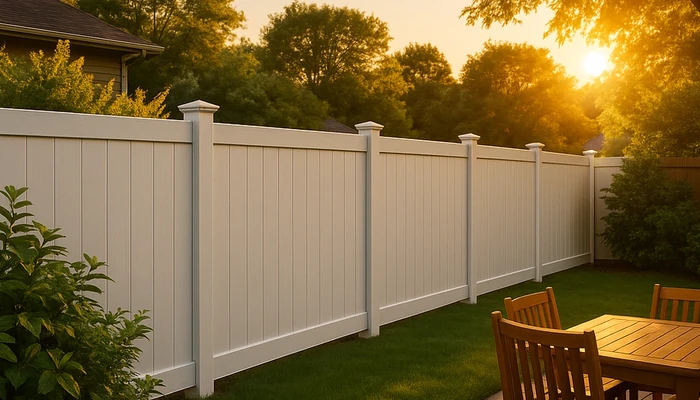
- Privacy Fences: Tall, solid panels provide maximum seclusion and block visibility. They reduce wind and noise, making them ideal for backyard retreats.
- Semi-Privacy Fences: With narrow gaps between panels or decorative latticework, these allow airflow and filtered light while maintaining a sense of boundary.
- Picket Fences: Classic for front yards, with spaced vertical pickets—great for decorative purpose, demarcation, and keeping children or pets safe.
- Ranch Rail (Post and Rail): A popular pick for larger properties, featuring horizontal rails and open visibility—functional yet stylish.
- Decorative and Ornamental Styles: From scalloped tops to intricate accents, vinyl can mimic wood, stone, or custom patterns for maximum curb appeal.
| Style | Privacy | Best Use | Cost Level |
|---|---|---|---|
| Privacy | High | Backyards, pools | $$$ |
| Semi-Privacy | Moderate | Side yards, gardens | $$ |
| Picket | Low | Front yards | $-$$ |
| Ranch Rail | Minimal | Acreage, perimeter | $ |
| Ornamental | Varies | Accent, design | $$$ |
Consider what you want most: privacy, security, pet containment, or curb appeal? For inspiration, explore vinyl fence styles and creative combinations.
Vinyl Fence Materials: What to Know Before You Buy
Not all vinyl fences are made equal. The quality of materials, manufacturing process, and hardware can dramatically impact performance and lifespan. Look for these key factors:
- Virgin vs. Recycled Vinyl: Virgin vinyl generally offers superior strength and color consistency, while recycled content can vary in durability.
- UV Inhibitors: High-quality fences include UV protection to prevent fading in direct sun.
- Thick Walls and Reinforced Rails: Sturdier constructions hold up better to wind, impacts, and Chicago winters.
- Certified Products: Check for manufacturers that comply with recognized safety and performance standards. Resources like UL’s Market Access Portal can help validate certifications.
For differences between PVC and vinyl—and which is best—see this FAQ resource.
Cost Factors: Setting Realistic Expectations
Costs vary based on fence height, style, length, local labor rates, and required materials. To plan your budget:
- Material Quality: Premium panels and posts cost more up front but may provide decades of service.
- Height & Length: Taller, longer fences increase material and labor costs.
- Gates & Custom Features: Add-ons like double gates or decorative accents can impact final price.
- Site Conditions: Sloped grades, rocky soil, or complex layouts may require more installation work.
Typical ranges in the Chicago area span from approximately $22–$40 per linear foot (materials + installation), with privacy and ornamental styles at the higher end. For precise breakdowns, see this cost guide.
Vinyl Fence Installation: What to Expect
Vinyl fencing installation often looks deceptively simple, but expert prep and know-how are vital. A professional team will:
- Mark property lines carefully and review local code restrictions.
- Secure city permits and ensure code compliance (find code sources at Structure Magazine’s library).
- Lay out and precisely set posts in concrete for maximum strength and alignment.
- Assemble fence panels/rails according to manufacturer guidance—using only corrosion-resistant hardware.
- Double-check alignment, gate swing, and secure all connections.
Interested in a stress-free approach? Learn about the vinyl fence installation process in detail.
For professional assistance or to request a fence estimate, contact our specialists for a personalized quote.
Chicago Building Codes & Neighborhood Rules
Local regulations play a crucial role when choosing and installing any fence in Chicago or nearby communities. Before proceeding, it’s smart to:
- Review city or village codes for maximum fence heights, allowed materials, and setback requirements.
- Check for HOA restrictions on color, style, or placement.
- Request written permission when installing along shared property lines.
- Obtain all necessary permits before work begins. For relevant code references, use Structure Magazine’s codes and standards search.
Chicagoland Fence Pros always ensures all work adheres to local building codes as part of every installation project.
Maintenance and Longevity: Caring for Your Vinyl Fence
One of vinyl’s greatest strengths is its ease of care. In the Chicago, Illinois area, keeping your fence looking its best year-round involves:
- Washing panels with water and mild soap each season.
- Checking for cracks, loose hardware, or impact damage after storms.
- Trimming grass and debris away from fence posts to prevent algae or mildew buildup.
- Repairing minor scuffs or surface marks promptly.
Debunking common myths about vinyl fence upkeep, see this myth-busting guide. With proper care, a high-quality vinyl fence can last 20–30 years or more.
Comparing Vinyl to Other Fence Materials
| Feature | Vinyl | Wood | Aluminum | Chain Link |
|---|---|---|---|---|
| Maintenance | Low | High | Low | Minimal |
| Longevity | 20–30yrs | 10–15yrs | 20–30yrs | 10–20yrs |
| Color Options | Many | Paint/stain | Few | Galvanized |
| Cost Level | $$ | $ | $$ | $ |
| Privacy | Excellent | Excellent | Poor | Poor |
For a detailed breakdown, see our vinyl vs. wood comparison or explore use-case specific vinyl fence types.
Realistic Expectations and Common Trade-Offs
Every fence choice has trade-offs. For vinyl, it means enjoying decades of low maintenance yet knowing extreme impacts or improper installation may cause cracks or stress. Some colors can fade slightly over time, especially in strong sunlight or if low-grade materials are chosen. It’s important to balance style desires, budget, and long-term expectations. In Chicago, consider snow loads, freeze-thaw cycles, and the area’s unique climate impacts.
When to Call a Professional
While DIY installation is possible for some styles, complex layouts, city permitting, and post setting often require a professional touch. Property owners with steep grades, shared boundaries, or code questions are especially advised to consult an expert.
For a smooth, code-compliant experience, contact Chicagoland Fence Pros—or talk to our specialists for custom options.
Frequently Asked Questions About Vinyl Fences
1. How long does a vinyl fence last in Chicago’s climate?
High-quality vinyl fences regularly last 20–30 years or longer. UV inhibitors and solid construction help them withstand harsh winters, ice, and summer sun.
2. Will my vinyl fence yellow, crack, or warp?
Modern vinyl fencing resists yellowing and cracking, especially when maintained. Myths about constant maintenance or rapid fading are outdated—see common misconceptions debunked here.
3. Can vinyl fences be repaired if damaged?
Yes. Cracks or holes in panels can be professionally repaired or replaced. Contact a local specialist for advice on your specific damage.
4. Is vinyl fencing safe for pets and children?
Vinyl fences are smooth, splinter-free, and feature secure gates, making them excellent for families and pets. Request safety-specific options for added protection.
5. Do vinyl fences require permits in Chicago, Illinois?
Most new fences in Chicago or surrounding suburbs require permits. Always review city or village codes before starting installation—relevant code info here.
6. Can I customize the color or style of my vinyl fence?
Yes! Vinyl is available in multiple colors, heights, and ornamental styles. Ask about custom designs or browse popular color/finish options.
7. How does vinyl compare to composite fences?
Composite fences combine recycled wood and plastic—offering a different look and maintenance profile. For a deep dive, read our overview on vinyl and composite comparison.
8. Should I install my vinyl fence myself?
Small, simple layouts are DIY-friendly, but for larger projects or ones requiring code compliance, hiring a professional is often safer and more cost-effective in the long run.
9. What warranty comes with high-quality vinyl fencing?
Many reputable manufacturers offer warranties from 10 years to lifetime—covering defects, color, or structural performance. For details, see this warranty guide.
10. Is vinyl fence a good value?
When factoring in lifespan and low maintenance costs, vinyl is often a wise investment. Learn more in our cost-benefit analysis.
Key Takeaways: Making Your Vinyl Fence Decision with Confidence
Choosing the right vinyl fence is about more than looks—tough materials, the right style, and local code-compliance all matter. Remember to consider long-term maintenance and get clear, written estimates before starting. If you’d like support in designing or installing your fence, request a free, honest quote from our specialists and receive guidance every step of the way.
Explore more about the benefits of vinyl fencing or learn how to keep your fence looking new. Chicagoland Fence Pros is here to help Chicago, Illinois property owners make confident, informed choices that stand the test of time.
About Chicagoland Fence Pros
Chicagoland Fence Pros brings over 15 years of experience serving homeowners and businesses in Chicago, Illinois and nearby communities. Specializing in wood, vinyl, aluminum, and steel fencing for residential and commercial projects, the team ensures every installation meets strict local codes, is fully insured, and prioritizes both security and curb appeal. For honest advice, code-compliant solutions, or help with your next fencing project, trust the dedicated professionals at Chicagoland Fence Pros.
The Best Fence Contractor in Chicago, fencing contractors chicago, white vinyl fence, vinyl fence styles, vinyl fence styles Avondale, vinyl fence in Tinley Park, vinyl fence Washington, vinyl fence replacement Plainfield, vinyl fence Winfield, vinyl perimeter fence Westmont
