
Quality Standards for Commercial Fences: A Complete Guide
If you’ve ever wondered how to ensure your property gets the security and curb appeal it deserves, understanding the quality standards for commercial fences is essential. The choices you make—materials, installation methods, and maintenance—can mean the difference between a sturdy long-lasting barrier and a constant source of hassle. Many property owners in the Chicago, Illinois area are unsure what really matters when planning a commercial fence, or how local weather and building codes affect their investment.
This in-depth guide from Chicagoland Fence Pros explains every aspect of commercial fence quality: from materials and installation best practices, to local codes, aesthetics, and maintenance realities. By the end, you’ll know how to set the right expectations, compare options, and confidently plan your project with a professional partner.
What Are Quality Standards for Commercial Fences?
The term “quality standards” refers to the materials, construction methods, design choices, and regulatory requirements that together determine the long-term performance of a commercial fence. For properties in Chicago, Illinois and similar climates, these standards also address resilience to weather, compliance with city codes, and realistic maintenance needs.
Failing to meet these standards can lead to premature wear, security gaps, or even fines—so it’s essential to know what high-quality looks like and why it makes a difference.
Materials Matter: Choosing the Right Components
Quality starts with materials. The best commercial fences use components proven to withstand Chicago’s seasonal extremes, heavy use, and specific security requirements.
Common Commercial Fence Materials
- Galvanized Steel: Highly durable, corrosion-resistant, and available in many security configurations.
- Aluminum: Lightweight, rustproof, and aesthetically versatile.
- Vinyl (PVC): Low maintenance, clean appearance, and weather resistant.
- Wood: Offers natural appearance but requires more upkeep.
- Composite: Blends strength and visual appeal with reduced upkeep.
- Chain Link: Economical, strong, with options for added privacy and security.
Each material comes with a unique balance of cost, longevity, appearance, and maintenance needs. To compare, see the table below:
| Material | Durability | Maintenance | Security | Cost (est.) |
|---|---|---|---|---|
| Galvanized Steel | High | Low | Very High | $$$ |
| Aluminum | High | Very Low | High | $$ |
| Vinyl | Medium-High | Very Low | Medium | $$ |
| Wood | Medium | High | Medium | $$ |
| Composite | High | Low | Medium-High | $$$ |
| Chain Link | High | Low | High | $ |
For an even deeper look at comparing commercial fencing materials, see our in-depth comparison guide.
Installation: Why Professional Methods Matter
No matter how strong your materials, a fence is only as good as its installation. The best contractors follow strict construction and installation protocols to ensure durability, security, and compliance.
Installation Best Practices
- Proper Footings: Fence posts must be set deep enough, usually below frost line, to prevent heaving and tilting.
- Alignment and Leveling: Ensures both security and a professional appearance.
- Secure Fastening: Using corrosion-resistant hardware suited to the materials and local weather.
- Consistent Panel Spacing: Meets both visual and security requirements.
- Inspection and Quality Control: Every component is double-checked before sign-off.
In the Chicago, Illinois area, winter freezing and high winds can challenge even a well-built fence. Trusting a professional like Chicagoland Fence Pros helps avoid costly mistakes and ensures your fence is built to last.
Understanding Local Codes and Standards
High-quality commercial fencing always complies with building codes, zoning rules, and, if applicable, industry-specific guidelines. Code violations can result in expensive fines or forced modifications.
- Height Restrictions: Many Chicago neighborhoods restrict fence height, style, or front yard placement.
- Material Regulations: Some commercial areas specify allowed materials or finishes for appearance and fire safety.
- Setbacks and Easements: Fences typically must be built a certain distance away from property lines, sidewalks, and streets.
- Special Use Rules: Facilities near schools, utilities, or sensitive sites may require higher security standards.
If you have questions, always review local ordinances and consult with a professional familiar with Chicago’s code requirements. Chicagoland Fence Pros’ team can explain how local rules will impact your project and help with permitting.
For more insights on legal and regulatory requirements for commercial fencing in Chicago, see our detailed post: Legal Requirements for Commercial Fencing.
Durability and Weather Resistance
Chicago’s climate places special demands on commercial fences. Quality standards here mean using materials and building techniques that resist:
- Corrosion from road salt and moisture.
- Freeze/thaw cycles that shift posts.
- High winds, especially for tall or privacy fences.
- UV exposure.
Contractors following high standards use thicker-gauge metal, treated lumber, and professional fasteners designed for Midwest seasons. Maintenance expectations should also be realistic—for example, even steel fences need occasional rust checks and repainting.
For an in-depth guide on fence durability in extreme Chicago conditions, visit: Commercial Fences Durability in Extreme Conditions.
Security and Functional Considerations
Commercial fence quality also means maximizing functional benefits:
- Perimeter Security: Tall, anti-climb panels, welded or locked gates, and access control help protect property.
- Privacy: Slats or infill panels keep areas shielded from public view.
- Traffic Control: Fences can channel foot or vehicle movement as required.
- Integration: Modern fences often work with electronic security (e.g., gates, alarms, cameras).
For tips on integrating perimeter security features, refer to our security enhancement resource.
International organizations and professional groups also set standards for materials and performance. For example, the Association for Materials Protection and Performance (AMPP) provides helpful references for corrosion-resistance and coatings that can inform your decisions.
Aesthetics and Property Value
While security and compliance come first, the look of your fence also matters. A well-designed commercial fence boosts curb appeal and signals professionalism to customers and clients. Some Chicago districts require matching or neutral tones and consistent design elements.
- Color and Finish: Powder-coating and custom finishes can complement nearby buildings.
- Decorative Panels: Choose from picket, screen, or custom-cut designs.
- Branding: Incorporate signage or branded elements where permitted.
A thoughtful fence design enhances your business image; see more in How Commercial Fences Contribute to Business Image.
Maintenance Requirements: What to Expect
Quality commercial fences are built to need minimal care, but every system must be maintained for maximum service life and legal compliance.
- Regular Inspections: Check for rust, loose posts, and damaged sections at least twice a year.
- Cleaning: Remove debris, dirt, and plant growth.
- Repainting or Sealing: Protects from corrosion and weathering as needed (frequency varies by material).
- Gate Lubrication: Keeps access points operating smoothly.
Neglecting maintenance can void warranties and result in costly repairs. For long-term savings, ask your installer for a maintenance schedule, or read more in our maintenance guide.
Making Cost-Effective Decisions
It’s important to balance upfront costs against long-term value. Higher quality materials and installation may cost more initially but reduce repairs, maintenance, and liability down the road.
As you plan your commercial fence, consider:
- Expected life cycle (10+ years is typical for a well-built fence).
- Material warranty and installer guarantee length.
- Maintenance costs for each material type.
- Potential insurance or property value benefits.
For more on maximizing value, see our analysis of industrial fencing and property value.
Choosing the Right Contractor
Even the best materials and design can disappoint if installation is subpar. Review your installer’s experience, especially with Chicago code compliance, extreme weather solutions, and commercial security needs. A good contractor will:
- Guide material and design choices for your property goals.
- Explain all steps, timeline, and warranties.
- Handle permits and code requirements.
- Perform quality inspections after installation.
To learn how to choose the best commercial fencing contractor for your needs, see our contractor selection resource. To request a detailed estimate, contact our commercial fence installation team.
Expert Tips and Real-World Examples
From our experience as a fence company in Chicago, Illinois, high-quality projects typically:
- Start with a site-specific plan, accounting for soil, grade, and utility hazards.
- Use thick-gauge steel or reinforced components in areas exposed to traffic or weather extremes.
- Comply with local security ordinances, especially near schools or industrial areas.
- Include a maintenance schedule and emergency repair plan.
These steps prevent common mistakes and ensure fences deliver security, compliance, and value for years to come. For a practical checklist, see Structure Magazine’s best practices for structural connections.
Frequently Asked Questions: Quality Standards for Commercial Fences
1. Do all commercial fences have to meet the same standards?
No. Requirements depend on property type, location, and use. Industrial sites may need higher security standards than retail lots, and Chicago building codes can differ from suburban rules.
2. How do I know if my fence meets local codes?
Your installer should explain which codes apply. Always check with your local building department before starting construction. Chicagoland Fence Pros can help interpret regulations for your property.
3. What’s the best fence material for Chicago’s climate?
Galvanized steel and aluminum are top choices for cold and wet weather. Vinyl also performs very well, while wood needs more upkeep. Composite offers a nice balance for those wanting durability and appearance.
4. How often should I inspect or maintain my commercial fence?
Twice a year is recommended. High-traffic or salt-exposed areas may require more frequent checks. Promptly repairing damage extends your fence’s life.
5. Can commercial fences be customized for branding?
Yes. Color, design, panels, and signage can often be customized—just be sure branding features comply with local codes and guidelines.
6. Are there standards for integrating security systems with fences?
Yes, especially for gates and access control. Consult your installer about compatible equipment. See more in our integration guide.
7. Do warranties matter when choosing a commercial fence?
Absolutely. Look for long-term manufacturer warranties (10–20 years for metal or vinyl) and clear labor guarantees from your installer.
8. Can I install or repair a commercial fence myself?
DIY work risks code violations and structural issues in most commercial settings. A professional contractor is recommended for proper compliance and safety.
9. Why does fence pricing vary so much?
Materials, height, length, site prep, and code requirements all affect cost. Always get itemized quotes and detailed scope explanations before hiring.
10. Is it worth upgrading to a more expensive fence?
If security, lifespan, or maintenance matter, yes. Higher-quality fences often reduce total cost over time and provide greater peace of mind.
Summary and Next Steps
Quality standards for commercial fences go far beyond looks—they determine lasting security, compliance, and value for your property. With the right materials, professional installation, and informed maintenance, your investment will pay off for years to come.
Ready to discuss your project? Request a commercial fence estimate or contact Chicagoland Fence Pros for honest advice and Chicago-specific expertise. For more on trends and technology, explore our guide to commercial fencing solutions.
About Chicagoland Fence Pros
Chicagoland Fence Pros has over 15 years of experience installing and repairing residential and commercial fences in Chicago, Illinois and nearby communities. Our team specializes in wood, vinyl, aluminum, steel, and composite fences, with a focus on code compliance, security, and lasting aesthetics. We proudly help property owners improve safety and value with honest advice, transparent quotes, and proven solutions for Midwest conditions. Fully insured and committed to quality, Chicagoland Fence Pros is your trusted resource for every fence project.
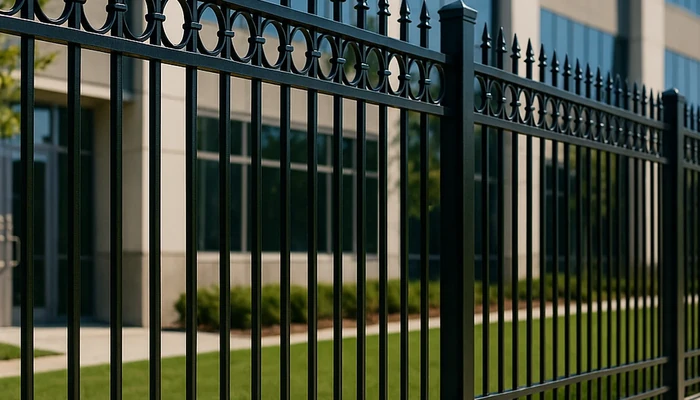
fence contractors chicago illinois, commercial security fence, commercial fence chicago, security fencing Berwyn, commercial fence repair Oswego, business fencing Des Plaines, business fencing Glenview, industrial fencing Alta Vista Terrace, commercial fence Glencoe, fence commercial Ranch Triangle