
The Ultimate Guide to Chain Link Gates: Options, Costs, and Care
Choosing the right gate for your property can feel overwhelming. You want a balance of security, convenience, appearance, and durability—without overspending. For homeowners and property managers, chain link gates are a go-to solution thanks to their reliability and flexibility. But with so many options and features, how do you find what actually fits your needs? In this comprehensive guide to chain link gates, we’ll break down types, materials, installation considerations, maintenance, and realistic expectations, so you can avoid common pitfalls. Whether you’re safeguarding a family yard, managing an apartment complex, or prioritizing curb appeal, we’ll help you understand your possibilities. Drawing on over 15 years serving Chicago, Illinois, our team at Chicagoland Fence Pros shares everything you need to know before you buy, plan, or install a chain link gate.
Understanding Chain Link Gates: What Are They and Why Choose Them?
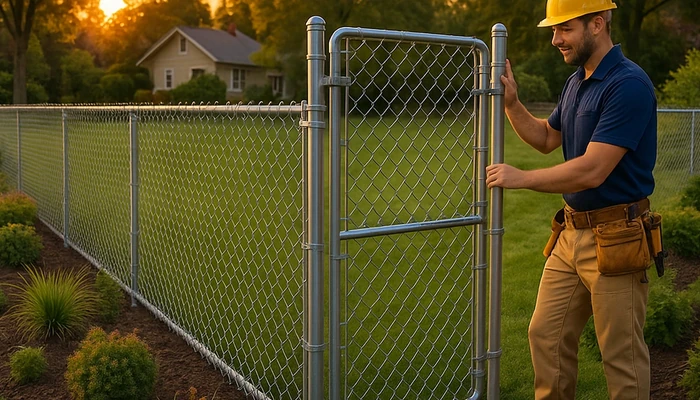
Chain link gates are entry or access points constructed with the same steel or aluminum mesh material as chain link fences. They offer security, clear visibility, and control of access while seamlessly matching your fence. Their popularity rests on a combination of affordability, weather resistance, and suitability for both residential and commercial properties. Key benefits include:
- Security: Limits entry for people and animals, often with options to add locks or even automated access.
- Durability: Stands up to harsh seasons—especially important in places like Chicago, Illinois.
- Versatility: Available in varied heights, widths, and swing or slide mechanisms.
- Visibility: Unlike solid panels, you can monitor approaches easily.
- Cost-Effectiveness: Generally less expensive than wood, vinyl, or wrought iron gates.
If you’re comparing fence types or considering upgrades, you may want to explore chain link vs. other fence materials as well.
Types of Chain Link Gates: Design and Operational Styles
Choosing a gate type starts with your access needs, site layout, and usage patterns. Let’s examine the most common categories:
- Single Swing Gates: Basic driveway or walkway gates, hinge inward or outward. Best for pedestrian entries and smaller driveways.
- Double Swing Gates: Two leafs (panels) meet in the center, ideal for wide openings (driveways, parking, commercial yards).
- Sliding Gates: Roll or slide parallel to the fence line, great for tight spaces. Can be manual or automated.
- Rolling (Cantilever) Gates: Similar to sliding, but supported on rollers above ground for smooth operation and less ground obstruction.
- Custom-Shaped or Specialty Gates: For unique spaces—dog runs, recreational areas, or customized widths and heights.
Tip: Commercial lots may require different styles and stronger hardware compared to what’s typical for Chicago homes.
Chain Link Gate Materials: What Are Your Options?
The backbone of any chain link gate is its frame and mesh. Materials and coatings make the difference in longevity, appearance, and price:
- Galvanized Steel: Silver in color, the industry standard due to high rust resistance and value.
- Vinyl-Coated Steel: Adds a protective, colored coating (black, green, brown) for aesthetics and extra weatherproofing. Popular in neighborhoods and rental communities.
- Aluminum: Lightweight, rust-resistant—sometimes a specialty upgrade, but less common in high-security applications.
- Hardware: Hinges, latches, wheels, and post options matter as much as the mesh. Opt for heavy-duty hardware in high-traffic areas.
Learn about the full range of chain link fence materials for more details.
Sizing, Layout, and Customization: Fitting the Gate to Your Property
Each property (and purpose) calls for a unique combination of height, width, and depth. Here’s what to consider:
- Standard Heights: Common for residential use are 4, 5, and 6 feet. For security, commercial sites might go 8 feet or higher.
- Gate Width: Walk gates (3–5 feet), drive gates (10–20+ feet, single or double leaf). Always measure access points carefully—including any vehicles or equipment that must pass through.
- Post Sizing: Heavy gates require thicker, deeper-set posts to ensure sturdiness and longevity—especially in windy Chicago locales.
- Custom Options: Consider privacy slats, decorative elements, or color upgrades (see color options here).
Work with a professional fence company to avoid undersized hardware or poor fits.
Security Upgrades and Special Features
Chain link gates easily adapt to tighter security and custom needs. Some optional upgrades:
- Locking Mechanisms: Padlocks, keyed locks, combination locks, or electric access (for automated gates).
- Automated Operators: Slide or swing gate motors for vehicle entry. If considering automation, check out automatic gate solutions in Chicago.
- Security Add-Ons: Extension arms for barbed or razor wire (commercial/industrial), or anti-climb mesh.
- Privacy Enhancements: Inserts or mesh fabric for added discretion near busy roads or neighbors (see personalization ideas).
For tips on keeping your property secure, read our security improvement guide.
Installation: DIY vs. Professional?
While some handy homeowners may attempt a small walk gate on their own, most installations (especially double swing or sliding models) are best left to licensed professionals.
- DIY Pros: Lower labor cost, small gate installs are manageable with the right tools and knowledge.
- DIY Cons: Risk of misaligned posts, sagging gates, or inadequate anchoring—especially in freeze-thaw cycles like those in Chicago, Illinois.
- Professional Pros: Reliable alignment, compliance with building codes, better safety, and warranty support. Contractors like Chicagoland Fence Pros understand local soils and code requirements.
- Professional Cons: Higher upfront cost, but often offset by longevity and fewer repairs.
| DIY Install | Professional Install | |
|---|---|---|
| Cost | Low (except tools/materials) | Higher |
| Skill Required | High (precision needed) | Expert |
| Warranty | None/limited | Often included |
| Time | Can be slow/inconvenient | Fast, predictable |
| Risks | Structural/safety issues | Fully insured |
Before starting your project, always check Chicago building codes or HOA restrictions and secure permits if required (see our guide to understanding fence safety and codes).
Costs: What Should You Expect?
Pricing for chain link gates varies widely. On average in the Chicago area:
- Basic Walk Gate (4-5 ft.): $150–$400 installed
- Basic Drive Gate (10-12 ft.): $400–$900 installed
- Double Swing or Sliding Gate: $900–$3,000+ depending on width, automation, and site prep
- Upgrades (motors, colors, privacy slats): add $150–$2,500 depending on features
Always ask for a detailed estimate, and be wary of “unusually low” bids—these often cut corners on hardware or compliance. From our experience in Chicago, Illinois, investing in quality components pays off through fewer repairs and smoother operation. The above are estimates only; costs depend on site layout, local prices, and optional upgrades.
Maintenance and Troubleshooting
One of the reasons chain link gates remain popular is their low maintenance requirements. Still, no gate is truly “set and forget.”
- Routine Checks: Inspect hinges, latches, and swing/slide action 2–4 times a year.
- Lubrication: Oil moving parts, wheels, and locks as needed—especially after a rainy or icy winter.
- Adjustment: Springs, chain tension, or lever arms sometimes need minor tweak for proper closure.
- Cleaning: Hose off salt, mud, or debris—this is especially important in Chicago’s winters to prevent corrosion.
- Professional Help: If you notice sagging, difficult operation, or rust that cannot be cleaned off, reach out to a fence expert for a safety assessment or repair (request help from our chain link specialists).
Longevity varies—most chain link gates last 15–25 years when cared for, but severe impacts or neglect can shorten this lifespan. Read about weather resistance of chain link systems for further tips.
Compliance, Building Codes, and Safety
Whether you’re installing a new gate or replacing an old one, always check your municipality’s building codes or HOA guidelines first.
- Permits: Typically required for new installations or substantial alterations—especially for gates that cross driveways or public access points.
- Setbacks: Many cities regulate how close gates/fences can be to sidewalks, roads, or neighbor properties.
- Materials: Some neighborhoods or historic districts limit the use of certain styles or require specific coatings/colors.
- Safety: Gates used near pools, playgrounds, or in commercial settings may require self-closing/self-latching hardware and extra height.
Safety standards are set and updated by national and local code authorities. For example, see technical committees at organizations like AMPP for ongoing discussions of materials, corrosion, and fence safety.
Realistic Expectations: Chain Link Gates in the Chicago, Illinois Climate
Chicago’s freeze-thaw cycles, heavy snows, and summer storms are hard on any fence system. Here’s what local property owners should know:
- Post Depth: Must be set below local frost lines to prevent upheaval.
- Hardware Quality: Opt for stainless/coated hardware to withstand salt and moisture.
- Regular Inspections: Catch problems early to prevent minor issues from causing deeper trouble when seasons shift.
- For unique applications (pet runs, sports fields), read our specialized guides on chain link fencing for pet owners and secure play areas.
Chain Link Gates vs. Other Gate Types: Comparing Your Options
| Gate Type | Security | Cost | Maintenance | Appearance |
|---|---|---|---|---|
| Chain Link | Moderate–High | Low–Moderate | Low | Utilitarian/Neutral |
| Wood | Moderate | Moderate–High | Moderate–High | Warm/Natural |
| Vinyl | Moderate | Moderate | Low | Clean/Modern |
| Wrought Iron | High | High | High | Classic/Ornate |
| Aluminum | Moderate | High | Low | Versatile |
- Compare chain link with other wood, vinyl, wrought iron, and alternative gates here.
FAQs About Chain Link Gates
- What size gate do I need?
Measure the widest item (car, lawnmower, delivery vehicle) that will pass through and allow extra space for maneuvering. For standard residential yards, 36″–60″ gates are common for walkways; 10–16′ for driveways.
- Can chain link gates be automated?
Yes—most double swing or sliding gates can be fitted with automatic openers for convenience and security. Always use a professional for electric installs, and check your local codes first.
- How long do chain link gates last?
With quality materials and proper maintenance, expect 15–25 years or more. Avoid neglecting hardware or allowing rust to progress.
- What are common problems with chain link gates?
Misaligned posts, sagging, rusty hardware, or sticky latches. Most issues are preventable with routine checks and prompt repairs.
- Can I add privacy to a chain link gate?
Yes—use privacy slats or attach mesh screening designed for outdoor fence use. This is a cost-effective way to upgrade appearance and discretion.
- Are permits required for gate installation in Chicago, Illinois?
Usually, yes. City codes often require permits for new gates, especially across driveways or near public walkways. Check with city authorities before starting any project.
- Is it better to repair or replace an old chain link gate?
Minor issues (adjustments, new latches) are repairable, but heavily rusted frames or severe misalignment often mean replacement is safer and more cost-effective.
- What are the best locks for chain link gates?
High-quality padlocks or keyed latches are effective for basic security. For commercial or high-security settings, consider electric or coded entry systems.
- How do I choose between swing and sliding gates?
Swing gates require more clearance in front/behind. Sliding or cantilever gates are ideal when space is tight or for wider openings. Consider your site layout, traffic, and local conditions.
Conclusion: Making Smart Choices with Chain Link Gates
Choosing, installing, and maintaining a chain link gate requires careful consideration—but with the right guidance and honest advice, it doesn’t have to be overwhelming. Understanding your property’s needs, local code requirements, and available upgrades ensures your investment truly supports long-term security and ease of use. If you’re unsure where to start, reach out to our expert team at Chicagoland Fence Pros for advice or a personalized gate estimate. Discover why so many local residents and businesses trust us for practical, code-compliant, and beautifully installed fencing solutions.
Ready to plan your next project? Request a free estimate for chain link gates or fences with our Chicago specialists.
For industry updates and best practices, see resources like AMPP Technical Committee news and industry announcements.
About Chicagoland Fence Pros
Chicagoland Fence Pros is a trusted fence company with over 15 years of experience serving homeowners and businesses in Chicago, Illinois and nearby communities. Our team specializes in both residential and commercial fence installations, including chain link, wood, vinyl, aluminum, and steel. We focus on clear education, transparency, and code-compliant solutions to ensure you receive the best possible fence for your needs. Licensed and insured, Chicagoland Fence Pros is dedicated to security, privacy, and long-term customer satisfaction.
fence companies in chicago, chain link security fence, chain link fence, chain link fence maintenance Bedford Park, galvanized chain link fence Edison Park, chain link fencing Schiller Park, best chain link fences in Ranch Triangle, chain link fence in Gurnee, best chain link fences in Vernon Hills, chain link fencing Lockport