
Automated Gates: The Future of Home Security
For many homeowners and property managers, securing property goes far beyond locks and cameras—especially in today’s world where convenience and innovation are just as important as protection. Automated gates: the future of home security stands as a guiding question for anyone evaluating how to keep their homes or facilities safer while also streamlining daily access. If you’re researching the latest in fence technology or wondering whether these systems are right for your residential or commercial property, you’re not alone. The choices can seem overwhelming, with options ranging from traditional swinging gates to high-tech access control and integration with smart home platforms. In this guide, the experts at Chicagoland Fence Pros explain how automated gates work, their main types, costs and benefits, pros and cons, safety standards, and what to expect at each step of the installation process. You’ll walk away with greater clarity about security, privacy, and technology—and how to select the right gate for your needs in the Chicago, Illinois area or elsewhere.
Understanding Automated Gates: What Are They?
Automated gates are mechanical entry systems that use motors, sensors, and electronic controls to open and close with the press of a button, touchscreen, remote, keypad, or even your smartphone. Unlike manual gates, which you must physically open and close, automated gates provide hands-free operation, often integrating with alarm systems and surveillance cameras for a unified security perimeter.
- Types of Operation: Sliding, swinging, bi-fold, vertical lift, or cantilever style
- Trigger Methods: Keypads, RFID cards, remotes, vehicle loop sensors, mobile apps, intercoms
- Main Uses: Driveway and pedestrian access, residential neighborhoods, apartment complexes, and businesses
Modern systems also often feature backup power (for outages), built-in safety sensors, and programmable access schedules.
Benefits of Automated Gates for Home and Business Security
Automated gates bring multiple advantages beyond just physical security. Here’s why more Chicago-area property owners are considering them:
- Enhanced Security: Automated gates limit unauthorized entry and can be fitted with surveillance or intercom technologies for visitor screening.
- Increased Privacy: Control who enters your property—especially valuable for families, multi-tenant buildings, or businesses.
- Convenience: Open or close your gate remotely, especially helpful during inclement weather or late at night.
- Curb Appeal: A well-chosen gate adds to your home’s value and architectural style.
- Integration: Link to smart home systems, alarms, or property management tools.
- Deterrence: Visual and physical barriers can reduce crimes of opportunity.
According to industry standards from DASMA, proper design, installation, and maintenance dramatically increase the effectiveness and safety of all automated gate systems.
Main Types of Automated Gate Systems
By Operation
- Sliding Gates: Move sideways along a track (good for driveways with limited depth but enough lateral space).
- Swing Gates: Open inward or outward, like a door (classic look but require clear swing area).
- Bi-Fold Gates: Panels fold inward, minimizing space needed to open.
- Vertical Lift: Gate rises vertically like a garage door (common in commercial or industrial settings).
- Cantilever Gates: Similar to sliding gates, but suspended without a ground track—popular for snowy climates like Chicago.
By Materials
- Steel: Extremely strong, durable, and secure.
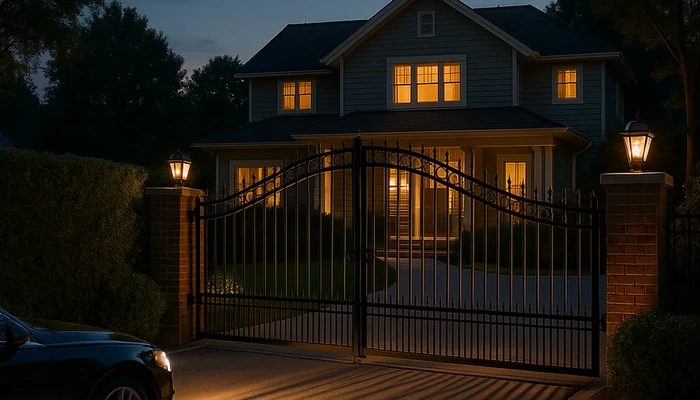
- Wrought Iron: Ornate, traditional, and highly customizable.
- Aluminum: Lightweight, corrosion-resistant, and available in modern designs.
- Composite/Vinyl: Low-maintenance with a variety of color options.
- Wood: Classic aesthetics, but more upkeep required (regular sealing, painting, etc.).
For those interested in other material options, we cover details at Composite Fence Chicago and Vinyl Fence Installation in Chicago.
Key Features and Smart Technology Integration
The future is here—today’s automated gates can be as sophisticated or as basic as you need. Trending features include:
- Access Control Systems: Secure entry using PIN codes, swipe cards, Bluetooth, or even biometrics.
- Remote Operation: Monitor and operate your gate from anywhere via smartphone apps.
- Integration with Security Cameras: Visual verification and record of entries/exits.
- Timers and Scheduling: Automatically open/close at pre-set times.
- Energy Efficiency: Solar-powered motors are increasingly popular; learn more at Impact of Solar Energy on Automatic Gates.
- Safety Sensors: Prevent closure if people, animals, or objects are detected in the gate’s path.
For a deep dive into smart features, see Smart Features of Automatic Gates.
Design and Customization: Matching Security With Style
Security need not come at the expense of aesthetics. Automated gates are available in a broad spectrum of designs—modern, traditional, minimalist, or highly decorative. Some of the top customization criteria include:
- Material and color choice
- Embellishments (finials, scrollwork for iron, textures for composites)
- Integration with existing fencing or entry columns
- Custom size and automation levels
For ideas, visit Exploring Different Automatic Gate Styles for Privacy and Design Ideas for Automated Door Systems.
Cost Factors: What to Expect When Budgeting for Automated Gates
The price of installing an automated gate in Chicago, Illinois (or any urban area) depends on multiple factors:
- Type and size of the gate (sliding, swing, cantilever, etc.)
- Materials selected (steel, aluminum, wood, composite, etc.)
- Type of automation and access control systems
- Site preparation (grading, foundation, wiring needs)
- Customization and additional safety upgrades
Here is a simplified example table of potential cost ranges (excluding local taxes and permitting):
| Gate Type | Material | Estimated Installed Cost |
|---|---|---|
| Single Swing | Aluminum | $4,000–$7,500 |
| Sliding | Steel | $6,500–$12,000 |
| Cantilever | Wrought Iron | $7,500–$13,000 |
| Bi-Fold | Composite | $8,000–$14,000 |
Note: Actual costs may vary by project. Always request a detailed quote. Chicagoland Fence Pros provides clear, upfront pricing and honest advice about all fence and gate options.
For those considering alternative fence options, Wood Fence Chicago and Aluminum Fences Chicago offer further details on materials and costs.
Safety, Compliance, and Industry Standards
Automated gates, by law, must meet strict safety and compliance requirements to protect people, vehicles and property. Key principles include:
- Automatic reversal sensors to prevent injury
- Manual release in event of power failure
- Child and pet safety regulations (see Automatic Gates and Child Safety)
- Regular inspection and preventive maintenance
- Compliance with UL 325 safety standards and local codes
Consult national guidelines at DASMA Standards, and remember that installation in Chicago, Illinois may require permits or HOA approval. Working with licensed professionals like Chicagoland Fence Pros ensures long-term safety and legal compliance.
Installation Process: What to Expect
- Initial Consultation and Site Assessment: Expert measures property, discusses user needs, explores design/material choices, and reviews site-specific restrictions.
- Quote and Planning: Receive a detailed, transparent quote. Review timing, equipment specifications, and warranty info.
- Preparation and Foundation: Clear area, pour footings, arrange electrical lines, and plan for drainage. Some systems may allow solar upgrades—learn more at Impact of Solar Energy on Automatic Gates.
- Gate & Automation Installation: Frame is anchored, gate is mounted and automation equipment is installed; safety devices are carefully tested.
- Programming & Handover: Access controls, remotes and settings are explained and demonstrated. Maintenance instructions are provided.
- Final Inspection: Verify smooth operation, safety compliance and customer satisfaction.
Want an overview of key installation aspects? See Key Aspects in the Installation of Automatic Gates.
Long-Term Care and Preventive Maintenance
Automated gates require regular inspection and care for long-term reliability.
- Lubricate hinges, slides, and moving parts regularly (follow manufacturer’s instructions)
- Clean sensors and check for obstructions
- Change access codes periodically (for keypad systems)
- Annual professional inspection for electrical or motorized components
- Look for signs of wear (rust, cracks, slow operation, etc.)
For detailed tips, try Tips for Preventive Maintenance of Automatic Gates.
Realistic Expectations: Limitations and Potential Issues
While automated gates offer clear advantages, they are not “set-and-forget” solutions. Consider the following:
- Weather: Chicago’s snow, ice, and extreme temperatures can affect gate movement—choose climate-suited systems.
- Power Outages: Some gates can be operated manually or have battery backups, but not all systems function fully in outages.
- Initial Cost: Automated systems are a long-term investment with upfront expenses.
- Ongoing Maintenance: Preventive care is crucial to avoid costly repairs later.
- Code and HOA Compliance: Always check municipal rules; requirements may differ in Chicago’s various neighborhoods.
Need help evaluating if automatic or manual is better for your needs? Read our comparison guide here.
Ready to take the first step? Request an automatic security gate estimate.
Comparison Table: Automated vs. Traditional Gates
| Feature | Automated Gate | Traditional Gate |
|---|---|---|
| Security | High; access control, logs entries | Medium; depends on lock and vigilance |
| Convenience | Operate remotely | Manual opening, less convenient in bad weather |
| Maintenance | Technical (motors, wiring) | Mechanical (hinges, latches) |
| Initial Cost | Higher | Lower |
| Integration | Smart home compatible | Minimal |
Frequently Asked Questions About Automated Gates
How secure are automated gates compared to manual gates?
Automated gates provide a higher level of security due to integrated access controls, tamper alarms, and integration with surveillance systems. Manual gates rely solely on physical locks and vigilance.
Are automated gates suitable for the Chicago, Illinois climate?
Yes. There are gate designs and materials—like cantilever and aluminum—that perform well in snow and ice. It’s crucial to choose a system installed by a contractor with local experience, such as Chicagoland Fence Pros.
Can an automated gate be retrofitted to an existing fence?
Often, yes. Many fences can be upgraded with automated systems, provided the gate frame and supports are compatible and have enough space. A professional assessment is recommended.
How much maintenance do automated gates require?
Regular lubrication, occasional part replacement, and annual checkups for safety sensors and electrical components will keep your system in top shape. Preventive maintenance is key for longevity.
Will my automated gate work during a power outage?
Some models include battery backups or manual release features. For long-term outages, manual operation may be required unless you have solar or alternative power systems installed.
Are automated gates safe for homes with children and pets?
Modern automated gates have built-in safety sensors to detect people or objects, minimizing risk. See Automatic Gates and Child Safety for specifics.
What is the typical installation timeline?
From site assessment to final inspection, most installations take one to three weeks, depending on complexity and material lead times. Weather and permitting can also play a role in timing.
Do I need a permit for an automated gate in Chicago, Illinois?
Most automated gates require city permits and sometimes HOA approval. Experts like Chicagoland Fence Pros can guide you through the compliance process.
Can I control my gate with my phone or smart home system?
Many modern systems offer app-based or smart home controls, allowing you to monitor and manage gates remotely. Ask your installer about compatible options.
Who should install automated gates?
Installation is best handled by licensed, insured professionals with experience in your climate and codes. Chicagoland Fence Pros has over 15 years of expertise with automated gates in the Chicago area.
If your question wasn’t answered here, contact Chicagoland Fence Pros for more information.
Conclusion: Is an Automated Gate Right for You?
Automated gates are redefining what’s possible in home and business security by combining robust protection with unmatched convenience and style. With customizable options, smart controls, and professional installation, they represent a future-ready solution for Chicago, Illinois and beyond. If you’re seeking to enhance your perimeter security, boost property value, and simplify daily life, automated gates may be your answer. Remember to select experienced contractors, review safety standards, and budget for ongoing care—so your investment serves you for years to come.
Have questions or ready to explore your options? Talk to our fence specialists about your security needs.
About Chicagoland Fence Pros
Chicagoland Fence Pros is a professional fence company with over 15 years of experience serving homeowners and businesses throughout Chicago, Illinois, and nearby areas. Specializing in residential and commercial fencing projects—including automatic gates, wood, vinyl, aluminum, composite, and steel—the team delivers transparent guidance, code-compliant installation, and sturdy, attractive fences for every need. Chicagoland Fence Pros is licensed, insured, and committed to helping you understand all your options while safeguarding your property.
fence company near chicago, swing gate, automatic gate repair chicago, automatic gate Glencoe, access control gate Mchenry, security gates Oswego, security gates Niles, automatic gate repair Winnetka, access control gate Franklin Park, automatic gates Avondale