
Exploring Different Automatic Gate Styles for Privacy
Choosing the right automatic gate style is one of the most significant decisions homeowners and property managers make when aiming to enhance privacy, security, and curb appeal. With numerous options available, exploring different automatic gate styles for privacy can feel overwhelming—especially for those unfamiliar with the options and trade-offs. From the classic charm of wood to the strength of aluminum or steel, your selection impacts not just the appearance but the function, durability, and privacy level of your property’s perimeter. In this comprehensive guide, we help you understand the major automatic gate styles for privacy, their pros and cons, essential material considerations, and honest guidelines to set realistic expectations—so you can make confident choices for long-term satisfaction. Over the years, the team at Chicagoland Fence Pros has seen firsthand how automatic gates transform properties in Chicago, Illinois, and we’re committed to honest guidance from project planning to installation.
Why Privacy Matters: Gate Selection and Property Protection
Privacy is often a leading motivation for installing an automatic gate. Homeowners and property managers seek not only to keep unwanted visitors out, but also to create a secluded space for relaxation and family life. Privacy gates offer visual separation from the street and can provide additional sound insulation from busy roads. In the Chicago, Illinois area, changing seasons, close neighborhoods, and diverse architectural styles make privacy especially important during all times of the year.
Common Automatic Gate Styles and Their Privacy Levels
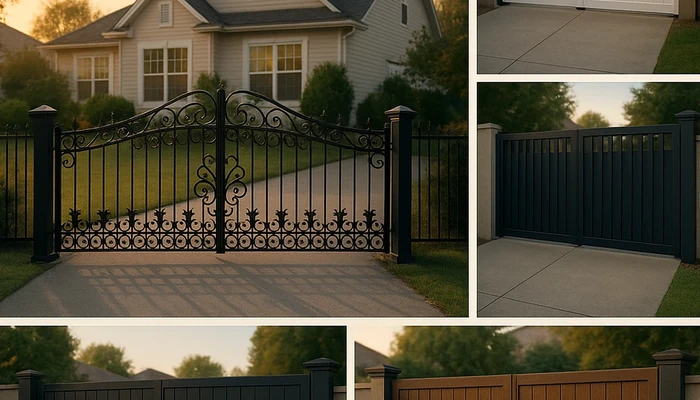
Understanding different automatic gate designs helps you match your needs for privacy, aesthetics, and function. Here are the most popular styles:
1. Solid Panel Gates
Solid-panel gates (often wood, composite, or steel) provide the highest privacy level. With no gaps, it’s difficult to see through from the outside. These gates can be custom-designed to match home architecture and are well-suited for areas where complete seclusion is desired.
- Materials: Wood, composite, steel, aluminum.
- Best for: Ultimate privacy, residential driveways, small commercial properties.
- Pros: Blocks views, wind, and noise; can be painted/stained; many design options.
- Cons: Requires solid framework; heavier gates need stronger automation and support; some materials (like wood) require more maintenance.
2. Vertical Picket or Board-on-Board Gates
Vertical picket or board-on-board designs feature closely spaced boards or pickets. When built with minimal gaps, these gates offer substantial privacy while allowing some airflow and a lighter look than solid panels.
- Materials: Wood, vinyl, composite, steel.
- Best for: Residences seeking a traditional fence look, semi-private areas.
- Pros: Strikes a balance between privacy and openness. Can use decorative post tops or shapes.
- Cons: Limited privacy compared to solid panels; may require regular adjustment to maintain spacing.
3. Ornamental Iron or Aluminum Gates with Privacy Inserts
Wrought iron and aluminum gates are popular for their elegance and security. By default, these gates have open designs, but privacy slats or panels can be added to increase seclusion while maintaining a prestige appearance.
- Materials: Wrought iron, aluminum, privacy slats (composite, vinyl, wood-look).
- Best for: High-end homes, commercial properties, gated communities seeking security and statement design.
- Pros: Highly durable and low maintenance (especially powder-coated). Can blend privacy with architectural features.
- Cons: With open pickets, privacy is minimal unless inserts are installed. Added features may increase cost.
4. Combination and Custom Designs
Some properties benefit from a mix of styles or entirely custom gates, integrating panels, pickets, and decorative features. Customizations might include frosted glass, etched panels, horizontal louvers, or mixed materials for both aesthetics and privacy tuning.
- Best for: Properties with unique design needs or mixed-use spaces.
- Pros: Fully tailored look and privacy level; opportunities to express architectural style.
- Cons: May require higher budget and more time for fabrication and installation.
| Gate Style | Privacy Level | Maintenance | Typical Materials |
|---|---|---|---|
| Solid Panel | High | Medium–High (wood), Low (metal/composite) | Wood, steel, aluminum, composite |
| Board-on-Board/Picket | Moderate–High | Medium | Wood, vinyl, composite, steel |
| Ornamental with Inserts | Variable | Low | Iron, aluminum, composite/vinyl slats |
| Custom/Combo | Adjustable | Varies by material | Mixed |
Factors Influencing Gate Style Selection
When exploring different automatic gate styles for privacy, consider not only aesthetics and privacy levels, but also:
- Material durability (against Chicago’s weather).
- Maintenance requirements—wood needs sealing, metal may require anti-rust coatings.
- Automation system compatibility—weight and balance affect opener selection.
- Property size and driveway slope—influences swing or sliding gate design.
- Building codes and HOA rules—check approved standards and local requirements.
- Budget and long-term value—higher upfront costs may mean less maintenance over time.
For more on adapting to your local site and environment, see Adapting to the Environment in Automatic Gate Installation.
Popular Materials for Privacy Gates
- Wood: Natural, traditional, and fully opaque, but prone to weathering. Annual sealing or painting required.
- Composite: Wood-plastic blends offer a wood look with lower maintenance and good durability.
- Steel/Aluminum: Extremely durable, low maintenance, with powder-coated options for extra weather-resistance.
- Vinyl: Moisture-resistant and virtually maintenance-free; good for board-on-board and solid panel gates.
Compare environmental benefits and efficiency of material choices at Environmental Benefits When Installing Automatic Gates and Energy-Efficient Options for Automatic Gates.
Automatic Gate Operation Types: Swing vs. Slide for Privacy
The mechanical style of your automatic gate (swinging vs. sliding) affects privacy and site layout.
- Swing gates open inward or outward and are most common for driveways with ample space and level ground. Solid panel swing gates maximize privacy when closed.
- Sliding gates move laterally along a fence line, ideal for tight driveways or sloped areas. Privacy is similar to swing gates but sliding options are sometimes more compact for urban properties.
Consider this comparative guide for deeper insight on operating mechanisms.
Automation, Controls, and Security Integration
Beyond gate panels and materials, privacy also depends on how you control access to your property. Common features include:
- Remote entry (keypad, fob, app) for convenience.
- Intercom systems for identifying visitors.
- Camera integration for extra security and monitoring.
- Auto-closing features to prevent gates from being accidentally left open.
See Enhancing Security with Automated Gates for more security considerations and upgrades.
Costs, Building Codes, and Permitting
Automatic gate costs depend largely on size, material, features, and site preparation. Wood or composite solid panel gates usually have higher material and maintenance costs; steel and aluminum can be pricier upfront but pay off with durability. Always budget for installation, automation hardware, and electrical work.
Permits in Chicago, Illinois require compliance with local zoning and safety codes. Refer to ICC Safe’s certification catalog or check with your local building department for up-to-date code requirements. Professional installers like Chicagoland Fence Pros ensure code-compliant and safe installations.
For commercial sites or obligations under HOA rules, consult Legal Aspects Around Automatic Gate Installation.
Maintenance: Keeping Your Privacy Gate Working for Years
Any fencing and gate material needs some upkeep, even if labeled “low-maintenance.” Regular checks should include:
- Cleaning tracks/hardware
- Lubricating moving parts
- Checking sensors and automatic opener functions
- Repainting/sealing wood and treating metal for rust as needed
Get practical tips in Tips for Preventive Maintenance of Automatic Gates.
Real-Life Examples: Gate Styles that Work for Privacy
- Family Home in Suburban Chicago: A solid cedar swing gate with matching privacy fence, fully automated with keypad and camera, provides total seclusion and peace of mind for kids and pets.
- Urban Courtyard: Horizontal aluminum slat sliding gate with minimal gaps preserves privacy while matching the ultra-modern building façade.
- Commercial Property: Tall wrought iron sliding gate with composite privacy inserts and smartphone access keeps the parking area secure, blending function with sophistication.
FAQ: Automatic Gates and Privacy
- 1. Which automatic gate style provides the most privacy?
- Solid panel gates (wood, composite, steel, or vinyl) offer the highest possible privacy when no gaps are present. Board-on-board and vertical picket gates can also provide substantial privacy if the pickets are closely spaced.
- 2. Can I add privacy enhancements to an existing iron or aluminum gate?
- Yes. Privacy panels, mesh, or vinyl/composite slats can be installed on many existing open-frame gates to increase privacy without replacing the entire structure.
- 3. What maintenance is required for different privacy gate types?
- Wood gates require staining or painting annually; composite and vinyl need only occasional cleaning. Steel and aluminum gates mainly need periodic inspection for rust or paint chips and hardware lubrication.
- 4. Do privacy gates affect property value?
- High-quality, well-designed privacy gates often increase property value and curb appeal. Buyers appreciate enhanced privacy, safety, and upgrades in neighborhoods where space is at a premium.
- 5. Are there building codes affecting automatic privacy gates in Chicago, Illinois?
- Yes. Always check local ordinances and permitting requirements, which govern height, automation components, setback distances, and access for emergency responders. See ICC Safe guidelines.
- 6. Can I automate any style of privacy gate?
- Most privacy styles can be automated with the appropriate opener. The gate’s size, weight, and style determine the best automation system. Professional installers assess these factors when recommending equipment.
- 7. What are the best materials for low-maintenance privacy gates?
- Steel, aluminum, and premium composite materials offer the lowest maintenance with excellent durability. Vinyl is also popular due to minimal upkeep and resistance to weather damage.
- 8. How do I choose between a swing or slide privacy gate?
- Your driveway’s slope, available side space, and security needs influence this decision. Swing gates are traditional and work where there’s enough room. Sliding gates are ideal for tight spaces and driveways that slope upward behind the property line.
- 9. Are privacy gates safe for families with children or pets?
- When installed with proper safety sensors, auto-stop features, and reliable access control, privacy gates can increase safety for both children and pets. Review Automatic Gates and Child Safety for best practices.
- 10. What is the first step to installing a privacy-focused automatic gate?
- Begin with a site assessment. Evaluate your privacy needs, property layout, and material preferences. Always consult professionals like Chicagoland Fence Pros for a custom plan that meets code, style, and budget.
Conclusion: Making the Right Privacy Gate Choice for Your Property
Exploring different automatic gate styles for privacy is the key to a secure, beautiful, and low-maintenance property. By weighing your needs, understanding material options, and respecting local building rules, you can select a solution that balances style, function, and value. Homeowners in Chicago, Illinois often discover that privacy gates not only increase comfort but also boost property value and safety. For help with design, code navigation, or installation, request a detailed automatic gate estimate from trusted local professionals.
If you’re ready to take the next step or have unique requirements, contact Chicagoland Fence Pros for honest, hands-on advice.
About Chicagoland Fence Pros
Chicagoland Fence Pros is a professional fence company with over 15 years of experience installing privacy, security, and decorative fences and automatic gates in Chicago, Illinois and surrounding areas. Our licensed and insured team specializes in wood, vinyl, aluminum, steel, and composite fencing solutions, offering transparent guidance and code-compliant installations for residential and commercial clients. We take pride in clear communication and work closely with every customer to ensure comfort, long-term durability, and satisfaction.
fence contractor near chicago, automatic gates chicago, Chicago Access Control System, automatic gate repair Hanover Park, automatic gates Romeoville, gate opener repair Palatine, sliding gate Joliet, swing gate Lake In The Hills, security gates Broadview, gate opener repair Wheeling