
Commercial Fencing Installation In High Traffic Areas: Your Complete Guide
Choosing the right commercial fencing solution for high traffic areas can feel overwhelming, especially with countless options and important factors to balance—security, privacy, design, compliance, and long-term costs. While a fence often seems like a simple barrier, in busy zones like storefronts, schools, industrial complexes, and multi-use business parks, it plays a vital role in keeping people safe and property secure. Without proper planning, property managers risk unexpected maintenance costs, frustrated tenants, or even code violations. This in-depth guide breaks down everything you need to know about commercial fencing installation in high traffic areas, from types of fences and the challenges unique to crowded locations, to maintenance, durability, and Chicago-specific code considerations. By the end, you’ll know how to evaluate your options and set realistic expectations for your fencing project. Chicagoland Fence Pros brings years of experience in addressing these exact challenges, and this guide shares key lessons drawn from projects around Chicago, Illinois.
Why High Traffic Areas Demand Special Fencing Solutions
High traffic properties—busy retail centers, schools, hospitals, transit hubs, and bustling business parks—place extra demands on fencing. Considerations are more complex compared to low-traffic perimeters due to:
- Constant pedestrian and vehicle flow
- Greater exposure to damage or wear
- Need for robust security against unauthorized access or vandalism
- Stricter aesthetics and branding expectations
- Compliance with ADA accessibility and local codes
- Integration with signage, lighting, and security systems
In Chicago, Illinois and similar large cities, weather extremes add another layer—freeze/thaw cycles, snow, ice, salt, and UV exposure can quickly degrade lesser materials or hasty installations. That’s why expert guidance and quality workmanship are musts for long-term satisfaction in busy places.
Main Goals: Security, Safety, and Aesthetics
In commercial settings with significant foot and vehicle traffic, fence installations must accomplish several key goals in balance:
- Security: Deter intrusion, restrict unauthorized access, and protect assets.
- Safety: Guide movement, prevent accidents, and provide clear boundaries—especially near driveways, entrances, and loading zones.
- Privacy: Block views to sensitive or private areas.
- Noise Reduction: Limit sound transmission from roads, rail, or neighboring properties.
- Aesthetics: Enhance curb appeal and reinforce your brand or architecture.
A well-designed fence installation in a high traffic area should contribute to all of these, with trade-offs depending on your property’s use and exposure.
Key Fence Types for High Traffic Commercial Settings
Let’s compare the major options, their pros and cons, and which scenarios fit each best.
| Fence Type | Best For | Security Level | Durability | Maintenance | Notes |
|---|---|---|---|---|---|
| Chain Link | Warehouses, parking lots, industrial yards | Moderate–High | Excellent | Low | Can add privacy slats; cost-effective |
| Ornamental Steel/Aluminum | Frontages, schools, offices | High | Excellent | Low–Medium | Stylish; resists rust (powder-coated) |
| Commercial Wood | Restaurants, retail, buffer zones | Moderate | Good* | Moderate–High | Requires consistent upkeep; best for aesthetics/privacy |
| Vinyl | Business parks, schools, healthcare | Moderate | Very Good | Low | Colorfast; easy cleanup; higher upfront cost |
| Composite | Urban mixed-use; modern look | Moderate–High | Excellent | Low | Eco-friendly; resists decay and graffiti |
| Wrought Iron | Historic districts, premium entries | High | Excellent | Medium | Classic style; custom options; needs regular recoating |
(*Wood durability depends on species and treatment; less ideal for heavy-wear, high-traffic frontages.)
Material and Design Considerations for Busy Properties
When choosing a fence for a busy location, balance these factors for the best performance and lowest total cost:
- Material resilience (rust, impact, UV, graffiti)
- Height and picket spacing for security and safety
- Visibility through/beyond the fence (for surveillance or privacy)
- Compatibility with gates, access controls, and security cameras
- Color/finish to match branding and reduce visible damage
- Weather resistance (especially freeze/thaw in Chicago, Illinois areas)
Consulting product documentation from structural authorities such as Simpson Strong-Tie can help ensure proper material selection and installation techniques.
Special Challenges and Solutions in High Traffic Environments
From our experience installing fences in Chicago, Illinois, busy properties often face issues such as:
- Frequent accidental impacts (from cars, shopping carts, snow plows): Use reinforced steel posts, concrete footings, and anti-ram panels or bollards where needed.
- Increased wear and tear: Select powder-coated metals or heavy-duty vinyl/composite over wood.
- Graffiti and vandalism: Choose graffiti-resistant surfaces; consider designs that are harder to climb or damage.
- ADA compliance at gates and walkways: Ensure all entry and exit points are accessible and up to code, and check ADA specs.
- Snow/ice management: Account for plow lines, salt use, and ground shifting in seasonal climates.
Quality workmanship and deep understanding of both materials and local site conditions are key to resilience and long-term performance.
Understanding Local Building Codes and Permitting in Chicago
Every fencing project must comply with municipal regulations. In high traffic zones, codes typically specify:
- Minimum and maximum fence heights for commercial areas
- Allowed materials and finishes
- Setback distances from sidewalks, driveways, streets, and intersections
- Visibility triangles at corners for traffic safety
- Accessibility rules for gates and latches
Always consult with your city’s building department or work with a licensed local expert such as Chicagoland Fence Pros. The right contractor will handle permitting, ensure code-compliant layouts, and help avoid costly rework. For those interested in the structural perspective on safe fence planning, organizations like Structure Magazine provide authoritative industry resources.
Integration: Fences, Security Systems, and Access Controls
Modern high-traffic commercial fences often go beyond simple barriers. Integrating fence lines with key card access, intercoms, video surveillance, and automatic gates can greatly improve control and property safety. Be sure to plan these in during early design—not as an afterthought—so electrical runs and mounting points are engineered into the build.
When tight security is demanded, consider anti-cut/anti-climb features, electronic monitoring, and high-strength mesh panels. Learn more in our dedicated guide on integrating commercial fences with security systems.
Long-Term Maintenance Strategies for High Traffic Fences
- Schedule regular inspections, especially after storms or snow removal efforts.
- Promptly address damage to prevent safety issues and further deterioration.
- Keep gates and locks lubricated and clear of debris.
- Re-coat or repaint metal/wood sections as manufacturer recommends.
- Pressure-wash vinyl or composite as needed to remove grime or graffiti.
For further reading, see our post on maintaining and extending the life of commercial fences.
Budgeting and Cost Considerations
Budgeting for a commercial fencing project in a high traffic area goes beyond the fence material—site prep, permitting, extra reinforcement, aesthetics, and security integrations all affect final costs.
- Upfront: Material, installation labor, permits, custom features, access control integration
- Ongoing: Preventive maintenance, repairs, cleaning, hardware updates
Get detailed, transparent quotes from reputable local fence companies—and ask for lifetime costs, not just initial price tags. Chicagoland Fence Pros always provides clear, honest cost projections and options for clients’ unique needs.
Case Example: Retail Center Perimeter in Chicago
A shopping plaza in Chicago needed new perimeter fencing. The main concerns:
- 24/7 pedestrian and vehicle activity
- Frequent snow removal and salt application each winter
- Desire for a modern look to reinforce the center’s branding
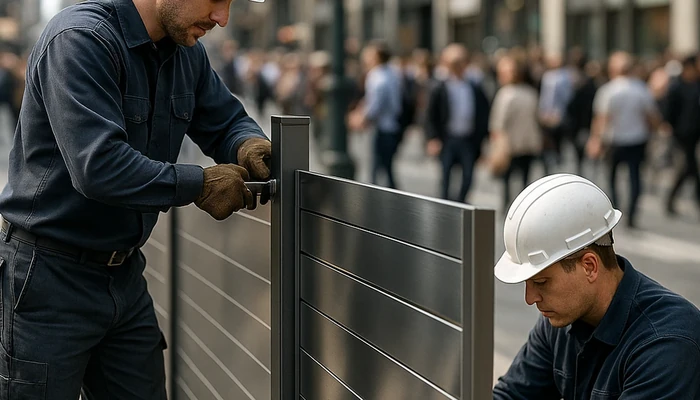
After evaluating materials, the project team selected powder-coated ornamental aluminum fencing with heavy-duty posts, reinforced panels at loading docks, and keyed gates for staff-only areas. Bollards were installed at main corners to prevent vehicle damage. The result: improved safety, lower long-term maintenance costs, and a cleaner appearance—all code compliant, and built to stand up to Chicago’s harsh seasons.
Comparing High-Traffic Fence Solutions: At A Glance
| Use Case | Recommended Material | Main Benefit |
|---|---|---|
| Parking Lot Perimeter | Chain Link or Ornamental Steel | Security, durability to impacts |
| School Entrance | Ornamental Steel, Vinyl | Safety, aesthetics |
| Retail Frontage | Composite, Ornamental Aluminum | Branding, privacy, modern look |
| Industrial Site | Chain Link with Barbed Wire | Deterrence, cost-effectiveness |
For industry-by-industry fence recommendations, read our comparison of commercial fencing for different industries.
Frequently Asked Questions: Commercial Fencing in High Traffic Areas
What is the best fencing material for busy commercial areas?
Powder-coated steel, aluminum, and reinforced chain link are generally the most durable and secure options for high-traffic areas. Composite and vinyl can work well for places that favor aesthetics and easy cleaning, but metal options are usually best for high-impact zones.
How can I reduce noise from traffic with my fence?
Privacy panels, solid composite or vinyl fencing, or noise-reducing infill can help buffer sound. Fence height and density also matter. For a deep dive, check our post on noise reduction with industrial fences.
Do commercial fences in Chicago need permits?
Most commercial fence projects in Chicago, Illinois require permits. Height, placement, and material limitations are enforced by the city. Consult local codes early and work with a licensed fence professional to stay compliant.
What maintenance issues should I expect in high traffic areas?
Expect more frequent repairs to posts, gates, and latches due to accidental bumps. Annual inspections and cleaning, along with fast response to damage, will help prevent safety risks.
How do I make sure my commercial fence is ADA compliant?
Gates and walkways must allow wheelchair access, appropriate latch heights, and unobstructed paths. Confirm requirements in the design phase and reference official ADA standards or a local authority.
What are anti-climb or anti-cut features for fences?
Anti-climb solutions include tight mesh panels, curved or spiked tops, and certain panel designs. Anti-cut mesh or steel reinforcement prevails where intrusion is a concern. These options are typically added to chain link and steel fences.
Is it possible to integrate access controls or cameras into my fence?
Absolutely. Modern commercial fences often integrate with electronic gates, access controls, intercoms, and security cameras. Plan wire routing and mounting needs before installation begins for best results.
Can a privacy fence also provide strong security?
Yes, if properly designed. Solid panels block sight lines and can slow down intruders. Make sure the fence is properly anchored and the gate hardware is industrial-grade for the best combination of privacy and safety. For more, visit our guide to choosing commercial fencing for safety and aesthetics.
What’s the expected lifespan of commercial fencing in Chicago?
Steel and aluminum fences can last 25+ years with proper maintenance. Vinyl and composite also offer 20+ years. Wood lifespan varies greatly with exposure and care. Weather, salt and traffic all play large roles—so invest in professional installation and annual upkeep.
When should I consult a professional for my fencing project?
Always involve a professional early—before buying materials or breaking ground. Chicagoland Fence Pros can guide you through options, budgeting, codes, and durability questions, and provide a code-compliant, attractive, and long-lasting solution for any high traffic site.
Conclusion: Planning for Lasting Value
Installing a commercial fence in a high traffic area is a strategic investment in safety, security, and your property’s appearance. The best results come from clear goals, careful material selection, honest budgeting, and working with experienced professionals who know Chicago’s climate and codes. Whether you manage a retail storefront, school, or industrial park, your fencing solution should perform under pressure—both now and for many seasons to come.
If you’re ready to start planning, we invite you to request a fence estimate or learn more about aluminum fencing options for commercial spaces. For guidance on the installation process, check our detailed guide on what to expect during commercial fencing installation.
Have a specific question? You can always contact Chicagoland Fence Pros for honest advice from local experts.
About Chicagoland Fence Pros
Chicagoland Fence Pros is a trusted provider of commercial and residential fencing with over 15 years of experience serving homeowners and businesses in Chicago, Illinois and surrounding communities. Our team specializes in the installation and repair of all major materials—including wood, vinyl, aluminum, steel, and composite—for projects ranging from perimeter security to privacy and curb appeal. We prioritize code compliance, transparent pricing, and clear communication at every step. Licensed and insured, Chicagoland Fence Pros delivers fences built to last in the Midwest climate.
Find Fence Builders in Chicago, chicago fence company, commercial security fence chicago, security fence chicago, access control fence Forest Park, commercial fence repair Westchester, fence commercial Lake In The Hills, commercial fence Addison, security fence Oak Lawn, security fencing Glencoe