
Expectations During Commercial Fencing Installation: What Homeowners and Property Managers Need to Know
Choosing to install a commercial fence is an investment in security, privacy, and curb appeal. Yet, few property owners or managers know exactly what to expect when embarking on this process. The path from initial consultation to finished perimeter can involve many steps, decisions, and trade-offs—especially for those new to fencing. It’s common to feel unsure about materials, codes, installation phases, or what can go wrong. In this complete guide, we’ll break down the expectations during commercial fencing installation, from selecting the right type of fence for your Chicago, Illinois property, to understanding local requirements and planning for long-term maintenance. By the end, you’ll be equipped with actionable insight to ensure your project succeeds—both functionally and visually. Drawing from years of experience at Chicagoland Fence Pros, we’re here to make your commercial fencing journey clear and manageable.
Understanding the Commercial Fencing Installation Process
Commercial fencing installation goes well beyond setting posts and panels. The process is structured and requires diligent planning. Here’s an overview of the core stages:
- Initial Consultation & Site Assessment: Discuss goals, security needs, and site conditions with your fence contractor.
- Material Selection & Design: Choose between chain link, steel, aluminum, wood, vinyl, or composite, considering both function and durability for the Chicago, Illinois climate.
- Permitting & Regulatory Review: Obtain required permits and ensure compliance with zoning and safety codes.
- Site Preparation: Clear the fence line, mark utilities, and establish boundaries.
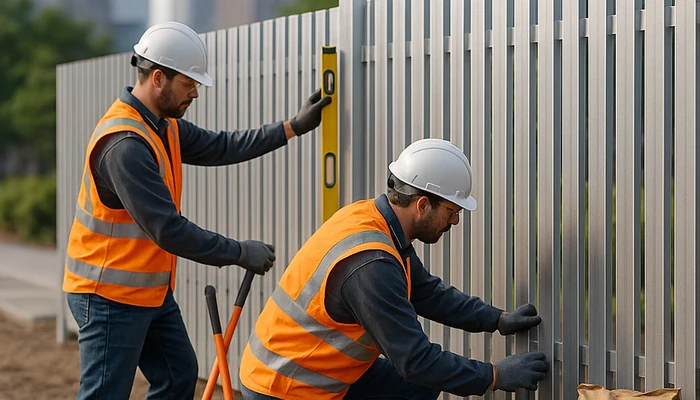
- Installation (Posts & Framework): Set fence posts and construct the framework to city and manufacturer standards.
- Panel or Material Attachment: Install panels/sections or stretch mesh, ensuring correct alignment and structural integrity.
- Gates, Hardware & Finishing Touches: Install any gates, security hardware, or access controls.
- Final Inspection & Cleanup: Review completed work, check for code compliance, and ensure the site is left clean and safe.
Every phase impacts the next, so understanding this sequence helps set realistic expectations and timelines. More detailed breakdowns can be found in resources like The Installation Of Commercial Fencing: A Detailed Analysis.
Factors That Influence the Installation Timeline
No two properties are the same, so timelines for commercial fencing installation will vary. Typical factors include:
- Size and Scope: Larger properties or higher-security installations require extra time.
- Material Choice: Some materials (e.g., wrought iron, composite) may require custom fabrication or longer lead times.
- Permitting Delays: Waiting for city or regulatory approval can extend the process.
- Weather Conditions: Chicago’s weather, including rain or freezing ground, can cause scheduling shifts.
- Site Accessibility: Uneven terrain, underground utilities, or the need for demolition can complicate prep work.
On average, most standard commercial fencing projects in Chicago, Illinois take anywhere from one to four weeks from site preparation to final walk-through, though large or complex installations can extend beyond a month.
Types of Commercial Fences and Their Use Cases
Choosing the right commercial fence means balancing appearance, security needs, local climate, and maintenance expectations:
| Material Type | Best For | Durability | Maintenance Needs | Visual Appeal |
|---|---|---|---|---|
| Chain Link | Budget, Security Perimeters, Schools | High | Low | Functional |
| Aluminum & Steel | Ornamental, High Security, Commercial Frontages | Very High | Low | Excellent |
| Wood | Privacy, Commercial Residences, Hospitality | Moderate | Moderate-High | Warm, Traditional |
| Vinyl/Composite | Modern Look, Privacy Needs, Low-Maintenance | High | Very Low | Clean, Versatile |
For deeper comparisons by sector, see Comparison Of Commercial Fencing For Different Industries.
Site Assessment and Preparation: What to Expect
Before installation begins, your fencing contractor will:
- Perform a survey or confirm property lines.
- Identify and mark underground utilities (calling 811 is standard).
- Remove any obstacles along the proposed fence line.
- Assess for drainage or grading issues that may affect fence stability.
Early discovery of issues, such as buried debris or insufficient setbacks, prevents costly surprises later on. This step is essential for both safety and regulatory compliance.
Permits, Codes, and Regulatory Requirements
All commercial fencing installations in Chicago and its suburbs must adhere to municipal codes and often require formal permits. Key areas of concern include:
- Fence Height Restrictions: Varies by zoning and location (e.g., front yard vs back yard).
- Material Regulations: Certain business districts may prohibit specific materials.
- Visibility and Safety: Gates, corners, and driveways may have special sightline or locking rules.
- HOA/Property Management Rules: Additional standards for commercial developments or shared properties.
It’s always best to confirm with local building authorities or reference trusted sources such as the Security Industry Association’s industry standards to understand general requirements when installing perimeter fencing.
Choosing Secure and Code-Compliant Fence Materials
Material selection impacts not only aesthetics and maintenance, but also security and code compliance. Review manufacturer specs and local code requirements before making a final decision.
- Look for corrosion resistance—important for Chicago’s freeze-thaw cycles and precipitation.
- Ensure gates and hardware are rated for commercial use.
- Ask contractors about warranty and code documentation for every material.
For guidance on integrating fencing with other security measures, check Enhancing Perimeter Security With Industrial Fencing Panels.
Installation Best Practices and Sequencing
Once prep work is complete, installation should follow these best practices:
- Install end and corner posts first for reference points.
- Use correct concrete footing depths (below Chicago frost line as required).
- Verify alignment and level before panels or mesh are attached.
- Ensure all gates operate smoothly and close securely.
- Perform a final walk-through with your contractor to inspect workmanship and code adherence.
Quality contractors will follow guidelines set out by industry organizations such as the Association for Materials Protection and Performance (AMPP) for coatings and durability.
Common Installation Challenges and How to Address Them
Being prepared for potential issues can save both time and frustration. Typical challenges include:
- Weather Delays: Rain or snow can pause work; good contractors build in buffer days.
- Underground Obstacles: Old footings, roots, or pipes may require rerouting or special tools.
- Material Shortages: Early ordering and clear communication help mitigate supply chain issues.
- Unclear Property Lines: Consider a formal survey if boundaries are questionable.
- Permitting Hurdles: Apply early and double-check paperwork.
Discuss concerns with your installer in advance and request a realistic timeline estimate based on your property and chosen fence type.
Cost Expectations: What Drives Commercial Fencing Prices?
Commercial fencing prices fluctuate based on multiple elements:
- Material Type (chain link generally lowest, metals or composites highest).
- Fence Height/Length (taller or longer fences drive up costs).
- Number and Type of Gates/Access Points.
- Site Preparation Requirements (removal, grading, utility marking).
- Custom Features (decorative design, integrated security, access controls).
Always request a detailed, written estimate. Honest, transparent communication about costs and materials is a hallmark of Chicagoland Fence Pros’ approach. For common price ranges and design influence, see Boosting Curb Appeal with Commercial Fencing Designs.
Maintenance Planning: Keeping Your Commercial Fence in Top Shape
Planned maintenance preserves both security and curb appeal:
- Inspect gates and posts twice per year for loose hardware or shifting.
- Keep vegetation trimmed; avoid vines growing on fences with coatings.
- Clean metal surfaces and check finishes (especially near roads or in high-traffic zones).
- Address small repairs promptly to prevent larger failures.
Extending the life of your investment starts the day installation finishes. For ongoing care, review How to Maintain Your Commercial Fence and Extend Its Life.
Integration With Security Systems and Site Operations
Modern commercial fences often interface with:
- Card reader or key code entry gates
- Automated security gates (learn about automatic security gate options)
- Camera and lighting systems
- Emergency access pathways and signage
Be ready to coordinate with your security contractor or property manager to ensure compatibility.
Best Practices for Working With Fence Contractors
- Review references and examples of similar projects.
- Ask about local experience—Chicago properties have unique needs.
- Confirm clear communication about permits, timelines, and responsibilities.
- Request documentation of insurance, licensing, and warranty coverage.
- Insist on a final walk-through before signing off on the project.
Learn more about contractor selection at Choosing Your Industrial Fencing Contractor.
Frequently Asked Questions About Commercial Fencing Installation
1. How long does commercial fencing installation usually take?
The timeline depends on project size, materials, weather, and permits. For most Chicago-area properties, expect 1–4 weeks from groundbreaking to final walkthrough.
2. What permits do I need for a commercial fence?
Permits are required for all commercial fences in Chicago, Illinois. The fence contractor usually handles this, but property owners should verify local regulations before work begins.
3. Can a commercial fence improve property value?
Yes. Security, appearance, and privacy all positively impact value. For more, visit Industrial Fencing: Impact on Value and Insurance.
4. What maintenance does a commercial fence require?
Maintenance varies by material. Periodic inspections, cleaning, and minor repairs are essential. Some materials, like aluminum or vinyl, require less frequent attention than wood.
5. What should I do if my property line is unclear?
Request a professional property survey and confirm boundaries before installation starts. This helps avoid disputes with neighbors or regulatory agencies.
6. How do Chicago winters affect fence installation?
Weather can delay work, especially if the ground is frozen. Professional installers like Chicagoland Fence Pros plan for these challenges when scheduling and setting posts.
7. Are there special requirements for fences around playgrounds or pools?
Yes, additional regulations concerning height, materials, and gate locks typically apply. Always consult city codes or your installer for guidelines.
8. How do I choose between different fence materials?
Balance cost, appearance, durability, and local climate. An experienced contractor will recommend the best option for your needs and budget.
9. Can I install a fence myself?
DIY installation is possible for small residential projects but is not advised for commercial properties due to code requirements and structural demands. Consult a licensed contractor.
10. Who is responsible for utility marking?
The installer typically arranges for 811 utility marking. Never dig without ensuring all underground lines are marked and accounted for.
Conclusion: Planning for Success in Commercial Fencing Installation
Being informed is the best way to achieve a smooth, successful fence installation. By understanding the full process—from permits and materials, to maintenance and compliance—property owners and managers can set achievable expectations for timeline, budget, and outcome. Remember, working with an experienced contractor like Chicagoland Fence Pros ensures honest advice and a code-compliant, durable result.
If you’re ready for a professional consultation or want to request a commercial fencing estimate, Chicagoland Fence Pros can help you plan the right perimeter solution. For aluminum, wood, composite or specialized security options, our team can offer an honest assessment and transparent quote.
Learn more about optimizing your property’s curb appeal and security:
- Popular Commercial Fence Design Ideas
- Stylish and Functional Commercial Fencing Solutions
- Enhancing Perimeter Security with Industrial Fencing Panels
For residents and businesses in Chicago, Illinois, understanding what to expect is the first step to a secure, attractive, and compliant fence installation.
About Chicagoland Fence Pros
Chicagoland Fence Pros is a professional fence company with over 15 years installing fences in the Chicago, Illinois area. Our team specializes in commercial and residential fencing using high-quality materials like wood, vinyl, aluminum, and steel. We serve homeowners and businesses throughout Chicago and nearby communities, with a focus on security, privacy, curb appeal, and strict code compliance. Chicagoland Fence Pros is fully insured, licensed, and dedicated to transparent communication and honest advice on every project.
fence company chicago il, Commercial Fence Installation in Chicago, Il, Commercial Fence Contractors, commercial fence Tinley Park, business fence St Charles, business fencing Schiller Park, commercial security fence Oak Park, access control fence Elmhurst, commercial security fence Schaumburg, industrial fencing North Halsted