
The Durability of Wire Mesh Fence Panels: What Every Homeowner and Property Manager Should Know
Choosing the right fence is a significant investment—especially for those seeking both security and long-term value. Whether you’re a first-time homeowner or a seasoned property manager in Chicago, Illinois, understanding the durability of wire mesh fence panels can help you avoid costly mistakes and select the option that best fits your needs for safety, privacy and curb appeal. Chicagoland’s variable climate, local building codes and variety of property uses make durability decisions especially crucial. In this in-depth guide, you’ll learn how wire mesh fence panels are constructed, what factors influence their lifespan, and how to set realistic expectations for performance and maintenance. As a team with proven experience in the Chicago/Midwest climate, Chicagoland Fence Pros is committed to providing honest advice and clear insights so every property owner can make informed decisions.
Understanding Wire Mesh Fence Panels: The Basics
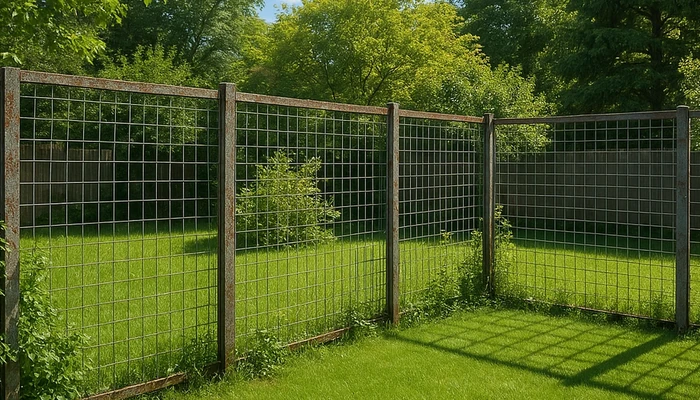
Wire mesh fence panels—often called chain link, welded mesh, or cyclone fences—are made by weaving or welding steel wires into a grid-like pattern. Panels are attached to posts using strong fasteners and may be galvanized, vinyl-coated, or powder-coated for extra protection. They are known for their combination of strength, flexibility and visibility, making them a popular choice for residential, commercial and industrial settings.
- Galvanized steel is the most common base material, offering good corrosion resistance.
- Welded wire panels usually provide enhanced rigidity and are often used for high-security or decorative applications.
- Chain link panels balance affordability with reliable performance.
- Coatings such as vinyl or powder add color and extra weather protection.
Key Factors That Affect Durability
Several variables determine how long a wire mesh fence will last on your property:
- Material Quality: Higher gauge (thicker) wires and quality coatings resist rust, sagging and impact.
- Environmental Exposure: In Chicago’s fluctuating weather, snow, ice and salt spray can accelerate corrosion if protection is lacking.
- Installation Standards: Professional installation (correct post depth, tensioning, drainage) prevents premature leaning and wear.
- Maintenance: Regular inspections and prompt minor repairs extend lifespan and preserve security.
- Purpose & Use: Fences installed in high-traffic environments or exposed to rough use may require heavier-duty materials.
Comparing Wire Mesh Fence Construction Methods
| Type | Lifespan Estimate | Best For | Main Pros | Common Cons |
|---|---|---|---|---|
| Chain Link (Galvanized) | 15-30 years | Backyards, sports areas, general security | Affordable, low-maintenance, flexible | Industrial look, risk of corrosion at cuts |
| Welded Wire (Galvanized or Coated) | 20-35 years | Pet enclosures, gardens, high-security | Stiff, customizable patterns, improved appearance | Higher cost, harder repairs |
| Vinyl-Coated Mesh | 20-40 years | Decor, pool areas, visible fencing | UV resistance, smoother touch, color options | Coating can chip/puncture if abused |
How Climate and Location Affect Wire Mesh Fence Panels in Chicago
Chicago’s climate presents unique durability challenges:
- Heavy snow may create pressure on lower panels and posts.
- Rapid temperature changes can cause expansion/contraction, loosening fasteners over time.
- Winter salting near driveways can accelerate corrosion on exposed wire ends.
- Frequent rain leads to standing water, which—without proper grading—may rot posts or weaken panel anchoring.
For a deep dive on selecting climate-appropriate fence materials, see Choosing the Best Fence Materials Based on Climate.
Understanding Coatings and Corrosion Protection
Wire mesh fence durability hinges on its finish. The most common protective treatments are:
- Galvanization: Steel wires are coated in zinc to resist rust. Hot-dip galvanization is the industry standard, creating thicker layers than electro-galvanization.
- PVC/Vinyl Coating: Applying a colored plastic coating over galvanized mesh adds weather and UV resistance—plus aesthetic flexibility.
- Pain/Powder Coating: Offers a durable finish that resists chips and scratches.
Always verify coating thickness and warranty with your fence contractor.
Strength, Security and Panel Sizing
Wire mesh panels come in different wire gauges and aperture (opening) sizes. Thicker wires and smaller openings increase structural strength and tamper resistance. Common gauges for residential fences range from 11.5 (thinner) to 9 (thicker), while commercial/industrial settings may use 6 or 8 gauge.
Panel height and mesh size should be chosen based on your intended function—security, pet containment, privacy or property boundary. For more on security choices, read Ultimate Security Wire Mesh Fence.
Real-World Pros and Cons of Wire Mesh Fence Panels
- Pros: Affordability, quick installation, visibility, minimal maintenance, flexible uses, high wind resistance.
- Cons: Less privacy than solid fences, requires precise installation to avoid sagging, prone to surface rust if the coating is damaged.
Want to see more creative ways to use mesh fencing? Visit Creative Wire Mesh Fence Designs.
Longevity in Practice: What to Expect for Chicago Area Fences
With quality materials and professional installation, a wire mesh fence panel in Chicago, Illinois can reasonably last 20 years or more. Key tips for maximum lifespan:
- Choose panels with heavy galvanization or vinyl coating.
- Fasteners and posts should be equally protected against corrosion.
- Maintain a clear area around the base—avoid piling mulch or leaves, which trap moisture.
- Conduct yearly inspections, tightening or replacing loose ties or posts.
For a deep dive on protection strategies, review Wire Mesh Fence Protection.
Common Maintenance Practices for Wire Mesh Fence Panels
- Remove debris and plant growth from panels and posts.
- Clean with mild soap and water to keep coatings intact.
- Touch up scratches or chips using manufacturer-recommended products.
- After major storms, check for leaning, loose anchors or surface damage.
- Promptly re-tension sagging panels to maintain security and appearance.
For a step-by-step resource, see Preventive Maintenance for Wire Fences.
Safety and Code Considerations
In Chicago, fence installation must meet municipal building codes and (when applicable) HOA requirements. Some key local considerations are:
- Maximum fence heights differ by zoning (front vs. rear yards, residential vs. commercial).
- Required distance from property lines or sidewalks.
- Pool fencing and security enclosures must meet specific standards for tamper resistance and self-closing gates.
Always consult the relevant codes—and work with licensed professionals—to avoid costly violations. For code guidance, you can also review general standards via organizations such as AMPP.
How Wire Mesh Panels Compare to Other Fencing Options
| Fence Type | Avg. Lifespan | Relative Cost | Maintenance | Privacy |
|---|---|---|---|---|
| Wire Mesh/Chain Link | 20–35 years | Low | Low | Low to Moderate (with slats) |
| Wood (Pressure Treated) | 12–18 years | Moderate | Moderate-High | High |
| Vinyl | 20–30 years | High | Low | High |
| Wrought Iron | 30+ years | High | High | Moderate |
Read more about wood fence durability at Crafting a Durable Lumber Fence or compare vinyl and aluminum options at Vinyl Fence Installation in Chicago.
Realistic Expectations: What Wire Mesh Fencing Can (and Can’t) Do
- Offers strong perimeter security for most homes and businesses.
- Can be customized with privacy slats, decorative elements and secure gates.
- Not intended to serve as a total privacy solution unless combined with add-ons.
- Even the best materials will require maintenance over time due to Chicago’s climate.
Your project’s longevity starts with honest planning and selection. For a free expert assessment, request a fence estimate from our local specialists.
FAQs: The Durability of Wire Mesh Fence Panels
- How long do wire mesh fence panels last in Chicago?
With proper materials and installation, expect 20 to 30 years, depending on exposure, maintenance and fence quality.
- What’s the most durable type of wire mesh panel?
Welded wire with a hot-dip galvanized or vinyl coating offers the best longevity and rust resistance.
- Can damaged mesh panels be repaired?
Yes. Bent or broken wires can sometimes be straightened or patched, but significant damage may require panel replacement for security.
- Is rust inevitable?
Surface rust can develop if the protective coating is breached, especially near the base. Quick repair/touch-up can prevent spreading.
- Do wire mesh fences require seasonal maintenance?
Yes, spring and fall inspections are recommended—especially after storms or heavy snow—to address tension, fastener tightness, and early corrosion.
- What gauge wire should I select?
For typical residential use, 9-11 gauge is sufficient. For high-security or commercial use, 6-8 gauge is recommended.
- Are wire mesh fences suitable for pets?
Yes, especially welded mesh; ensure aperture is small enough to prevent escape. For dog safety guidance, see Are Chain Fences Safe for Pets?.
- How can I improve privacy with wire mesh fencing?
Privacy slats, mesh screens, or climbing plants can be added to increase visual barriers. See Creative Link Fence Designs for inspiration.
- What if my property has challenging terrain?
Good installers use stepped or sloped panels, deeper-set posts and heavy-duty anchors for hillside, rocky or uneven ground.
- Should I install wire mesh fencing myself?
DIY is possible for smaller, simple runs. For large projects, gates or security needs, professional installation is recommended for code compliance and durability. For guidance, read Effective Methods to Install Wire Mesh Fences.
Conclusion: Making the Smart Choice for Durable Fencing
Wire mesh fence panels deliver robust security, flexibility and reliable value when chosen and maintained wisely. With so many options for materials, coatings and designs, partnering with an experienced Chicago-area team like Chicagoland Fence Pros ensures you plan for local codes, climate and your specific goals. Take the time to review your priorities, inspect your property and consult with professionals before making an investment.
If you’re considering a new fence or an upgrade, contact Chicagoland Fence Pros to discuss the most durable options for your situation.
About Chicagoland Fence Pros
Chicagoland Fence Pros is a professional fence company with over 15 years of experience installing and maintaining residential and commercial fencing in Chicago, Illinois and nearby areas. Our team specializes in wood, vinyl, aluminum, steel and custom wire mesh solutions—always code-compliant, insured and focused on long-term durability and value for each property we serve.
fence contractor in the city of chicago, residential fence near me, residential fences chicago, residential backyard fence North Edgebrook, residential fences Libertyville, privacy residential fence Wood Dale, pool fence Grayslake, residential backyard fence Winnetka, residential fence replacement Elgin, residential backyard fence Spring Grove