
Enhance Your Property with Vinyl Fencing: A Complete Guide for Homeowners and Property Managers
Enhancing your property’s appearance and security can be a challenging decision—especially when you’re faced with a range of fence materials and installation options. Vinyl fencing is quickly becoming a top choice for many homeowners and property managers, combining durability, versatility, and low maintenance demands. Whether your priority is privacy, curb appeal, or cost-effective long-term solutions, understanding how to enhance your property with vinyl fencing can make your investment worthwhile. In this comprehensive guide, we’ll break down the essentials of modern vinyl fencing, answer key questions, and share practical advice to help you make an informed decision that aligns with your needs. You’ll also discover how experts like Chicagoland Fence Pros approach vinyl fencing projects in the Chicago, Illinois area for outstanding results.
Understanding Vinyl Fencing: What Sets It Apart?
Vinyl fencing, made from polyvinyl chloride (PVC), stands out for its ability to withstand harsh weather, resist pests, and remain visually appealing with minimal upkeep. Unlike wood or metal options, vinyl does not rot, warp, or require regular painting.
- Durability: Vinyl resists common issues that affect other materials, such as corrosion and insect damage.
- Variety: Available in many colors, textures, and styles, from classic white privacy fences to decorative picket designs.
- Low maintenance: Easy to clean—usually only requiring occasional rinsing with a garden hose.
- Safety: Smooth edges and sturdy panels create a safe environment for families and pets.
Comparing Vinyl to Other Fencing Materials
How does vinyl stack up against wood, metal, and composite fences? Explore this quick comparison:
| Material | Maintenance | Durability | Style Options | Cost Range |
|---|---|---|---|---|
| Vinyl | Very low | 20–30 years | High | $$ |
| Wood | High | 10–15 years | High | $–$$$ |
| Aluminum | Low | 20–30 years | Medium | $$–$$$ |
| Chain Link | Medium | 15–20 years | Low | $ |
| Composite | Low | 25+ years | High | $$$ |
Vinyl offers a strong balance of longevity, cosmetic flexibility, and convenience. For a deep dive into how vinyl compares to wood, visit our comparison of vinyl vs. wooden fences.
Popular Styles and Applications of Vinyl Fencing
Vinyl fencing is suitable for a broad spectrum of properties and design objectives. Here are the most common types:
- Privacy fences: Solid panels block sight lines, ideal for backyards and side yards seeking seclusion.
- Picket fences: Classic look—great for front yards and gardens.
- Ranch rail: Split-rail or three-rail styles for rural aesthetics.
- Decorative designs: Lattice-topped, scalloped, or contemporary panels for personalized curb appeal.
Review more creative possibilities in Creative Styles for Outdoor Vinyl Fences.
Advantages and Drawbacks of Vinyl Fencing
Pros
- Long-lasting, typically outperforms wood in Midwest climates
- Resistant to moisture, rot, and pests
- Maintains its color and finish for years
- No painting or staining required
- Safe, with few sharp edges
Potential Trade-Offs
- Upfront cost is often higher than wood
- Less eco-friendly to manufacture and recycle compared to some materials
- May be difficult to repair if a panel becomes damaged
Chicagoland Fence Pros helps customers weigh these trade-offs based on local weather, building codes, and long-term value.
Maintenance and Longevity: Realistic Expectations
One of the strongest appeals of vinyl fencing is its low maintenance. In the Chicago, Illinois area, weather shifts can take a toll on other materials. Vinyl, however, only needs occasional cleaning and periodic inspections. For stains or mildew, a gentle soap and water solution usually suffices.
Inspecting posts and panels annually can help catch rare issues like impact cracks early. For more detailed tips, see Easy Tips for Cleaning and Caring for Vinyl Fences.
Cost Considerations: What to Expect
Vinyl fencing costs vary based on style, panel height, thickness, and local installation complexities. In general:
- Average per-foot cost: $25–$40 for standard panels (installation included)
- Upgrades, custom colors, or ornate tops may increase price
- Long-term savings: minimal repair and maintenance spend over years
Get a clear understanding of price factors in our Affordable Vinyl Fence Cost Guide.
Selecting the Right Vinyl Fence: A Step-by-Step Checklist
- Clarify Your Goals: Privacy, security, style, or a combination?
- Confirm Local Rules: Review HOA guidelines and city building codes specific to Chicago, Illinois, before installing.
- Measure Your Property: Accurate lengths and slopes ensure correct material ordering.
- Explore Color & Design Options: Choose shades and finishes that complement your home and landscaping.
- Assess Gate Needs: Plan for pedestrian and vehicle access with secure locking options.
- Budget Realistically: Consider initial investment versus long-term value.
- Hire a Reputable Contractor: Look for experience, licensing, and transparent quoting. Chicagoland Fence Pros meets these criteria and can help navigate unique Chicago weather needs.
Integrating Technology and Security Features
Modern vinyl fences can incorporate features like smart locks, lighting, and even security cameras. Learn more about security options through approved industry resources like ACE – Association for Materials Protection and Performance, which covers guidance for perimeter protection solutions.
Special Considerations for Chicago, Illinois Area
From our experience as a fence company in Chicago, Illinois, selecting the correct posts and wind-rated panels is crucial for long-term durability. Freeze-thaw cycles and local soil shifts require code-compliant installation methods and anchoring. Always consult local building authorities and be sure your contractor understands unique Midwest challenges. For commercial needs, see our commercial fencing solutions for a coordinated perimeter approach.
Combining Vinyl with Other Materials
Some property owners like to pair vinyl panels with stone pillars, wood accents, or metal gates. This can offer the best of all worlds in terms of looks and strength. Read more in Combining Vinyl Fences with Other Materials.
Vinyl Fencing and Sustainable Choices
While traditional vinyl is not biodegradable, new manufacturing methods can reduce environmental impact. For those prioritizing sustainability, explore panels made from recycled PVC or inquire about eco-friendly alternatives.
Frequently Asked Questions (FAQ) About Vinyl Fencing
- How long does vinyl fencing last?
Well-installed vinyl fences can last between 20–30 years, especially in climates like Chicago, Illinois, where they resist rot and rust.
- Is vinyl fencing suitable for pets?
Yes. Smooth surfaces and strong panels keep pets secure and minimize climbing or escape opportunities.
- Can I install a vinyl fence myself?
DIY is possible, but correct installation is key to long-term success, especially in regions with harsh winters or shifting soils. Consider consulting professionals for proper post setting and alignment.
- What colors and textures are available?
Vinyl fences come in a wide palette—including whites, tans, grays, and woodgrains. Custom finishes are available from many manufacturers.
- How should I clean my vinyl fence?
A garden hose is often sufficient; mild soap and water tackle stubborn dirt or mildew. Avoid harsh abrasives.
- Do vinyl fences fade over time?
Quality panels are treated with UV inhibitors to maintain their color for years. Minor fading is possible but generally unnoticeable.
- How does vinyl handle strong winds?
Look for wind-rated products and professional installation, particularly in areas prone to storms. Deep post settings improve stability.
- Can vinyl fences be paired with gates or security features?
Absolutely—many vinyl systems offer integrated gates, smart locks, and other security enhancements. Discuss your needs with Chicagoland Fence Pros for tailored solutions.
- Is vinyl fencing safe for children?
Yes. Vinyl’s splinter-free finish and secure construction make it a great choice for play areas and yards.
- Does vinyl fencing meet Chicago, Illinois building codes?
Most quality vinyl fences comply, but always confirm local requirements before installation. Your contractor should handle permitting and inspections.
Conclusion: Move Forward with Confidence in Your Vinyl Fencing Choice
Vinyl fencing continues to gain popularity thanks to its blend of strength, style, and ease of upkeep. For homeowners and property managers in the Chicago, Illinois area, it’s a solution that balances practicality with attractive design. If you’re ready to enhance your property with vinyl fencing—or still gathering information—review our Guide to Choosing Vinyl Fencing With Long-Term Durability or request a fence estimate for more details. For personalized advice or code-compliant installation, talk to our fence specialists today.
Want to explore advanced technology for your security fence? The Galvanized Steel in Public Transit resource offers further insights applicable to high-security applications and modern perimeter design.
About Chicagoland Fence Pros
Chicagoland Fence Pros has over 15 years of experience installing vinyl, wood, aluminum, and steel fences throughout Chicago, Illinois and surrounding communities. Our team specializes in residential and commercial fencing projects, prioritizing security, privacy, and code compliance. Fully licensed and insured, we provide honest advice, transparent quotes, and expert workmanship, ensuring every client’s needs are met with care and professionalism.
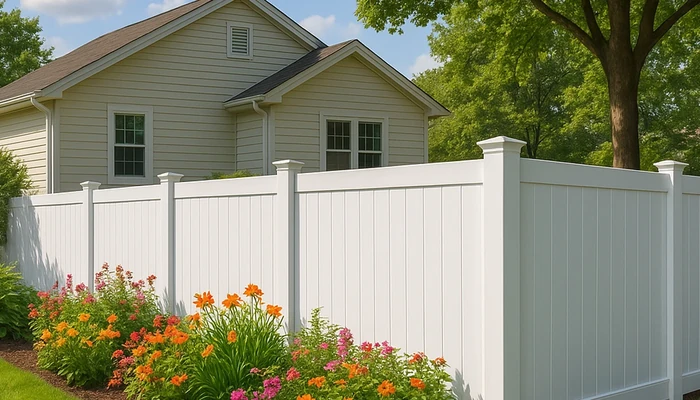
fence builder chicago, vinyl fencing, vinyl fence chicago, vinyl fence replacement Palatine, vinyl fence St Charles, vinyl fence styles Villa Park, vinyl fence replacement Lombard, vinyl fence Morton Grove, vinyl fencing Edison Park, vinyl fence Oak Lawn