 Skip to content
Sustainability in Commercial Fencing: Eco-Friendly Choices Guide
As eco-consciousness rises and environmental responsibility becomes a core value for today’s property owners, many homeowners and property managers in Chicago, Illinois are now asking important questions about sustainable fencing options. Navigating sustainability in commercial fencing: eco-friendly choices can be challenging, especially with a wide variety of materials, certifications, and maintenance practices to consider. Choosing greener fence solutions is about more than appearances—it’s about protecting property, meeting regulations, and shrinking your environmental footprint. In this comprehensive guide, we’ll break down the reality behind eco-friendly fencing, what materials are truly sustainable, how to balance security and green goals, and what matters most when planning your next fencing project. By the end, you’ll be equipped with the clarity you need to make responsible, informed decisions for your property and the environment. At Chicagoland Fence Pros, we’ve helped clients navigate these choices for years, and we’re here to share our expertise.
Why Sustainability Matters in Commercial Fencing
Commercial and multi-family developments often require substantial fencing solutions for security, privacy, and code compliance. With such large-scale installations, even small improvements in sustainability can have a significant, positive impact. Eco-friendly fencing not only helps reduce landfill waste, carbon emissions, and the use of hazardous chemicals, but can also lead to cost savings over time, improved reputation, and easier compliance with green building standards and LEED credits.
- Reducing environmental impact by selecting recycled, renewable, or low-impact materials
- Supporting local ecosystems through responsible sourcing and installation
- Fulfilling client, tenant, or community expectations for green practices
- Meeting regulatory requirements that are increasingly focused on sustainability
In Chicago, Illinois, as green construction trends continue to rise, sustainable fencing is a future-proof investment.
Eco-Friendly Fencing Materials Explained
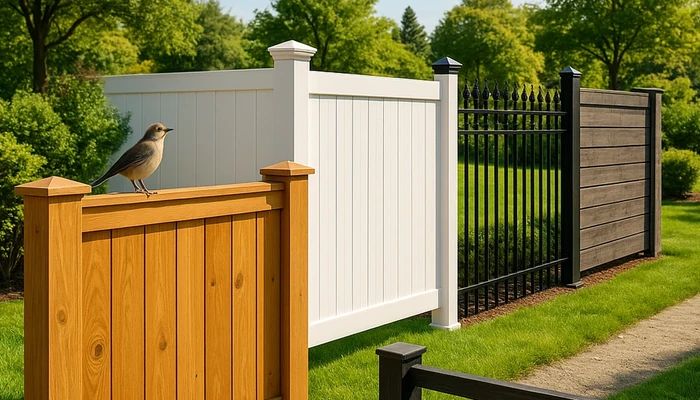
The heart of sustainability in commercial fencing is material selection. Each fencing type has unique pros, cons, and environmental considerations. Let’s take a closer look at the most common options:
Recycled Metal Fences
Steel and aluminum fences are renowned for strength and security. Opting for recycled-content metal can dramatically lower the environmental footprint. Many metal fences are made with post-consumer recycled materials. They’re fully recyclable at end of life. Proper coatings (such as galvanization) help prevent rust and prolong lifespan. See industry standards at the American Fence Association.
- Advantages: Durability, long lifespan, high security, low maintenance needs
- Considerations: Energy-intensive to manufacture (unless recycled), upfront cost
Wood: Sourced Sustainably
Wood remains a classic for natural aesthetics and privacy. The sustainability of wood fencing depends on sourcing and treatment:
- Certified wood (FSC or similar): Comes from responsibly managed forests
- Local species: Reduce transportation impacts
- Non-toxic treatments: Avoids harsh chemicals that can leach into soil
Woods like cedar and redwood naturally resist decay, while treated pine is more affordable but may have greater environmental impact.
Composite and Recycled Plastic Fences
Composites blend recycled wood fibers and plastics, creating boards that mimic wood’s appearance but last longer and require less maintenance. Fully recycled plastic (HDPE or similar) fences are another durable, low-maintenance choice—ideal for perimeter security and utility areas. Many available products divert tons of plastic waste from landfills each year.
- Advantages: Resistant to moisture, rot, insects, and fading; very low upkeep
- Trade-offs: Sometimes higher upfront cost; appearance can be less “natural” than real wood; manufacturing processes differ in sustainability
Vinyl Fencing: Evaluating the Eco-Claims
Vinyl/PVC fences are popular for minimal upkeep, durability, and a sleek look. Green claims depend on recycled content and responsible manufacturing. Some vinyl products contain recycled PVC and are themselves recyclable. Look for manufacturers that disclose their eco practices.
Other Eco-Conscious Options
- Bamboo (fast-growing but requires long-distance shipping in Chicago area)
- Gabion walls (wire cages filled with recycled stones or concrete)
- Living fences (using hedges or climbing vines for privacy and habitat support)
Comparing Eco-Friendly Fencing Materials
| Material | Eco-Benefits | Lifespan | Maintenance | Notes |
|---|---|---|---|---|
| Recycled Steel/Aluminum | Fully recyclable, often made with recycled content | 30–50 years | Low | May require periodic rust protection (see best practices) |
| Sustainably Sourced Wood | Renewable, biodegradable | 15–25 years | Moderate | Look for certifications and eco-friendly sealants |
| Composite/Recycled Plastic | Diverts plastic waste, long-lasting | 25–40 years | Very low | Upfront cost can be higher |
| Vinyl | Some recyclable/recycled options | 20–30 years | Very low | Research eco-credentials of manufacturers |
Ecodesign and Smart Planning
Sustainability isn’t just about materials. The right planning, design, and installation amplify environmental benefits:
- Right-sizing: Plan fences to the minimum necessary size/scope
- Materials optimization: Minimize waste by careful measurements and modular designs
Read more about modular fence design - Local landscape fit: Integrate fences with existing topography and vegetation to prevent erosion and habitat loss
- Reuse and refurbish: Repurposing panels or posts where possible saves resources
Eco-Friendly Installation and Maintenance Practices
How a fence is installed and maintained can make as much impact as the material itself:
- Use low-impact foundations (e.g., driven posts instead of concrete footers when possible)
- Choose non-toxic stains, paints, and sealants for wood fences
- Implement maintenance that extends longevity (cleaning, minor repairs, timely replacement of small parts)
- Dispose of old or damaged fences responsibly—recycle metal and plastic, repurpose wood
Sustainable strategies also include regular inspections and addressing potential corrosion with best-in-class coatings—see maintenance advice from industry authorities like American Fence Association.
Balancing Security and Sustainability
A key question for commercial properties is how to meet rigorous security requirements with eco-friendly fencing:
- Recycled metal fences: Provide both high security and environmental benefits (ideal for perimeters, entrances, and utility areas)
- Composite and recycled plastic: Are robust and effective for privacy, employee spaces, or schools
- Multi-layer approaches: Security can be enhanced by combining solid fences with vegetation or electronic monitoring
For sites with special risks, integrating fence selection with security systems and consulting experts is highly recommended.
Understanding Green Certifications and Regulations
Sustainable fencing choices are often guided by certification standards. Some to consider include:
- Forest Stewardship Council (FSC): Certifies sustainably managed wood
- LEED (Leadership in Energy and Environmental Design): Projects can earn points for using recycled content, regional materials, and responsible practices
- Corporate or ESG goals for green construction may also set standards
Homeowners and property managers should always check local Chicago, Illinois building codes and HOA guidelines to confirm if eco-friendly materials are allowed. For more, see legal requirements for commercial fencing.
Realistic Expectations: Upfront Costs and Long-Term Savings
Eco-friendly materials can come with higher upfront costs, especially when choosing certified wood, composites, or custom recycled metal designs. However, long-term savings in maintenance and replacement—as well as potential utility, insurance, or LEED point incentives—often offset the investment.
- Factor in total lifecycle costs, not just initial price
- Many green fences require less frequent painting, sealing, or part replacement
- Some insurers reward green building features with reduced premiums
Always request clear, itemized quotes and ask about the environmental credentials of any fencing product. For transparent estimates, contact our team for a fence estimate.
Common Sustainability Challenges in Chicago, Illinois
From our experience as a fence company in Chicago, Illinois, the Midwest climate presents unique sustainability challenges:
- Freeze/thaw cycles: Can crack or shift concrete and wood posts; select materials accordingly
- Snow and salt: Accelerate metal corrosion—quality coatings and regular maintenance are a must
- Urban density: Sometimes limits options for living fences or natural privacy barriers
It’s always best to discuss site-specific issues and long-term plans with experienced fence professionals.
Inspiring Sustainable Fencing Case Studies
Recent Chicago projects show how eco-friendly choices can align with aesthetics and function:
- Corporate campus: Used recycled steel for perimeter, paired with native hedges to support local pollinators
- Multi-family housing: Blended composite and sustainably sourced wood for privacy plus curb appeal
- School renovation: Chose vinyl fencing with recycled content for safe, low-maintenance play areas
For more on how fencing choices affect design and value, read about the business impact of commercial fences.
Guide to Maintaining Your Eco-Friendly Fence
Extend sustainability and lifespan with proactive care:
- Regularly remove dirt, leaves, and de-icing salt
- Promptly seal exposed wood
- Touch up coatings on metal fences as needed
- Inspect for damage after storms or freeze-thaw cycles
More on this topic: Maintain your commercial fence.
Frequently Asked Questions About Eco-Friendly Commercial Fencing
What is the most sustainable fencing material for commercial use?
Materials made from recycled metal or composite/recycled plastic tend to offer the greatest sustainability over their lifespan. Choose options with verifiable recycled content and ensure they are locally available in the Chicago, Illinois area.
Are wood fences environmentally friendly?
Wood can be sustainable if it is certified (FSC or similar), sourced locally, and treated with non-toxic products. Regular maintenance is required to maximize longevity and eco-benefits.
What should I ask my fence contractor about green practices?
Ask about product sources (recycled content, certifications), installation techniques (minimizing waste, non-toxic finishes), recycling old materials, and disposal practices. Transparent contractors will be happy to answer.
Does sustainable fencing comply with Chicago building codes?
Most eco-friendly materials are compliant if properly specified. Always check city codes and HOA requirements before finalizing plans. For regulatory guidance, see our post on legal requirements.
How does fence maintenance affect sustainability?
Regular, gentle maintenance (cleaning, spot repairs) extends fence life, reducing need for full replacement. Sustainable materials often require less maintenance overall.
Can I recycle an old commercial fence?
Most metal, composite, or plastic fences can be recycled. Old wood can sometimes be repurposed or composted, depending on treatment. Ask your contractor for eco-friendly disposal or recycling options.
Do green fences cost more upfront?
Sustainable materials like composites or recycled metal sometimes have higher initial costs, but they often save money on maintenance, replacement, and may qualify for green building incentives.
Is it possible to have a living fence on a commercial property?
Yes, with the right space and design. Living fences (such as hedges or vertical gardens) provide habitat, filter pollution, and increase property appeal, but may require more upkeep in urban Chicago environments.
What if harsh winters damage my eco-friendly fence?
Choose materials and designs proven to withstand Midwest winter cycles. Maintain coatings, inspect regularly, and design for proper drainage. Chicagoland Fence Pros can help select and maintain winter-resistant options.
Ready to Plan Your Sustainable Fence?
Eco-friendly commercial fencing is possible with the right knowledge, materials, and planning. From recycled metals to low-impact installation and proactive maintenance, you can balance security, privacy, and environmental responsibility. Want tailored advice for your Chicago, Illinois property or need a code-compliant, green fence installed? Talk to our fence specialists for an honest, transparent estimate. For design inspiration, visit our post on boosting curb appeal with commercial fencing.
If you are ready to explore more durable and sustainable solutions, discover our wood fence options or explore composite fencing solutions suited for Chicago, Illinois properties.
About Chicagoland Fence Pros
Chicagoland Fence Pros is a professional fence company with over 15 years of experience serving homeowners, property managers, and businesses throughout Chicago, Illinois and surrounding communities. Specializing in wood, vinyl, aluminum, steel, and composite fencing for both residential and commercial projects, our team is dedicated to expert education, transparent estimates, and code-compliant installations. Chicagoland Fence Pros is fully licensed and insured, bringing practical solutions and reliable service to every project, climate, and client.
fence contractor chicago il, Commercial Fence, Installatio, fence commercial Long Grove, business fence Winnetka, industrial fence Maywood, industrial fence Lincolnwood, industrial fence Grayslake, access control fence East Ravenswood, industrial fencing Gurnee
