 Skip to content
Gates and Access: Maximizing Security with Chain Link Fences
Choosing the right fence isn’t just about marking boundaries—it’s about securing your property, managing who comes in and out, and ensuring long-term value. For many homeowners and property managers, chain link fencing offers a practical blend of affordability, durability, and security. Yet, even the best fence needs strong, well-designed gates and access points to do its job. In this in-depth guide to Gates and Access: Maximizing Security with Chain Link, we’ll break down everything you need to know about selecting, installing, and maintaining secure fence entrances. By reading on, you’ll learn why gates are often the weakest link, what features matter most, how to avoid common mistakes, and when it pays to consult seasoned professionals like Chicagoland Fence Pros. Whether you’re new to fencing or looking to upgrade your property in the Chicago, Illinois area, you’ll find practical advice and clear answers here.
Understanding Chain Link Gates: Why Access Points Matter Most
While the chain link mesh provides a visible and sturdy barrier, gates and access points are where most breaches and maintenance issues occur. Let’s explore why these elements deserve special attention when designing a secure perimeter.
- Primary Entry and Exit: Gates are where people, vehicles, and sometimes pets move through your fence. Their strength and placement affect safety, convenience, and control.
- Target for Intrusions: Weak or poorly secured gates are usually the first places unauthorized individuals attempt to enter.
- Code Compliance: Building regulations often specify requirements for gate operation, size, hardware, and emergency access.
- Long-Term Performance: Gates endure more use and wear than stationary fence sections, demanding careful selection and regular upkeep.
Types of Chain Link Gates: Find the Right Solution
Before choosing a gate, it’s essential to understand your property’s needs and the types available. Below are the main categories of chain link gates and how they differ:
| Gate Type | Best For | Key Advantages |
|---|---|---|
| Single Swing Gate | Pedestrian access, walkways | Simple, cost-effective, easy to operate |
| Double Swing Gate | Driveways, wide openings | Accommodates vehicles, balanced look |
| Sliding Gate | Limited space, commercial settings | Space-saving, smooth movement |
| Rolling/Overhead Gate | Industrial, heavy-duty areas | High security, supports automation |
- Single Swing Gates: Ideal for small openings, garden paths, or side yards. They pivot on one side and are easy for DIYers to install and maintain.
- Double Swing Gates: Popular for residential driveways or larger walkways. Two leaves swing open, offering a wider entrance and smoother access for vehicles.
- Sliding and Cantilever Gates: Useful where space restricts swing gates, such as along busy alleys or tight driveways. Cantilever gates, which run on rollers above ground, are less prone to jamming in snow—an important factor in the Chicago climate.
- Rolling and Overhead Gates: Found in industrial settings where high frequency and reliable security are necessary.
For more in-depth inspiration on chain link gate designs and where each style excels, see this collection of design inspirations.
Essential Security Features for Chain Link Gates
When security is priority number one, focus on these features for peace of mind:
- Heavy-Gauge Materials: Strong, galvanized steel frames and mesh help resist tampering. Mesh size and wire gauge matter—a tighter mesh and thicker wire deter climbing and cutting.
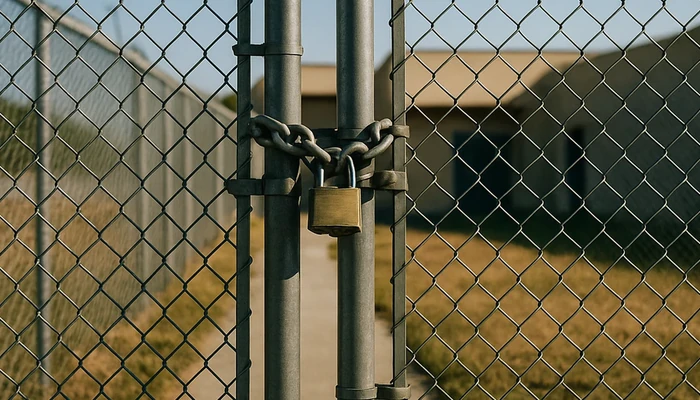
- Secure Latches and Locks: Invest in lockable, tamper-resistant latches. Consider keyed latches for pedestrian gates, and robust padlocks or automated locking systems for vehicle entrances.
- Proper Hinge and Post Placement: Reinforced posts with concrete footings prevent sagging and forced entry. Wide gates need extra bracing and secure anchoring.
- Barbed Wire or Top Rail Additions: For high-security sites, adding barbed or razor wire above the gate raises the barrier, making scaling much more difficult. Tips for improving chain link fence security offer practical add-ons.
- Access Control: Install electronic keypads, card readers, or remote controls for frequent users, especially in multifamily or commercial properties. Learn more about automatic gate solutions.
- Visibility and Lighting: Well-lit approaches allow for easier monitoring and reduce the chances of unwanted access after dark.
Security upgrades should always fit the property’s risk level and compliance needs—be sure to verify local regulations and HOA guidelines.
Materials, Coatings, and Component Choices
Chain link gate durability depends on high-quality materials and smart specifications. Here’s what to weigh:
- Galvanization: Most modern chain link gates are hot-dip galvanized to prevent rust. To see why zinc is critical for corrosion resistance, check out this guide from the American Galvanizers Association.
- Vinyl Coating: Vinyl-coated chain link gates offer protection from the elements and come in colors (such as black or green) to match landscaping or local regulations. Learn more about style choices in color options for chain link fences.
- Framework: Posts and rails should be thick-gauge steel, preferably with galvanized or powder-coated finishes. Post size, spacing, and depth affect gate strength.
- Gate Hardware: Use commercial-grade hinges, latches, drop rods, and wheels when gates are large or see heavy use. For details about proper hardware and replacement, see this essential guide to chain link parts.
Material selection should always balance upfront budget with expected lifespan and climate resilience—especially in areas like Chicago, where salt, rain, and snow accelerate corrosion.
Placement, Sizing, and Layout: Getting It Right the First Time
A secure gate starts with proper sizing and positioning. Key layout considerations include:
- Gate Width: Pedestrian gates typically range from 3 to 6 feet, while driveways may need 10–20 feet. Always measure twice; too-narrow gates risk damage, while oversized gates may sag.
- Clearance and Swing: Allow space for doors to open fully without obstruction. Sliding gates need adequate runout room.
- Slope and Drainage: Uneven ground may require special hardware or gate adjustments. Prevent water or snow from jamming gates.
- Accessibility: Ensure gates meet ADA or other accessibility standards when relevant, and always provide emergency access as required by local codes.
When in doubt, it’s smart to consult a local expert familiar with Chicago building codes and site-specific challenges.
Professional Installation vs. DIY: What’s at Stake?
Installing or upgrading a chain link gate appears straightforward, but mistakes can compromise both security and longevity. Here’s a realistic take:
- DIY Advantages: Lower upfront cost for simple, pedestrian gates on flat ground.
- Professional Advantages: Pros bring specialized tools, experience in setting posts below the frost line, and knowledge of building codes—a must for vehicle gates or commercial properties in Chicago, Illinois.
- Common Mistakes: Improper post setting (leading to sagging), mismatched hardware, inadequate clearance, and missing permit requirements. These can result in costly rework or code violations.
Many Chicagoland property owners start DIY, then turn to professionals for automated or heavy-duty gates. Interested in a tailored quote? Request a fence estimate from experienced local specialists.
Maintenance and Upkeep: Keeping Gates Secure Over Time
Like any moving part, chain link gates benefit from regular care. Here’s what to expect and schedule:
- Check latches, hinges, and hardware for rust or misalignment every 6–12 months.
- Oil moving parts to reduce wear and squeaks.
- Ensure posts remain firmly anchored, especially after deep freezes or flooding.
- Look for mesh cuts or signs of tampering, addressing security risks promptly.
- Clean vinyl-coating or painted surfaces with mild soap and water to extend appearance and life.
Many homeowners in Chicago, Illinois experience gate issues in winter; regular checkups prevent headaches and keep your property safe year-round. For maintenance checklists and DIY repair steps, browse this ultimate gate guide.
Coding and Compliance Tips: What Chicago Property Owners Should Know
Building codes for fences and gates vary by city and even by neighborhood association. Typical requirements include:
- Maximum Heights: Residential and commercial codes may restrict fence and gate heights, especially in front yards or near streets. Always check before installation.
- Material Restrictions: Some districts limit use of barbed wire, certain colors, or mesh sizes.
- Self-Closing/Self-Latching: Gates protecting pools or hazardous areas must self-close and self-latch to meet safety regulations.
- Permits: Most significant installations need a permit; noncompliance can result in fines or removal orders.
In the Chicago, Illinois area, consult local government websites or Chicagoland Fence Pros for city-specific advice. Responsible property owners will find it’s better to double-check than to fix costly mistakes later.
Upgrading Security: When Do You Need Professional Help?
Some properties require advanced access control or integration with security systems. Consider professional assistance if:
- Your site needs keypad, card, or remote-controlled gates.
- You plan to integrate fencing with alarms or surveillance cameras.
- There are special accessibility or fire code requirements.
- The terrain presents unique challenges, such as high slopes or poor drainage.
Modern options for chain link gates, including smart locking systems and reinforced frames, have evolved dramatically. For the latest innovations, read about recent advancements in chain link fencing.
Realistic Expectations: Security and Trade-Offs
While chain link offers robust baseline security, it is not impenetrable. Here’s an honest look at the strengths and limitations:
- Strengths:
- Highly visible, acting as a deterrent
- Difficult to climb or cut when using small mesh and thick wire
- Affordable compared to solid materials
- Allows clear sightlines for monitoring
- Trade-Offs:
- Less privacy than wood or vinyl (privacy slats can be added)
- Advanced intruders may attempt to cut or pry open gates—use high-quality locks and welds to prevent this
- Appearance may not suit all landscaping styles without customization (see ideas here)
FAQs on Chain Link Gates and Access Security
1. How often should I inspect chain link gates for security issues?
Inspect at least twice a year or after severe weather. Check for loose hardware, rust, or signs of tampering. Annual checkups help catch problems early.
2. Can I upgrade my existing chain link gate with better locks?
Yes, most gates can be retrofitted with modern locks. For added security, choose tamper-proof hinges and latch guards. Review these tips for step-by-step suggestions.
3. Which is more secure: a swing gate or a sliding gate?
Both can be very secure if installed correctly, but sliding or cantilever gates are harder to force open and work well in high-traffic areas. Factor in space and site demands.
4. Do I need a permit to install a new gate in Chicago, Illinois?
Most substantial fences and gates require a permit within city limits or in certain suburbs. Always check with local authorities or consult Chicagoland Fence Pros for guidance.
5. How long do chain link gates typically last?
With regular upkeep and high-quality materials, they often last 15–20 years. Harsh winters may shorten life if maintenance is skipped—read more on this at chain link fence weather resistance.
6. Are automated gates worth the extra cost?
For commercial or high-traffic properties, yes. Automation improves convenience and restricts access to approved users. Homeowners may choose automation for added security and comfort—learn more at our automatic gate solutions page.
7. Can chain link gates be painted or customized?
Yes, though most are galvanized or vinyl-coated for weather protection. Custom panel inserts and privacy slats are common upgrades—see creative options here.
8. What’s the difference between domestic and imported gate hardware?
Domestic hardware typically meets higher quality and code standards. Consider American-made hinges and locks for long-term dependability, especially with frequent use.
9. Are chain link gates suitable for animal containment?
Yes, when using small-mesh fabric and secure latches. See specialized advice in our animal protection fencing guide.
10. Where can I find more details about the chemicals used in chain link fencing?
For technical information about galvanization materials like zinc, consult the NIST Chemistry WebBook.
Conclusion: Take the Next Step Toward Secure, Reliable Access
Chain link gates are a critical component of any secure fence system. Choosing the right design, materials, and security features—and keeping them well maintained—can significantly increase both the safety and value of your property. Homeowners and property managers in Chicago, Illinois benefit from understanding their options, local codes, and when to call in experts for lasting results. When you’re ready for honest, expert advice, talk to our fence specialists for tailored recommendations and a clear, no-pressure process.
About Chicagoland Fence Pros
Chicagoland Fence Pros has over 15 years of hands-on experience installing, repairing, and upgrading fences and access gates throughout Chicago, Illinois and neighboring communities. Our team specializes in residential and commercial perimeter security, using wood, chain link, vinyl, aluminum, and steel options to fit every property’s needs. We pride ourselves on code-compliant installations, honest recommendations, and top-tier customer service. Licensed, insured, and locally trusted—Chicagoland Fence Pros gives homeowners and businesses peace of mind for years to come.
best fence company chicago, Chicago Commercial Chain Installers, chain link security fence, best chain link fences in Rolling Meadows, chain link fence in the city of Edison Park, chain link security fence Highland Park, chain link fence replacement Romeoville, chain link fences in River Forest, galvanized chain link fence Union, chain link perimeter fence Joliet
