 Skip to content
Automated Gates: Convenience and Security Guide for First-Time Fence Buyers
Choosing the right fence or gate can be an overwhelming decision for homeowners and property managers. The need to balance security, privacy, convenience, and budget often leads to confusion—especially for first-time buyers. Automated gates have emerged as a popular solution, combining robust access control, convenience, and modern technology. In this comprehensive guide, we’ll break down the essentials of automated gates: what they are, how they work, the pros and cons of different systems, real-world costs, ongoing maintenance, and important safety and code considerations. Whether you manage a property or are considering a new installation for your home, by the end you’ll gain clear, actionable insights for making a confident choice. As experienced professionals, the team at Chicagoland Fence Pros has seen how automated gates can transform the way properties in Chicago, Illinois approach perimeter security and convenience.
What Are Automated Gates? Key Definitions & Features
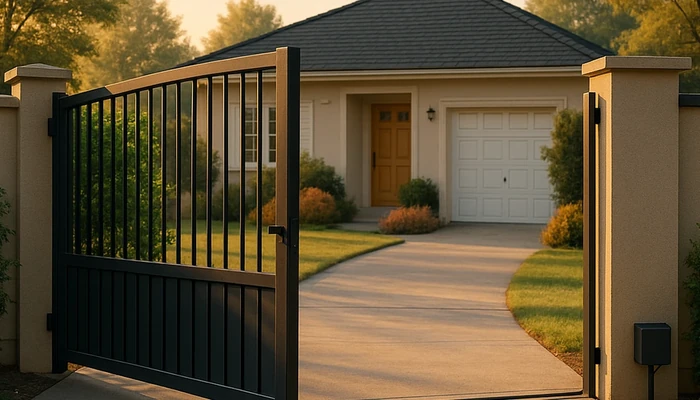
Automated gates (often called automatic or electric gates) are entry systems operated by mechanical motors, enabling secure and effortless opening and closing without manual effort. Controlled by remote transmitters, keypads, intercoms, sensors, or smartphones, these gates provide efficient access while enhancing property security and privacy. Automated gate solutions are available for both residential and commercial properties in a range of styles and materials to suit every need.
- Primary benefits: Improved access control, safety, and curb appeal.
- Main use cases: Driveway entry, parking lot access, private community entrances, business perimeters.
- Common gate types: Swing, slide, vertical lift, and bi-fold designs.
- Integration: Compatible with many security systems, including cameras and intercoms.
Main Types of Automated Gate Systems
Automated gates come in several configurations, each suited to specific settings, architecture, and budgets.
Swing Gates
Swing gates operate like traditional doors, pivoting open and closed on hinges. They are ideal for properties with ample driveway space.
- Lower cost for standard installations
- Require space for the swing arc
- Classic, elegant look
Sliding Gates
Sliding gates move along a track parallel to the fence or wall. These work well for driveways with limited depth but sufficient width.
- Great for tight spaces
- Higher initial installation cost
- Efficient in snow-prone areas (with proper design)
Vertical Lift and Rise Gates
Vertical lift gates rise upward, making them popular for commercial properties or spots where space is at a premium.
- Minimal ground footprint
- More mechanical parts—requires routine maintenance
Bi-Folding Gates
Bi-fold gates fold in the middle, reducing operating space while maintaining style.
- Faster opening time
- Good for busy entry points
| Type | Ideal For | Pros | Trade-Offs |
|---|---|---|---|
| Swing | Wide driveways | Cost-effective, stylish | Needs space to swing |
| Sliding | Narrow or sloped driveways | Space-efficient | Track needs to be kept clear |
| Vertical Lift | Commercial/limited space | Minimal ground use | Complex installation |
| Bi-Fold | Small areas, high traffic | Fast operation | Mechanically more involved |
Access Control Technology: From Remotes to Smart Integration
The core of Automated Gates: Convenience and Security lies in the access control system. Here are the most common technologies:
- Remote Transmitters: Classic garage-style remotes, easy for families and staff.
- Keypads: Secure PIN entry for residents or employees—changeable codes for added safety.
- Intercoms: Voice (and often video) entry communication, useful for guest screening.
- Card/Fob Readers: Popular in multi-residential or commercial settings for controlled distribution.
- Smartphone Apps: Integrate with smart home systems for open/close, monitoring, and notifications remotely.
- Sensors: Exit/vehicle sensors allow automatic opening for vehicles upon departure.
Many modern systems also integrate backup batteries and alerts in case of power failure, ensuring continued security.
Material Choices for Automated Gates
The gate’s performance, durability, and visual appeal heavily depend on its material selection. Below are some of the most common materials:
- Steel and Wrought Iron: Strong, long-lasting, classic look; can be intricate or modern.
- Aluminum: Lightweight, rust-resistant, and requires less maintenance than steel.
- Wood: Offers natural aesthetics and privacy, may need weatherproofing (especially for Chicago’s winters).
- Composite: Mimics wood yet provides increased durability and lower maintenance.
- Vinyl: Low-maintenance, clean look, suitable for privacy but less robust against impact.
For more on specific fence materials and their suitability for Chicago’s climate, see our wood fence overview or vinyl fence guide.
Automated Gates: Security and Privacy Advantages
Modern automated gates serve as a strong deterrent against unauthorized access, enhancing both safety and privacy for residents and property managers. With programmable access and integration into wider security systems—like surveillance cameras and alarms—these gates allow fine-tuned control over who enters the premises. For families, communities, and businesses in Chicago, Illinois, automated gates not only reduce the risk of intruders but can also be customized for additional child safety (see child safety tips).
- Logs and time-stamps entry and exit events
- Integration with visitor management for multi-unit properties
- Adjustable privacy slats and screen options
Compliance with local safety standards is an essential consideration—see official gate safety standards from the Door & Access Systems Manufacturers Association for current guidelines and best practices.
Cost Factors: Installation, Materials, and Operation
Automated gate costs can vary widely depending on materials, design, installation complexity, and technology features. Here’s what typically impacts budget:
- Gate Material and Size: Iron and steel tend to be more expensive, especially with custom designs. Wood and vinyl offer lower price points.
- Type of System: Sliding or vertical lift gates and advanced access technologies raise costs.
- Installation Location: Sloped driveways, underground wires, or limited access can increase labor costs.
- Automation Features: Smart controls, cameras, and backup batteries are additional line items.
On average, the total investment for an automated gate in the Chicago area ranges from $5,000 to $15,000+ for residential installs, and higher for commercial or custom projects. Always request a detailed estimate and compare proposals to understand exactly what’s included. For more help, request an automated gate quote from our team—we’re happy to offer insights specific to your site and requirements.
Maintenance and Longevity: Realistic Expectations
Regular maintenance is vital for extending the life and performance of any automated gate. Here are pro tips from Chicagoland Fence Pros:
- Monthly: Inspect and lubricate moving parts (hinges, rollers, tracks)
- Seasonally: Check weather seals, clean tracks, inspect for corrosion or warping (especially important in Chicago winters)
- Annually: Test backup batteries and access control systems, review all safety sensors (see NIST recommendations)
Fences and gates exposed to harsh elements may require more frequent care. Professional annual inspections help catch small issues before they lead to major repairs. For DIY maintenance checklists, consult our guide on automated gate upkeep.
Local Code, Permitting, and Compliance Considerations
Gate installation is regulated by local building codes, zoning restrictions, and sometimes HOA rules. In the Chicago, Illinois area, codes specify permitted heights, setback distances, gate swing radius, and occasionally visibility for driveway exits. Consult with your city or county permit office to ensure compliance. Also, follow industry safety standards regarding sensor placement and emergency releases.
Before installation, always:
- Check property boundaries and easements
- Confirm clearance for emergency vehicles
- Obtain written HOA approval if required
- Review warranty and service terms for the automation system
If in doubt, consult an experienced, licensed installer for relevant code and permitting details—this helps avoid costly revisions or fines down the road. For more insights, see our article on legal aspects of gate installation.
Modern Innovations and Sustainable Solutions
Automated gates are rapidly evolving, with new trends like smart home integration, voice controls, solar-powered systems, and eco-friendly materials. Battery backups and weather-adaptive sensors are improving year after year, allowing for safer and more reliable operation—even in challenging climates like Chicago’s. If you’re interested in energy-aware options, read more about efficient gate technology and solar-powered gates.
Common Challenges, Troubleshooting, and When to Call an Expert
Like any complex system, automated gates may experience problems over time—ranging from remote failures to sensor misalignment or weather-related malfunctions. Most issues are minor but should never compromise safety. Basic troubleshooting can include:
- Resetting remote controls and keypads
- Cleaning tracks, removing obstructions
- Testing photo eye and safety sensors
- Checking for blown fuses or battery depletion
If a gate is stuck, making unusual noises, or the safety sensors fail, contact a qualified technician. Attempting advanced repairs without proper tools or knowledge can compromise both security and code compliance. When service is required, reach out to our automatic gate specialists.
For more on comparisons with traditional gates and what might best suit your needs, check our side-by-side automated vs. traditional gate guide.
Frequently Asked Questions: Automated Gates, Convenience, and Security
- How secure are automated gates?
Automated gates greatly increase property security by restricting unauthorized entry. With proper access controls and sensors, they significantly deter trespassers and unauthorized vehicles.
- Are there safety risks with automated gates?
All automated gates must comply with safety codes to prevent accidents. Look for features like automatic reversal sensors, emergency releases, and regular maintenance to minimize risk. For standards, see the DASMA standards.
- Do automated gates work during power outages?
Most modern systems come with backup batteries, ensuring access continues even when main power fails. Check your model or consult your installer to confirm backup features.
- How often should I maintain my automated gate?
Visual inspections and lubrication should be done monthly, with thorough mechanical and safety checks at least once a year—especially in climates with extreme weather, like Chicago.
- Can I integrate an automated gate with my smart home system?
Yes, many automated gate systems now support integration with smart home hubs, apps, and virtual assistants, providing mobile access and real-time notifications.
- Will an automated gate add value to my property?
Properly installed and maintained gates enhance curb appeal, security and privacy—all valuable features for future buyers or tenants. See property value guide for details.
- Do local codes in Chicago affect automated gate installation?
Yes, Chicago, Illinois has specific zoning, safety and setback rules for automated gates. Always verify requirements with your local permit office before committing to an installation.
- How long does installation take?
Most residential systems can be installed in a few days, but complex commercial or custom projects may take longer—particularly if electrical, concrete, or landscaping work is involved.
- Can I retrofit an existing manual gate with automation?
Often, yes. Many existing gates can be fitted with electric motors and control systems if the structure is sound. Consult a professional to evaluate compatibility.
- Will gate maintenance impact my warranty?
Regular professional maintenance ensures your warranty stays valid. Review all warranty details and keep documentation of inspections and repairs.
Conclusion: Automated Gates—Smart Security and Everyday Convenience
Automated gates provide a thoughtful balance of security, privacy, and convenience for homes and managed properties. Equipped with robust access controls, modern materials, and smart technologies, they are a future-forward solution to common perimeter challenges. Whether you want to simplify daily access, strengthen safety, or upgrade curb appeal, automated gates offer real, measurable value. For those in Chicago, Illinois and surrounding areas, local expertise is crucial to ensure proper installation, code compliance, and weather-resilient performance.
Ready to explore the best automated gate solution for your property? Talk to our specialists for a custom plan and estimate. For broader fence solutions—like wood, vinyl, or iron—check out our guides or request a consultation with Chicagoland Fence Pros.
About Chicagoland Fence Pros
Chicagoland Fence Pros is a trusted local provider with over 15 years installing fences and gates in the Chicago, Illinois area. Our experienced team serves homeowners and businesses with honest advice, code-compliant installations, and a full range of materials—wood, vinyl, aluminum, and steel. We’re fully insured and dedicated to safe, durable, and attractive fence solutions for every client.
fence company near chicago il, Chicago Access Control System, automatic gates chicago, gate opener repair Batavia, gate opener repair Oak Park, automatic gate repair Union, access control gate Broadview, gate opener Woodstock, access control gate Orland Park, electric gate Buffalo Grove
