 Skip to content
Risk Assessment for Cyclonic Mesh Fencing Installation: An In-Depth Guide
Choosing the right fence for your property isn’t just about style—it’s about safety, durability, and long-term protection. If you’re a homeowner or property manager researching fence options, you might be considering cyclonic mesh fencing for its proven strength in high-wind regions. However, understanding the risk assessment for cyclonic mesh fencing installation is crucial before breaking ground. Identifying potential hazards, planning for unpredictable weather, and ensuring proper protocols can save you from costly mistakes. This comprehensive guide will help you grasp every essential step—covering materials, site evaluation, safety concerns, and realistic expectations—so you can make a confident, informed decision. Bringing over 15 years of local experience, Chicagoland Fence Pros shares professional insight for Chicago, Illinois conditions, supported by industry standards and local knowledge.
What is Cyclonic Mesh Fencing?
Cyclonic mesh fencing, also known as heavy-duty chain link fencing, is engineered for environments prone to high winds, storms, or cyclonic activity. Its interwoven steel wire forms a durable mesh pattern that can flex under stress, reducing the chance of failure in extreme weather. Used in both residential and commercial settings, it’s valued for its security, visibility, and cost-effective installation.
- Popular in high-wind zones and around critical infrastructure.
- Available in galvanized and coated finishes to resist corrosion.
- Flexible applications: perimeter security, zoning, pet and child safety.
Understanding Risk Assessment for Cyclonic Mesh Fencing
Risk assessment is the process of evaluating hazards—both at the site and during installation—to reduce injury, property damage, or future fence failure. Effective risk assessment also ensures your fence complies with Chicago building codes and industry standards, such as those published by the ASTM International.
Why is Risk Assessment Essential?
- Prevents injuries by identifying equipment and handling risks.
- Reduces legal/insurance issues by aligning with safety regulations.
- Saves money by tackling challenges before construction starts.
Whether you’re DIY-oriented or hiring a pro like Chicagoland Fence Pros, proper assessment produces a fence that’s weather-resistant and long-lasting.
Common Hazards in Cyclonic Mesh Fence Installations
- Wind and weather conditions: Sudden storms and strong gusts can destabilize posts during installation, especially in Chicago’s unpredictable climate.
- Soil instability: Clay, sand, or loose soil increase the risk of leaning or collapse.
- Underground utilities: Cutting into electrical, gas, or water lines is a serious risk, so always call local locate services before digging.
- Faulty equipment or PPE: Power augers, post drivers, and sharp wire edges cause most injuries when used incorrectly or without gloves/safety gear.
- Improper tensioning: Over-tensioned mesh or inadequate anchoring can lead to fence failure in high winds.
Site Survey and Environmental Factors
Before installation begins, a thorough site survey is a must. Here’s what professionals—like our team at Chicagoland Fence Pros—examine:
- Wind Exposure: Open fields, lakefronts, or high-rise surroundings amplify wind pressure.
- Obstructions: Trees, rocks, existing structures require route adjustments and could shelter or expose parts of the fence differently.
- Drainage: Poor drainage leads to waterlogged post holes and rust over time.
- Permitting and Codes: Always check Chicago building codes and obtain necessary permits; non-compliance can result in fines or mandated removal.
For detailed local code references, the American Fence Association provides a resource hub for fence professionals and property owners.
Selecting Durable Materials and Components
The right materials are critical for cyclonic mesh fence longevity—especially in varied Midwest weather. Key factors include:
- Mesh Gauge: Thicker gauge (lower number) wires provide greater strength.
- Posts and Rails: Use reinforced, corrosion-resistant steel set in deep concrete for stability.
- Coatings: Hot-dip galvanizing or heavy vinyl/polyester coatings extend lifespan.
- Accessory Hardware: Check for weather-rated tension bands, brackets, and fasteners.
Tip: For a detailed dive into picking the best fence materials based on Chicago’s climate, see our hub on Choosing the Best Fence Materials Based on Climate.
Planning and Preparation: Steps Before Installation
Successful projects follow a structured preparation process:
- Verify Property Lines: Disputes over boundaries are common but avoidable; review your plat of survey first.
- Call Utilities: Always contact local “call before you dig” services to mark underground lines.
- Obtain Permits: Check with Chicago’s code office for residential or commercial requirements.
- Site Cleanup: Clear debris so stakes, strings, and measurements are accurate.
- Weather Planning: Install during dry, low-wind periods if possible; never set posts in flooding conditions.
Pro tip: If you need a step-by-step walkthrough of setting up your fence, check our Detailed Instructions for Mesh Fences.
Tools, Equipment, and Personal Safety Measures
No fence is safer than its installer’s habits. Key recommendations for homeowners and professionals alike:
- Wear gloves, safety goggles, and steel-toed boots at all times.
- Ensure augers, drivers, and power tools are well-maintained and operated by trained hands.
- Set up barriers/signs to keep bystanders and pets away during work.
- Lift heavy materials with proper technique—or partner up to avoid injuries.
From experience in Chicago, Illinois, even seasoned crews run full equipment checks before each install. For more DIY safety tips, read about Easy DIY Wire Mesh Fence.
Risk Mitigation Strategies for Cyclonic Mesh Fencing
Structural Reinforcement Techniques
- Use Heavier-Gauge Mesh: For high-wind corridors, opt for 9-gauge (3.76mm) or thicker wire.
- Deep-Set Posts: Install posts at least 36 inches below grade in concrete for maximum anchoring.
- Wind Bracing: Add diagonal bracing or anchor plates at key corners and end posts.
- Proper Tensioning: Use professional tensioners to avoid loose, drooping mesh.
Sample Comparison Table: Standard vs. Cyclonic Mesh Installation
| Feature | Standard Chain Link | Cyclonic Mesh |
|---|---|---|
| Mesh Gauge | 11–12 | 9 or lower |
| Post Depth | 24–30″ | 36–48″ (with reinforced concrete) |
| Wind Bracing | Optional | Required |
| Coating | Galvanized | Hot-dip/Heavy duty |
| Permits | Required by code | Required by code |
Training, Experience, and Professional Help
Even experienced DIYers sometimes underestimate weather and soil challenges in Chicago. Professional crews earn their reputation by planning, anticipating issues, and following modern best practices—including those published by ASTM International.
If you’re unsure about any step, consider talking to a local specialist. For tailored advice and end-to-end installation, request a fence estimate from our experts.
Regulations, Codes, and Inspections in Chicago
Fence projects in Chicago are governed by municipal codes to ensure safety and uniform appearance. Don’t assume that guidelines for residential neighborhoods apply to schools, parks, or commercial facilities—requirements may vary by zoning.
- Submit permit applications with site plans and product specs.
- All installations are subject to inspection; non-compliance may require corrections.
- Heights, materials, and setbacks are regulated—especially near intersections and public ways.
For deeper code compliance topics, review our guide to navigating local fence regulations.
Realistic Expectations and Long-Term Maintenance
Even the sturdiest cyclonic mesh fence isn’t “set it and forget it.” Regular inspections and timely repairs sustain security and appearance:
- Check tension bands and connections after major storms.
- Inspect for rust, especially at welds or cuts in coated mesh.
- Remove debris and plant growth from the fence line to avoid damage.
To prolong performance, see maintenance tips for your wire mesh fence and our hub on revolutionising boundaries with fencing.
Common Trade-Offs: Budget, Security, and Aesthetics
Cyclonic mesh fencing excels in resilience and cost-effectiveness but has some trade-offs:
- Pros: Strong against wind and impact, low maintenance, long service life, transparent (helps sightlines).
- Cons: Industrial look may not suit every property; privacy slats can add cost but block airflow; custom color coatings cost more but match landscaping.
Homeowners in Chicago, Illinois often compare mesh fences with privacy and composite options for a tailored balance. For mesh fence design ideas, view Creative Wire Mesh Fence Designs.
Alternatives and Customization Options
Not every property is the same. Consider:
- Vinyl, wood, or composite fencing for added privacy or design appeal (see wood fence options or composite fencing).
- Aluminum or wrought iron for decorative, low-maintenance alternatives.
- Automated security gates for large residential or commercial premises (consider automatic gate solutions).
Frequently Asked Questions (FAQs)
- What makes cyclonic mesh fencing different from standard chain link?
Cyclonic mesh fences use heavier gauge wire, deeper posts, and enhanced bracing specifically designed to withstand extreme wind events. This makes them suitable for areas like Chicago with variable weather.
- How do I know if my property needs a risk assessment before fence installation?
If your site has high wind exposure, unstable ground, or buried utilities—or if you’re installing a large perimeter—you should always carry out a risk assessment or consult a professional.
- What permits are required for installing a mesh fence in Chicago, Illinois?
All fences in Chicago must comply with city codes and often require permits. Submit detailed plans to the building department and schedule necessary inspections.
- Can homeowners install cyclonic mesh fences themselves?
Handy homeowners can tackle small DIY projects, but larger or complex installs—with deep concrete posts and heavy hardware—are best left to experienced crews like Chicagoland Fence Pros, especially for safety and compliance.
- What maintenance is needed for cyclonic mesh fencing?
Regularly inspect for loose fittings, corrosion, and foundation cracks. Clean and remove debris to prevent rust and ensure post stability, especially after harsh winter or storm seasons.
- Is mesh fencing secure enough for pets and children?
Yes, with the right height and proper anchoring. Mesh size and finish also influence safety for small pets—see our post on are chain fences safe for pets for more tips.
- What is the typical lifespan of a cyclonic mesh fence?
With professional installation and regular upkeep, expect 20+ years from a well-built fence—even in demanding Chicago conditions.
- Can cyclone mesh be customized for appearance?
Absolutely. You can opt for colored protective coatings, decorative top rails, or privacy slats. See ideas in Modern Aesthetics in Mesh Fences.
- Who checks underground utilities before installing?
Always contact the local “call before you dig” hotline before installation. Professional fence companies, such as Chicagoland Fence Pros, incorporate this into their process.
- Why should I hire a local expert for cyclonic mesh fence installation?
Local pros are familiar with area-specific weather, code requirements, and site conditions. Chicagoland Fence Pros provides clear guidance and code-compliant solutions for Chicago, Illinois.
Final Thoughts: Smart Risk Assessment for Your Project
Proper risk assessment for cyclonic mesh fencing installation results in safer, longer-lasting fences—especially in the challenging Chicago climate. Take the time to assess hazards, follow codes, and choose the best materials. For peace of mind, consult a trusted professional.
Ready to secure your property or discuss fence options tailored to your site? Talk to our fence specialists about chain link solutions or contact Chicagoland Fence Pros for a custom consultation. You can also learn more about evaluating fencing installation costs on our blog.
About Chicagoland Fence Pros
Chicagoland Fence Pros brings over 15 years of experience serving homeowners and businesses in Chicago, Illinois and nearby communities. We specialize in the installation and repair of wood, vinyl, steel, aluminum, and composite fences. Our licensed, insured team delivers code-compliant, secure, and aesthetically pleasing solutions for residential and commercial projects—always with a focus on honest advice, transparency, and long-term value.
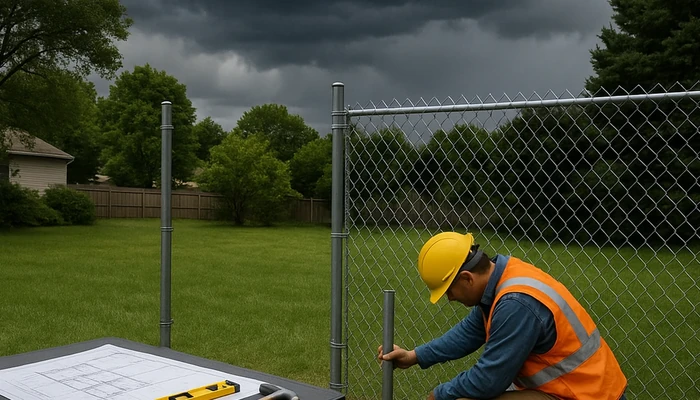
fencing company chicago, residential fences, residential yard fence chicago, residential fencing Geneva, residential fence repair Rogers Park, residential yard fence Alta Vista Terrace, residential fencing Evanston, privacy residential fence Hampshire, residential backyard fence Union Ridge, garden fence Addison
