 Skip to content
Environmental Benefits When Installing Automatic Gates: An In-Depth Guide
As sustainability moves to the forefront of home and property management discussions, one component gaining attention is the environmental impact of access control and fencing solutions. Automatic gates—a staple of modern perimeter security—are now recognized not just for their convenience and safety, but for a range of environmental benefits as well. But what exactly are these advantages? How do different automatic gate options support eco-friendliness? And what does it take for homeowners and property managers in regions like Chicago, Illinois to make responsible, informed decisions? In this comprehensive guide, we’ll clarify the real environmental benefits when installing automatic gates and outline realistic expectations and important trade-offs, drawing on the experience of Chicagoland Fence Pros in the variable Midwest climate.
Understanding Automatic Gates and Sustainability
Automatic gates use electromechanical or hydraulic systems to control entry, often operated by keypads, cards, remotes, or vehicle sensors. While the core function centers around security and access, the environmental impact involves far more than power use alone. By investing in modern systems, property owners can reduce energy consumption, limit unnecessary emissions, and even support local biodiversity. Let’s explore the foundational environmental benefits in more detail.
Reducing Vehicle Emissions and Idling with Automatic Gates
One of the more subtle, but increasingly important, advantages is reduced vehicle idling. Without an automatic gate, visitors or residents may wait for manual operation—sometimes leaving engines running for extended periods. Automatic systems, when installed and maintained properly, minimize this waiting time, directly cutting down on vehicle emissions. In cities like Chicago, where colder months lead to longer warm-up periods, this benefit is especially relevant. Efficient entry also helps improve traffic flow at busy entrances of multi-unit housing or commercial lots.
- Quicker access reduces car idle times and tailpipe emissions.
- Improved traffic flow means fewer start-stop cycles, decreasing air and noise pollution.
Lowering Energy Consumption: Modern Mechanisms and Materials
While it’s true that automatic gates use electric or hydraulic power to operate, innovations in gate technology have led to remarkable reductions in energy demand. Some key developments include:
- Low-voltage motors that operate efficiently, lowering daily electricity usage.
- Timers and auto-sleep features that reduce standby power consumption.
- High-efficiency materials such as aluminum, which is lightweight and requires less force to operate (source).
Ensuring that your system is properly sized and maintained is critical for optimal energy performance.
Choosing Renewable Energy: Solar-Powered Gate Options
Solar-powered automatic gates are increasingly popular among eco-conscious property owners. Equipped with photovoltaic panels, these gates harness sunlight to recharge batteries or to power gate motors directly.
- Solar gate kits are available for both swing and sliding gate systems.
- Solar upgrades can often be added to existing automatic gates, reducing reliance on grid power over time.
- Solar systems work best in locations with decent sunlight exposure—even in the Midwest, many sites are suitable for meaningful solar gain.
If you’re interested in the technical and local climate considerations of solar-powered gates, see our related guide on the impact of solar energy on automatic gates.
Durable, Sustainable Materials: Aluminum, Steel, and Galvanized Options
The materials you choose for your gate can also affect its overall environmental footprint. Aluminum gates, for example, are highly recyclable, lightweight, and naturally resistant to corrosion, reducing both energy required for operation and maintenance needs (source). Steel gates with hot-dip galvanizing—coating the steel with a layer of zinc—not only last longer but are more sustainable over time. Zinc is a naturally occurring element and an essential micronutrient (learn more).
- Properly finished steel and aluminum gates resist rust and reduce repainting or recoating.
- Less maintenance equals a lower lifetime cost in materials and chemicals.
Preventing Environmental Damage with Secure Perimeter Systems
Automatic gates contribute indirectly to environmental stewardship by helping control access and reduce trespassing. This prevents illegal dumping, littering, and unwelcome vehicles on private land, which can damage landscaping, gardens, and sensitive habitats. A well-planned perimeter solution supports not just your property, but also the larger community and local environment.
Supporting Biodiversity: Wildlife-Smart Gate Planning
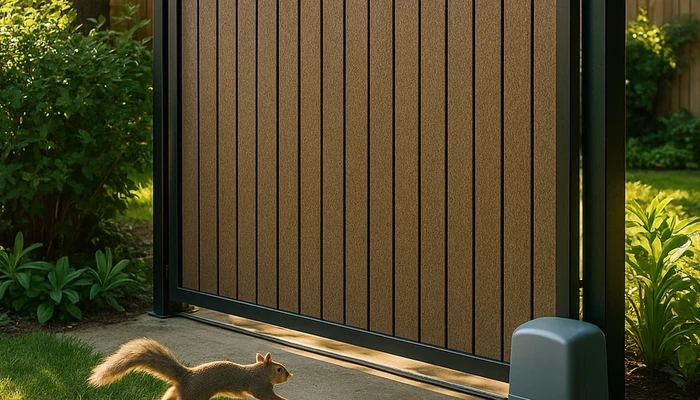
Eco-friendly planning means factoring in the needs of local wildlife. Thoughtfully positioned gates, with fencing that avoids sensitive migration paths or native habitats, help minimize disruption to birds, mammals, and pollinators. Features such as timed openings or “eco-passages” for small animals can also be integrated into perimeter designs when needed. Always check with local authorities or consult a professional, especially near protected areas.
Maintenance and Longevity: The Sustainability Equation
Automatic gates built from high-quality components require less frequent repairs and replacements. Choose powder-coated, galvanized, or anodized finishes for the best longevity. Fewer repairs mean fewer resource inputs—and less waste sent to landfills. Preventive maintenance, like regular lubrication or software updates, further extends system life and maintains optimal efficiency. For upkeep advice, see our dedicated resource: preventive maintenance of automatic gates.
Key Trade-Offs: Myths, Realities, and Common Questions
While automatic gates offer noteworthy environmental benefits, some trade-offs exist. Initial manufacturing has an environmental cost, so the relative benefits increase when gates are made from recyclable or long-lasting materials and maintained regularly. Solar systems reduce ongoing impact, but may require batteries for cloudy periods (these need responsible disposal and recycling after their lifespan). It’s important to weigh the pros and cons based on your climate, budget, and site access needs.
Comparison Table: Eco Features in Automatic Gate Options
| Feature | Standard Electric Gate | Solar-Powered Gate | Manual Gate |
|---|---|---|---|
| Emissions Reduction | Medium (via less idling) | High (less idling, off-grid power) | Low (potential for longer idling) |
| Energy Consumption | Depends on motor efficiency | Very low grid usage | None |
| Material Sustainability | Good if aluminum/galvanized | Good if aluminum/galvanized | Depends on material |
| Maintenance Needs | Moderate | Low to moderate | Varies |
Questions to Ask Before Choosing Your Gate System
- What level of access control do you need?
- Is your site suited for solar panels?
- Which materials are optimal for Chicago’s freeze-thaw cycles?
- Are there nearby habitats that should guide your installation plan?
- How often will the gate be used, and at what traffic levels?
Local Considerations: Chicago, Illinois Environment and Regulations
Homeowners and property managers in Chicago, Illinois should also be aware of unique local environmental factors, such as harsh winters, deicing chemicals, and city-specific building codes. Always consult municipal regulations or a licensed local professional before planning new installations. Understand key aspects in installation before proceeding.
Connecting Automatic Gates to Broader Sustainability Goals
Automatic gates can be one element in a broader sustainability program. Integrate system upgrades, such as energy-efficient lighting or native landscaping, to maximize positive environmental impacts. Gateways also support neighborhood initiatives for litter control, traffic reduction, and improved property value. For larger commercial or community projects, explore access control strategies that prioritize both security and sustainability.
Practical Tips: Maximizing Eco Benefits in Your Automatic Gate Project
- Request gates made from recycled or sustainably sourced materials when possible.
- Consider solar upgrades for new installations, especially if your gate location receives ample sunlight.
- Plan for wildlife movement where feasible and avoid sensitive zones.
- Choose corrosion-resistant materials to reduce maintenance and chemical inputs.
- Schedule regular checks to keep your system operating efficiently year-round.
If you’d like a tailored assessment or want to understand your eco-friendly options, talk to our gate installation specialists for honest, experience-based advice.
FAQ: Environmental Benefits and Considerations for Automatic Gates
- How do automatic gates help reduce vehicle emissions?
They allow for quicker access to properties, minimizing vehicle idling time and thus lowering emissions, especially at busy entrances.
- Are solar-powered automatic gates a reliable option in Chicago?
Yes, many gates operate efficiently year-round with well-sized panels and battery storage, though performance may vary depending on installation site and weather.
- Which gate materials have the lowest environmental impact?
Aluminum (often recycled) and hot-dip galvanized steel are both durable, rust-resistant, and require less frequent maintenance, supporting sustainability.
- Do automatic gates cost more energy to run over time?
Modern systems are designed for low power consumption, especially with features like low-voltage motors or solar kits, reducing their overall energy impact.
- How can I ensure my gate installation doesn’t harm local wildlife?
Work with professionals to site gates away from known wildlife corridors, and consider designs that accommodate small animal movement if needed.
- What about maintenance waste and system longevity?
Choosing high-quality, corrosion-resistant components reduces the frequency of replacement and maintenance, lowering landfill waste and supporting long-term sustainability.
- Do these benefits apply to both residential and commercial settings?
Absolutely—automatic gates deliver environmental and functional advantages for homeowners, property managers, and commercial property owners alike.
- Are there incentives for installing sustainable gate options?
Some jurisdictions offer incentives or rebates for solar-powered systems or recycled-content materials. Check local programs in your area or consult a local professional.
- How do I compare different eco-friendly gate systems?
Review features such as energy source, material sustainability, durability, maintenance needs, and local code compliance to choose the right system.
- Should I consult local professionals for compliance and environmental planning?
Yes, especially in Chicago, Illinois, where weather and local codes impact design and installation. Experienced contractors will ensure your project meets all standards and sustainability goals.
Conclusion: Making Sustainable Security Choices
Automatic gates can deliver real, measurable environmental benefits—from reducing emissions and conserving energy to supporting biodiversity and responsible land management. With advances in solar power, efficient motors, and recycled or durable materials, today’s systems are an important component of sustainable property management. By considering site needs, local codes, gate materials, and maintenance practices, you can make informed, responsible choices that protect both your property and the environment. For more detailed answers or honest guidance, feel free to request a consultation with our experts or contact Chicagoland Fence Pros directly.
About Chicagoland Fence Pros
Chicagoland Fence Pros is a professional fence company with over 15 years of experience serving homeowners and businesses in Chicago, Illinois and nearby communities. Specializing in residential and commercial fence solutions—wood, vinyl, aluminum, steel, and more—our team prioritizes security, privacy, and curb appeal. We ensure every installation meets local codes, and all projects are managed by licensed and insured professionals with a commitment to transparent communication and expert guidance.
fence company near chicago il, electric gate, gate opener, swing gate Berwyn, sliding gate Hanover Park, gate opener North Chicago, swing gate Franklin Park, security gate Spring Grove, access control gate Woodstock, automatic gate Westchester
